
Here's What To Do About Philodendron Paraiso Verde Cold Damage
Cafe Planta Team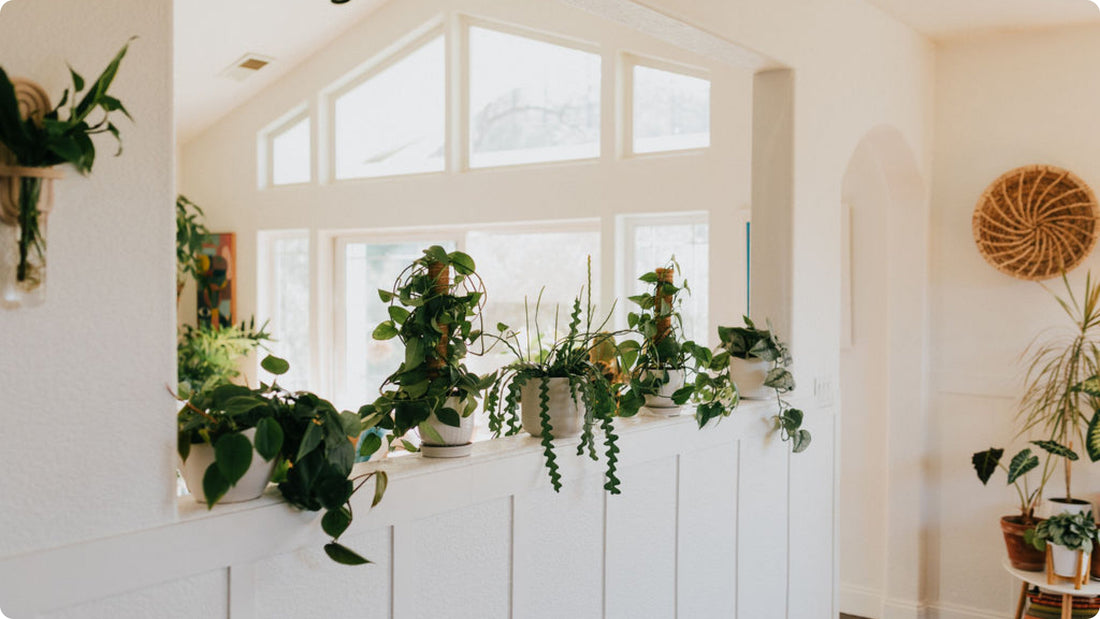
Philodendron Paraiso Verde is a stunning plant, known for its enchanting variegated leaves. However, like many tropical plants, it can struggle when faced with colder temperatures. If you've noticed your beloved plant looking a little worse for wear during the chillier months, you're not alone. Cold damage is a common issue for plant lovers trying to nurture tropical species in less-than-tropical climates.
In this article, we'll discuss how to identify cold damage in your Philodendron Paraiso Verde and the steps you can take to help it recover. From spotting the initial signs to understanding the best care techniques, we'll cover everything you need to know to keep your plant thriving.
Identifying Cold Damage in Philodendron Paraiso Verde
First things first, let's talk about how to spot cold damage in your Philodendron Paraiso Verde. The signs can be subtle at first, but with a keen eye, you can catch them early. This is crucial because the sooner you address the issue, the better chance your plant has to bounce back.
One of the most common indicators of cold damage is leaf discoloration. You might notice that the leaves are turning yellow or brown, especially around the edges. This discoloration often starts at the tips and progresses inward. If the leaves look wilted or droopy, that's another red flag.
Another sign to watch for is slowed growth. If your plant seems to have hit a growth plateau or is producing smaller-than-usual leaves, cold damage might be the culprit. In some cases, you might even see black or dark brown spots on the foliage. These spots are often a sign that the plant cells have been damaged by the cold.
- Yellowing or browning of leaves, particularly at the edges
- Wilted or droopy leaves
- Stunted growth or smaller leaves
- Black or dark brown spots on foliage
Keep in mind that these symptoms can sometimes overlap with other issues like overwatering or nutrient deficiency. So, it's important to consider the temperature conditions your plant has been exposed to when diagnosing the problem.
Understanding the Causes of Cold Damage
Now that we've identified the signs, let's explore what causes cold damage in the first place. Philodendron Paraiso Verde, like many tropical plants, thrives in warm, humid environments. When exposed to temperatures below 50°F (10°C), it can start to suffer.
Cold damage often occurs when plants are placed near drafty windows or doors. Even if your home is generally warm, these cold drafts can create microclimates that are damaging to your plants. Similarly, sudden temperature drops can be a shock to your plant's system, leading to stress and damage.
It's not just the temperature that can cause issues. Low humidity levels, often a byproduct of indoor heating during winter, can exacerbate the problem. Tropical plants are used to humid environments, and dry indoor air can further stress them out.
- Temperatures below 50°F (10°C)
- Exposure to drafty windows or doors
- Sudden temperature drops
- Low indoor humidity levels
Understanding these causes can help you make informed decisions about where to place your plant and how to adjust your care routine during colder months.
Immediate Steps to Take for Cold-Damaged Plants
So, you've spotted the signs of cold damage—what do you do next? The first step is to move your plant to a warmer location. Look for a spot in your home that's away from drafts, ideally in a room that maintains a steady temperature.
It's also important to address humidity levels. A simple way to increase humidity is by using a humidifier. If you don't have one, grouping plants together can create a more humid microenvironment. Misting the leaves occasionally can also help, though it's not a substitute for adequate ambient humidity.
Next, check your watering routine. Cold-damaged plants are often more susceptible to overwatering because their growth slows down and they don't use as much water. Make sure the soil is allowed to dry out slightly between waterings.
- Move the plant to a warmer, draft-free location
- Increase humidity with a humidifier or plant grouping
- Adjust watering to prevent overwatering
These immediate steps can help stabilize your plant and create an environment where it can start to recover.
Pruning and Cleaning the Plant
Once you've moved your plant and adjusted its environment, it's time to give it some TLC through pruning and cleaning. This might sound a bit counterintuitive, but removing damaged leaves can actually help your plant focus its energy on new growth.
Start by identifying the leaves that are beyond saving. These are typically the ones that are completely yellow or brown and crispy to the touch. Using clean, sharp scissors, trim these leaves back to the base. Be careful not to remove too much at once, as this can stress the plant further.
While you're at it, give the remaining leaves a gentle wipe with a damp cloth. This removes dust and allows the plant to photosynthesize more efficiently. Plus, it's a great opportunity to inspect your plant for any pests that might have taken advantage of its weakened state.
- Trim back completely damaged leaves
- Use clean, sharp scissors for pruning
- Wipe remaining leaves with a damp cloth
Pruning and cleaning not only improve the plant's appearance but also contribute to its overall health and recovery.
Adjusting Your Care Routine for Recovery
With your plant pruned and its environment adjusted, the next step is tweaking your care routine to support recovery. This might require a bit of trial and error, so be patient with yourself and your plant.
Light is a critical factor. Philodendron Paraiso Verde thrives in bright, indirect light. If your plant is recovering from cold damage, it's even more important to ensure it's getting adequate light. Consider using a grow light if natural light is limited during the winter months.
Feeding your plant is another consideration. While it might be tempting to give it a nutrient boost, it's best to hold off on fertilizing until you see signs of new growth. This prevents any additional stress on the plant's already weakened system.
- Ensure bright, indirect light or use a grow light
- Avoid fertilizing until new growth appears
- Be patient and monitor the plant's progress
Adjusting your care routine doesn't mean making drastic changes. Small, thoughtful tweaks can make a significant difference in your plant's recovery journey.
Long-Term Strategies for Preventing Cold Damage
Once your Philodendron Paraiso Verde has started to recover, it's time to think about long-term strategies to prevent cold damage in the future. After all, an ounce of prevention is worth a pound of cure.
One strategy is to invest in a room thermometer. This can help you monitor temperature fluctuations in your home, allowing you to make adjustments as needed. It's also worth considering insulating your windows during the winter months to prevent drafts.
Another tip is to rotate your plants periodically. This ensures that all sides of the plant receive equal light exposure and can help prevent cold spots from developing.
- Use a room thermometer to monitor temperatures
- Insulate windows to prevent drafts
- Rotate plants to ensure even light exposure
By implementing these strategies, you can create an environment where your Philodendron Paraiso Verde—and your other plants—can thrive year-round.
Common Mistakes to Avoid
Now that you're armed with strategies to care for your Philodendron Paraiso Verde, let's discuss some common mistakes to avoid. These pitfalls can be easily overlooked but can significantly impact your plant's health.
One mistake is overwatering. It's a common tendency, especially when you're trying to nurse a plant back to health. Remember, a cold-damaged plant's growth is slower, and it uses less water, so less is more in this case.
Another mistake is placing your plant too close to a heat source. While warmth is beneficial, direct heat can dry out the plant and lead to other issues, such as leaf scorch.
- Avoid overwatering, especially during recovery
- Don't place plants near direct heat sources
- Be mindful of sudden environmental changes
By steering clear of these common mistakes, you'll be well on your way to nurturing a healthy and happy Philodendron Paraiso Verde.
Enriching Your Indoor Space with Philodendron Paraiso Verde
Beyond just caring for your Philodendron Paraiso Verde, it's worth considering how this plant can enrich your indoor space. Its unique variegated leaves make it a beautiful addition to any room, adding a touch of nature and elegance.
Consider placing your plant in a decorative pot that complements your home decor. Whether you prefer a minimalist aesthetic or something more vibrant, there's a pot out there that will highlight your plant's beauty.
Philodendron Paraiso Verde can also be used as a focal point in a room. Place it on a plant stand to elevate it, or let it cascade from a shelf for a dramatic effect. Pair it with other tropical plants for a lush, green corner that brings a sense of calm and tranquility to your space.
- Choose a decorative pot that complements your decor
- Use it as a focal point on a stand or shelf
- Pair with other tropical plants for a lush corner
Enriching your indoor space isn't just about aesthetics. It's about creating an environment that brings joy and a sense of well-being to your everyday life.
Final Thoughts
To recap, dealing with cold damage in your Philodendron Paraiso Verde involves identifying the problem, adjusting the environment, and refining your care routine. By following these steps, you can help your plant recover and thrive.
At Cafe Planta, we understand the joys and challenges of being a plant parent. Whether you need advice or are looking to expand your plant collection, we're here to help. Feel free to reach out to us via email or connect with us on Instagram. We're excited to be part of your plant journey and look forward to helping you create a thriving plant-filled home.

















