
Here's What To Do About Philodendron Selloum Cold Damage
Cafe Planta Team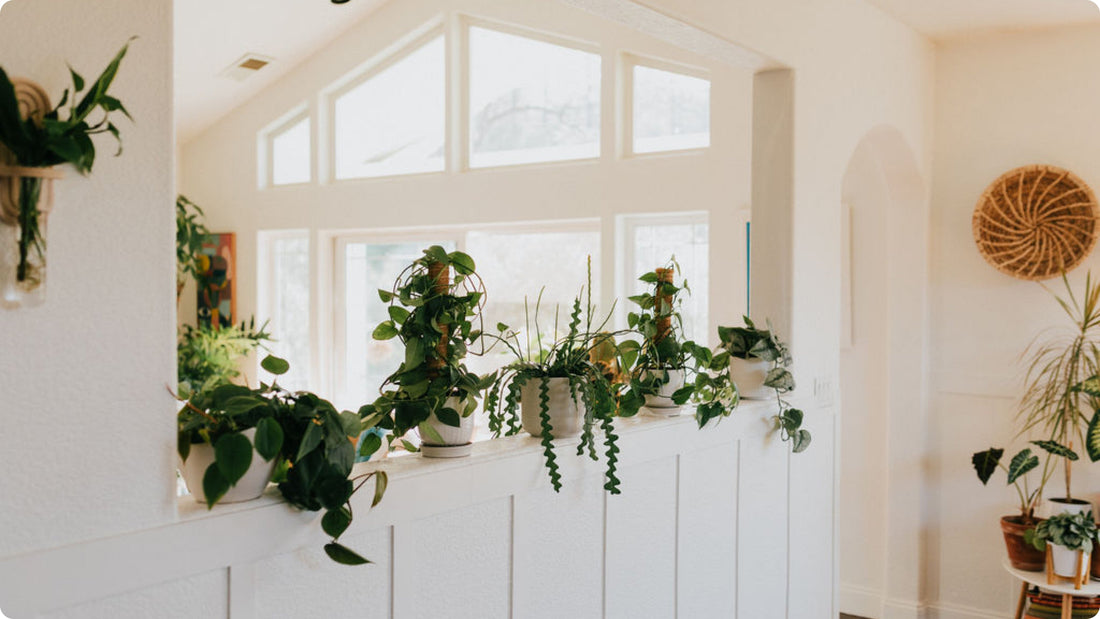
The Philodendron Selloum, with its dramatic, lush foliage, is a favorite among plant lovers. However, these beauties aren't big fans of cold weather, and when the temperature drops, they can suffer. Let's talk about what to do when your Philodendron Selloum faces cold damage.
This article will guide you through recognizing signs of cold damage, immediate actions to take, and long-term care strategies to help your plant bounce back. We'll also explore ways to prevent cold damage in the future, ensuring your plant remains healthy and vibrant.
Recognizing Cold Damage in Your Philodendron Selloum
The first step in addressing cold damage is to know what it looks like. You might notice that the leaves of your Philodendron Selloum start to droop or develop brown spots. These signs indicate that your plant has been exposed to temperatures it doesn't like.
Cold damage often appears as:
- Brown or black patches: These occur when the cells in the leaves freeze and burst.
- Wilting leaves: A clear sign that your plant is stressed and struggling to maintain its normal functions.
- Yellowing leaves: This can happen when the plant's roots are damaged by cold, affecting nutrient uptake.
If you notice any of these signs, it's time to take action. But don't panic! Plants are often more resilient than we give them credit for, and with the right care, your Philodendron can recover.
Immediate Steps to Take
Once you've identified cold damage, the first thing to do is to bring your plant to a warmer environment. If it's outside, move it indoors immediately. Make sure the new location has consistent temperatures and plenty of indirect light.
Here are some quick actions to help your Philodendron Selloum:
- Prune damaged leaves: Gently remove any leaves that are heavily damaged to prevent further stress on the plant.
- Water cautiously: Cold-stressed plants may not need as much water. Ensure the soil is slightly dry before watering to avoid root rot.
- Increase humidity: Use a humidifier or place a tray of water near the plant to boost humidity levels, aiding recovery.
These steps should help stabilize your plant, providing a foundation for further recovery. Remember, patience is key—plants take time to heal.
Assessing the Extent of the Damage
After you've taken the initial steps to stabilize your Philodendron Selloum, it's important to assess how much damage the plant has actually sustained. This evaluation will guide your ongoing care efforts.
Check the following:
- Root health: Gently remove the plant from its pot to inspect the roots. Healthy roots should be white or light tan and firm. If you notice mushy or dark roots, you may need to trim them back.
- Stem condition: Examine the stems for any signs of softening or discoloration. If the stem is affected, it might indicate more severe damage.
- New growth: Look for signs of new growth, which is a positive indicator that your plant is on the mend.
Understanding the extent of the damage will help you decide on the best course of action moving forward. While it can be disheartening to see your plant in distress, remember that many Philodendrons can bounce back with time and care.
Long-term Care for Recovery
Once you've assessed the damage, it's time to focus on long-term care strategies. Recovery can take weeks or even months, but with the right approach, your Philodendron Selloum can thrive once again.
Consider these steps:
- Consistent watering schedule: Stick to a regular watering routine, ensuring the soil is kept moist but not waterlogged.
- Fertilization: After your plant shows signs of recovery, you can start fertilizing it with a balanced houseplant fertilizer to encourage new growth.
- Light: Ensure your plant receives plenty of indirect light. Too much direct sunlight can stress the plant further.
These practices will help your Philodendron Selloum regain its strength. Be attentive to its needs, and don't rush the recovery process. Your patience will be rewarded with a healthy, vibrant plant.
Preventing Future Cold Damage
Prevention is always better than cure. Protecting your Philodendron Selloum from future cold damage involves making a few adjustments to its surroundings and care routine.
Here are some preventive measures:
- Location: Keep your plant away from drafty windows or doors, especially during the colder months.
- Temperature control: Maintain a consistent indoor temperature, ideally between 65°F and 85°F, to keep your plant comfortable.
- Seasonal adjustments: As seasons change, consider relocating your plant to a room where temperatures are more stable.
These steps will help you safeguard your plant against cold damage, ensuring it remains healthy and beautiful all year round.
The Role of Proper Potting and Soil
The right potting mix and container can make a big difference in your Philodendron Selloum's overall health and its ability to withstand cold stress.
Here's what you should consider:
- Soil mix: Use a well-draining potting mix to prevent water from sitting around the roots, which can lead to rot.
- Pot size: Choose a pot that is slightly larger than the root ball. Too much space can lead to excess moisture, while too little can restrict growth.
- Pot material: Consider using a ceramic or terracotta pot, which can help regulate soil moisture better than plastic pots.
A good potting setup not only supports your plant's health but also reduces the risk of cold damage by keeping the roots healthy and resilient.
Dealing with Pests and Fungal Issues
While addressing cold damage, be on the lookout for pests and fungal issues, which can complicate recovery. Stressed plants are more susceptible to these problems.
Here are some common issues and how to handle them:
- Spider mites: These tiny pests thrive in dry conditions. Increase humidity and gently wash the leaves to remove them.
- Fungal infections: Signs include spots on leaves or a white powdery substance. Use a fungicide designed for houseplants to treat the infection.
- Aphids: These small, green insects can be washed off with a strong stream of water or treated with insecticidal soap.
Regularly checking your plant for these issues will help you catch any problems early, keeping your Philodendron Selloum on the path to recovery.
Creating a Warm, Inviting Space with Plants
While you're nursing your Philodendron Selloum back to health, consider how you can use plants to create a warm, inviting atmosphere in your home. Plants like the Philodendron Selloum not only add a touch of greenery but also improve air quality and create a relaxing environment.
Here are some tips for using plants in interior design:
- Group plants together: Create clusters of plants to mimic natural environments and enhance their visual appeal.
- Vary plant heights: Use plants of different heights to add depth and interest to your space. A tall Philodendron Selloum can be complemented by shorter plants like ferns or succulents.
- Use decorative pots: Choose pots that match your decor style to create a cohesive look.
Incorporating plants into your home not only benefits your health but also transforms your living space into a sanctuary.
Final Thoughts
Recovering a Philodendron Selloum from cold damage takes a bit of patience and care. By recognizing the signs of damage, taking immediate action, and providing ongoing support, you can help your plant thrive once again.
At Cafe Planta, we're passionate about helping you care for your plants. Whether you're looking for new houseplants or need advice, we're here to support you. Feel free to email us or reach out on Instagram. Let's bring more nature into our homes and connect with each other through the joy of plants.

















