
Are Philodendron Selloums Pet Friendly?
Cafe Planta Team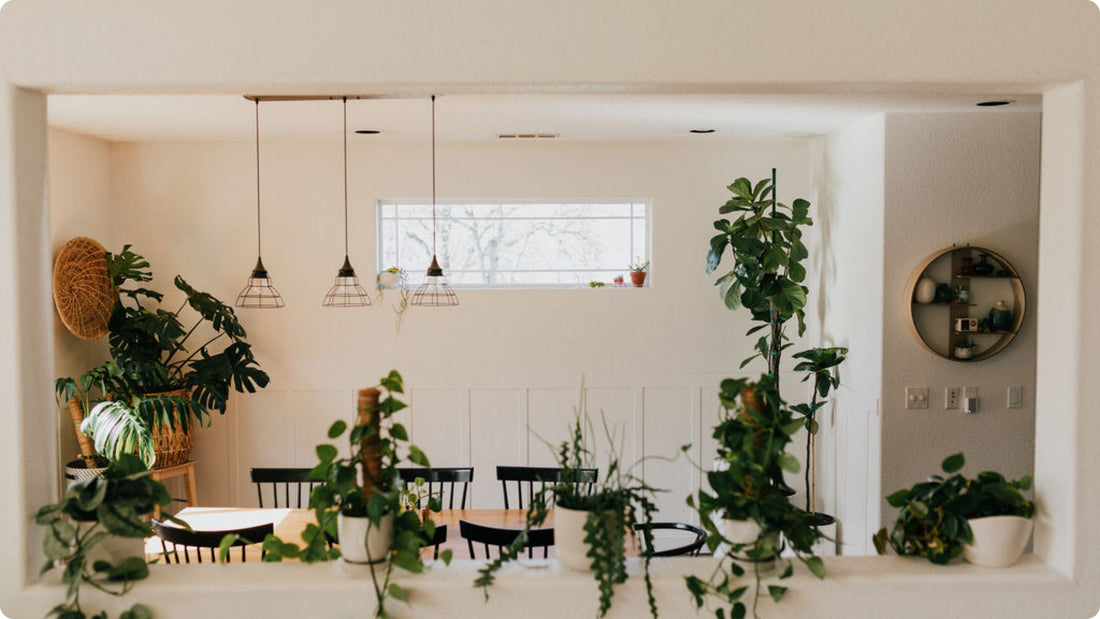
Finding the perfect plant for your home can be a fun and rewarding experience, especially if you're considering adding a bit of greenery to your life. But if you're a pet owner, you might have an extra step in your plant-choosing process: figuring out whether your new leafy friend is safe for your furry companions. One plant that often catches the eye is the Philodendron Selloum, with its large, dramatic leaves and easy-going nature.
In this article, we'll explore whether Philodendron Selloums are pet-friendly and what you need to know if you're a pet owner considering bringing one into your home. We'll also dive into general care tips for these plants, so you can keep them thriving alongside your pets.
Are Philodendron Selloums Safe for Pets?
Let's get straight to the point: Philodendron Selloums, like many other philodendrons, are not pet-friendly. These plants contain calcium oxalate crystals, which can be toxic to cats, dogs, and other animals if ingested. When your pet chews on the leaves, these crystals can cause irritation and discomfort, leading to symptoms like drooling, vomiting, and difficulty swallowing.
While the toxicity level isn't usually life-threatening, it's certainly something you'd want to avoid. If you suspect your pet has ingested any part of the Philodendron Selloum, it's always best to contact your vet immediately. But don't worry; there are ways to keep both your plants and pets happy under the same roof.
Managing Plant Placement with Pets
Knowing that Philodendron Selloums can pose a risk to pets, it's crucial to think carefully about where you place them in your home. Here are some strategies you can use:
- High Shelves or Hanging Planters: Position your plant out of reach on a high shelf or use a hanging planter to keep it away from curious paws and mouths.
- Dedicated Plant Room: If you have space, consider setting up a specific area or room for your plants that's off-limits to pets.
- Pepper-Based Deterrents: Some pet owners use pet-safe sprays or natural deterrents like cayenne pepper to discourage pets from getting too close.
Ultimately, being mindful about where you place your plants can make a significant difference in maintaining a harmonious home environment.
Philodendron Selloum Care Basics
Aside from keeping them out of reach of pets, you'll also want to ensure your Philodendron Selloum thrives. Luckily, these plants are generally low-maintenance and forgiving. Here are some basic care tips:
- Light: These plants prefer bright, indirect light but can tolerate lower light conditions. Avoid direct sunlight, which can scorch their leaves.
- Water: Water your Philodendron Selloum when the top inch of the soil feels dry. Overwatering can lead to root rot, so it's better to err on the side of caution.
- Humidity: They enjoy a bit of humidity, so consider misting the leaves occasionally or placing a humidifier nearby if your home is particularly dry.
- Temperature: Keep your plant in a spot where temperatures range between 65-80°F (18-27°C). Avoid placing them near cold drafts or heat sources.
With these care tips in mind, your Philodendron Selloum should thrive and bring a touch of the tropics to your home.
Signs Your Pet Has Ingested Philodendron Selloum
If you're worried about your pet having a nibble of your Philodendron Selloum, it's helpful to know the signs of ingestion. Symptoms can vary depending on the pet and the amount eaten, but common indicators include:
- Drooling: Excessive drooling is often one of the first signs of irritation.
- Vomiting: Your pet may vomit in an attempt to expel the plant material.
- Pawing at the Mouth: Pets may paw at their mouths due to discomfort or pain.
- Swelling: Some pets may experience swelling around the mouth or throat.
If you notice any of these signs, it's a good idea to contact your vet promptly. They can provide guidance on the best course of action.
Alternatives to Philodendron Selloum for Pet Owners
If you're still keen on adding some greenery to your space but want to avoid any potential risks to your pets, there are plenty of other beautiful and pet-friendly plants to consider:
- Spider Plant: Known for its air-purifying qualities, the spider plant is non-toxic to pets and easy to care for.
- Boston Fern: This lush plant is safe for pets and thrives in humid environments.
- Areca Palm: A versatile and pet-safe palm that can add a tropical touch to your home.
- Calathea: With its stunning foliage, the calathea is both pet-friendly and a visual delight.
These options can help you create a pet-friendly plant collection without compromising on aesthetics or safety.
Creating a Pet-Safe Plant Environment
Creating a pet-safe plant environment goes beyond just choosing the right plants. Here are additional tips to ensure your home is both pet and plant-friendly:
- Training: Consider training your pets to avoid certain areas or plants. Positive reinforcement can work wonders.
- Distractions: Provide your pets with plenty of toys and activities to keep them occupied and less likely to investigate your plants.
- Supervision: When introducing new plants, supervise your pets to observe their behavior and intervene if necessary.
By taking these extra precautions, you can help ensure that your plants and pets coexist peacefully.
Designing with Philodendron Selloums
While Philodendron Selloums need to be kept away from pets, they can still be an incredible addition to your home when placed appropriately. Their large, textured leaves make a bold statement, perfect for adding a touch of drama to your interior design. Here are some design tips:
- Statement Piece: Use a Philodendron Selloum as a focal point in a room with neutral colors to draw the eye.
- Complementing Decor: Pair with wooden furniture or natural textures to enhance the plant's tropical vibe.
- Multiple Plants: Group with other plants of varying heights and leaf shapes for a layered, jungle-like effect.
Even with the pet considerations, with some creative thinking, you can still enjoy the beauty of a Philodendron Selloum in your home.
Philodendron Selloum and Indoor Air Quality
Another reason Philodendron Selloums are popular is their ability to improve indoor air quality. Like many houseplants, they're known for their air-purifying properties. They help filter out toxins such as formaldehyde, which is commonly found in household products and building materials.
While it's always essential to prioritize safety with pets, it's nice to know that your Philodendron Selloum is contributing positively to your home's environment by cleaning the air. This benefit makes it even more worthwhile to find a safe spot for it in your living space.
Final Thoughts
Philodendron Selloums, with their striking appearance and air-purifying qualities, are a fantastic choice for plant lovers. However, for pet owners, it's crucial to be aware of their toxicity and take steps to keep them out of reach. By thoughtfully placing your plants and considering alternative pet-friendly options, you can enjoy a beautiful, green home without compromising your pet's safety.
We at Cafe Planta are passionate about helping you achieve this balance. If you ever have questions or need advice on plant care, feel free to email us or reach out on Instagram. Whether you're a seasoned plant parent or just starting your journey, we’re here to support you with a range of plants and accessories to make your home a green haven. Let's connect and grow together!

















