
The Lifespan Of Philodendron Serpens: How Long Do They Live?
Cafe Planta Team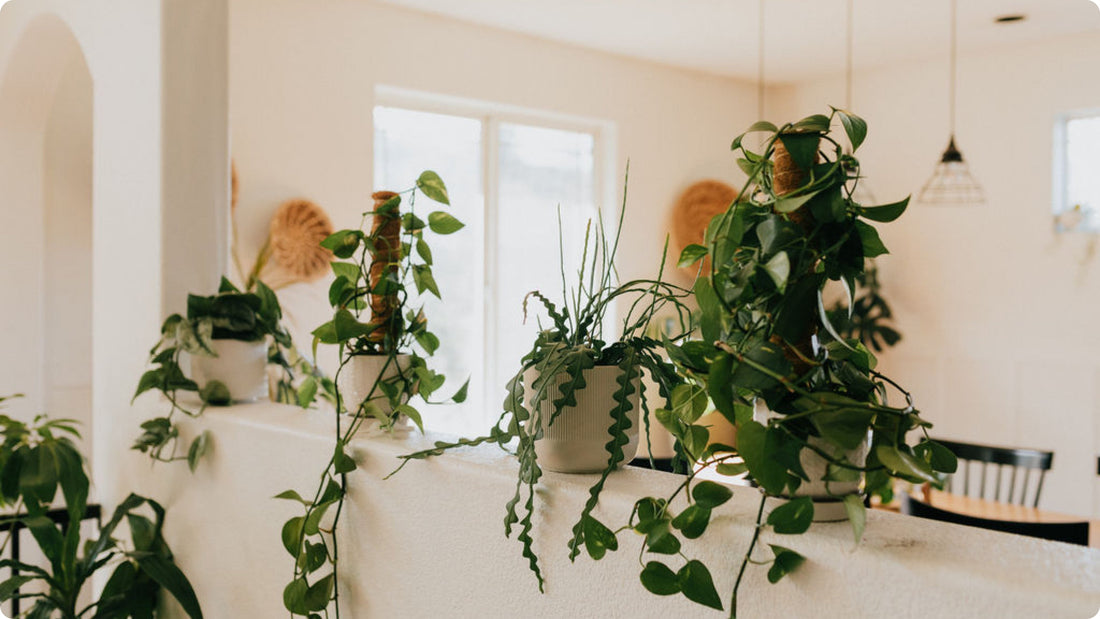
Philodendron Serpens is a plant that's been catching the eyes of plant lovers everywhere. With its unique fuzzy stems and vibrant green leaves, it's no wonder people are curious about how long they can keep these beauties thriving in their homes. Whether you're a seasoned green thumb or just starting to dip your toes into the world of houseplants, understanding the lifespan of your plants can help you provide the best care possible.
In this article, we're going to chat about the lifespan of Philodendron Serpens, touching on factors that influence their longevity and how you can keep your plant happy and healthy for as long as possible. We'll also explore practical care tips, discuss common issues, and even throw in a bit of interior design inspiration for placing your Philodendron Serpens in your home. So grab a comfy seat and let's get started!
Understanding the Basics: What Is a Philodendron Serpens?
Before diving into the specifics of their lifespan, it's helpful to know a bit about what makes Philodendron Serpens unique. This plant is a member of the Araceae family and hails from the tropical regions of South America. Its most distinguishing feature is its fuzzy, reddish-brown petioles (the part of the stem that connects the leaf to the main stem), which make it instantly recognizable to plant people.
The foliage of Philodendron Serpens is heart-shaped and a vibrant shade of green, giving it an attractive, lush appearance. It's a climbing plant, meaning it naturally grows upwards using trees and other structures for support. In a home setting, this means you'll want to provide it with a trellis or moss pole to climb on. This climbing nature not only supports its growth but also adds a touch of vertical interest to your indoor jungle.
Philodendron Serpens is relatively easy to care for, which makes it a popular choice for both beginners and experienced plant parents. Its ability to adapt to a variety of indoor conditions contributes to its longevity, as we'll discuss further in the next sections.
Factors Influencing the Lifespan of Philodendron Serpens
Like all living things, the lifespan of a Philodendron Serpens is influenced by a variety of factors. While some of these are out of our control, others can be managed with proper care and attention. Let's take a closer look at what can affect how long your Philodendron Serpens will live.
1. Environmental Conditions: The environment in which your plant lives plays a significant role in its lifespan. Philodendron Serpens thrives in warm, humid conditions, similar to its natural habitat. If your home is too dry or cold, the plant may struggle to survive.
2. Care and Maintenance: Regular watering, feeding, and pruning are essential to keep your Philodendron Serpens healthy. Neglect or improper care can lead to a shortened lifespan.
3. Pests and Diseases: Unfortunately, pests and diseases are a common issue for houseplants. Keeping an eye out for signs of trouble and taking prompt action can prevent your plant from becoming stressed or damaged.
4. Genetic Factors: Sometimes, the genetic makeup of the plant can influence how long it lives. Some plants are naturally more robust than others, giving them a longer lifespan.
By understanding these factors, you can tailor your care routine to meet the needs of your Philodendron Serpens and help it live a long, healthy life.
Providing the Right Environment
Creating the perfect environment for your Philodendron Serpens is crucial for its longevity. These plants are native to humid tropical forests, so you'll want to replicate those conditions as closely as possible in your home.
Lighting: Philodendron Serpens prefers bright, indirect light. Direct sunlight can scorch its leaves, while too little light can cause it to become leggy and weak. A spot near a north or east-facing window is often ideal, or you can use sheer curtains to diffuse the light from a south or west-facing window.
Temperature: Aim to keep your home between 65°F and 80°F (18°C - 27°C). Avoid placing your plant near drafts, heaters, or air conditioning vents, as sudden changes in temperature can stress it out.
Humidity: Since Philodendron Serpens loves humidity, consider using a humidifier or placing a tray of water near the plant to increase moisture in the air. Regular misting can also help, but be cautious not to create conditions that could lead to fungal issues.
Remember, your plant's environment is a big piece of the puzzle when it comes to its lifespan, so taking the time to set up the right conditions is well worth the effort.
Watering and Feeding: Keeping Your Plant Nourished
Watering and feeding are two essential components of plant care that directly influence the health and lifespan of your Philodendron Serpens. Let's break down what you need to know.
Watering: Overwatering is one of the most common mistakes plant parents make, and it's especially important to avoid with Philodendron Serpens. Allow the top inch of soil to dry out between waterings, and always use a pot with drainage holes to prevent water from sitting at the bottom. You might find that watering once a week is a good starting point, but adjust based on the humidity and temperature in your home.
Feeding: During the growing season (spring and summer), feed your Philodendron Serpens with a balanced, water-soluble fertilizer every 4-6 weeks. Be careful not to over-fertilize, as this can lead to nutrient burn and damage the plant.
By paying close attention to your plant's watering and feeding needs, you can keep it nourished and thriving for years to come.
Pruning and Repotting: Encouraging Growth
Pruning and repotting are two tasks that often get overlooked but are key to maintaining the health and longevity of your Philodendron Serpens.
Pruning: Regularly trimming your plant not only keeps it looking tidy but also encourages new growth. Remove any yellowing or damaged leaves, and trim back any stems that look leggy or overgrown. This helps the plant direct its energy towards healthy growth.
Repotting: Philodendron Serpens should be repotted every 1-2 years, or when you notice the roots beginning to outgrow the pot. Choose a container that's one size larger and use a well-draining potting mix. Repotting gives the roots more space to grow and access to fresh nutrients, which supports the overall health of the plant.
Pruning and repotting might seem like small tasks, but they can make a big difference in helping your Philodendron Serpens live a long and happy life.
Dealing with Pests and Diseases
Even with the best care, your Philodendron Serpens may encounter pests or diseases at some point. Knowing how to identify and address these issues can prevent them from shortening your plant's lifespan.
Common Pests: Keep an eye out for common culprits like spider mites, aphids, and mealybugs. These pests can cause damage by sucking sap from the leaves and stems. If you notice any signs of infestation, such as tiny webs or a sticky residue, take action immediately. Use insecticidal soap or a neem oil spray to treat the affected areas.
Diseases: Fungal diseases like root rot and leaf spot can also affect Philodendron Serpens. These issues often result from overwatering or poor air circulation. To prevent them, ensure your plant is in well-draining soil and has adequate airflow. If you spot any signs of disease, remove the affected parts and adjust your care routine accordingly.
By staying vigilant and addressing problems quickly, you can protect your Philodendron Serpens from pests and diseases, helping it live a longer and healthier life.
Incorporating Philodendron Serpens into Your Home Decor
Now that we've covered the care essentials, let's talk about how to make your Philodendron Serpens a beautiful part of your home decor. Its striking appearance and climbing nature make it a versatile addition to any room.
Vertical Spaces: Philodendron Serpens is perfect for adding height and interest to vertical spaces. Consider placing it near a bookshelf where it can climb up the side, or use a decorative trellis to create a living piece of art on a bare wall.
Hanging Baskets: For a more relaxed look, try placing your Philodendron Serpens in a hanging basket. This allows the vines to cascade down, creating a lush, green curtain effect.
Complementary Plants: Pair your Philodendron Serpens with other tropical plants like Monstera or peace lily to create a cohesive jungle vibe. The different leaf shapes and textures will add depth and interest to your space.
With a bit of creativity, you can turn your Philodendron Serpens into a stunning focal point that enhances your home's aesthetic while keeping your plant happy and healthy.
Real-Life Experiences: Stories from Plant Parents
There's nothing quite like learning from those who have been there before. Let's take a look at some real-life experiences from fellow plant parents who have cared for Philodendron Serpens over the years.
Sarah's Story: Sarah has been a plant lover for over a decade, and her Philodendron Serpens has been with her for nearly five years. She swears by placing it in a north-facing window and using a pebble tray to maintain humidity. "The changes in leaf size and texture over the years have been amazing to watch," she says. "It's like having a living art piece that evolves with time."
Mike's Experience: Mike initially struggled with overwatering his Philodendron Serpens, leading to some leaf yellowing. Once he adjusted his watering routine and added a moss pole for support, he noticed a dramatic improvement. "It's been a learning process, but seeing it thrive now is incredibly rewarding," Mike shares.
Jessica's Tip: For Jessica, the secret to her Philodendron Serpens' long life has been consistent pruning. "I prune regularly to keep it from getting too leggy," she explains. "It helps the plant stay full and vibrant, and I've even propagated a few cuttings to share with friends."
These stories highlight the diverse experiences plant parents can have with Philodendron Serpens, and they remind us that a little patience and care can go a long way in extending the lifespan of our plants.
Final Thoughts
Caring for Philodendron Serpens isn't just about keeping a plant alive—it's about fostering a living piece of nature that can bring beauty and tranquility to your home for many years. With the right care, environment, and a bit of patience, your Philodendron Serpens can thrive and become a cherished part of your plant collection.
At Cafe Planta, we're passionate about helping you care for your plants and turning your home into a plant paradise. Whether you're looking for new plant companions or need advice on plant care, we're here to help. Don't hesitate to reach out to us through email or connect with us on Instagram. Let's nurture our love for plants together!

















