5 Reasons Why Your Philodendron Serpens Is Not Growing
Cafe Planta Team
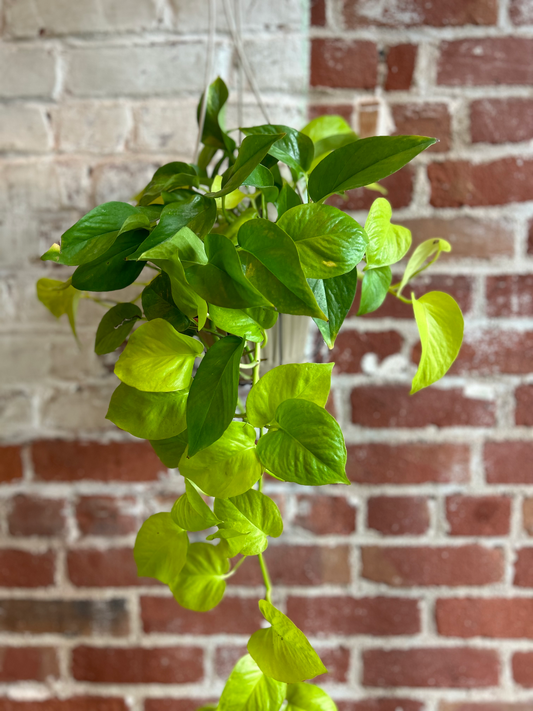
Philodendron Serpens, with its striking leaves and unique texture, is a plant lover's dream. But what happens when your leafy companion isn't growing as it should? That's when a bit of detective work is needed to figure out what's going wrong.
In this post, we'll explore five common reasons why your Philodendron Serpens might be stuck in a growth rut. We'll dive into everything from lighting issues to potting mix mistakes, offering practical tips to get your plant back on track. Let's get started!
1. Inadequate Lighting
One of the most common reasons your Philodendron Serpens might not be growing is due to lighting issues. This plant is native to the understory of tropical forests, where it gets dappled sunlight. So, if your plant is sitting in a dark corner, it might be yearning for a bit more light.
Philodendron Serpens prefers bright, indirect light. Direct sunlight can scorch its delicate leaves, while too little light can slow its growth to a snail's pace. Here's how you can find that sweet spot:
- Positioning: Place your plant near a window where it can enjoy bright, filtered light. A north or east-facing window is often ideal.
- Artificial Lighting: If natural light is limited, consider using grow lights. They can mimic the sun's rays and support your plant's growth.
- Light Adjustment: Watch for signs of light stress. Yellowing leaves might indicate too much sun, while leggy growth suggests a lack of light.
Adjusting the light conditions can make a big difference in encouraging your Philodendron Serpens to flourish. Remember, while they love light, moderation is key.
2. Overwatering or Underwatering
Watering woes are another common reason your Philodendron Serpens might not be thriving. This plant enjoys a consistent watering schedule, but the key is balance. Both overwatering and underwatering can cause growth issues, so let’s break down how to keep your plant hydrated the right way.
Signs of Overwatering:
- Yellowing leaves
- Wilting, despite having wet soil
- Mushy or blackened stems
Signs of Underwatering:
- Dried, crispy leaf edges
- Stunted growth
- Soil pulling away from the edges of the pot
To avoid these pitfalls, follow these watering tips:
- Check the Soil: Before watering, stick your finger into the soil up to the second knuckle. If it feels dry, it's time to water. If it's moist, hold off for a few more days.
- Drainage is Key: Ensure your pot has drainage holes to prevent water from pooling at the bottom.
- Seasonal Adjustments: Your plant's water needs will change with the seasons. During the growing season (spring and summer), it may need more frequent watering. In contrast, during the dormant months (fall and winter), you can dial it back.
Finding the right balance will keep your Philodendron Serpens happy and growing steadily.
3. Incorrect Potting Mix
The medium your plant is growing in can significantly impact its health and growth. Philodendron Serpens prefers a well-draining potting mix that retains some moisture but doesn't stay soggy. A mix that’s too dense or retains too much water can suffocate the roots, leading to stunted growth.
Here's how to create the perfect potting mix for your Philodendron Serpens:
- Mix Components: Combine equal parts potting soil, perlite, and orchid bark. This blend provides good drainage while retaining enough moisture for the plant.
- Repotting Frequency: Every 1-2 years, consider repotting your plant to refresh the soil and provide room for root growth. Signs that your plant needs repotting include roots growing out of the drainage holes or the plant becoming top-heavy.
- Container Choice: Use a pot with drainage holes and consider materials like terracotta that allow for better air circulation.
Creating the right environment for the roots will help your Philodendron Serpens grow and thrive, making it a beautiful addition to your indoor plant collection.
4. Nutrient Deficiency
Much like humans, plants need a variety of nutrients to grow and stay healthy. If your Philodendron Serpens isn’t growing, it might be lacking essential nutrients. A nutrient deficiency can manifest in several ways, including yellowing leaves, stunted growth, or poor leaf development.
Here’s how you can ensure your plant is getting the nutrients it needs:
- Fertilizing Schedule: Feed your Philodendron Serpens with a balanced, water-soluble fertilizer every 4-6 weeks during the growing season (spring and summer). Reduce feeding during the fall and winter months.
- Signs of Deficiency: Yellow leaves might indicate a nitrogen deficiency, while pale new leaves could be a sign of iron deficiency.
- Avoid Over-fertilizing: More isn't always better. Too much fertilizer can burn the roots and harm the plant. If you see brown leaf tips, it might be a sign of over-fertilization.
By supplementing your plant’s diet with the right nutrients, you’ll help it grow stronger and more vibrant.
5. Temperature and Humidity Mismatch
Temperature and humidity play a significant role in the growth of Philodendron Serpens. They thrive in warm, humid environments, similar to their natural tropical habitat. If your home’s conditions are too dry or too chilly, your plant might not grow as expected.
Consider these tips to create a cozy environment for your plant:
- Ideal Temperature: Keep your Philodendron in a spot where temperatures range between 65°F and 80°F (18°C - 27°C). Avoid placing it near drafts, heaters, or air conditioning vents.
- Humidity Levels: Aim for humidity levels of 60% or higher. If your home is on the dry side, especially during winter, consider using a humidifier or placing a pebble tray with water near your plant.
- Monitoring Tools: Use a thermometer and hygrometer to keep an eye on the conditions. This can help you make necessary adjustments to keep your plant comfortable.
By mimicking its natural habitat, your Philodendron Serpens will feel right at home and more likely to flourish.
6. Pests and Diseases
Even the most diligent plant parent can face pest and disease challenges. These unwelcome guests can sap the life out of your Philodendron Serpens, preventing it from growing properly.
Common pests include spider mites, aphids, and mealybugs. Here’s how to tackle these issues:
- Regular Inspection: Check your plant regularly for any signs of pests. Look for webbing, sticky residue, or small insects on the leaves and stems.
- Natural Remedies: For minor infestations, a mixture of water and dish soap can be effective. Spray it on affected areas every few days until the pests are gone.
- Fungal Issues: Yellowing leaves with brown spots might indicate a fungal infection. Ensure good air circulation and avoid wetting the leaves when watering.
Keeping a close eye on your plant and acting quickly at the first sign of trouble can prevent pests and diseases from taking hold.
7. Pot Size and Root Bound Issues
Sometimes, your Philodendron Serpens might not be growing because it's outgrown its current pot. When a plant becomes root-bound, its roots circle the pot, which can stunt growth.
Here's how to recognize and address this issue:
- Check the Roots: Gently remove the plant from its pot and inspect the roots. If they're tightly wound and circling the pot, it’s time for a new home.
- Repotting Steps: Choose a pot one size larger than the current one. Carefully loosen the roots and place them in fresh potting mix, ensuring they have room to grow.
- Post-Repotting Care: Water the plant thoroughly and place it in a location with good light. It might take a few weeks for the plant to adjust, but soon you should see new growth.
Giving your Philodendron Serpens some extra space will allow it to stretch out and continue its growth journey.
8. Stress from Environmental Changes
Plants can be quite sensitive to changes in their environment. If you've recently moved your Philodendron Serpens or altered its care routine significantly, it might be experiencing stress.
Here are some common scenarios and how to mitigate stress:
- Moving Locations: If you’ve moved your plant to a new spot, give it time to adjust. It might take a few weeks for the plant to acclimate to new light and temperature conditions.
- Changing Pots: After repotting, it’s normal for your plant to go through a brief adjustment period. Ensure it’s in the right conditions and avoid further changes for a while.
- Seasonal Changes: As seasons change, the amount of light and temperature can fluctuate. Adjust your plant care routine accordingly to help it adapt.
Patience is key. Allow your plant some time to settle into its new environment, and it will likely bounce back with healthy growth.
Final Thoughts
Nurturing a Philodendron Serpens can be a rewarding experience, but sometimes growth can stall due to a variety of factors. By addressing issues like lighting, watering, and soil, you can encourage your plant to thrive once again.
At Cafe Planta, we love helping plant lovers like you create beautiful, thriving plant collections. If you have any questions or need advice, don't hesitate to reach out via email or connect with us on Instagram. We're excited to share our passion for plants and help you connect with nature and fellow plant people.