
How To Grow Pineapple Bromeliads With Hydroponics
Cafe Planta Team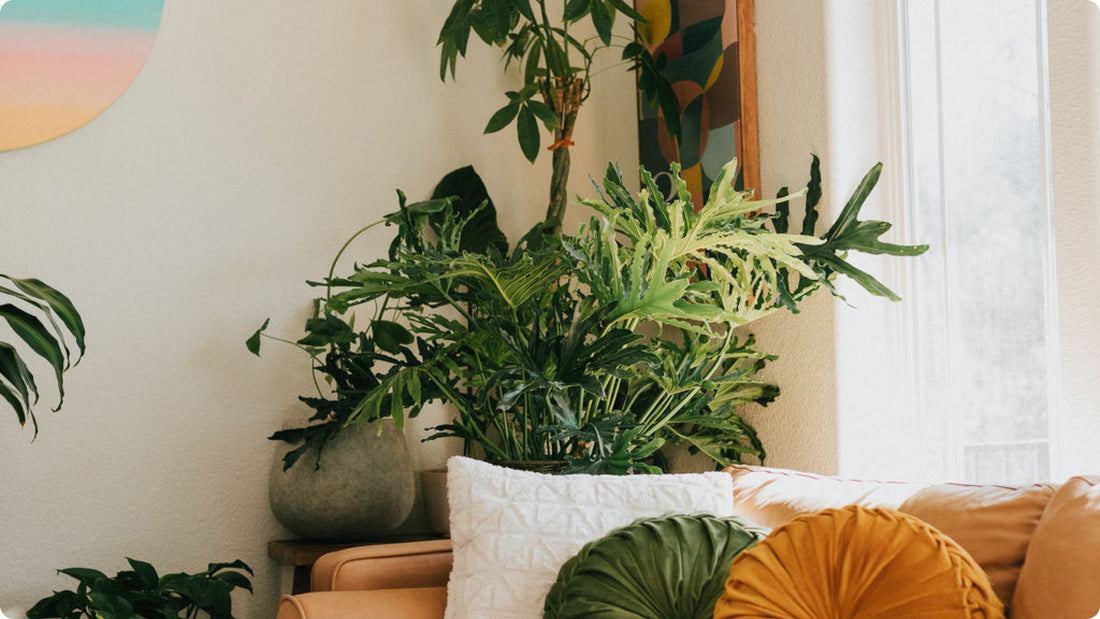
Growing pineapple bromeliads using hydroponics might sound like a futuristic gardening method, but it’s actually a fantastic way to bring a tropical vibe into your home. These striking plants, known for their impressive foliage and unique fruit, can thrive without soil, making them perfect candidates for hydroponic systems.
Today, we're going to explore how you can nurture these beauties at home using hydroponics. From setting up your system to maintaining your pineapple bromeliads for optimal growth, we'll walk through everything you need to know. So, grab a comfy seat and let's get started on this green journey!
Understanding Pineapple Bromeliads
First things first, what exactly are pineapple bromeliads? Well, these fascinating plants belong to the bromeliad family, which is famous for its vibrant foliage and ability to grow in diverse environments. The pineapple bromeliad, specifically, is a type of bromeliad that produces the familiar pineapple fruit, albeit a mini version when grown indoors.
Pineapple bromeliads are epiphytes in their natural habitat, meaning they often grow on other plants or trees rather than in soil. This makes them particularly suited to hydroponic systems, where they can absorb nutrients directly from water. They have a central rosette that collects water and nutrients, and their leaves are typically long, arching, and sometimes spiky.
One of the coolest things about these plants is their ability to add a touch of the exotic to any room. Whether you're a seasoned plant parent or just starting, the pineapple bromeliad is a conversation starter that’s sure to impress. Plus, who doesn’t love the idea of growing their own pineapple, even if it’s just a tiny one?
Setting Up Your Hydroponic System
Now that we've covered the basics of what makes pineapple bromeliads so special, let's dive into setting up a hydroponic system for them. Don't worry if you're new to hydroponics—it's easier than it sounds, and we'll guide you through it step by step.
To start, you'll need some basic equipment:
- Hydroponic container: This can be anything from a simple glass jar to a more sophisticated hydroponic kit. Make sure it's clean and large enough to support your plant as it grows.
- Net pot: A net pot is ideal for holding your bromeliad in place while allowing roots to access the nutrient solution.
- Growing medium: While soil is a no-go, you'll need a medium like perlite, clay pebbles, or rockwool to support the plant.
- Nutrient solution: You'll need a solution specifically formulated for bromeliads. These are available at most gardening stores or online.
- pH meter: Keeping an eye on the pH level is crucial for healthy plant growth. Aim for a pH between 5.5 and 6.5.
Once you've gathered your materials, place the bromeliad in the net pot with your chosen growing medium. Fill your container with the nutrient solution, ensuring the roots are submerged but the base of the plant is not sitting in water. This setup prevents root rot while providing essential nutrients.
Choosing the Right Location
When it comes to placing your hydroponic pineapple bromeliad, location is everything. These plants love bright, indirect light, which mimics their natural habitat under the forest canopy. However, too much direct sunlight can scorch their leaves, so avoid placing them in direct sun.
If you're unsure about the lighting in your home, consider these tips:
- North or east-facing windows: These usually provide the perfect balance of light without the harsh afternoon sun.
- Supplemental lighting: If natural light is limited, you might want to invest in a grow light. LED lights are energy-efficient and can provide the necessary spectrum for growth.
- Observe your plant: Browning or pale leaves can indicate too much or too little light, respectively. Adjust the position accordingly.
Beyond light, temperature is another important factor. Pineapple bromeliads thrive in temperatures between 65°F and 80°F. They don't do well in cold drafts or sudden temperature changes, so keep them away from air conditioners or frequently opened doors.
Maintaining Your Hydroponic System
Once you've set up your hydroponic system and found the perfect spot for your pineapple bromeliad, maintaining the system is the next step. This involves monitoring water levels, nutrient concentrations, and keeping everything clean to prevent disease.
Here's a simple maintenance routine:
- Check water levels: Make sure your plant's roots are always in contact with the nutrient solution. Top off with fresh solution as needed.
- Refresh the nutrient solution: Every 2-3 weeks, replace the old solution with a fresh batch to ensure your plant gets the right nutrients.
- Clean the system: Algae and bacteria can build up, so clean the container and net pot with water and mild soap every month.
- Monitor pH levels: Regularly check and adjust the pH of your nutrient solution to keep it within the optimal range.
It's also a good idea to keep an eye out for any signs of distress in your plant. Wilting or yellowing leaves can indicate an issue with the nutrient solution, light, or disease. Addressing these problems early can save your plant a lot of stress.
Dealing with Pests and Diseases
While hydroponic systems reduce some pest and disease issues by eliminating soil, problems can still arise. The most common nuisances include aphids, mealybugs, and fungal infections. The good news is that they're manageable with a few simple strategies.
Here are some tips to keep pests and diseases at bay:
- Inspect regularly: Make it a habit to check your bromeliad for any signs of pests or disease. Catching issues early is key to preventing them from spreading.
- Natural remedies: For minor infestations, a gentle spray with water or a mixture of water and dish soap can help dislodge pests. Neem oil is also a popular natural pesticide.
- Improve air circulation: Good airflow around your plant can prevent fungal infections. A small fan can help if your plant is in a stagnant area.
- Quarantine new plants: If you bring any new plants into your home, keep them separate from your bromeliad for a few weeks to ensure they're not carrying pests.
Remember, a healthy plant is less susceptible to pests and diseases, so maintaining optimal conditions is your first line of defense.
Fertilizing Your Pineapple Bromeliad
Fertilization is a crucial aspect of hydroponic gardening, as the plant relies entirely on the nutrient solution for its nourishment. Pineapple bromeliads aren't heavy feeders, but they do appreciate a balanced diet of essential nutrients.
When choosing a fertilizer, look for one that's specifically formulated for bromeliads or hydroponic systems. Follow the instructions on the label, as over-fertilizing can be just as harmful as under-fertilizing. Generally, a diluted solution applied every month should suffice.
Keep these fertilization tips in mind:
- Less is more: Pineapple bromeliads can be sensitive to overfeeding, so err on the side of caution.
- Observe your plant: If the leaves are turning brown or the plant looks unhealthy, you may need to adjust your feeding schedule.
- Rinse regularly: To prevent salt buildup from fertilizers, flush the system with plain water every few weeks.
By providing the right nutrients at the right time, you'll encourage healthy growth and, hopefully, a tiny pineapple at the center of your plant!
Pruning and Trimming
Pruning isn't just for shrubs and trees—your pineapple bromeliad can benefit from a little trim now and then, too. Regular pruning helps maintain the plant’s shape, removes dead or damaged leaves, and can even encourage a healthier growth pattern.
Here's how to keep your bromeliad looking its best:
- Use sharp, clean scissors: This prevents damage and reduces the risk of spreading disease.
- Remove dead leaves: Trim away any brown or yellow leaves at the base. These aren’t contributing to the plant’s health and can be unsightly.
- Cut back flower stalks: After your bromeliad has flowered, the stalk will eventually die back. Cut it as close to the base as possible to tidy up the plant.
- Encourage pups: If you notice small offshoots, or "pups," growing at the base, you can leave them to grow or separate them once they’re a few inches tall to start new plants.
Pruning is not only a way to keep your plant attractive but also a chance to inspect it up close and ensure it’s healthy.
Harvesting Your Pineapple
One of the most exciting moments for any plant lover is harvesting the fruit of their labor—literally! While your bromeliad-grown pineapple won't be supermarket-sized, it's a delight to see it develop and ripen. Patience is key here, as it can take a couple of years for a pineapple to mature.
When you notice a small pineapple forming at the center of your plant, it’s time to get excited. Here's how to know when it's ready to harvest:
- Check the color: The fruit should turn a golden-yellow color when ripe. If it's still green, give it more time.
- Smell it: A ripe pineapple will emit a sweet fragrance. If you can smell it, it's probably ready!
- Give it a tug: If the pineapple easily detaches from the plant with a gentle twist, it's time to harvest.
Once harvested, enjoy your homegrown pineapple as a sweet snack or use it in your favorite recipes. Plus, you can use the top of the pineapple to propagate a new plant and start the cycle all over again!
Creating a Tropical Atmosphere at Home
Beyond the practical aspects of growing pineapple bromeliads hydroponically, there's an undeniable aesthetic appeal. These plants can transform any space into a tropical paradise, bringing a sense of calm and freshness to your home. Here are some ideas to incorporate them into your decor:
- Mix and match: Pair your bromeliad with other tropical plants like monstera or bird of paradise for a lush, green corner.
- Use decorative containers: A stylish pot or container can make your hydroponic setup look like a piece of art.
- Group in clusters: Create a mini indoor garden by grouping several bromeliads together on a shelf or windowsill.
- Accessorize: Complement your plants with natural elements like stones, driftwood, or seashells to enhance the tropical feel.
By thoughtfully arranging your plants, you'll not only enjoy their beauty but also create a space that promotes relaxation and well-being.
Final Thoughts
Growing pineapple bromeliads with hydroponics is a fun and rewarding adventure that combines the beauty of tropical plants with the science of hydroponics. By carefully setting up and maintaining your system, you can enjoy the lush foliage and even the occasional mini pineapple in your home.
At Cafe Planta, we’re passionate about helping you succeed on your plant journey. Whether you’re looking for unique plants, stylish accessories, or have questions about plant care, we’re here for you. Feel free to email us or reach out on our Instagram. We believe in the power of plants to connect us to nature and each other.

















