
Are Ponytail Palms Pet Friendly?
Cafe Planta Team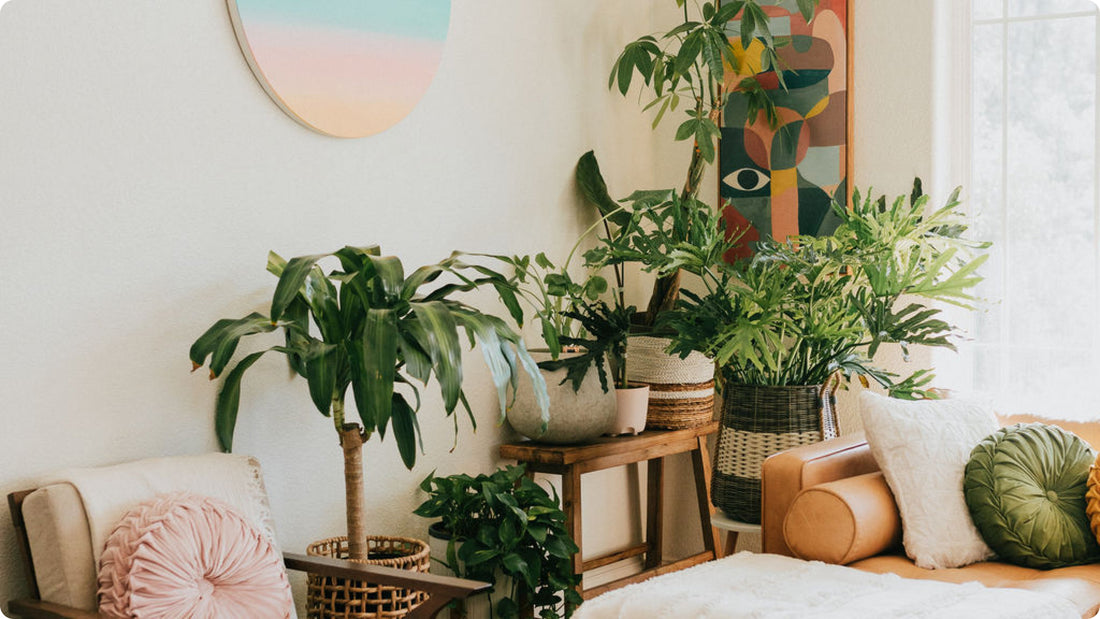
Have you ever looked at a ponytail palm and thought, "Wow, what an interesting-looking plant?" With its bulbous trunk and long, curly leaves, it's certainly a conversation starter. But if you're a pet owner, you might have a pressing question: Are ponytail palms safe for your furry friends?
In this post, we'll explore whether ponytail palms are pet-friendly and delve into houseplant care and maintenance. From selecting the right spot for your ponytail palm to creating a beautiful interior design with your plant, we'll cover everything you need to know.
Are Ponytail Palms Safe for Pets?
Let's start with the main concern. If you're a cat or dog owner, you know that pets can be curious about houseplants. Whether they're batting at leaves or giving them a little nibble, it's essential to ensure any plant you bring home isn't harmful.
The good news is that ponytail palms (Beaucarnea recurvata) are considered non-toxic to cats and dogs. According to the ASPCA, ponytail palms don't contain any harmful chemicals that would pose a risk to your pets. So, if your feline friend decides to take a small bite, you can rest easy knowing it won't harm them.
However, while the plant isn't toxic, it doesn't mean you should encourage your pets to munch away. Eating any plant material can cause mild stomach upset in pets, so it's best to keep plants out of their reach when possible.
Understanding the Ponytail Palm
Before we get into the nitty-gritty of care and design, let's take a moment to appreciate just what makes the ponytail palm such a unique plant. Despite its name and appearance, the ponytail palm isn't a palm at all. It's actually a member of the agave family, native to semi-desert areas of southeastern Mexico.
The distinctive feature of the ponytail palm is its swollen base, which stores water, making it drought-tolerant and an excellent choice for those who might forget a watering or two. The long, arching leaves resemble a ponytail, giving the plant its common name. These leaves can reach several feet in length, providing a graceful, elegant appearance.
Aside from its visual appeal, the ponytail palm is known for being a low-maintenance plant, perfect for busy plant parents or those new to plant care. Now, let's look at how to properly care for this plant so it thrives in your home.
Choosing the Right Location
Finding the perfect spot for your ponytail palm is crucial for its well-being. These plants love bright, indirect light, which mimics their natural habitat. A sunny windowsill where they can soak up some rays without direct exposure to the harsh midday sun is ideal.
If you notice the leaves starting to brown or curl, it might be a sign they're getting too much direct sunlight. On the flip side, if the leaves lose their vibrant color and growth slows, they might not be getting enough light. Adjust the plant's location accordingly, and it should bounce back in no time.
If your home lacks natural light, don't fret! Ponytail palms can adapt to lower light conditions, though their growth may slow down. An artificial grow light can also be a great addition to help your plant thrive in less-than-ideal lighting.
Watering Your Ponytail Palm
One of the reasons ponytail palms are so popular is their drought tolerance. The swollen base of the plant acts as a water reservoir, allowing it to survive periods of dryness. That said, knowing when and how to water is essential for your plant's health.
During the growing season (spring and summer), water your ponytail palm when the top inch of soil feels dry to the touch. In the dormant months (fall and winter), you can reduce watering frequency, allowing the soil to dry out more between waterings.
Overwatering is a common mistake with ponytail palms, leading to root rot. To avoid this, ensure your plant's pot has drainage holes and never let it sit in standing water. Remember, it's better to underwater than overwater when it comes to these resilient plants.
Soil and Potting Needs
Ponytail palms aren't too fussy about their soil, but good drainage is a must. A cactus or succulent potting mix is an excellent choice, as it allows excess water to drain away quickly, preventing root rot.
When it comes to repotting, ponytail palms don't mind being a bit root-bound, and they grow slowly, so repotting every couple of years is usually sufficient. When you do repot, choose a container that's slightly larger than the current one, and ensure it has drainage holes.
Repotting can be an exciting time to refresh your plant's look and vitality. Just be careful not to damage the roots, and try to keep as much of the original soil around the root ball as possible to reduce transplant shock.
Fertilizing Your Ponytail Palm
Although ponytail palms are relatively low-maintenance, they do appreciate a little feeding during the growing season. A balanced liquid fertilizer applied every 4-6 weeks in spring and summer can help support healthy growth.
Be cautious not to over-fertilize, as this can lead to nutrient buildup and damage to the plant. Always follow the instructions on your chosen fertilizer, and when in doubt, it's better to under-fertilize than overdo it.
During the fall and winter months, you can hold off on fertilizing, as the plant's growth naturally slows down. This allows your ponytail palm to rest and conserve energy for the next growing season.
Dealing with Pests and Problems
Like any plant, ponytail palms can sometimes fall victim to pests or other issues. Fortunately, they're generally quite resilient, but it's always good to be prepared.
Common pests that might target your ponytail palm include spider mites, mealybugs, and scale. If you notice any small, unwelcome visitors, a gentle wipe with a damp cloth or a spray of insecticidal soap can usually do the trick.
In terms of diseases, overwatering is the main culprit, leading to root rot. If you suspect root rot, you'll need to remove the affected parts of the plant, let the roots dry out, and repot in fresh, well-draining soil.
If your plant starts to look a little under the weather, don't panic. Check for signs of pests, adjust your watering routine, and ensure it's in the right lighting conditions. With a little patience, your ponytail palm will likely bounce back.
Incorporating Ponytail Palms into Your Home Decor
Now that you know how to care for a ponytail palm, let's talk about incorporating it into your home decor. With its unique look, the ponytail palm can be a striking focal point in any room.
Consider placing your ponytail palm in a decorative pot that complements your interior design style. Whether you prefer a minimalist, modern look or a more eclectic, bohemian vibe, there's a pot out there to match.
The plant's architectural shape makes it perfect for adding height and interest to a space. It looks fantastic in corners, next to furniture, or even on a plant stand to elevate its presence. Don't be afraid to experiment and find the perfect spot that suits your style.
Creating a Plant Oasis
If you're a plant lover, you might dream of creating a lush oasis in your home. Ponytail palms can be a beautiful addition to a larger collection of houseplants, adding texture and variety.
Consider grouping your ponytail palm with other low-maintenance plants like snake plants, ZZ plants, or pothos. These plants share similar care requirements, making them easy to manage together.
Mixing different shapes, sizes, and textures can create a visually appealing display that brings life to any room. Don't be afraid to play around with arrangements until you find a look that brings you joy.
Final Thoughts
Ponytail palms are a wonderful addition to any home, especially for pet owners who want a safe, low-maintenance plant. They're beautiful, resilient, and easy to care for, making them perfect for both seasoned plant parents and beginners alike.
At Cafe Planta, we're passionate about helping you create your dream indoor garden. Whether you're looking for advice on plant care or want to explore our selection of unique houseplants and plant-themed goodies, we're here to support you. Have questions? Feel free to email us or send us a message on Instagram. Let's nurture our love for plants together!

















