
Are Rhaphidophoras Pet Friendly?
Cafe Planta Team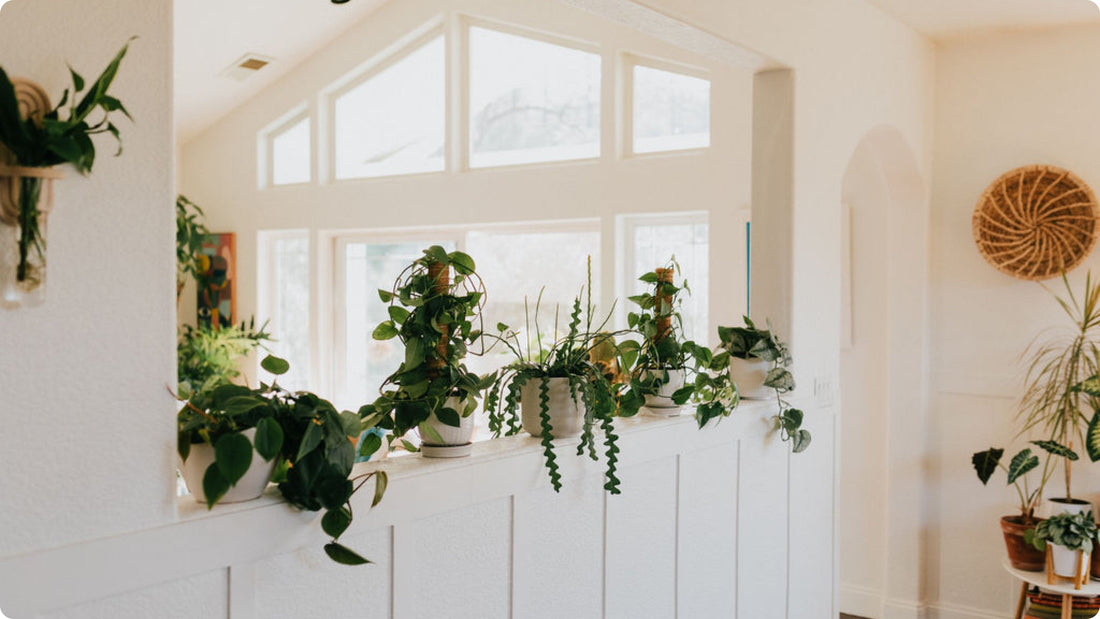
Rhaphidophoras are trendy among plant lovers, but if you're a pet parent, there's an important question to consider: Are they safe for your furry friends? Many of us want to create a jungle vibe at home without putting our pets at risk, so let's dig into the details to see if Rhaphidophoras are the right fit for your household.
In this article, we’ll explore the pet-friendliness of Rhaphidophoras, dive into their care requirements, and share tips on how to safely incorporate them into your home. We'll also discuss the benefits of having houseplants around and how to design a beautiful, pet-friendly space. So, if you’re juggling the roles of plant parent and pet parent, you’re in the right place!
Are Rhaphidophoras Toxic to Pets?
The first thing most pet parents need to know is whether a plant is toxic to their furry friends. Unfortunately, Rhaphidophoras, like many aroids, contain calcium oxalate crystals. These crystals can cause irritation if ingested by pets, leading to symptoms like drooling, vomiting, or difficulty swallowing. While serious poisoning is rare, it’s best to keep these plants out of reach.
But don't worry just yet! There are ways to keep both your pets and plants happy. Consider these strategies:
- Place plants on high shelves or in hanging planters where pets can’t reach them.
- Create barriers like decorative fencing around plant areas.
- Use pet deterrent sprays on the leaves to discourage nibbling.
Remember, while Rhaphidophoras aren't the safest option for homes with curious pets, with a little planning, you can still enjoy their beauty.
Understanding Rhaphidophora Care
Now that you're aware of the potential risks, let's talk about caring for these stunning plants. Rhaphidophoras are relatively easy to care for, making them an excellent choice for both beginners and seasoned plant parents. Here’s a quick rundown of their basic needs:
Light: These plants thrive in bright, indirect light but can tolerate lower light conditions. Direct sunlight can scorch their leaves, so keep them away from harsh rays.
Water: Rhaphidophoras like their soil to be consistently moist but not soggy. Water them when the top inch of soil feels dry to the touch. Overwatering can lead to root rot, so ensure your pot has good drainage.
Humidity: As tropical plants, Rhaphidophoras appreciate higher humidity levels. If your home is dry, consider using a humidifier or placing a tray of water near the plant.
Temperature: They prefer temperatures between 65-80°F (18-27°C). Keep them away from cold drafts or sudden temperature changes.
Armed with these care tips, you can ensure your Rhaphidophora thrives, adding a touch of greenery to your space.
Creating a Pet-Friendly Plant Space
Balancing a love for plants with a home full of pets can be a fun challenge. Here’s how to create a space that's safe and stylish:
Choose Non-Toxic Plants: Alongside Rhaphidophoras, opt for non-toxic options like spider plants, Boston ferns, or prayer plants. These safe alternatives can fill the gaps in your plant collection without posing a threat to your pets.
Designate Plant Zones: Create specific areas where your plants can thrive without interference. Use tall plant stands or wall-mounted shelves to keep your greenery out of reach.
Incorporate Pet-Friendly Furniture: If your pets have a tendency to climb, consider adding cat trees or pet furniture that satisfy their curiosity without disturbing your plants.
By planning your plant placement carefully, you can enjoy a lush, green home while keeping your pets safe.
Benefits of Houseplants for You and Your Pets
While the focus here is on keeping your pets safe around Rhaphidophoras, it's also worth noting the benefits plants bring to your household. Houseplants can improve air quality, reduce stress, and boost mood—benefits that extend to both humans and animals.
For pets, the presence of plants can offer enrichment, providing new scents and textures to explore. However, always ensure that the plants within reach are non-toxic to prevent any health issues.
Having plants around can also encourage you to spend more time caring for your indoor garden, which can be a relaxing and rewarding hobby. It’s a win-win situation for you and your furry friends!
Designing with Rhaphidophoras in Mind
Rhaphidophoras are beautiful plants with a unique look that can elevate your interior design. Their climbing nature and large leaves make them excellent statement pieces. Here's how to incorporate them into your home:
Vertical Gardening: Train your Rhaphidophora to climb up a moss pole or trellis. This not only saves space but also adds a dramatic effect to any room.
Pairing with Other Plants: Create a diverse plant display by mixing Rhaphidophoras with plants of different shapes and sizes. This can add depth and interest to your décor.
Container Choices: Choose pots that complement your interior style. From sleek, modern designs to rustic, handmade pots, the right container can enhance the beauty of your plant.
Remember, your home should reflect your personal style, and plants like Rhaphidophoras can play a big role in achieving that aesthetic.
Potting and Soil Care for Rhaphidophoras
Proper potting and soil care are crucial for the health of your Rhaphidophora. Here’s what you need to know to keep your plant thriving:
Soil Mix: Use a well-draining potting mix, ideally one designed for aroids. You can create your own by mixing equal parts potting soil, perlite, and orchid bark.
Repotting: These plants grow quickly, so be prepared to repot every couple of years. Choose a pot that’s one size larger to give the roots room to expand.
Drainage: Ensure your pot has drainage holes to prevent waterlogging. If your pot doesn’t have holes, consider using a liner pot with holes inside your decorative container.
By paying attention to these details, you can ensure your Rhaphidophora stays healthy and vibrant year-round.
Common Pests and Issues
Like any houseplant, Rhaphidophoras can fall prey to pests and other issues. Here’s how to tackle some common problems:
Pests: Keep an eye out for spider mites, mealybugs, and aphids. If you spot any, treat them with insecticidal soap or neem oil. Regularly cleaning the leaves can also help prevent infestations.
Yellowing Leaves: This can be a sign of overwatering or poor drainage. Ensure your plant isn't sitting in water and that the soil drains well.
Leaf Browning: Browning tips might indicate low humidity or underwatering. Check your watering schedule and consider increasing humidity around the plant.
By monitoring your plant regularly, you can catch these issues early and keep your Rhaphidophora looking its best.
Tips for Pet-Proofing Your Home
Keeping your home safe for both plants and pets requires a bit of creativity. Here are some tips to pet-proof your space:
- Use double-sided tape or aluminum foil on plant surfaces to deter curious paws.
- Introduce safe chew toys for pets to focus their attention elsewhere.
- Train pets with commands to stay away from plant areas.
- Rotate plants to new locations periodically to keep your pets from getting too familiar.
With these strategies, you can create a harmonious space where both your plants and pets can thrive.
Final Thoughts
Rhaphidophoras, while not the most pet-friendly choice, can still be a part of your home with careful planning and placement. By understanding their care needs and creating a pet-friendly environment, you can enjoy the beauty of these plants without compromising your pets' safety.
At Cafe Planta, we’re passionate about helping you find the perfect plants for your home. Whether you’re in search of safe plant options or need advice on plant care, our team is here to help. Feel free to email us or reach out on Instagram with any questions. We believe plants have the power to bring joy and connection, and we’re excited to be a part of your plant journey!

















