
Are Satin Pothos Pet Friendly?
Cafe Planta Team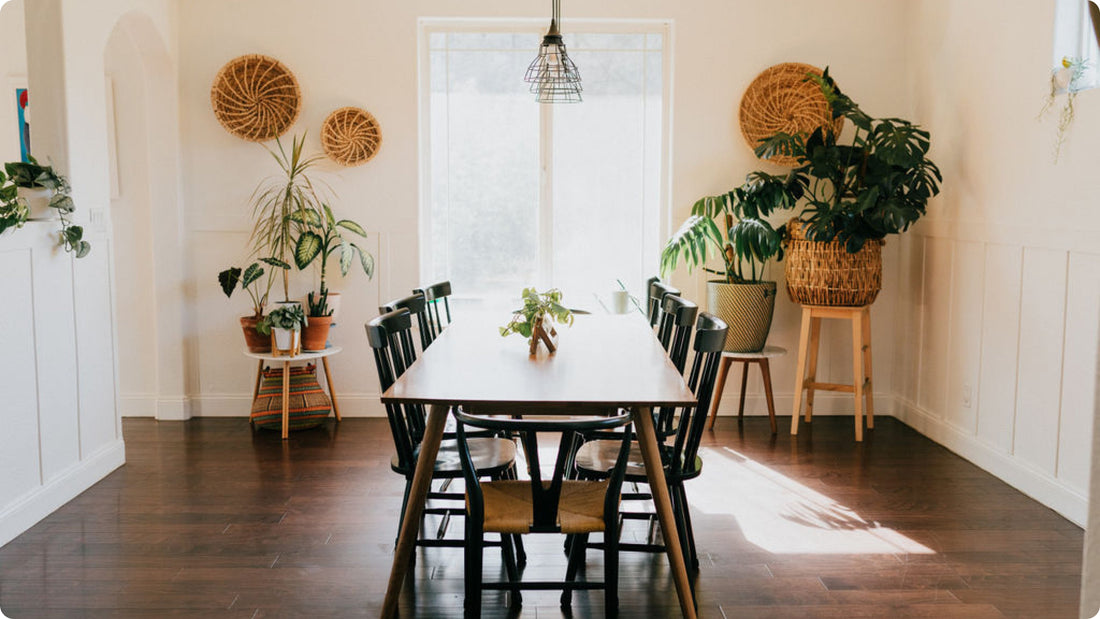
Houseplants can transform any living space into a cozy, inviting haven. But if you're a pet owner, you might find yourself asking, "Is this plant safe for my furry friend?" One plant that often comes up in these discussions is the Satin Pothos. With its beautiful, velvety leaves, it’s a popular choice. However, is it safe for your pets?
In this article, we'll explore whether Satin Pothos is pet-friendly. Along the way, we'll dive into some tips for keeping both your plants and pets happy, and share some design ideas for incorporating houseplants safely into your home. So, let's get started!
Understanding Satin Pothos
Satin Pothos, also known as Scindapsus pictus, is a stunning plant with heart-shaped leaves speckled with silver. It's a favorite among plant lovers due to its easy-going nature and ability to thrive in various lighting conditions. This plant is often confused with the common pothos, but they are actually different species. While they share a similar appearance, Satin Pothos is typically recognized by its more matte and textured leaves.
This plant is not just about good looks; it's also quite resilient. Satin Pothos can tolerate a range of environments, making it an excellent choice for both novice and experienced plant parents. However, there's one crucial detail to note: Satin Pothos is considered toxic to pets. The plant contains calcium oxalate crystals, which can cause irritation and discomfort if ingested by cats or dogs.
Despite its toxic nature, many pet owners still choose to keep Satin Pothos in their homes by taking precautions to ensure their pets stay safe. But what exactly does this entail? Let's explore some strategies to keep both your plants and pets out of harm's way.
Pet Safety and Satin Pothos
While Satin Pothos is not deadly, it can cause significant discomfort to pets if ingested. Symptoms of ingestion include drooling, vomiting, and difficulty swallowing. If you suspect your pet has eaten part of a Satin Pothos, it's best to consult a veterinarian immediately.
To keep your pets safe, consider the following:
- Placement: Put the plant in a location that's out of reach for your pets. High shelves, hanging planters, and wall-mounted pots are great options.
- Training: Train your pets to stay away from plants. This can be done through positive reinforcement techniques or using deterrents like citrus peels or specially formulated sprays.
- Supervision: Keep an eye on your pets when they're near your plants. This not only protects your pets but also prevents plant damage.
Interestingly enough, many pet owners report that their animals tend to leave Satin Pothos alone. Still, it's better to be safe than sorry, especially if your pet is known for being curious or mischievous.
Designing a Pet-Friendly Plant Space
Creating a home that's both pet and plant-friendly might seem like a challenge, but with a bit of creativity, it's entirely doable. The key is to design your space in a way that meets the needs of both your plants and your pets.
Here are some ideas to get you started:
- Vertical Gardens: Utilize vertical space by installing wall planters or vertical garden systems. This keeps plants away from pets while adding a unique design element to your home.
- Hanging Planters: Hanging planters are not only stylish but also functional. They keep plants out of your pets' reach and can be arranged to create a beautiful cascading effect.
- Plant Stands: Elevate your plants with decorative stands. Choose stands with multiple tiers to add height and dimension to your plant collection.
Incorporating these design elements allows you to enjoy your plants without compromising your pets' safety. Plus, it can add a touch of elegance and charm to your living space.
The Importance of Lighting for Satin Pothos
Like many houseplants, Satin Pothos thrives in bright, indirect light. Too much direct sunlight can scorch its leaves, while too little light can cause the plant to become leggy with sparse foliage. Finding the right balance is crucial for a healthy plant.
If you're positioning your Satin Pothos out of reach from pets, you might need to get creative with lighting. Consider these options:
- Use Sheer Curtains: If your plant is near a window that receives direct sunlight, sheer curtains can diffuse the light, providing the perfect environment for your Satin Pothos.
- Artificial Lighting: If natural light is limited, consider using grow lights. These can be placed strategically to ensure your plant gets enough light without being accessible to pets.
- Rotate the Plant: Regularly rotating your plant ensures all sides receive adequate light, promoting even growth.
By carefully managing the lighting conditions, you can create a thriving environment for your Satin Pothos, even in a pet-safe setup.
Watering and Care Tips
One of the reasons Satin Pothos is a popular choice is its low-maintenance nature. However, understanding its watering needs is crucial to avoid overwatering, which can lead to root rot.
Here are some watering tips for your Satin Pothos:
- Check Soil Moisture: Before watering, check the soil's top inch. If it's dry, it's time to water. If it's still moist, hold off for a few days.
- Drainage: Ensure your pot has drainage holes to prevent water from sitting at the bottom, which can cause root rot.
- Water Less in Winter: Satin Pothos grows slower in winter, so it requires less water. Adjust your watering schedule accordingly.
With these tips, you can keep your Satin Pothos looking lush and healthy without worrying about overwatering.
Common Pests and Problems
Even the hardiest plants can face pest problems. Satin Pothos is generally resistant to pests, but it can occasionally fall prey to spider mites and mealybugs.
Here's how to deal with these common pests:
- Spider Mites: These tiny pests can cause webbing on leaves. To combat them, regularly mist your plant or wipe the leaves with a damp cloth. In severe cases, consider using insecticidal soap.
- Mealybugs: These appear as white, cottony spots on leaves. Remove them manually with a cotton swab dipped in alcohol or treat the plant with neem oil.
Regularly inspecting your plant and addressing issues promptly can prevent pests from becoming a bigger problem. Additionally, keeping your plant healthy through proper watering and lighting can make it less susceptible to infestations.
Non-Toxic Alternatives to Satin Pothos
If you're concerned about the safety of your pets, you might consider choosing non-toxic plants instead. Fortunately, there are plenty of beautiful options that are safe for both cats and dogs.
Some pet-friendly alternatives include:
- Spider Plant: Known for its air-purifying qualities and easy care, the spider plant is a great choice for pet owners.
- Boston Fern: This lush, green plant adds a touch of elegance and is safe for pets.
- Prayer Plant: With its unique, patterned leaves, the prayer plant is both attractive and non-toxic to pets.
These alternatives can provide the aesthetic appeal you’re looking for without the worry of pet toxicity. Plus, they can easily complement your existing plant collection.
Creating a Safe Plant Environment
Your home should be a haven for both your plants and pets. By taking a few precautionary measures, you can create an environment where both can flourish.
Consider these strategies:
- Research Before Buying: Before bringing a new plant home, check its toxicity level to ensure it's safe for your pets.
- Pet Deterrents: Use pet-safe deterrents to keep curious pets away from plants. These can include motion-activated sprays or natural deterrents like citrus scents.
- Secure Plants: Ensure pots are stable and won’t easily tip over if your pet nudges them.
By being proactive, you can enjoy a harmonious home where your pets and plants coexist peacefully.
Final Thoughts
While Satin Pothos is not the most pet-friendly plant, with a bit of planning, you can still enjoy its beauty in your home. By keeping it out of reach and considering alternative pet-safe plants, you can create a space that's welcoming for both your plants and pets.
At Cafe Planta, we’re here to help you nurture your plant family. If you have questions or need advice, feel free to email us or reach out via our Instagram. We believe in the power of plants to connect people with nature, and we’re thrilled to support you on your plant journey.

















