
Are Spiderworts Pet Friendly?
Cafe Planta Team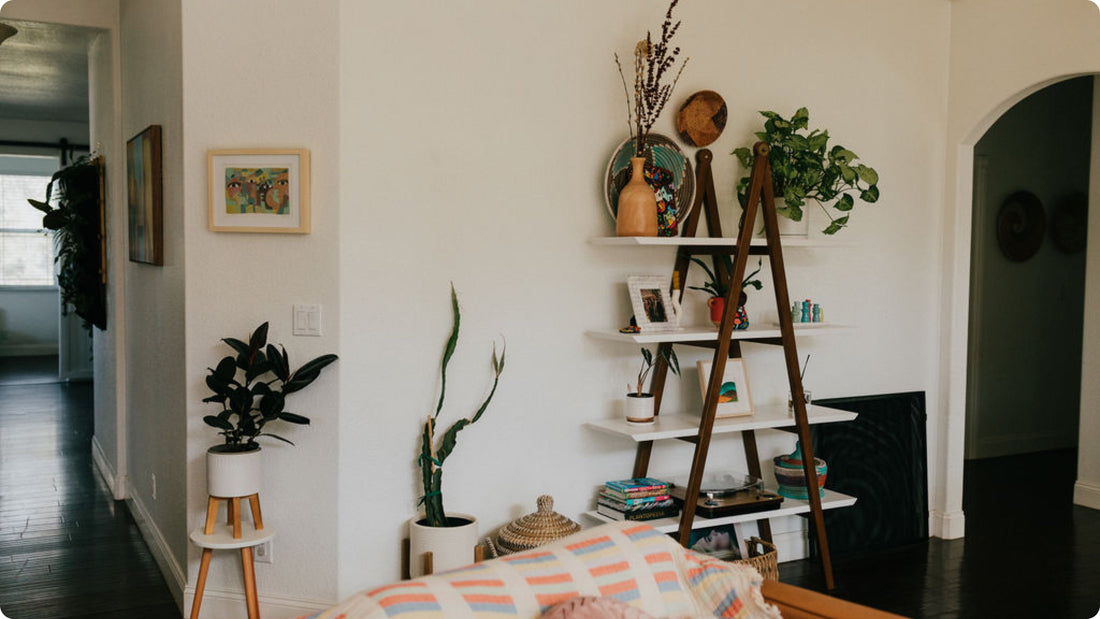
Ah, the Spiderwort—an intriguing name for an equally intriguing plant. If you’ve ever found yourself captivated by its vibrant colors and graceful leaves, you're not alone. These charming plants have found their way into many homes, but when it comes to sharing that space with our furry friends, there's an important question to consider: Are spiderworts pet friendly?
In this article, we’ll take a look at how spiderworts interact with pets, their care needs, some common challenges, and how you can incorporate them into your home decor. Let's get started on this journey to better understand spiderworts and their place in a pet-friendly home.
Understanding Spiderworts
Spiderworts, also known by their scientific name Tradescantia, are a group of plants that are adored for their striking foliage and vibrant flowers. They come in various types, each with their own unique beauty. From the deep purple hues of the Tradescantia pallida to the more common Tradescantia zebrina with its characteristic striped leaves, there's a spiderwort for every plant lover.
These plants are native to the Americas, thriving in both wild and cultivated environments. They are incredibly versatile, growing well indoors as houseplants and outdoors in gardens. Their trailing growth habit makes them ideal for hanging baskets or as ground cover in shaded areas.
What's truly fascinating about spiderworts is their resilience. They are relatively easy to care for, thriving in a range of lighting conditions from bright, indirect light to partial shade. This makes them a perfect choice for both seasoned plant parents and those just starting out.
Are Spiderworts Toxic to Pets?
One of the first things any pet owner considers when bringing a new plant home is its safety around pets. Spiderworts, unfortunately, are considered mildly toxic to both cats and dogs. This means that while they aren't deadly, they can cause some discomfort.
When ingested by pets, spiderworts can lead to mild symptoms such as:
- Skin irritation or rash
- Upset stomach
- Drooling
- Vomiting
These symptoms usually occur because of the sap in the plant, which can be a mild irritant. While this might sound alarming, it's worth noting that the severity of these reactions can vary from pet to pet. Some might experience no symptoms at all, while others could be more sensitive.
As a responsible pet owner, it's always best to err on the side of caution. If you notice your pet has nibbled on your spiderwort and is showing any signs of distress, it's a good idea to consult your veterinarian for advice.
Creating a Pet-Friendly Space with Spiderworts
Now, you might be thinking, "Should I just give up on spiderworts if I have pets?" Not necessarily! There are ways to enjoy these lovely plants without compromising your pet's safety.
Here are a few tips to help you create a pet-friendly space:
1. Strategic Placement
One of the simplest ways to keep spiderworts out of reach is by placing them in spots where your pets can't easily access them. Consider hanging baskets, high shelves, or wall planters. This not only keeps the plants safe but also adds a touch of greenery to spaces that might otherwise be out of reach.
2. Train Your Pets
Training your pets to avoid certain areas or objects in your home can be effective. Use positive reinforcement to teach them which areas are off-limits, and provide plenty of safe alternatives for them to explore.
3. Use Pet Deterrents
There are pet-safe deterrent sprays available that can be applied around your plants to discourage curious pets. These sprays have a scent that pets typically find unpleasant, but they are harmless to both plants and animals.
Caring for Your Spiderwort
Spiderworts are generally low-maintenance plants, but like any plant, they have specific care requirements. Here’s how to keep your spiderwort looking its best:
1. Light
Spiderworts thrive in bright, indirect light. While they can tolerate lower light conditions, their colors might not be as vibrant. If your plant is looking a bit lackluster, consider moving it closer to a light source.
2. Watering
Spiderworts prefer to be kept evenly moist, but they don't like sitting in water. Water them thoroughly, allowing the top inch of soil to dry out between waterings. Overwatering can lead to root rot, so make sure your pot has good drainage.
3. Temperature and Humidity
These plants do well in average household temperatures, ideally between 60-80°F (15-27°C). They also appreciate a bit of humidity, so consider placing a small humidifier nearby or misting them occasionally.
Dealing with Common Spiderwort Problems
Even the most resilient plants can face challenges. Here are some common issues you might encounter with spiderworts and how to resolve them:
1. Pests
Spiderworts can be susceptible to pests like spider mites, aphids, and mealybugs. Regularly inspect your plants and, if needed, treat them with insecticidal soap or neem oil to keep these pesky invaders at bay.
2. Leaf Browning
If you notice brown tips or edges on your spiderwort's leaves, it could be due to underwatering, low humidity, or too much direct sunlight. Adjust your care routine accordingly to remedy this issue.
3. Leggy Growth
Lack of adequate light can cause spiderworts to grow leggy and sparse. If this happens, move your plant to a brighter location and trim back any overgrown stems to encourage bushier growth.
Incorporating Spiderworts into Your Home Decor
Spiderworts are not just easy to care for—they also add a pop of color and texture to your home. Here are some ideas for incorporating them into your decor:
1. Hanging Baskets
Take advantage of spiderwort's trailing nature by placing them in hanging baskets. This not only keeps them out of reach from pets but also makes for a stunning visual display.
2. Wall Planters
Use wall-mounted planters to create a vertical garden effect. This is a great way to add greenery to smaller spaces or to turn an empty wall into a focal point.
3. Mixed Plant Arrangements
Combine spiderworts with other pet-friendly plants to create a lush, varied display. Their vibrant leaves can complement the textures and colors of other plants, making for a beautiful arrangement.
Balancing Plant and Pet Happiness
Maintaining a harmonious environment for both your plants and pets can be a rewarding challenge. It boils down to understanding the needs of both and finding creative solutions to potential conflicts.
Pets are naturally curious, and plants can be quite tempting. By offering your pets plenty of toys, attention, and enrichment, you can help divert their interest away from your plants. Likewise, keeping your plants healthy and strategically placed can ensure they're not a source of temptation.
Conclusion
Spiderworts are beautiful and versatile plants that can coexist with pets if managed carefully. With mindful placement and a little bit of training, you can create a space where both plants and pets can thrive.
Final Thoughts
In summary, while spiderworts can pose some risk to pets, with thoughtful planning, you can enjoy these vibrant plants safely in your home. Use strategic placement and training to keep your furry friends safe while adding a touch of green to your decor. If you have any questions about plant care or need help selecting the perfect plant for your space, Cafe Planta is here for you. We offer a wide variety of houseplants and plant care accessories to help you create a thriving plant collection. Feel free to reach out to us via email or send us a DM on Instagram for any plant-related inquiries. We believe in the power of plants to bring joy and connection to our lives, and we're excited to help you on your plant journey!

















