
Are Succulents Pet Friendly?
Cafe Planta Team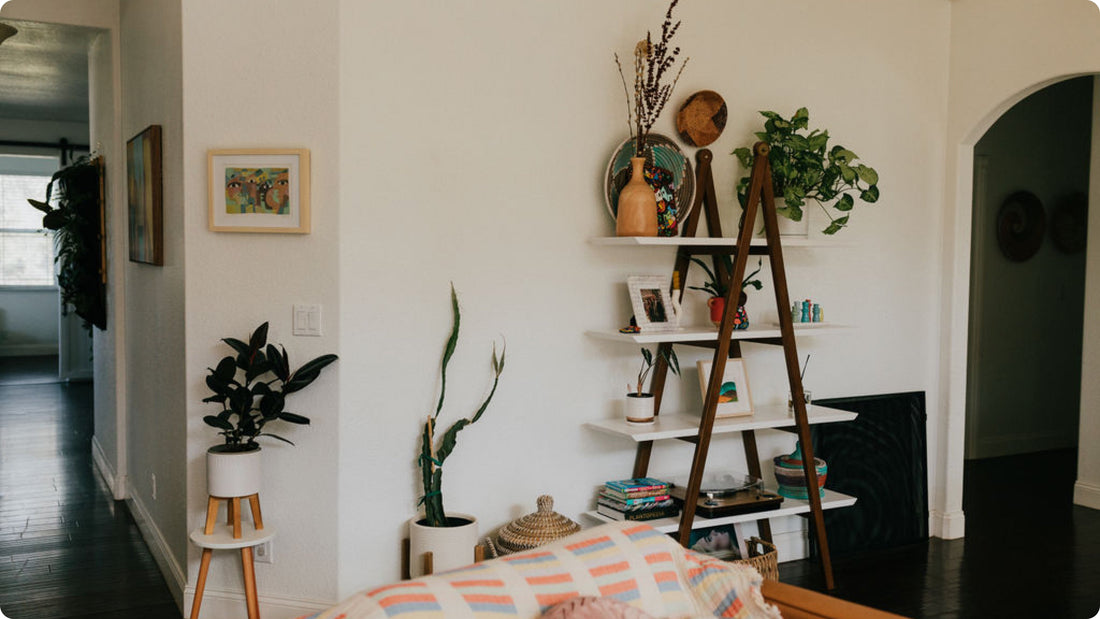
Succulents have gained a lot of popularity over the years. Their low-maintenance nature and exotic appearance make them perfect for both seasoned plant lovers and those just starting to explore the joys of indoor gardening. But, if you share your home with pets, you might wonder whether these beautiful plants are safe for your furry friends.
Today, we'll get into the details of which succulents are pet-friendly and which might not be the best choice for households with pets. We'll also offer some tips on how to keep your plants and pets safe and happy under the same roof.
Understanding Succulent Safety
When it comes to plants, not all are created equal, especially regarding pet safety. Some succulents are perfectly harmless, while others can pose a risk to your pets. It's crucial to know which ones can coexist peacefully with your cats and dogs.
First, let's talk about why some succulents are harmful. The main reason is that certain species contain compounds that can be toxic if ingested. Pets, particularly curious cats and dogs, might chew on plants, leading to potential health issues ranging from mild irritation to more severe symptoms like vomiting and diarrhea.
However, the good news is that not all succulents are harmful. There are plenty of options that are safe for both your pets and your home. It's all about choosing the right ones and ensuring your plants are placed in areas where your pets can't easily reach them.
Pet-Friendly Succulents
Let's start with the good news: there are several succulents that you can safely keep around pets. These options not only look great but also provide peace of mind that your furry companions won't get into trouble if they decide to nibble on them.
- Haworthia: This succulent is not only safe for pets, but it's also quite forgiving when it comes to care. Its rosette shape and small size make it a versatile addition to any home.
- Echeveria: Known for their beautiful rosette shapes in various colors, Echeverias are non-toxic to pets. They add an elegant touch to any interior space.
- Gasteria: With thick, tongue-shaped leaves, Gasterias are safe for pets and add an interesting texture to your plant collection.
- Sempervivum: Also known as "Hens and Chicks," these are not only pet-friendly but also incredibly easy to grow.
These options provide a variety of shapes and colors to suit any home decor style. Plus, they're all pretty low-maintenance, so you won't need to worry about them too much.
Succulents to Avoid Around Pets
Unfortunately, not all succulents are safe for pets. Some can cause health issues if ingested, so it's best to steer clear of these if you have curious pets in the house.
- Aloe Vera: While it's great for human skin, Aloe Vera is toxic to cats and dogs if ingested. It's best to keep this one out of reach or choose a different plant.
- Kalanchoe: Known for its colorful flowers, Kalanchoe can cause vomiting and diarrhea in pets.
- Euphorbia: This family includes several succulents, and many contain a milky sap that's irritating to pets and humans alike.
- Jade Plant (Crassula): Although popular, Jade Plants can cause vomiting, depression, and incoordination in pets.
If you love these plants but have pets, consider placing them in areas that are inaccessible to your furry friends, like hanging planters or behind protective barriers.
Tips for Keeping Pets Safe Around Succulents
Even if you choose pet-friendly succulents, you'll still want to ensure your pets aren't getting too curious with your plants. Here are some strategies to keep everyone safe and happy:
- Placement: Place your succulents in areas that are out of reach of your pets. High shelves, hanging planters, or rooms that your pets can't access are good options.
- Distraction: Provide plenty of toys and attention for your pets so they're less likely to find entertainment by nibbling on your plants.
- Training: Train your pets to stay away from plants. This might take some time, but consistent reinforcement can help.
- Barrier Methods: Use deterrents like citrus peels or pet-safe sprays around your plants to discourage your pets from approaching them.
Remember, every pet is different, so what works for one might not work for another. Be patient and try different methods to see what keeps your furry friends uninterested in your plants.
Designing a Pet-Friendly and Plant-Filled Space
Creating a home that's both pet-friendly and filled with plants is entirely possible with a bit of thoughtful planning. You don't have to choose between your love for plants and your love for pets.
Consider using vertical space to your advantage. Wall-mounted planters or shelves can create stunning displays without taking up floor space that pets might explore. This is especially helpful in smaller homes or apartments where space is at a premium.
Another option is to group your plants in a dedicated plant corner or area. You can use furniture or decorative barriers to keep pets away from this section. Plus, it creates a green oasis in your home that you can enjoy without worrying about your pets getting into trouble.
Understanding Pet Behavior with Plants
It's worth noting that not all pets are interested in plants. While some cats and dogs might be curious about the new green additions to your home, others might not pay them any attention.
If you notice your pet showing interest in your succulents, observe their behavior. Are they just sniffing around, or are they attempting to chew on the leaves? In the latter case, you might need to implement some of the safety strategies mentioned earlier.
For pets that love to chew, consider pet-friendly alternatives like cat grass or other pet-safe plants they can munch on without any risk. This can satisfy their chewing instincts and keep them away from your succulents.
Signs of Plant Poisoning in Pets
Even with the best precautions, accidents can happen. It's crucial to recognize the signs of plant poisoning in pets so you can act quickly if needed.
Common symptoms include:
- Vomiting or diarrhea
- Excessive drooling
- Lethargy or weakness
- Loss of appetite
- Difficulty breathing
If you notice any of these symptoms and suspect your pet has ingested a toxic plant, contact your veterinarian immediately. They can provide guidance on the next steps to take.
Creating a Safe Environment for All
Your home should be a safe haven for both your plants and pets. By carefully choosing pet-friendly succulents and taking steps to keep potentially harmful ones out of reach, you can create a harmonious environment for everyone.
Remember, it's not just about keeping your plants safe from pets, but also ensuring your pets are safe from any harmful plants. With a bit of planning and awareness, you can enjoy the best of both worlds.
Final Thoughts
Succulents can be a beautiful addition to any home, and with the right choices, they can coexist happily with your pets. By selecting pet-friendly varieties, placing plants out of reach, and understanding your pets' behavior, you can ensure a safe and harmonious living space.
At Cafe Planta, we offer a wide range of houseplants and accessories to help you create a stunning, pet-friendly home. If you have any questions or need advice on plant care, feel free to email us or reach out on our Instagram. We're here to help you on your plant journey and share our passion for plants with you!

















