
Here's What To Do About Sweetheart Plant Cold Damage
Cafe Planta Team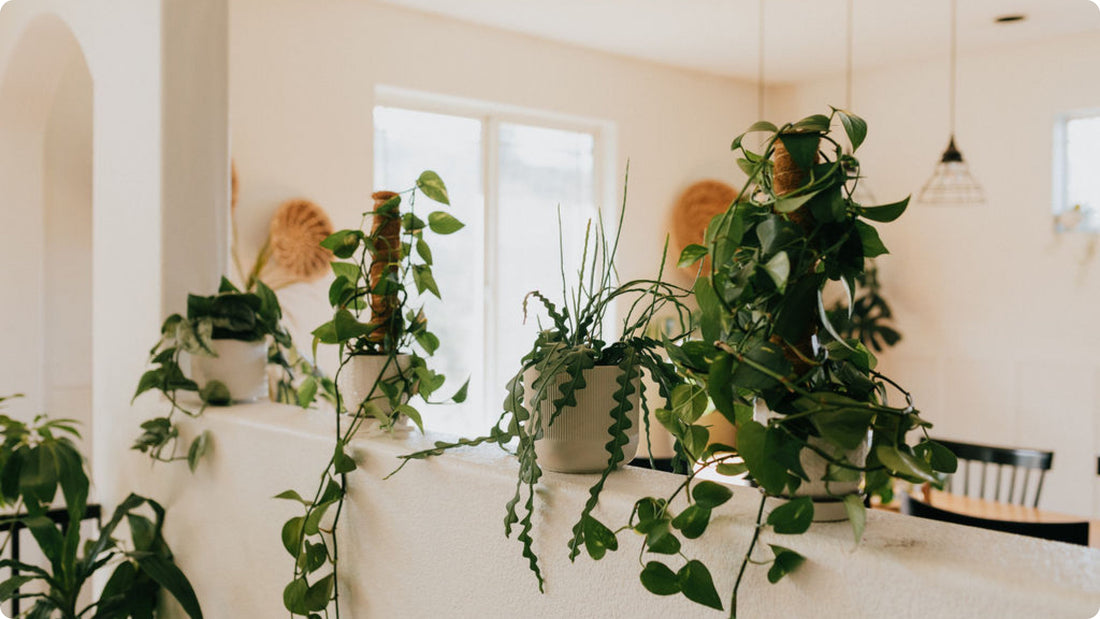
Sweetheart plants, also known as Hoya Kerrii, are a delightful addition to any home. With their heart-shaped leaves and easy-going nature, it’s no wonder they've captured the hearts of plant lovers everywhere. But what happens when your beloved sweetheart plant falls victim to cold damage? Fear not! We’re here to guide you through the steps needed to help your plant bounce back.
In this article, we’ll cover everything you need to know about identifying cold damage in sweetheart plants, how to treat it, and ways to prevent it in the future. We’ll also share some tips on how to incorporate these charming plants into your home decor for a touch of natural beauty. Let's get started!
Recognizing Cold Damage in Sweetheart Plants
The first step in addressing cold damage is being able to recognize it. Sweetheart plants are tropical in origin and prefer warmer temperatures, so when they’re exposed to cold, they can show signs of stress. Here’s what to look for:
- Leaf discoloration: One of the most common signs of cold damage is yellowing or browning of the leaves. If your plant’s leaves begin to change color, it’s a good indication they’ve been exposed to temperatures that are too low.
- Wilting or drooping: Cold temperatures can cause the plant’s leaves or stems to wilt or droop. This is the plant’s way of telling you it’s not happy with its current environment.
- Leaf drop: In more severe cases, the leaves may fall off completely. This is a sign that the plant is trying to conserve energy to survive.
If you notice any of these symptoms, your sweetheart plant may be suffering from cold damage. But don’t worry, there are plenty of steps you can take to nurse it back to health.
Immediate Steps to Take
Once you’ve identified cold damage, it’s important to act quickly. Here are some immediate steps you can take to help your plant recover:
Move to a Warmer Location
The first thing you should do is move your plant to a warmer spot. Ideally, choose a location with consistent temperatures between 60-80°F (15-27°C). Avoid placing the plant near drafty windows or doors, as these can expose it to further cold.
Check Soil and Adjust Watering
Cold damage can affect your plant’s roots. Check the soil to ensure it’s not too dry or too soggy. A sweetheart plant prefers well-draining soil that’s evenly moist. Adjust your watering schedule accordingly to prevent further stress.
Trim Damaged Leaves
Gently trim away any leaves that are severely damaged. This will help the plant direct its energy towards healthier parts and encourage new growth. Use clean, sharp scissors to make precise cuts.
Providing Extra Care and Attention
Beyond immediate actions, your sweetheart plant will need some extra TLC to fully recover. Here’s how to nurture your plant back to health over the coming weeks:
Increase Humidity
Sweetheart plants thrive in humid environments. If your home is dry, consider using a humidifier or misting your plant regularly. Alternatively, you can create a humidity tray by placing a shallow dish of water near the plant or using pebble trays under the plant’s pot.
Provide Indirect Light
While your plant is recovering, it’s important to provide it with the right amount of light. Sweetheart plants prefer bright, indirect light, so place them near a north or east-facing window. Avoid direct sunlight, as it can cause further stress.
Feed Sparingly
While it might be tempting to fertilize your plant to encourage growth, it’s best to hold off until you see signs of recovery. Once new growth appears, you can begin feeding your plant with a diluted, balanced fertilizer every 4-6 weeks during the growing season.
Preventing Future Cold Damage
Prevention is always better than cure, so let’s talk about how to protect your sweetheart plant from cold damage in the future:
- Monitor temperatures: Keep an eye on the weather forecast and move your plant away from cold drafts when temperatures drop.
- Use insulation: If your plant is near a window, consider using insulated curtains or window film to keep the cold out.
- Consider plant placement: Ensure your plant is in a location that stays warm year-round, avoiding spots near air conditioners or heaters.
By taking these steps, you can minimize the risk of cold damage and keep your sweetheart plant thriving.
Incorporating Sweetheart Plants into Your Home Decor
Now that you’re equipped with the knowledge to care for your sweetheart plant, let’s explore how to incorporate this charming plant into your home decor:
Use as a Focal Point
Sweetheart plants can make a great focal point in a room. Their unique heart-shaped leaves draw the eye, so consider placing them on a windowsill, shelf, or tabletop where they can be admired.
Pair with Complementary Plants
Pairing your sweetheart plant with other houseplants can create a lush, vibrant display. Consider grouping it with plants that have different leaf shapes and colors for visual interest.
Play with Containers
The container you choose can enhance the beauty of your sweetheart plant. Opt for pots with interesting textures or colors that complement your home’s decor. Hanging planters are also a fun option, allowing the plant to cascade and add dynamic movement to a space.
Understanding Seasonal Changes
Seasonal changes can affect your sweetheart plant in various ways, and it’s important to adapt your care routine accordingly:
Winter Care
During the colder months, your plant may go dormant or slow its growth. Reduce watering and avoid fertilizing, as the plant needs less energy and nutrients. Keep it in a warm spot and protect it from cold drafts.
Spring and Summer Revival
As temperatures rise, your plant will become more active. This is the time to increase watering and start fertilizing again. Ensure it gets plenty of indirect light to fuel its growth.
Fall Transition
In the fall, gradually reduce watering and feeding as the plant prepares for its winter dormancy. Monitor temperatures and adjust the plant’s location as needed to keep it cozy.
By understanding and adapting to these seasonal changes, you can ensure your sweetheart plant remains healthy and vibrant year-round.
Sweetheart Plant Myths and Misconceptions
There are a few myths and misconceptions about sweetheart plants that are worth addressing:
- Myth: Sweetheart plants are difficult to care for. Truth: While they have specific needs, they are relatively easy to care for with the right knowledge.
- Myth: They only grow in one shape. Truth: While the heart-shaped leaves are iconic, sweetheart plants can grow into full vines with proper care.
- Myth: They need constant direct sunlight. Truth: They thrive in bright, indirect light and can suffer in direct sunlight.
These plants are more versatile and resilient than they’re often given credit for, making them a fantastic choice for plant lovers at any level of experience.
Common Mistakes to Avoid
Even with the best intentions, it’s easy to make mistakes when caring for sweetheart plants. Here are some common pitfalls and how to avoid them:
- Overwatering: This is one of the most common mistakes. Make sure the soil is well-draining and only water when the top inch feels dry to the touch.
- Ignoring lighting needs: Ensure your plant is getting enough indirect light. If it’s too far from a light source, it might become leggy and weak.
- Neglecting temperature changes: Protect your plant from sudden temperature fluctuations, especially during seasonal transitions.
By being mindful of these potential issues, you’ll be well-equipped to keep your sweetheart plant healthy and happy.
Building a Plant Care Routine
Developing a consistent care routine is crucial for maintaining your sweetheart plant’s health:
Weekly Check-Ins
Set aside time each week to check on your plant. Look for signs of stress or pests, and adjust your care routine as needed.
Monthly Maintenance
Perform monthly maintenance tasks like cleaning the leaves, checking for root health, and rotating the plant to ensure even growth.
Adapt as Needed
Remember, plants are living organisms that can change over time. Be flexible and adapt your routine based on your plant’s current needs.
By establishing a regular care routine, you’ll be able to catch potential issues early and ensure your plant stays in top shape.
Final Thoughts
In summary, sweetheart plants are a delightful and rewarding addition to any home. Recognizing and addressing cold damage quickly can help your plant recover and thrive. With a little extra care and attention, you can prevent future issues and enjoy the beauty of this unique plant year-round.
If you’re looking for more ways to care for your plants, Cafe Planta offers a variety of houseplants and plant care accessories. We’d love to hear from you, so feel free to email us or DM us on Instagram. Whether you’re a seasoned plant parent or just starting out, we're here to help you grow a thriving plant collection at home.

















