
How To Grow Umbrella Plants With Hydroponics
Cafe Planta Team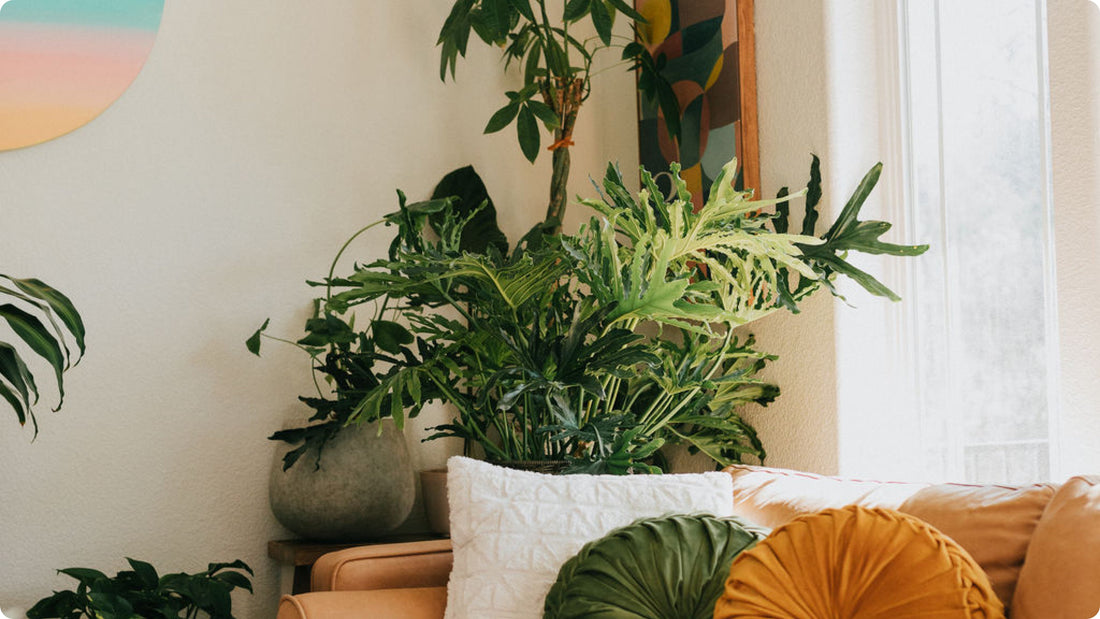
So, you've got an umbrella plant—or maybe you're thinking about getting one—and now you're curious about growing it with hydroponics. You're in the right place! Hydroponics is a fantastic way to grow plants without soil, and it's not as complicated as it sounds. In this article, we'll walk you through everything you need to know to get started with growing umbrella plants hydroponically.
We'll cover the basics of hydroponics, setting up your system, choosing the right nutrients, and ensuring your umbrella plant thrives in its new soilless environment. By the end, you'll feel confident in your ability to grow a healthy, happy umbrella plant using hydroponics. Let's get started!
Understanding Hydroponics: A Quick Primer
Hydroponics might sound like a high-tech gardening method, but at its core, it's simply the art of growing plants in water, using nutrient solutions instead of soil. The idea is to provide plants with everything they need directly through the water, allowing for faster growth and more efficient nutrient uptake. It's a bit like giving your plants a personal chef who cooks their meals exactly to their liking!
Several types of hydroponic systems exist, ranging from simple setups like the Kratky method to more complex systems like nutrient film technique (NFT) and aeroponics. For umbrella plants, a basic system such as Deep Water Culture (DWC) or wick system might be ideal due to their simplicity and ease of maintenance. In DWC, the plant roots are submerged in a nutrient solution with an air stone providing oxygen. A wick system uses a wick to draw the nutrient solution up to the plant roots. Both systems can be easily adapted for indoor use, making them perfect for home gardeners.
One of the biggest advantages of hydroponics is the control it offers. You can fine-tune the nutrient levels, pH, and light exposure to suit your plant's specific needs. This precision often leads to healthier, faster-growing plants. Plus, without soil, you eliminate many common pests and diseases, making plant care a bit more straightforward.
Setting Up Your Hydroponic System for Umbrella Plants
Now that you have a basic understanding of hydroponics, let's talk about setting up your system specifically for umbrella plants. First things first, you'll need to gather some supplies:
- A container or reservoir for your nutrient solution
- A net pot to hold your umbrella plant
- Hydroponic growing medium (like clay pebbles or rock wool)
- A water pump and air stone (for DWC systems)
- Nutrient solution specifically formulated for hydroponics
- A pH meter or test kit
Once you have your supplies, follow these steps to set up your system:
- Prepare the container: Fill your reservoir with water and add the nutrient solution according to the package instructions. Make sure the water level is high enough to reach the roots of your umbrella plant.
- Check the pH: Use your pH meter or test kit to ensure the pH of your nutrient solution is between 5.5 and 6.5, which is ideal for most hydroponic plants. You may need to adjust the pH with a pH up or down solution.
- Set up the net pot: Place your growing medium in the net pot and gently insert your umbrella plant. Make sure the roots are in contact with the nutrient solution.
- Install the air stone: If you're using a DWC system, place the air stone in the bottom of the reservoir and connect it to the air pump. This will provide oxygen to the roots.
That's it! With your system set up, you're ready to start growing. Remember to check the nutrient solution and pH levels regularly, and top up the water as needed. Your umbrella plant should start showing signs of growth within a few weeks.
Choosing the Right Nutrients
Nutrients are a crucial part of hydroponic gardening, and getting them right can make all the difference for your umbrella plant. Unlike traditional soil gardening, where plants pull nutrients from the soil, hydroponics requires you to supply all the necessary nutrients through the water.
You'll want to choose a hydroponic nutrient solution that's well-balanced and specifically formulated for leafy green plants, as umbrella plants fall into this category. Most hydroponic stores offer nutrient solutions that contain the essential macronutrients—nitrogen (N), phosphorus (P), and potassium (K)—as well as a host of micronutrients like calcium, magnesium, and iron.
Here are a few tips for managing nutrients in your hydroponic system:
- Start with a balanced formula: Look for nutrient solutions labeled as "general-purpose" or "vegetative" for a good starting point.
- Monitor nutrient levels: Over time, you'll get a sense of how much your plant consumes. It's important to replenish nutrients regularly to avoid deficiencies.
- Consider supplements: If your umbrella plant shows signs of specific nutrient deficiencies (like yellowing leaves), you might need to add additional micronutrients or switch to a more specialized formula.
Remember, the nutrient needs of your umbrella plant may change as it grows. Be prepared to adjust your nutrient solution to keep your plant healthy and thriving.
Lighting: Shedding Light on Your Plant's Needs
Lighting is another critical factor for growing umbrella plants hydroponically. While these plants can tolerate lower light levels, they do best with bright, indirect light. If you're growing your umbrella plant indoors, you might need to supplement natural light with artificial sources to ensure it gets enough light to thrive.
Here are some options for lighting your hydroponic umbrella plant:
- Fluorescent lights: These are a popular choice for indoor gardeners because they're energy-efficient and provide a broad spectrum of light. They're especially good for seedlings and young plants.
- LED grow lights: LEDs are a bit more expensive upfront, but they last longer and are very energy-efficient. They can be tailored to emit specific wavelengths of light, which can be handy for optimizing growth.
- Natural light: If you have a bright, sunny spot in your home, your umbrella plant might do just fine with natural light. Just be sure to rotate the plant occasionally so all sides receive equal light exposure.
Aim to provide about 12-16 hours of light per day for your umbrella plant. If you're using artificial lights, a timer can be helpful to ensure consistent light exposure. Keep an eye on your plant's growth and adjust the light distance and duration as needed.
Monitoring and Adjusting pH Levels
Keeping your nutrient solution at the right pH is vital in hydroponics. The pH scale ranges from 0 to 14, with 7 being neutral. Most hydroponic plants, including umbrella plants, prefer a slightly acidic pH between 5.5 and 6.5.
Here's how to monitor and adjust pH levels:
- Test the pH regularly: Use a pH meter or testing kit to check the pH of your nutrient solution at least once a week. It's a quick process that can prevent many potential issues.
- Adjust as necessary: If the pH is too high (alkaline), you can lower it with a pH down solution. Conversely, if it's too low (acidic), a pH up solution will bring it back into the desired range.
- Keep records: Maintaining a log of your pH levels and adjustments can help you spot trends and anticipate future changes. It's like keeping a plant diary!
Consistent monitoring and adjustments ensure your umbrella plant has the optimal conditions for nutrient uptake, leading to healthier growth.
Maintaining Your Hydroponic System
While hydroponics can initially seem like a lot to manage, maintaining your system becomes second nature with a little practice. Here are some routine tasks to keep your umbrella plant's hydroponic setup in top shape:
- Check water levels: Ensure your reservoir has enough water to keep the roots submerged. Top up as needed, especially during warm weather when evaporation rates can increase.
- Clean the system: Every few weeks, clean your reservoir, net pots, and other components to prevent algae and mineral buildup. A simple rinse with water and a mild bleach solution can do the trick.
- Inspect plant health: Regularly check your umbrella plant for signs of stress, pests, or disease. Address any issues promptly to prevent them from escalating.
With regular maintenance, your hydroponic system will stay clean, efficient, and ready to support your umbrella plant's growth.
Troubleshooting Common Hydroponic Issues
Even with the best care, you might encounter a few hiccups in your hydroponic journey. Fortunately, many common issues have straightforward solutions:
- Yellowing leaves: This could indicate a nutrient deficiency or pH imbalance. Check your nutrient levels and pH, and adjust as needed.
- Root rot: If your plant's roots are brown and mushy, it's likely a sign of overwatering or poor oxygenation. Ensure your air stone is functioning properly, and consider reducing the water level slightly.
- Algae growth: Algae thrives in light, so if you notice it in your reservoir, try reducing light exposure to the water or covering the reservoir to block light.
By staying vigilant and addressing issues promptly, you can keep your umbrella plant healthy and happy in its hydroponic home.
Integrating Your Hydroponic Setup into Your Home
One of the joys of hydroponics is how adaptable it is to different living spaces. Whether you're in a small apartment or a spacious house, there's a way to make your hydroponic setup a seamless part of your home environment.
Consider the following ideas to integrate your system:
- Choose attractive containers: Opt for stylish or decorative containers that complement your home decor. This way, your hydroponic system can be a design element rather than an eyesore.
- Find the right spot: Place your system in a well-lit area that gets plenty of natural light. A windowsill or sunroom is ideal, but if that's not an option, supplement with artificial lighting.
- Incorporate other plants: Surround your hydroponic setup with other plants to create a lush indoor garden. This can also help create a microclimate that benefits all your plants.
With a little creativity, your hydroponic system can be both functional and beautiful, enhancing your home's aesthetic appeal.
Final Thoughts
Growing an umbrella plant with hydroponics is a fantastic way to enjoy the beauty of this plant while embracing a modern gardening technique. By setting up a system, choosing the right nutrients, and maintaining optimal conditions, you can nurture a thriving plant and enjoy the process along the way.
At Cafe Planta, we're passionate about plants and plant care. Whether you're looking for new houseplants, care accessories, or just some advice, we're here to help. Feel free to reach out via email or send us a message on Instagram. We love connecting with fellow plant lovers and sharing our passion for all things green!

















