
Are Variegated Spider Plants Pet Friendly?
Cafe Planta Team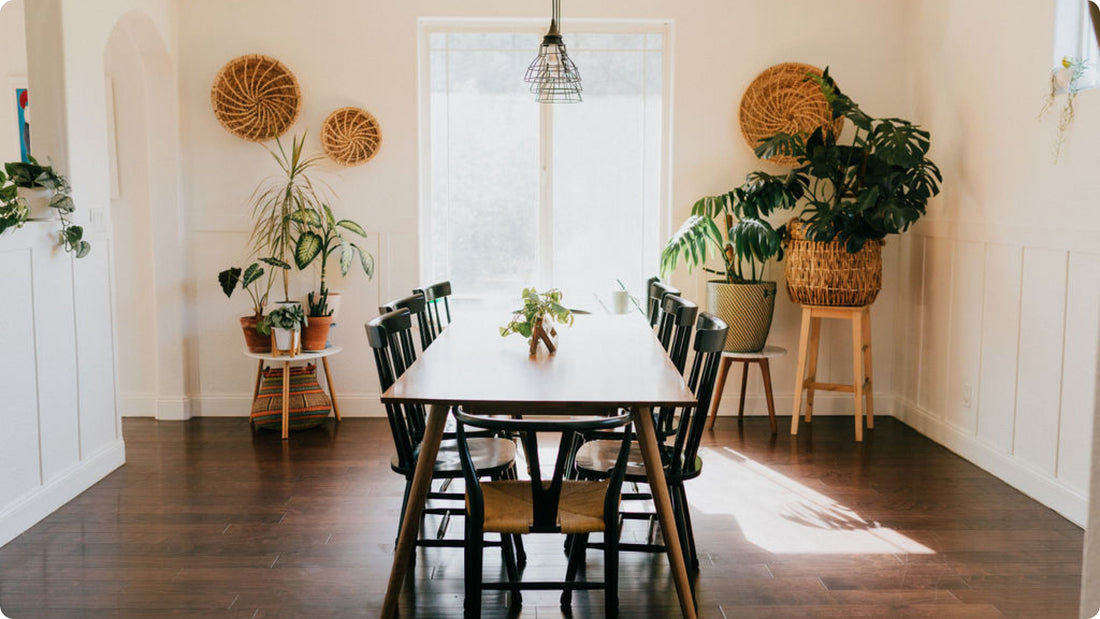
Plants have this magical way of transforming spaces, don't they? You bring one home, and suddenly, your living room feels like a cozy sanctuary. Among the favorite picks for many plant lovers is the variegated spider plant, known for its striking green and white striped leaves that add instant charm to any room.
But if you're a pet parent too, you might be wondering, "Are variegated spider plants safe for my furry friends?" In this article, we'll explore this question and more. We'll cover everything from the plant's safety for pets and humans to tips on caring for your spider plant and even how to incorporate it beautifully into your home decor.
Are Variegated Spider Plants Safe for Pets?
First things first, let's address the burning question: Are variegated spider plants pet-friendly? The good news is yes; they are considered safe for pets. According to the American Society for the Prevention of Cruelty to Animals (ASPCA), spider plants are non-toxic to cats and dogs. This means if your curious kitty or playful pup decides to take a nibble, it shouldn't cause any significant harm.
However, there's a small catch. Some pets might experience mild digestive upset if they consume a large amount of the plant. You might notice some vomiting or diarrhea, but these symptoms are generally mild and resolve quickly. It's always a good idea to monitor your pet if you suspect they've eaten part of your plant.
Interestingly enough, spider plants can have a mild hallucinogenic effect on cats, similar to catnip. This is due to certain compounds in the plant that can make your feline friend feel a little extra frisky or playful after nibbling on it. While this isn't harmful, it might be something to keep in mind if you notice your cat acting a bit more energetic than usual.
Understanding the Variegated Spider Plant
Now that the safety concerns are out of the way, let's chat a bit about what makes the variegated spider plant so special. Scientifically known as Chlorophytum comosum, this plant is adored for its ease of care and ability to thrive in various environments, making it ideal for both beginners and seasoned plant parents.
What sets the variegated variety apart is its beautiful green leaves with white or yellow stripes. These stripes add a pop of contrast and brighten up any space, making it a popular choice for interior decor. Plus, spider plants are known for their air-purifying qualities. They can help remove pollutants like formaldehyde and xylene from the air, contributing to a healthier indoor environment.
Spider plants are also quite forgiving. They can tolerate a bit of neglect, so if you occasionally forget to water them or if they don't get enough sunlight, they won't hold it against you. This resilience makes them perfect for anyone who's still finding their green thumb.
Basic Care Tips for Variegated Spider Plants
Taking care of a variegated spider plant is straightforward, which is one of the reasons it's such a popular choice. Here are some basic care tips to keep your plant happy and thriving:
- Light: Spider plants prefer bright, indirect light. They can tolerate lower light conditions, but you might notice the leaf stripes becoming less pronounced. Avoid direct sunlight, which can scorch the leaves.
- Water: Keep the soil slightly moist but not soggy. Water your spider plant when the top inch of soil feels dry. Overwatering can lead to root rot, so it's better to err on the side of underwatering.
- Humidity: These plants thrive in average humidity levels. If the air in your home is particularly dry, consider misting the leaves occasionally.
- Soil: Use well-draining potting soil. A standard potting mix works well, or you can create your mix with equal parts peat, perlite, and coarse sand.
- Fertilizer: Feed your spider plant with a balanced liquid fertilizer every month during the growing season (spring and summer). Reduce feeding in the fall and winter when growth slows.
With these simple tips, your variegated spider plant should flourish, providing fresh foliage and a touch of nature to your home.
Dealing with Common Spider Plant Problems
Even though spider plants are hardy, they can occasionally face a few issues. Here are some common problems and how to solve them:
Brown Leaf Tips
Brown tips on the leaves are a frequent issue and can be caused by several factors:
- Overwatering or underwatering: Ensure you’re watering correctly, as inconsistent watering can stress the plant.
- Fluoride in water: Spider plants can be sensitive to fluoride, which is found in tap water. Try using distilled water or let tap water sit out overnight before using it.
- Low humidity: Increase humidity around the plant by misting or using a humidifier.
Pests
Spider plants can occasionally attract pests like aphids, spider mites, or mealybugs. If you notice any, here's what you can do:
- Remove pests manually: Use a damp cloth to wipe off pests or gently spray the plant with water to dislodge them.
- Use insecticidal soap or neem oil: These are safe options to treat infestations. Follow the instructions carefully to avoid damaging the plant.
By keeping an eye out for these issues and addressing them promptly, you can ensure your spider plant stays healthy and vibrant.
Incorporating Spider Plants into Your Home Decor
Variegated spider plants are not just easy to care for, but they’re also incredibly versatile in home decor. Here are some creative ways to include them in your space:
- Hanging Baskets: The arching leaves of spider plants look stunning in hanging baskets. Place them near a window for a cascading effect that draws the eye upwards.
- Bookshelves or Cabinets: Use spider plants to add greenery to shelves or the tops of cabinets. Their trailing habit softens hard lines and adds a touch of nature.
- Bathroom Buddies: Spider plants thrive in humid conditions, making them perfect for bathrooms. Plus, their air-purifying abilities are a bonus in these often-closed spaces.
- Table Centerpieces: A small spider plant in a decorative pot can make a lovely centerpiece on a coffee table or dining table, adding a fresh and lively touch.
Whether you prefer a minimalist look or a lush, jungle vibe, spider plants can fit seamlessly into any decor style.
Propagating Your Spider Plant
One of the joys of owning a spider plant is how easily they propagate. As your plant matures, it will produce "babies" or plantlets on long stems. Here's how you can propagate these plantlets:
- Wait for maturity: Allow the plantlets to grow until they're about 2-3 inches long and have their roots.
- Cut and plant: Use clean scissors to cut the plantlet from the stem. Plant it in a small pot with fresh potting soil.
- Water and wait: Keep the soil moist but not soggy. In a few weeks, you'll see new growth, indicating that the plantlet has rooted.
Propagating spider plants is a fun and rewarding way to expand your collection or share with friends. Plus, it gives you a chance to experiment with different pot styles and placements.
Choosing the Right Pot for Your Spider Plant
Picking the right pot for your variegated spider plant is more than just aesthetics; it’s about functionality too. Here’s what to consider when choosing a pot:
- Size: Spider plants like being slightly root-bound, so choose a pot that’s only a bit larger than the current root ball.
- Material: Terracotta pots are a great choice as they wick away excess moisture, preventing overwatering. However, plastic or ceramic pots can work well if you’re careful with watering.
- Drainage: Always ensure the pot has drainage holes to prevent water from pooling at the bottom, which can lead to root rot.
A good pot can complement your plant and your decor, providing a stable environment for your spider plant to thrive.
Creating a Plant-Friendly Home
Having a pet-friendly home doesn't mean you have to compromise on your love for plants. Here are some tips to keep both your plants and pets happy:
- Placement: Place plants out of reach of curious pets. Hanging baskets or high shelves work well for both aesthetics and safety.
- Pet deterrents: Use pet-safe deterrents or sprays to discourage pets from chewing on plants.
- Provide alternatives: Ensure your pets have plenty of toys and activities to keep them occupied, reducing their interest in your plants.
With a little planning, you can create a harmonious space where your plants and pets coexist beautifully.
Benefits of Having Plants in Your Home
Besides their beauty, plants offer numerous benefits for your home and well-being:
- Air Purification: Many plants, including spider plants, remove toxins from the air, promoting a healthier indoor environment.
- Stress Relief: Caring for plants can be a relaxing hobby that reduces stress and increases feelings of well-being.
- Improved Focus: Studies have shown that being around plants can improve concentration and productivity, making them great additions to home offices.
- Natural Decor: Plants add life and color to your home, enhancing the overall decor and making spaces feel more inviting.
Incorporating plants into your home not only beautifies your space but also contributes to a healthier, more balanced lifestyle.
Final Thoughts
Variegated spider plants are a fantastic addition to any home, offering beauty and benefits without posing a threat to your furry friends. With their easy care requirements and versatile decor potential, it's no wonder they're a favorite among plant parents.
At Cafe Planta, we love helping you find the perfect plants for your home. Whether you're looking for something to beautify your space or need tips on plant care, we're here to help. Feel free to email us or reach out on Instagram. Let's grow together and create beautiful, thriving plant collections that enrich our lives.

















