
Are Velvet Plants Pet Friendly?
Cafe Planta Team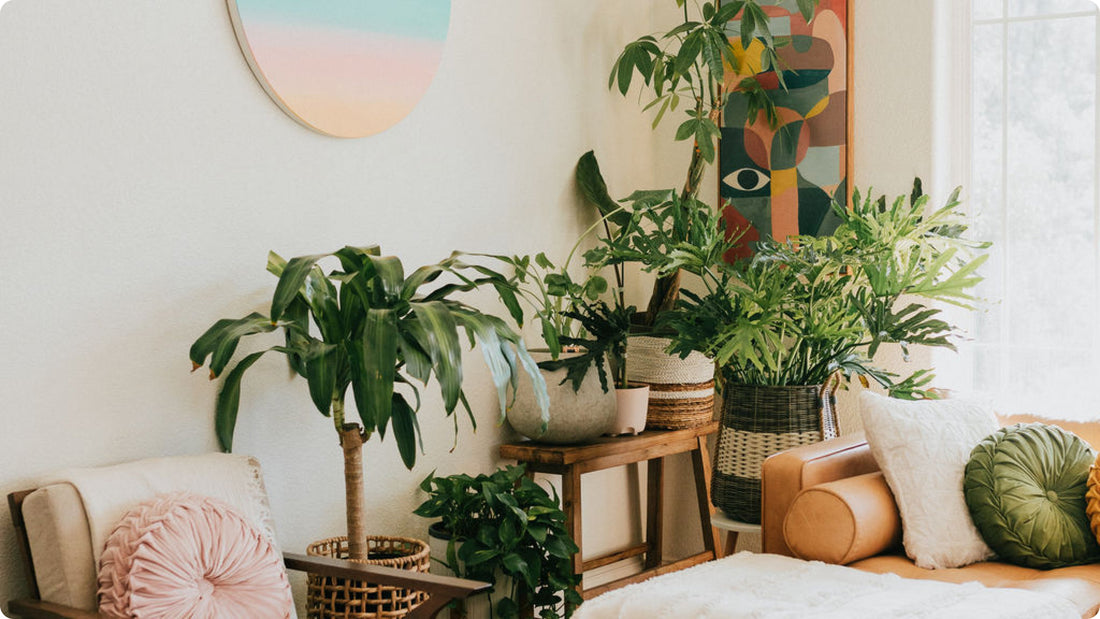
Velvet plants, with their soft and fuzzy leaves, are a favorite among houseplant lovers. Their unique texture and vibrant colors make them a striking addition to any indoor space. However, if you're a pet owner, you might be asking yourself whether these attractive plants are safe for your furry friends.
In this article, we'll discuss whether velvet plants are pet-friendly, provide tips on how to keep your pets safe around houseplants, and offer advice on integrating these plants into your home decor. We'll also explore other pet-friendly alternatives if the velvet plant doesn't fit your household's needs. Let's get into it!
Understanding the Velvet Plant
Before we delve into the pet-friendliness of velvet plants, let's talk a bit about what makes these plants so special. Velvet plants, scientifically known as Gynura aurantiaca, are popular for their vibrant purple leaves, covered in tiny hairs that give them a velvety appearance. Native to Southeast Asia, these plants thrive in warm, humid conditions, making them perfect for indoor growth.
Velvet plants are relatively easy to care for, which is a bonus for those who may not have the greenest thumbs. They prefer bright, indirect light and should be kept in well-draining soil. Watering can be a bit tricky, as they like it moist but not soggy — a good rule of thumb is to let the top inch of soil dry out between waterings.
With their eye-catching foliage, velvet plants can be a fantastic centerpiece in your living room or a colorful addition to your plant shelf. But how do they fare when it comes to living with pets? Let's explore this important consideration.
Are Velvet Plants Safe for Pets?
The safety of your pets is, of course, a top priority. When it comes to velvet plants, there's some good news and some cautionary tales. Velvet plants are not considered highly toxic to pets like cats and dogs, but they can still cause some issues if ingested.
If your pet nibbles on a velvet plant, they might experience mild gastrointestinal upset, such as vomiting or diarrhea. This is generally not life-threatening but can certainly be uncomfortable for your pet. The fuzzy texture of the leaves might also irritate a pet's mouth or throat.
It's worth noting that every pet is different. Some might have stronger reactions than others, and some pets might show no interest in your plants at all. If you do notice any signs of distress in your pet after they've been around your velvet plant, it's always a good idea to consult with your veterinarian.
Tips for Keeping Pets Safe Around Velvet Plants
Even though velvet plants aren't highly toxic, it's a good idea to take some precautions to keep your pets safe. Here are a few tips to help you manage your indoor garden while keeping your furry friends out of harm's way:
- Placement is key: Place your velvet plants out of reach of curious pets. High shelves, hanging planters, or window sills that are hard for pets to access can be great options.
- Create barriers: If you have floor plants, consider using decorative fencing or plant stands to create a barrier that pets can't easily cross.
- Train your pets: Training your pets to avoid plants can be effective. Use positive reinforcement to encourage them to stay away from your indoor garden.
- Use deterrents: Some pet owners find success using natural deterrents like citrus peels or pet-safe sprays that discourage pets from approaching plants.
These strategies can help ensure that your pets and plants coexist peacefully in your home.
Alternatives to Velvet Plants for Pet-Friendly Homes
If you're not quite convinced about keeping a velvet plant around your pets, there are plenty of other pet-friendly houseplants to consider. Here are a few options that are both beautiful and safe for your furry companions:
- Spider Plant: Known for its air-purifying qualities and easy care, the spider plant is safe for pets and great for beginners.
- Boston Fern: This lush, green fern is non-toxic to pets and adds a touch of elegance to any space.
- Calathea: With its striking patterned leaves, calathea is a safe and attractive choice for pet owners.
- Areca Palm: This tropical beauty is non-toxic and can bring a bit of the outdoors inside.
These plants can provide the aesthetic appeal you desire while ensuring your pets remain safe.
Integrating Velvet Plants into Your Home Decor
If you've decided that a velvet plant is right for your home, you'll want to make sure it fits seamlessly into your decor. Velvet plants, with their striking purple leaves, can complement a variety of interior styles, from modern to bohemian.
Consider these decor tips to make the most of your velvet plant's unique look:
- Contrast with neutrals: The vibrant purple of the velvet plant pops against neutral backgrounds like white walls or wooden furniture.
- Create a plant corner: Group your velvet plant with other houseplants to create a lush, green corner that draws the eye.
- Use matching pots: Select pots that complement the color of the leaves, such as deep greens or metallics, to enhance the plant's appearance.
With a little creativity, your velvet plant can be more than just a plant — it can be a statement piece in your home.
Common Issues and How to Address Them
Like any houseplant, velvet plants can face a few common issues, but don't worry — most are easy to resolve with a bit of attention and care.
- Wilting leaves: This might indicate a watering issue. Check the soil moisture and adjust your watering schedule accordingly.
- Leaf drop: This can occur if the plant is exposed to cold drafts or sudden temperature changes. Keep your plant in a stable, warm environment.
- Pest problems: Velvet plants can attract pests like aphids or spider mites. Treat infestations with insecticidal soap or neem oil.
By keeping an eye on your plant and addressing issues as they arise, you'll help your velvet plant thrive.
Maintaining a Healthy Velvet Plant
To keep your velvet plant looking its best, regular maintenance is important. Here are some tips for ensuring your plant stays healthy and vibrant:
- Pruning: Trim any dead or damaged leaves to encourage new growth and maintain the plant's shape.
- Fertilizing: During the growing season, use a balanced liquid fertilizer every few weeks to provide your plant with essential nutrients.
- Repotting: Velvet plants generally need repotting every couple of years. Choose a pot that's slightly larger than the current one and use fresh potting mix.
With these simple steps, your velvet plant will continue to be a beautiful addition to your home.
Pet-Proofing Your Entire Plant Collection
If you're a pet owner with a growing plant collection, pet-proofing becomes even more important. Here are some general tips for keeping your entire plant family safe from curious pets:
- Identify toxic plants: Know which of your plants are potentially harmful and take extra precautions with those.
- Use plant stands: Elevate plants off the ground to keep them out of reach.
- Create a designated plant area: Designate a single room or area for your plants and install a baby gate to restrict pet access.
By taking these steps, you can enjoy a thriving plant collection without compromising your pets' safety.
Final Thoughts
Velvet plants, with their beautiful and unique appearance, can be a delightful addition to your home. While they are not highly toxic to pets, taking precautions can help ensure your furry friends stay safe. With the right placement and care, velvet plants can coexist happily with your pets.
At Cafe Planta, we believe in the power of plants to inspire and connect us. We offer a variety of houseplants, including pet-friendly options, along with everything you need to care for them. If you have questions, feel free to email us or reach out via Instagram. We're here to help you create a beautiful, thriving plant collection in your home.

















