
Are Whale Fin Snake Plants Pet Friendly?
Cafe Planta Team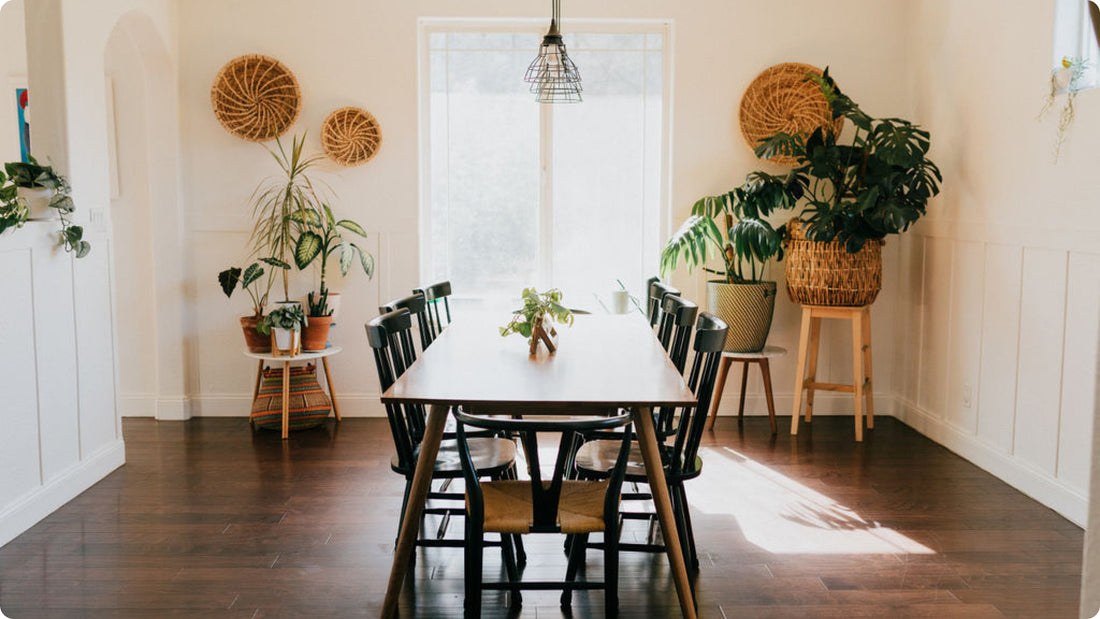
Isn't it wonderful how plants can transform our living spaces into vibrant, welcoming areas? The Whale Fin Snake Plant, with its striking, broad leaves, certainly makes a bold statement. However, as a plant parent who also happens to have furry friends at home, you might find yourself wondering if this plant is safe for them. So, are Whale Fin Snake Plants pet friendly? Let's dive into the details and find out.
This article will guide you through everything you need to know about Whale Fin Snake Plants and their compatibility with pets. We'll cover the potential risks, signs of toxicity, and offer practical advice on how to keep both your plants and pets safe. Additionally, we'll share tips on creating a harmonious home environment where plants and pets can coexist peacefully. Ready to get started? Let's explore this topic together.
Understanding the Whale Fin Snake Plant
The Whale Fin Snake Plant, or Sansevieria masoniana, is a striking plant known for its unique, paddle-shaped leaves. These leaves can grow up to three feet long, with a beautiful mottled pattern. Originally from Africa, this plant is part of the broader snake plant family, which is famous for its resilience and low-maintenance nature.
Snake plants, including the Whale Fin variety, are often recommended for new plant owners because they thrive in a range of conditions. They can tolerate low light and infrequent watering, making them a perfect choice for those with busy lifestyles or less-than-ideal indoor lighting. But while these plants are tough and easy to care for, there's an important aspect to consider if you share your home with pets.
Interestingly, the Whale Fin Snake Plant is not just a pretty face. It's known for its air-purifying qualities, as it can remove toxins like formaldehyde and benzene from the air. This makes it an excellent choice for improving indoor air quality. However, the same compounds that help purify the air can pose a risk to pets if ingested. Let's take a closer look at why this plant might not be the best companion for your furry friends.
Potential Risks for Pets
The main concern with Whale Fin Snake Plants and pets is toxicity. Like other snake plants, the Whale Fin contains saponins, which are natural compounds that can be harmful if ingested by pets. These compounds are present in the leaves and can cause gastrointestinal upset in animals.
If a pet, such as a cat or a dog, chews on or consumes part of a Whale Fin Snake Plant, they may experience symptoms like:
- Vomiting
- Diarrhea
- Nausea
- Lethargy
While the symptoms are usually mild and can resolve on their own, it's always a good idea to consult with a veterinarian if you suspect your pet has ingested the plant. In rare cases, more severe symptoms can occur, especially if a large amount has been eaten.
It's worth noting that pets have different levels of sensitivity to plant toxins. Some might nibble on a leaf and show no signs of distress, while others might have a more pronounced reaction. Therefore, it's crucial to monitor your pet's behavior and health if you have a Whale Fin Snake Plant in your home.
Signs of Toxicity to Watch For
As a pet owner, it's essential to be aware of the signs of plant toxicity. This awareness can help you act swiftly if your pet decides to snack on your Whale Fin Snake Plant. The symptoms of saponin toxicity can vary based on the amount ingested and the size and health of your pet. Here are some common signs to watch for:
- Gastrointestinal issues: Vomiting and diarrhea are the most frequent symptoms. They can range from mild to severe.
- Lethargy: Your pet might seem more tired than usual or less interested in their normal activities.
- Drooling: Excessive drooling can occur as a result of nausea or irritation in the mouth.
- Loss of appetite: Affected pets may refuse food and show a lack of interest in treats.
If you notice any of these symptoms, especially after suspecting plant ingestion, it's best to contact your veterinarian. They can provide guidance on whether your pet needs to be seen for further evaluation or treatment.
Preventing Pet-Plant Mishaps
Now that we understand the risks, let's talk about how to prevent any unfortunate mishaps. After all, it's entirely possible to enjoy the beauty of a Whale Fin Snake Plant while keeping your pets safe. Here are some practical tips:
- Placement: Keep the plant out of reach. High shelves or hanging baskets can be excellent options to keep the plant away from curious paws.
- Training: If your pet tends to chew on plants, consider training them to avoid certain areas or use deterrents like pet-safe sprays that discourage chewing.
- Distractions: Provide plenty of pet-safe toys and activities to keep your furry friend entertained and less likely to focus on your plants.
- Alternative plants: Consider choosing non-toxic plants for areas where your pet has access. There are many beautiful pet-friendly options available.
By implementing these strategies, you can minimize the risk of your pets munching on your Whale Fin Snake Plant and keep your home a safe haven for everyone.
Creating a Pet-Friendly Plant Space
Balancing a love for plants with pet ownership can be a bit of a juggling act, but it's definitely doable. The key is creating a space where both your plants and pets can thrive without issues. Here are some ideas to help you achieve that balance:
Designate Specific Zones
Consider designating specific areas in your home for plants and others for your pets. This can be as simple as a room divider or using furniture to create separate spaces. By doing this, you can ensure that plants like the Whale Fin Snake Plant are kept out of reach, while your pets have their own space to roam freely.
Incorporate Safe Plants
In areas where your pets have free access, incorporate pet-friendly plants. Some great options include:
- Spider Plant
- Bamboo Palm
- Boston Fern
- Calathea
These plants are not only safe for pets but also add to the aesthetic appeal of your home.
Use Creative Containers
Get creative with your plant containers. Wall planters, hanging pots, and vertical gardens are excellent ways to display plants like the Whale Fin Snake Plant without compromising on safety. These options not only add a unique touch to your decor but also keep plants out of your pet's reach.
By thoughtfully arranging your plants and using creative solutions, you can create a harmonious environment where your love for plants and your pets coexist peacefully.
Alternative Safe Plants for Pet Owners
If you're concerned about the safety of the Whale Fin Snake Plant around your pets, consider exploring other beautiful houseplants that are non-toxic. Here are a few suggestions that can still bring that lush greenery into your home without the worry:
Spider Plant
The Spider Plant is a classic choice for pet owners. Its arching leaves and small, white flowers make it a delightful addition to any room. Plus, it’s known for its air-purifying abilities.
Bamboo Palm
For a touch of the tropics, the Bamboo Palm is an excellent choice. It's non-toxic and adds a vibrant, lush feel to your home. It’s also great at filtering indoor air.
Boston Fern
The Boston Fern is not only pet-safe, but it also adds a touch of elegance with its feathery fronds. It's perfect for hanging baskets or as a tabletop accent.
Calathea
Known for its stunning foliage, the Calathea plant is a great pet-friendly option. With its variety of colors and patterns, it can add a pop of color and interest to your space.
These plants make wonderful alternatives if you're concerned about your pet’s safety with the Whale Fin Snake Plant. Plus, they offer their own unique charm and benefits to your home.
Tips for Choosing the Right Plant for Your Home
Picking the right plant involves more than just considering aesthetics. Here are some factors to keep in mind when selecting plants, especially if you have pets:
- Pet Safety: Always check if the plant is non-toxic to pets. Resources like the ASPCA's website provide lists of safe and toxic plants.
- Lighting Conditions: Consider the natural light available in your home. Some plants thrive in low light, while others need bright, indirect sunlight.
- Maintenance Level: Assess how much time and effort you’re willing to put into plant care. Some plants are more demanding than others.
- Space Availability: Consider the size of the plant and the space you have available. Some plants can grow quite large, while others stay compact.
Taking these factors into account will help you choose plants that not only fit your lifestyle but also ensure the safety of your beloved pets.
Integrating Plants into Your Home Decor
Plants can significantly boost the aesthetics of any space, providing color, texture, and even a bit of drama. Here are some ways to seamlessly integrate plants into your home decor:
Accent Pieces
Use plants as statement pieces in your decor. A large Whale Fin Snake Plant can serve as a focal point in a room, drawing the eye and adding interest.
Grouping Plants
Consider grouping plants of varying heights and textures together. This creates a dynamic display and can make smaller plants more noticeable.
Unconventional Spots
Think outside the box when placing your plants. Try areas like the bathroom, kitchen, or even a staircase landing to add unexpected greenery.
By creatively incorporating plants into your decor, you can enjoy the benefits of greenery while enhancing your home’s style.
Final Thoughts
In conclusion, while Whale Fin Snake Plants are beautiful and beneficial for air quality, they do pose a risk to pets due to their toxicity. By understanding the potential risks and taking preventive measures, you can safely enjoy these striking plants in your home.
At Cafe Planta, we’re here to help you make informed choices about your plant care. Whether you need assistance selecting pet-friendly plants or advice on plant maintenance, we're just an email or Instagram message away. We're passionate about connecting people with nature and helping you create a thriving, beautiful plant collection in your home.

















