
The Lifespan Of Zebra Plants: How Long Do They Live?
Cafe Planta Team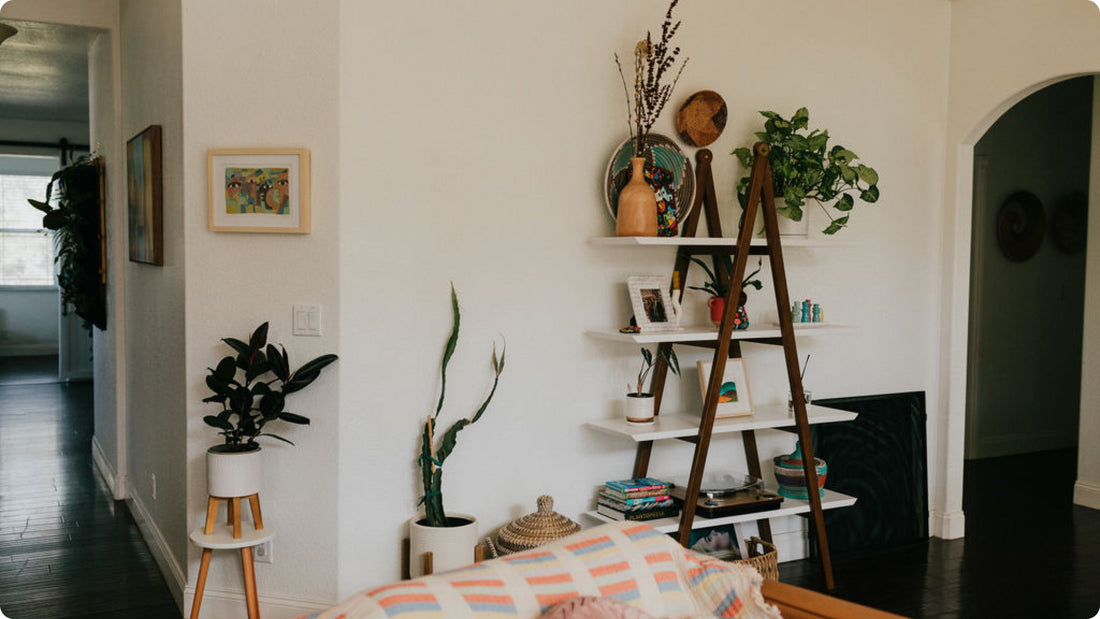
If you've ever laid eyes on a Zebra Plant, you know it's one of those show-stopping houseplants that demands attention. With its striking striped leaves and vibrant yellow flowers, it's the kind of plant that can elevate the look of any room. But as with all living things, you're probably wondering how long you can expect to enjoy its company.
In this post, we'll dig into the lifespan of Zebra Plants, covering everything from basic care to tips for extending their life. We'll explore their natural habitat, common challenges, and how to create the perfect indoor environment for them. Whether you're a seasoned plant parent or just getting started, you'll find plenty of useful insights here.
The Natural Habitat of Zebra Plants
Zebra Plants, scientifically known as Aphelandra squarrosa, hail from the tropical rainforests of Brazil. This little tidbit offers a big clue about their needs. In the wild, they thrive in warm, humid conditions with dappled sunlight filtering through the canopy above. Understanding this helps us recreate similar conditions in our homes to extend their life.
In your home, think about mimicking this environment to make your Zebra Plant comfortable. This means finding a spot with bright, indirect sunlight. Direct sun can be too harsh, leading to scorched leaves. If you have a north-facing window, it might be the perfect spot. But if all you have is a south-facing one, just make sure to use a sheer curtain to diffuse the light.
Humidity is another key factor. These plants love a bit of moisture in the air. If you live in a dry climate or use central heating or air conditioning, which can dry out the air, consider placing a humidifier nearby or grouping your plant with others to create a mini jungle effect. Alternatively, a shallow tray filled with water and pebbles placed beneath the plant can help, as the water evaporates and increases humidity.
Understanding the Average Lifespan
So, how long can you expect your Zebra Plant to stick around? Generally, with proper care, a Zebra Plant can live anywhere between three to five years. Some plant people even manage to keep theirs thriving for longer with meticulous attention to their needs. But remember, these are living organisms with their unique quirks, so experiences can vary.
The life expectancy of a Zebra Plant is tied to its care. If neglected, you might see a decline in its health much sooner. Regularly assessing the plant's condition and adapting your care routine as necessary can make a world of difference. Simply put, the better care you provide, the longer it will live.
Another thing to consider is that while the plant itself might live for several years, its stunning yellow flowers are temporary visitors. Zebra Plants usually bloom only once a year, often in late summer or fall. Once the flowers have bloomed and withered, you may choose to prune them to encourage new growth and maintain a neat appearance.
Key Factors for a Long, Healthy Life
To give your Zebra Plant the best shot at a long life, you'll want to focus on a few key care aspects. Let's break them down:
- Light: As mentioned, bright but indirect light is ideal. Too much direct sunlight can cause leaf burn, while too little light can stunt growth.
- Water: Zebra Plants like their soil to be consistently moist but not soggy. Overwatering can lead to root rot, a common issue with these plants. Allow the top inch of soil to dry out before watering again.
- Soil: A well-draining potting mix is essential. You can use a standard houseplant mix but consider adding some perlite or orchid bark to improve drainage.
- Temperature: Keep your plant in a warm spot, ideally between 65°F and 75°F. Avoid drafty areas or sudden temperature changes.
- Humidity: Aim for 60% humidity or higher. If that's tricky, a pebble tray or regular misting can help.
- Feeding: During the growing season (spring and summer), feed your plant every two weeks with a balanced, water-soluble fertilizer. Scale back in the fall and winter when growth slows.
By focusing on these key areas, you'll create an environment that supports your Zebra Plant's health and longevity.
Common Challenges and Solutions
Even with the best intentions, you might encounter some challenges along the way. Here are a few common issues you might face and how to tackle them:
Leaf Drop
If your Zebra Plant starts shedding leaves, it could be a sign of stress. This is often due to inconsistent watering or sudden temperature changes. Check your watering routine, and ensure the plant isn't exposed to drafts or extreme temperatures.
Yellowing Leaves
Yellow leaves can indicate a few different problems, such as overwatering or nutrient deficiencies. First, check the moisture level of the soil. If it's too wet, cut back on watering and ensure proper drainage. If the soil is dry, increase the frequency of watering. For nutrient issues, a balanced fertilizer might be necessary.
Pests
Zebra Plants can be prone to pests like spider mites and aphids. You can usually spot them as tiny dots or webbing on the leaves. A simple solution is to regularly wipe down the leaves with a damp cloth or use a mild insecticidal soap to deter pests. Keeping the plant clean and healthy is the best defense.
Propagation: Extending the Lifespan Through New Growth
Propagating your Zebra Plant can be a fun and rewarding way to extend its presence in your home. It's like giving it a second life! The most common method is through stem cuttings.
Here's a step-by-step guide to propagating your Zebra Plant:
- Choose a healthy stem with a few leaves. It should be at least 4 inches long.
- Using a clean, sharp knife or scissors, cut the stem just below a node (where the leaf joins the stem).
- Remove the lower leaves, leaving just a couple at the top.
- Dip the cut end in rooting hormone to encourage growth (optional, but helpful).
- Plant the cutting in a small pot with well-draining soil. Water lightly.
- Cover the pot with a plastic bag or a clear container to create a mini greenhouse effect, which maintains humidity.
- Place the pot in a warm, bright spot, but avoid direct sunlight.
- After a few weeks, check for roots by gently tugging the cutting. If you feel resistance, roots have formed!
Once rooted, you can gradually acclimate the new plant to normal conditions. It's a fantastic way to share the love and keep your plant collection thriving.
Designing with Zebra Plants: Adding a Touch of Nature Indoors
Zebra Plants aren't just about their lifespan; they're also about the aesthetic appeal they bring to your home. Their dramatic foliage and occasional blooms make them a great choice for adding visual interest to any room.
Consider these styling tips to make the most of your Zebra Plant:
- Contrast: Pair your Zebra Plant with pots that highlight its unique patterns. A plain white or neutral-colored pot can make the stripes pop.
- Grouping: Create a lush corner by grouping your Zebra Plant with others that have different textures and heights. This can add depth and dimension to your space.
- Height: Use plant stands or shelves to vary the height of your plants. Placing the Zebra Plant at eye level can emphasize its striking leaves.
- Background: Position your plant against a plain wall or backdrop to prevent visual clutter and let the plant stand out.
By thoughtfully incorporating Zebra Plants into your interior design, you can enjoy their beauty while benefiting from the calming presence of greenery.
Signs Your Zebra Plant is Thriving
Besides a long lifespan, how can you tell if your Zebra Plant is truly thriving? Here are a few signs of a happy, healthy plant:
- Vibrant Leaves: The leaves should be bright, glossy, and free of blemishes. This indicates proper light and humidity levels.
- New Growth: If you see new leaves emerging, it's a good sign that your plant is comfortable and growing well.
- Flowering: While not a constant feature, the occasional bloom is a clear indication that your Zebra Plant is content.
- Firm Stems: Sturdy, upright stems suggest that the plant is well-hydrated and receiving adequate nutrients.
Celebrating these signs of success can be rewarding and reinforce the benefits of your care routine.
When It's Time to Say Goodbye
Eventually, every Zebra Plant reaches the end of its life cycle, and knowing when to let go can be just as important as nurturing it. If your plant shows signs of irreversible decline—such as widespread wilting, persistent yellowing despite care, or severe pest infestation—it might be time to say goodbye.
While it’s never easy to part with a beloved plant, remember that all plants have their natural cycles. Instead of seeing it as an end, think of it as an opportunity to try something new. Perhaps propagate a stem cutting or explore a different plant species that you've been curious about.
Recognizing the plant's full life cycle and embracing the lessons learned can enrich your journey as a plant parent.
Final Thoughts
We've covered a lot about the Zebra Plant's lifespan and how to keep it thriving for as long as possible. From understanding its natural habitat to tackling common challenges and even styling tips, there's plenty to take away for every plant lover.
At Cafe Planta, we're all about helping you on your plant journey. Whether you need advice on care or are looking for a new plant to add to your collection, we're here for you. Feel free to email us or reach out on Instagram. We believe in the power of plants to bring people together and connect us with nature, and we're excited to share that with you.

















