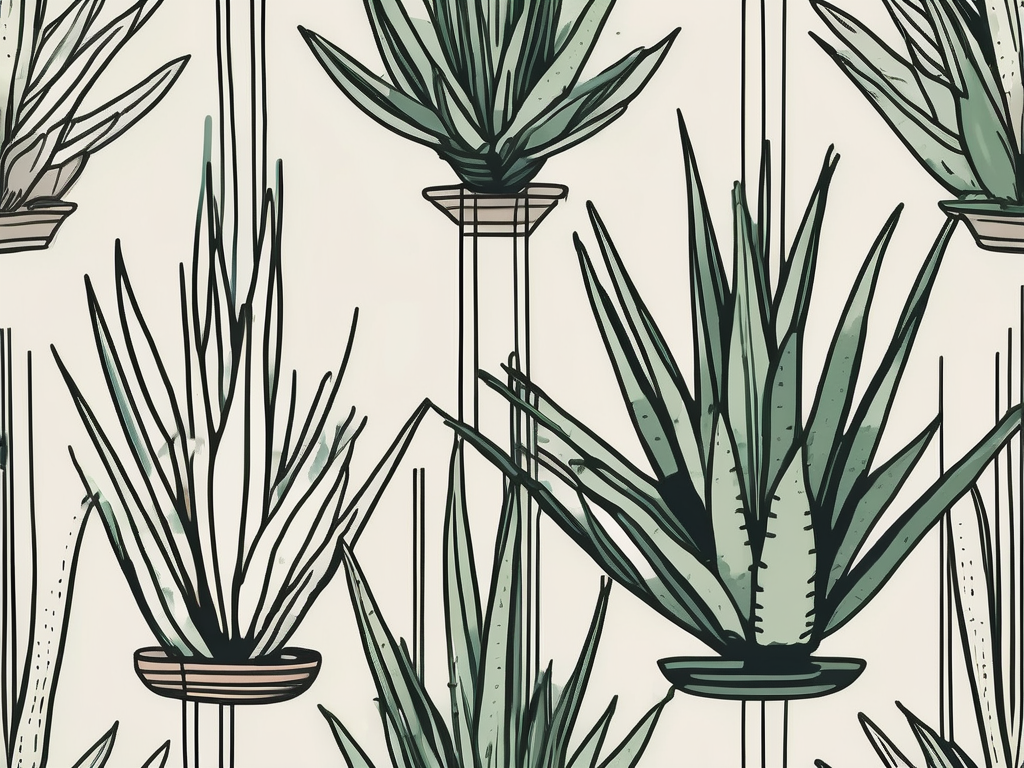
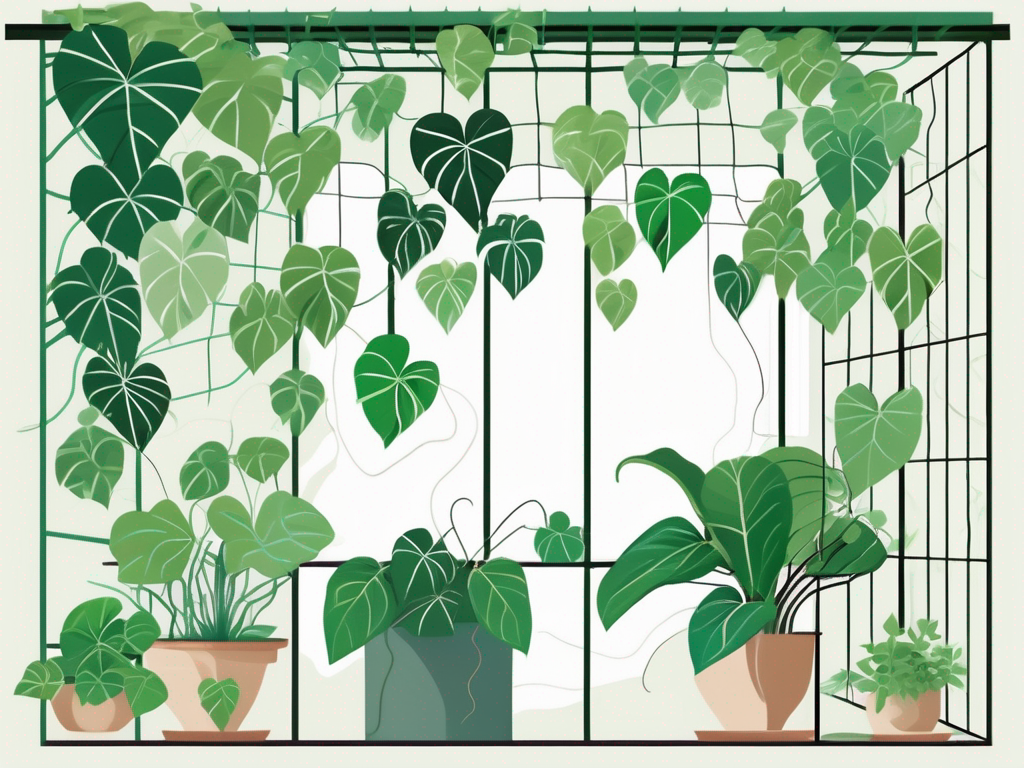
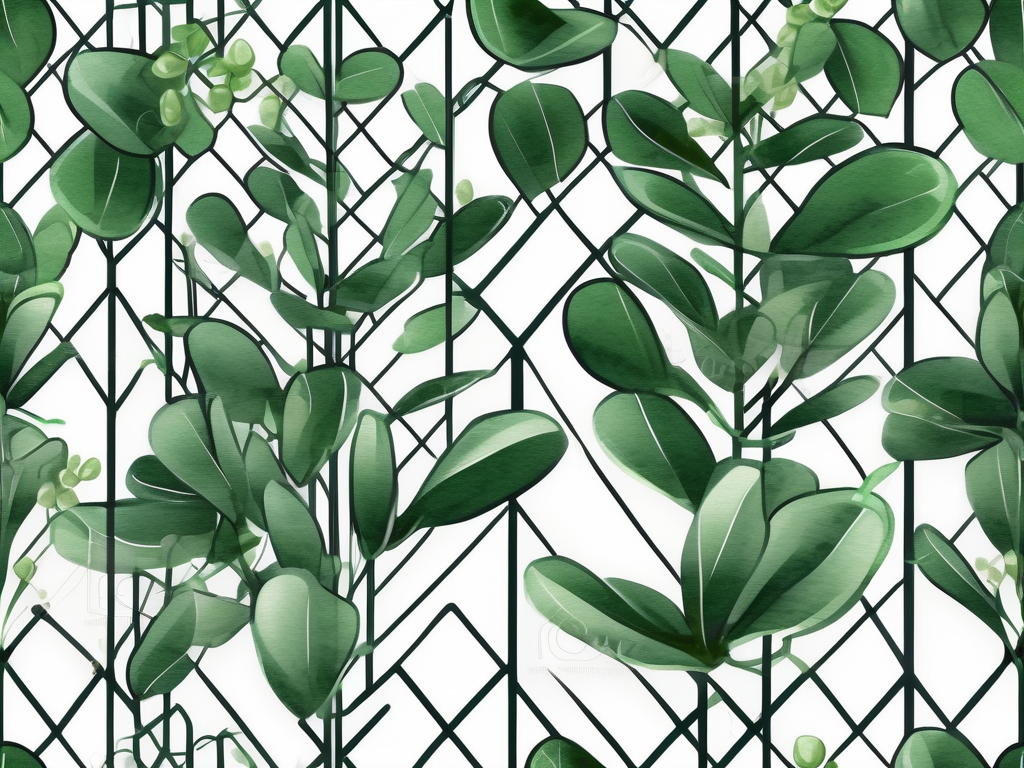
Spider plants are like those guests you invite over and then never want to leave—easy-going, adaptable, and always adding a touch of green charm to any space. But have you ever thought about giving them a little more to climb on, literally? That’s where the concept of a spider plant trellis comes into play.
In this article, we're going to chat about picking out the perfect trellis for your spider plant and how to make the most of it. From understanding what works best for these trailing beauties to practical tips on setting them up, we've got you covered. So, let's roll up our sleeves and get started.
Why Consider a Trellis for Your Spider Plant?
Before we jump into the selection process, let's talk about why a trellis might be a good idea for your spider plant. Typically, spider plants are known for their cascading leaves and adorable spiderettes. But what if you could elevate their natural beauty even further?
Adding a trellis to your spider plant setup can not only help manage the plant's growth but also serve as a focal point in your home decor. Think of it as giving your plant a stage to shine on. Plus, it can help keep those long leaves from looking too unruly, providing a cleaner, more structured appearance.
Moreover, spider plants can sometimes get a little crowded when left to their own devices. A trellis offers a way to spread out the foliage, allowing more light to reach each leaf and promoting healthier growth. So, whether you're looking for aesthetic appeal or functional benefits, a trellis can be a fantastic addition.
Understanding Spider Plant Growth Habits
Before deciding on a trellis, it helps to know a bit about how spider plants grow. These plants are known for their adaptability and resilience, making them a favorite among plant lovers. But every now and then, you might notice them getting a bit wild with their long leaves shooting out in all directions. Sound familiar?
Spider plants grow from a central rosette, and as they mature, they produce long, arching stems. These stems can develop tiny plantlets or spiderettes, which can eventually grow into new plants. If left unchecked, these plantlets can weigh down the mother plant and create a tangled mess.
A trellis can provide support for these stems, allowing them to grow upwards instead of sprawling out. This not only keeps your plant looking neat but also prevents the stems from breaking under their weight. It’s like giving your spider plant a personal trainer to keep everything in shape!
Choosing the Right Trellis Material
Now, let's get into the nitty-gritty of selecting a trellis. With so many options available, it can be a little overwhelming to choose the right one. But don't worry, I'm here to make it simple.
When it comes to trellis materials, you've got three main contenders:
- Wood: A classic choice, wooden trellises are sturdy and offer a natural look that complements your plant beautifully. Look for untreated wood to avoid any chemicals leaching into the soil.
- Metal: These tend to be more durable and can add a modern touch to your decor. Just be sure the metal is coated to prevent rusting, which can be harmful to your plant.
- Plastic: Lightweight and often more affordable, plastic trellises are easy to clean and maintain. They're a practical choice for those who want something simple and effective.
Your choice will largely depend on your personal style and the environment where the plant will live. If you're going for a rustic vibe, wood might be your best bet. For something sleek and contemporary, metal or plastic could be the way to go.
Size and Shape: What Works Best?
Once you've settled on a material, it's time to think about size and shape. Spider plants are versatile and can adapt to various trellis sizes, but it's important not to go too big or too small.
A trellis that's too large might overshadow the plant, while one that's too small won't provide enough support. Ideally, you want a trellis that complements the size of your spider plant and allows room for growth.
As for shape, you have several options:
- Obelisk: A tall, narrow structure that provides excellent vertical support.
- Fan: Spreads out like a fan, great for showcasing those arching stems.
- Grid: Offers multiple points of attachment, allowing for creative arrangements.
The shape you choose should match your aesthetic preferences and the amount of space you have available. Remember, the goal is to enhance your plant's natural beauty, not overpower it.
Placement and Positioning
You've got your trellis, now it's time to think about where to place it. Positioning is crucial for both aesthetic purposes and your spider plant's health.
Spider plants thrive in bright, indirect light, so you'll want to place your trellis in a spot that receives plenty of this type of light. Too much direct sunlight can scorch the leaves, while too little can stunt growth.
Consider the following placement tips:
- Near a Window: A spot near an east or west-facing window can provide ideal lighting conditions.
- Indoor Gardens: If you have an indoor garden area, a trellis can fit in beautifully and add height to your green space.
- Living Room Decor: Use a trellis as part of your living room decor to add an organic element to your space.
Wherever you choose to place your trellis, ensure it's secure and stable. You don't want it toppling over and damaging your plant or anything else around it.
Training Your Spider Plant
With your trellis in place, it's time to help your spider plant find its way. Training your plant involves gently guiding its stems to grow along the trellis.
Here’s how you can do it:
- Start Slowly: Begin by gently wrapping the longest stems around the trellis, being careful not to break them.
- Use Soft Ties: If needed, use soft plant ties to secure the stems in place. Avoid using anything too tight that might cut into the plant.
- Encourage Growth: As new growth appears, continue to guide it along the trellis, allowing it to weave naturally.
Training your plant takes time and patience, so don't rush the process. With a little care, your spider plant will soon be climbing happily.
Maintaining Your Trellised Spider Plant
Once your spider plant is happily climbing its trellis, you'll want to keep it looking its best. Regular maintenance is key to ensuring your plant continues to thrive.
Here are some maintenance tips:
- Pruning: Trim away any dead or yellowing leaves to keep your plant healthy and attractive.
- Watering: Keep the soil consistently moist, but not soggy. Spider plants prefer well-draining soil.
- Fertilizing: During the growing season, feed your plant with a balanced liquid fertilizer every few weeks.
Regular care not only keeps your spider plant healthy but also ensures it continues to grow beautifully along its trellis.
Common Challenges and How to Overcome Them
Even with the best intentions, you might encounter some challenges when using a trellis for your spider plant. Let's talk about a few common issues and how to tackle them.
Overcrowding: As your plant grows, it might become too crowded on the trellis. If this happens, consider thinning out some of the stems or relocating plantlets to new pots.
Weak Stems: If the stems seem weak or droopy, ensure your plant is getting enough light and nutrients. You might also need to adjust your watering routine.
Pests: Spider plants are generally hardy, but they can fall prey to pests like spider mites or aphids. Regularly inspect your plant and treat any infestations promptly with insecticidal soap or neem oil.
By staying vigilant and addressing issues as they arise, you can keep your spider plant and its trellis in tip-top shape.
Incorporating Trellised Spider Plants in Home Decor
Finally, let's talk about how to integrate your trellised spider plant into your home decor. A well-placed plant can be a game-changer in any room, adding a touch of nature and a splash of color.
Consider these decor ideas:
- Entryway Accent: Place a trellised spider plant near the entrance to greet guests with a bit of greenery.
- Bathroom Oasis: Spider plants thrive in humid environments, making them perfect for bathrooms. A trellis can add vertical interest to a small space.
- Dining Room Centerpiece: Use a trellised spider plant as a unique centerpiece that draws the eye without overpowering the table.
When it comes to home decor, the possibilities are endless. With a little creativity, your trellised spider plant can become a stunning feature in any room.
Final Thoughts
Choosing and using the perfect spider plant trellis can bring both beauty and functionality to your home. From understanding their growth habits to selecting the right materials and placement, there's a lot to consider. But with a little care and patience, you'll have a thriving plant that's sure to turn heads.
At Cafe Planta, we're all about helping you create beautiful, thriving plant collections in your home. Whether you're a seasoned plant parent or just starting your journey, we're here to support you. If you have questions about plant care, feel free to email us or send us a DM on Instagram. Let's grow together!