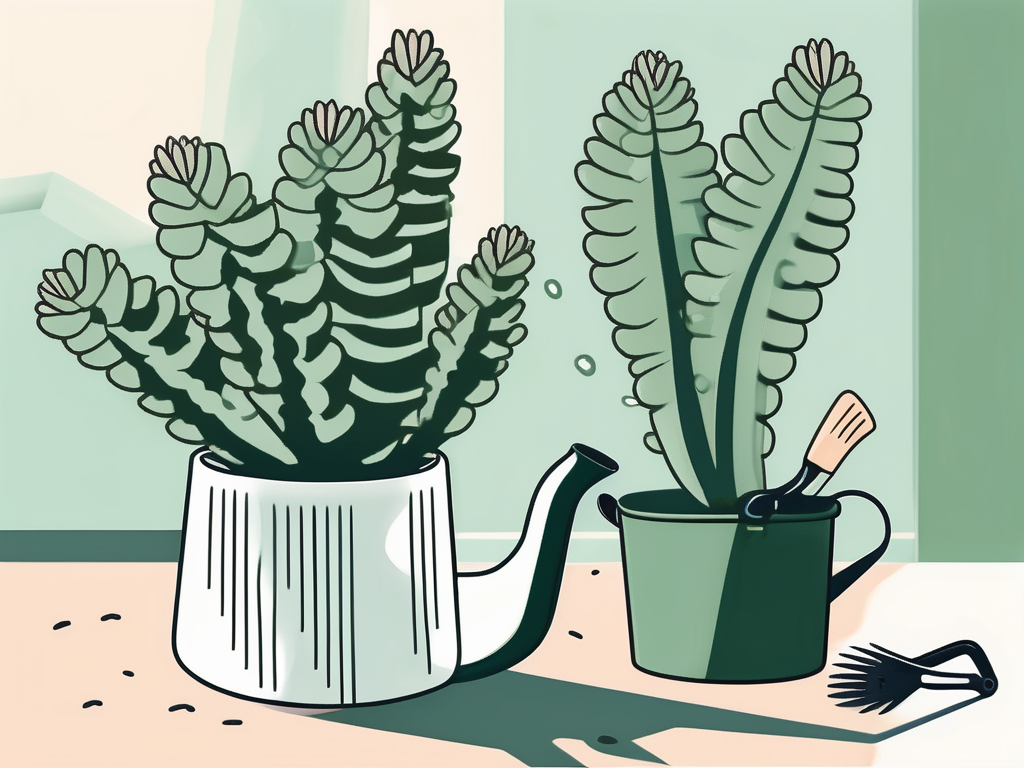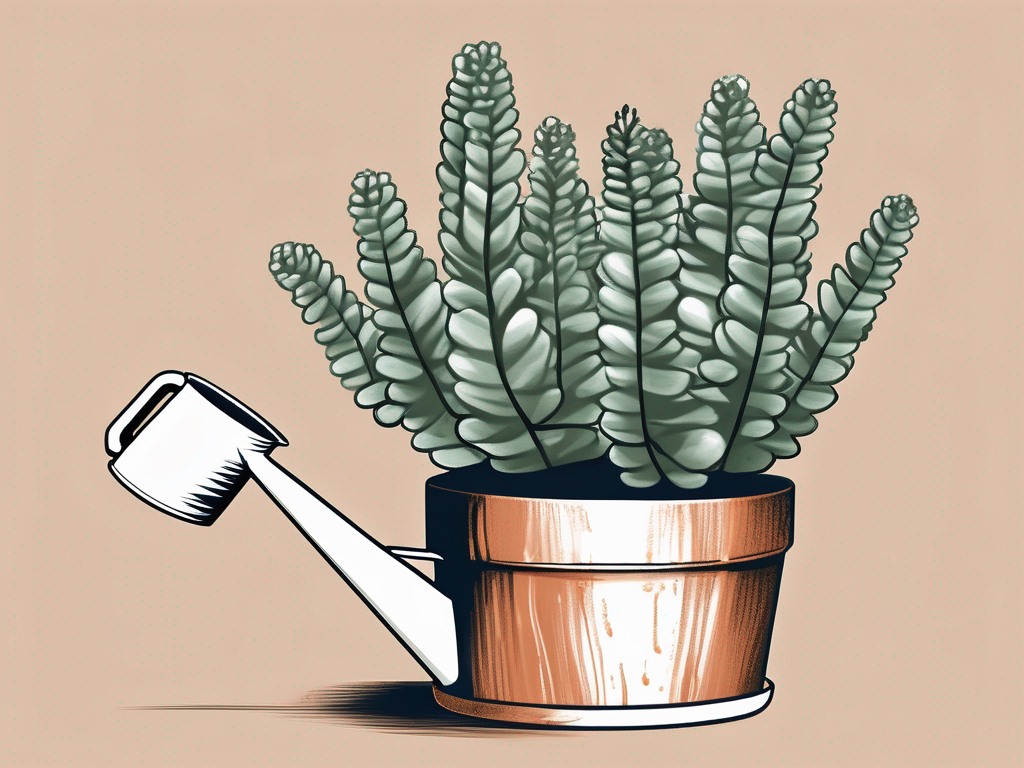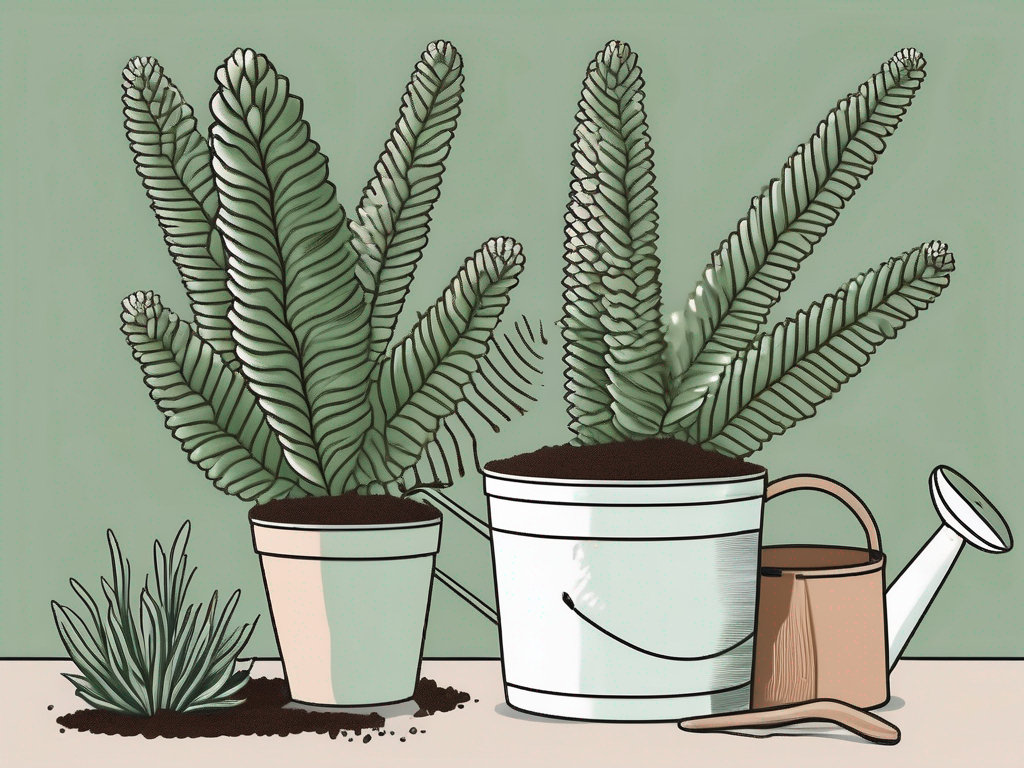
Burro's Tail, or Sedum morganianum, is a delightful succulent that often catches the eye with its trailing stems of plump, bead-like leaves. But while those charming leaves get a lot of attention, it's the roots that are quietly doing the heavy lifting. Understanding these roots is crucial for ensuring your Burro's Tail thrives.
In this article, we’re going to chat about why the roots of Burro's Tail are so important, how to care for them, and what they need to stay healthy. We'll also cover potting tips, watering strategies, and a bit of troubleshooting to keep your plant happy. Let's get started!
The Understated Importance of Roots
We usually focus on the parts of plants we can see, like the lush leaves and blooms. But let's not forget about the roots. For Burro's Tail, these roots are the foundation of the plant’s health. They anchor the plant, absorb water and nutrients, and store energy for tough times. If the roots aren't healthy, the rest of the plant will struggle.
Roots are often out of sight, but they shouldn’t be out of mind. It’s easy to overlook them until something goes wrong. By understanding the needs of your Burro's Tail roots, you can prevent problems before they start. This might sound a bit dramatic, but roots are like the unsung heroes of the plant world. Without strong roots, even the most beautiful plant will eventually falter.
Healthy roots mean a healthy plant. If you’ve ever noticed your Burro's Tail looking a little sad, the roots might be trying to tell you something. Maybe they’re too wet, too dry, or cramped in a pot that's too small. Whatever it is, paying attention to the roots can be a game-changer.
Getting to Know Your Burro's Tail
Burro's Tail is a succulent, which means it’s adapted to survive in dry conditions. Its roots are specially designed to store water and nutrients, making it a tough little plant. However, this doesn't mean it's invincible. Like all succulents, Burro's Tail can be a bit picky about its environment, especially when it comes to its roots.
If you're new to Burro's Tail, you might find its growth habits a bit unusual. The plant produces long, trailing stems that can grow up to four feet in length. These stems are covered in fleshy leaves that store water, and they give the plant its distinctive appearance. You'll often find Burro's Tail in hanging baskets, where its stems can drape gracefully over the sides.
Despite its tough nature, Burro's Tail can be sensitive to changes. It doesn’t like being moved around too much, and it can be a bit fussy about watering. But don't worry! Once you get to know its preferences, it's pretty easy to keep it happy.
Potting Basics: Setting the Stage for Healthy Roots
Choosing the right pot is the first step in ensuring your Burro's Tail has a good home. You’ll want a pot that's just the right size, with good drainage. Succulents, like Burro's Tail, don’t like to sit in water. A pot with a drainage hole will help prevent root rot, which can be a death sentence for these plants.
When it comes to potting soil, opt for a mix that drains well. You can buy a cactus or succulent mix from the store, or make your own by mixing regular potting soil with sand or perlite. The goal is to create a light, airy mix that allows water to drain quickly.
- Choose the right pot size: The pot should be slightly larger than the root ball. Burro's Tail likes to be a bit snug, but not cramped.
- Ensure proper drainage: Make sure your pot has a drainage hole to prevent water from accumulating at the bottom.
- Use a suitable soil mix: A well-draining mix is essential to keep the roots healthy.
Repotting is something you might need to do every couple of years, especially if you notice the roots are becoming too crowded. Spring is the best time to repot, as the plant is just beginning its growing season. Be gentle when handling the plant, as the leaves are delicate and can fall off easily.
Watering Wisdom: Quenching Your Burro's Tail
Watering can be a bit tricky with Burro's Tail. Too much water can lead to root rot, while too little can cause the leaves to shrivel. So, how do you strike the right balance? It’s all about understanding the plant’s natural habitat and mimicking those conditions.
Burro's Tail hails from dry, arid regions where rainfall is infrequent. This means it’s used to going without water for extended periods. When you do water, make sure to give it a thorough soaking, allowing water to drain from the bottom of the pot. Then, let the soil dry out completely before watering again.
- Water deeply: When it's time to water, soak the soil thoroughly and let it drain completely.
- Let it dry: Allow the soil to dry out completely between waterings.
- Seasonal adjustments: Water less frequently in the winter when the plant is dormant.
Keep an eye on the leaves as they can be a good indicator of the plant’s water needs. If they start to shrivel, it might be time for a drink. Conversely, if they become mushy or translucent, you might be overwatering.
Lighting and Location: Finding the Perfect Spot
Burro's Tail loves the sun, but not too much. Finding the right lighting can make a big difference in how well your plant grows. While it enjoys bright, indirect light, too much direct sunlight can scorch the leaves.
Think about where you'd like to place your Burro's Tail. A spot near a south or east-facing window is usually ideal, as it provides plenty of bright light without the harsh afternoon sun. If you notice the plant stretching towards the light, it might need a little more sun.
On the other hand, if the leaves start to look a bit bleached or sunburned, it might be getting too much direct light. Adjust its location or provide some shade during the hottest parts of the day.
- Bright, indirect light: A sunny spot with indirect sunlight is ideal.
- Watch for signs of light stress: Stretching towards the light means it needs more, while bleached leaves indicate too much.
- Rotate regularly: Turn the pot every few weeks to ensure even growth.
Finding the right spot might take some trial and error, but once you find it, your Burro's Tail will reward you with healthy growth and vibrant leaves.
Fertilizing: Feeding Your Burro's Tail
When it comes to feeding your Burro's Tail, less is more. This succulent doesn’t require a lot of fertilizer, but a little boost during the growing season can be beneficial.
Use a balanced, water-soluble fertilizer diluted to half strength. Apply it once a month during the spring and summer when the plant is actively growing. Avoid fertilizing in the fall and winter, as the plant’s growth slows down and it doesn’t need the extra nutrients.
- Use a balanced fertilizer: A balanced, water-soluble fertilizer works well.
- Apply during growing season: Feed once a month in spring and summer.
- Don't overfeed: Too much fertilizer can harm the plant.
Fertilizing should be done sparingly. Too much can lead to rapid growth, which might sound good, but it can make the plant weak and leggy. The goal is to support healthy, steady growth.
Troubleshooting Common Issues
Even with the best care, problems can arise. Knowing what to look for can help you address issues before they become serious. Here are some common problems and how to fix them:
- Root Rot: If the plant is wilting or the soil smells bad, the roots might be rotting. Allow the soil to dry out completely and reduce watering.
- Pests: Watch out for mealybugs and spider mites. Wipe them off with a damp cloth or treat with insecticidal soap.
- Leaf Drop: If leaves start falling off, it might be due to overwatering or a sudden change in environment. Adjust your care routine accordingly.
Being proactive is the best way to prevent problems. Regularly check your plant for signs of stress or pests, and make adjustments as needed. Remember, every plant is unique, and it might take a bit of experimentation to find what works best for your Burro's Tail.
Propagating Your Burro's Tail
Propagation can be a fun way to expand your plant collection or share your Burro's Tail with friends. This plant is relatively easy to propagate, and there are a couple of methods you can try.
The most common method is leaf propagation. Simply remove a healthy leaf from the stem, let it callous over for a day or two, and place it on top of well-draining soil. Mist the soil lightly every few days, and soon you'll see tiny roots forming.
Another method is stem cuttings. Take a cutting from the stem, allow it to callous, and then plant it in soil. Both methods require patience, but they’re rewarding when new growth appears.
- Leaf Propagation: Remove a leaf, let it callous, and place on soil.
- Stem Cuttings: Cut a stem, let it callous, and plant in soil.
- Patience is key: Be patient and gentle, as new roots can take time to develop.
Propagation is a great way to learn more about your plant and experiment with different techniques. Plus, who doesn’t love having more plants around?
Caring for Mature Plants
As your Burro's Tail grows, its needs may change. Mature plants can become quite heavy, especially when the stems are long. Supporting your plant properly can help prevent damage.
If you're using a hanging basket, make sure it’s securely fastened and can support the weight of the plant. If the stems become too long, you might consider trimming them back to encourage bushier growth.
Regularly check for signs of stress, such as wilting or discoloration. Mature plants can also become more susceptible to pests, so keep a close eye out and treat any issues promptly.
- Secure hanging baskets: Ensure your basket can support the weight of the plant.
- Trim as needed: Trim long stems to promote bushier growth.
- Monitor for stress: Keep an eye out for signs of stress or pests.
Caring for a mature Burro's Tail requires a bit more attention, but it’s worth it to see your plant thrive. With the right care, your Burro's Tail can be a stunning addition to your home for years to come.
Final Thoughts
Understanding the roots of your Burro's Tail is a bit like getting to know an old friend. By focusing on their needs and providing the right care, you can ensure your plant stays healthy and vibrant.
At Cafe Planta, we love helping plant parents on their journey. Whether you're looking for new additions or just need some advice, we're here for you. Feel free to email us or reach out via Instagram. Let's grow together!