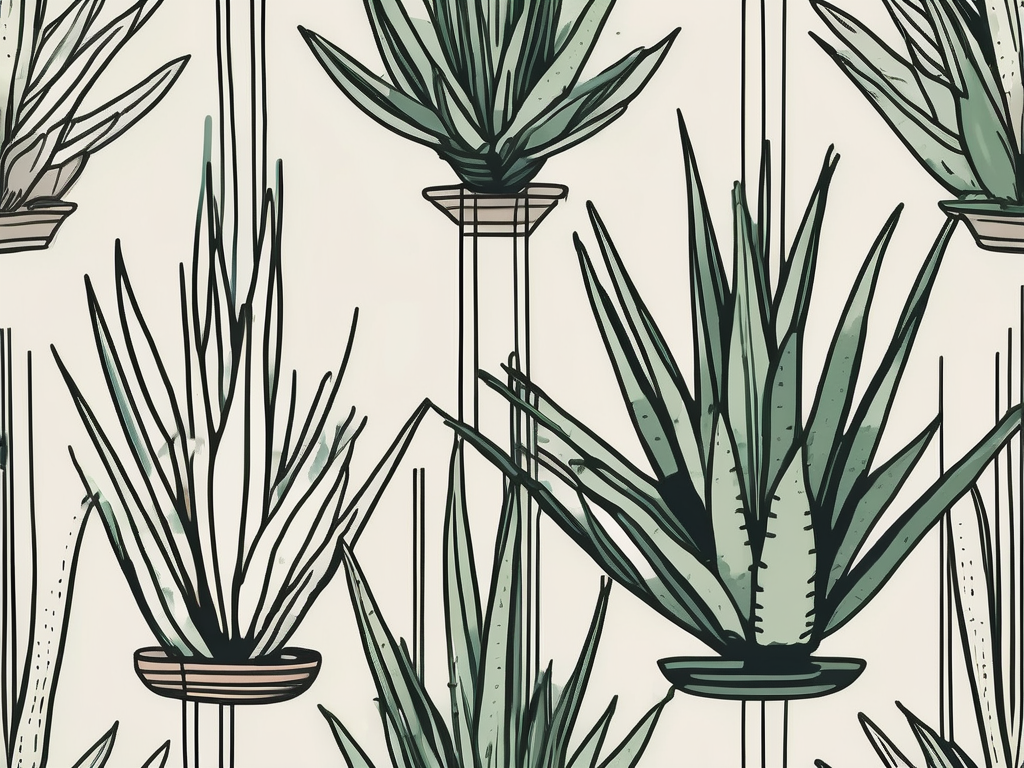
Aloe vera is a popular houseplant that not only looks great but also comes with a host of benefits, from soothing sunburns to purifying the air. If you're keen on growing a thriving aloe vera plant, the soil you choose plays a significant role. You might be wondering, does aloe vera really need special soil? Absolutely, and that's what we're diving into today.
In this post, we'll talk about the ideal soil mix to ensure your aloe vera grows strong and healthy. We'll discuss the components you need, why they're important, and how to put them all together. By the end, you'll have your very own aloe vera soil recipe that's guaranteed to boost your plant's growth.
Why Aloe Vera Needs Special Soil
Before we jump into the recipe, let's consider why aloe vera requires specific soil conditions. Aloe vera is a succulent, which means it naturally grows in arid environments. This plant doesn't like sitting in water, and its roots can rot if the soil retains too much moisture.
In its native habitat, aloe vera grows in sandy, well-draining soil. This allows water to pass through quickly, ensuring the roots don't stay wet for long. When you replicate these conditions at home, you're setting your aloe up for success. So, what makes soil well-draining? It's all about the texture and composition.
Aloe vera thrives when its soil has a balance of organic and inorganic materials. Organic materials, like peat or compost, retain necessary moisture and nutrients. Inorganic components, like sand and perlite, improve soil drainage. Getting this mix right is crucial to prevent common aloe issues like root rot.
Essential Components of Aloe Vera Soil
The secret to a thriving aloe vera plant lies in the thoughtful combination of soil components. Here are the main ingredients you'll need to create the perfect blend:
- Potting Soil: Choose a light, airy potting mix as your base. Avoid heavy, dense soils that retain water.
- Sand: Coarse sand improves drainage and mimics the plant’s natural environment.
- Perlite: This lightweight material enhances aeration and helps prevent soil compaction.
- Coconut Coir or Peat Moss: These organic materials retain moisture without waterlogging the roots.
- Compost: Provides essential nutrients and improves soil fertility.
Each of these ingredients plays a specific role in ensuring your aloe vera gets the right balance of water, air, and nutrients. Let's take a closer look at how you can combine them for optimal results.
Creating the Perfect Aloe Vera Soil Mix
Now that you know what each component does, it's time to bring them all together. Here's a simple recipe for crafting your aloe vera soil:
Ingredients
- 2 parts potting soil
- 1 part coarse sand
- 1 part perlite
- 1 part coconut coir or peat moss
- Half part compost
Instructions
- Start with the potting soil: Add two parts of light, airy potting soil to a large mixing container.
- Add coarse sand: Mix in one part of coarse sand. This will help with drainage and prevent water from pooling around the roots.
- Incorporate perlite: Stir in one part perlite to enhance aeration and keep the soil from becoming compacted.
- Add coconut coir or peat moss: Mix in one part coconut coir or peat moss. These materials will help retain just the right amount of moisture.
- Finish with compost: Add half a part of compost to provide nutrients. Mix everything thoroughly until well combined.
And there you have it! A well-balanced soil mix that keeps your aloe vera happy and healthy.
Potting Your Aloe Vera
Once your soil mix is ready, it's time to pot your aloe vera. Here's how to do it:
- Choose the Right Pot: Pick a pot with drainage holes. This is crucial to prevent water from sitting at the bottom and causing root rot.
- Fill the Pot: Fill the pot about halfway with your homemade aloe vera soil mix.
- Position the Plant: Gently place your aloe vera in the center of the pot. Hold it upright while you add more soil around it, leaving about an inch of space from the top.
- Water Sparingly: After potting, give your aloe vera a light watering. Let the soil dry out completely before watering again.
Potting aloe vera in the right soil and container makes all the difference in its growth and health.
Watering Tips for Aloe Vera
One of the biggest mistakes plant parents make is overwatering. Aloe vera is drought-tolerant and prefers to dry out between waterings. Here's how to get it right:
- Check the Soil: Before watering, check the soil by sticking your finger about an inch deep. If it feels dry, it's time to water.
- Water Thoroughly: When watering, do so thoroughly until it drains from the bottom. This ensures the roots get moisture without staying wet.
- Adjust for Seasons: In the winter, aloe vera requires less water. Adjust your watering schedule according to the season and humidity levels.
Proper watering is key to aloe vera's longevity, and following these tips will help you strike the right balance.
Light and Temperature Considerations
Aloe vera loves bright, indirect sunlight. While it can tolerate direct sun, too much can cause sunburn, leading to brown, crispy leaves. Here are some light and temperature tips:
- Find the Right Spot: Place your aloe near a window that gets plenty of light but isn't too harsh.
- Rotate Regularly: Rotate the plant occasionally to ensure even light exposure.
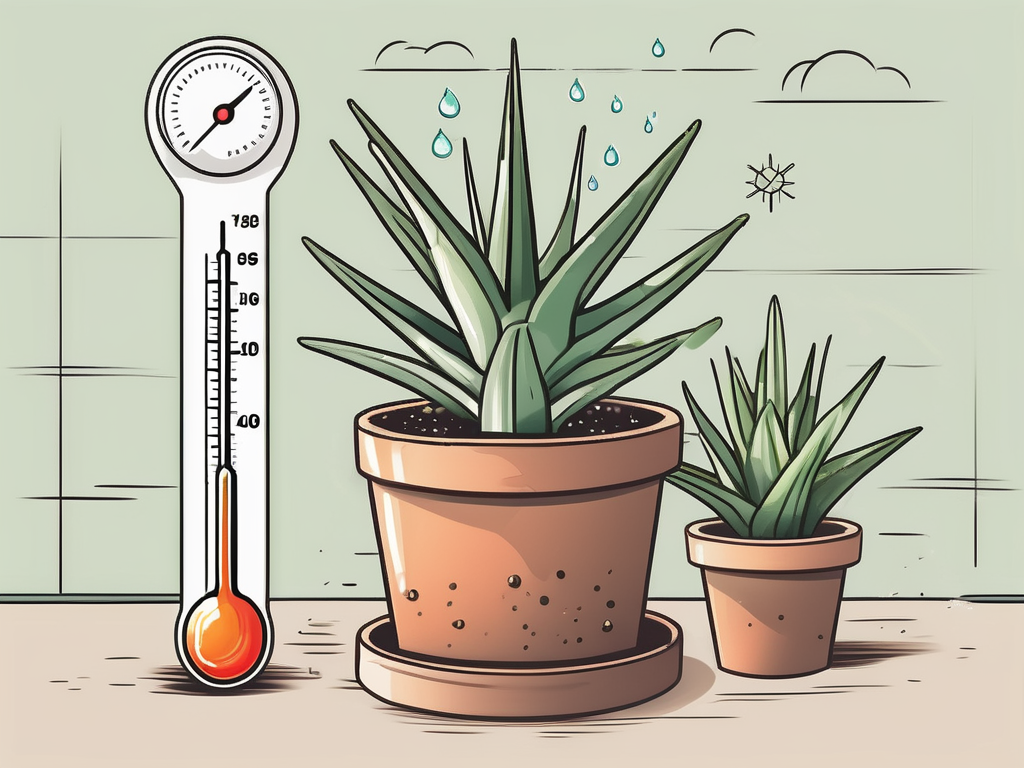
- Mind the Temperature: Aloe vera prefers temperatures between 60-75°F (15-24°C). Avoid placing it near cold drafts or heaters.
By keeping these conditions in mind, you'll create an environment where your aloe vera can thrive.
Fertilizing Aloe Vera
While aloe vera isn't a heavy feeder, a little fertilizer now and then can give it a boost. Here's how to fertilize your aloe:
- Use a Balanced Fertilizer: Choose a balanced, water-soluble fertilizer diluted to half strength.
- Fertilize Sparingly: Apply fertilizer during the growing season, spring to early fall, about once every month or two.
- Avoid Over-Fertilizing: Too much fertilizer can harm your aloe, so resist the urge to overdo it.
With the right fertilizing routine, your aloe vera will have the nutrients it needs to grow healthily.
Recognizing and Addressing Common Issues
Even with the best care, sometimes things can go wrong. Here are some common issues and how to address them:
- Yellowing Leaves: This could be a sign of overwatering. Check your watering schedule and adjust as needed.
- Brown Tips: This often indicates too much sun exposure or underwatering. Move the plant to a less sunny spot and check your watering habits.
- Root Rot: If the roots are mushy, it might be due to poor drainage. Repot the plant in fresh, well-draining soil and trim away any rotted roots.
By keeping an eye on your aloe vera and acting quickly, you can solve most problems before they become serious.
Benefits of Aloe Vera
Beyond its aesthetic appeal, aloe vera offers numerous benefits. Here are a few reasons to love and care for this versatile plant:
- Soothes Skin: Aloe vera gel is known for its soothing properties, making it a popular choice for treating minor burns and skin irritations.
- Air Purification: Aloe vera helps filter toxins from the air, improving indoor air quality.
- Low-Maintenance: Its drought-tolerant nature makes it an easy plant to care for, even for beginners.
With all these perks, it's easy to see why aloe vera is a favorite among plant lovers.
Final Thoughts
In summary, creating the right soil mix and providing the proper care can make all the difference in growing a healthy aloe vera plant. From potting soil and sand to perlite and compost, each ingredient plays a vital role in creating an ideal environment for your plant.
Here at Cafe Planta, we're all about helping you nurture your green companions. If you have any questions about plant care, feel free to reach out via email or drop us a message on Instagram. Whether you're just starting your plant journey or expanding your collection, we're here to support you every step of the way!