When it comes to adding a touch of natural charm to your home, the coral bead plant is a show-stopping choice. With its vibrant berries and delicate foliage, this plant is like having a tiny piece of nature's artwork right in your living room. But before you run to the nearest plant store, let’s talk about how to keep this beauty thriving in your space.
In this guide, we'll chat about everything you need to know to care for your coral bead plant. From the perfect lighting conditions to watering schedules, and even tackling pest problems, we’ve got you covered. So grab a cup of tea, get comfy, and let's get started on making your coral bead plant the happiest little green buddy it can be.
Getting to Know Your Coral Bead Plant
The coral bead plant, scientifically known as Nertera granadensis, is a compact and charming plant that originates from Central and South America. It’s famed for its small, bright orange or red berries that look just like coral beads, hence the name. These plants are often used as decorative tabletop pieces or in hanging baskets, where their berries can cascade beautifully.
One of the great things about coral bead plants is their size. They stay relatively small, usually not getting taller than a few inches, making them perfect for small spaces. But don’t be fooled by their size – they do require a bit of attention to detail when it comes to their care. Understanding their natural habitat can give us insights into how to keep them happy indoors.
In their native environment, these plants enjoy a moderate climate with a balance of sunlight and shade, along with consistent moisture. Translating these conditions to your home involves a bit of a balancing act, but it’s totally doable. Let’s break down how to recreate their ideal environment in your living space.
Finding the Perfect Spot: Light Requirements
Light is a crucial factor for any plant, and coral bead plants are no exception. These plants thrive in bright, indirect light. Think of a spot where they can enjoy the sun's rays without being scorched. Direct sunlight can be too harsh and might lead to leaf burn or fading berries.
If you’re unsure about the light in your home, try the “hand test.” Simply place your hand between the plant and the light source. If you can see a clear shadow, the light might be too strong. A softer shadow means you’re in the right zone.
For those with limited natural light, a grow light can be a handy alternative. Just be sure to set it on a timer to mimic natural day and night cycles. Coral bead plants appreciate consistency, so try to maintain a regular light schedule.
If your plant isn’t getting enough light, you might notice it becoming leggy as it stretches towards the nearest source. Adjust its location gradually until you find the sweet spot – your plant will thank you with more robust growth and vibrant berries.
Watering Wisely: How Much and How Often
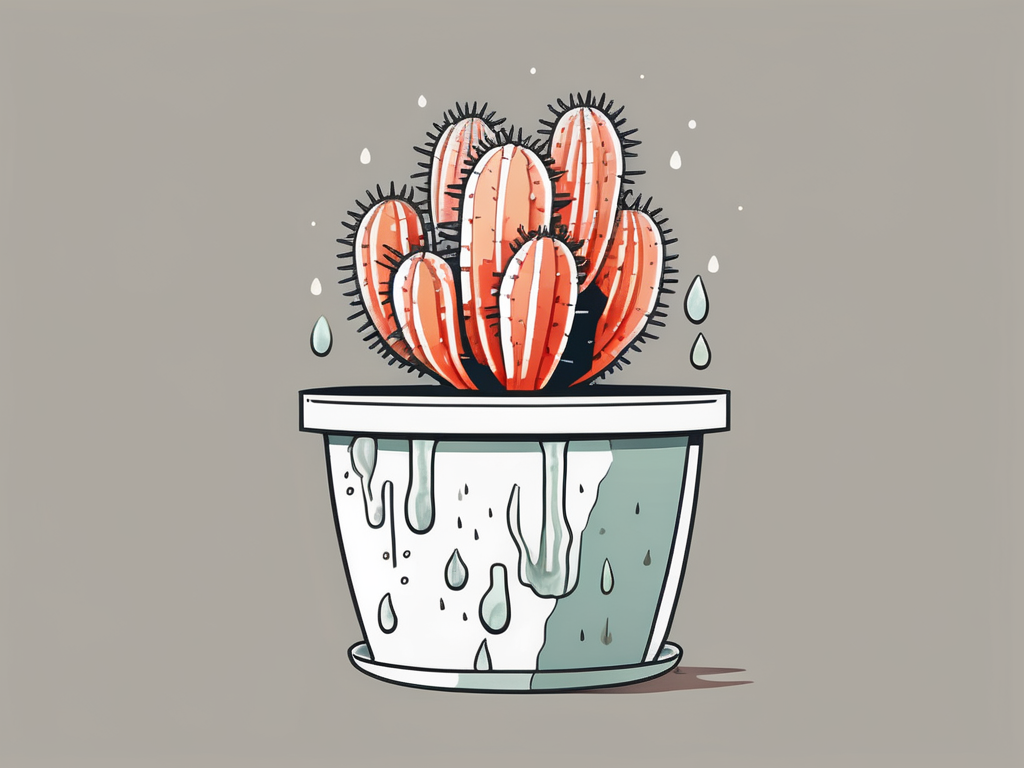
Watering can be a bit of a Goldilocks situation – not too much, not too little, but just right. Coral bead plants like their soil to be moist, but they don’t do well with soggy roots. Overwatering is a common mistake, leading to root rot and other issues.
To get it right, check the top inch of the soil with your finger. If it feels dry, it’s time for a drink. When you water, do so thoroughly, letting the excess drain out of the bottom of the pot. This ensures that the roots get a nice soak without sitting in water.
During winter, when growth slows down, you can scale back on watering a bit. The plant won’t be as thirsty, and you’ll avoid the risk of overwatering during its dormant period. If you’re ever in doubt, it’s usually safer to err on the side of slightly dry rather than too wet.
Soil Secrets: Getting the Right Mix
Choosing the right soil can make a big difference for your coral bead plant. They prefer a well-draining mix that holds onto some moisture without becoming waterlogged. A good quality potting mix with added perlite or sand can do the trick.
If you’re in the mood for a bit of DIY, you can mix your own. Try combining equal parts of potting soil, perlite, and coco coir or peat moss. This blend provides a nice balance of drainage and moisture retention.
Remember to check that the pot has drainage holes. This is key in preventing water from pooling at the bottom and causing root rot. You might also consider placing a layer of small stones or broken pottery at the bottom of the pot to help with drainage.
Humidity and Temperature: Creating a Cozy Climate
Coral bead plants hail from humid environments, so they appreciate a bit of moisture in the air. If your home is on the dry side, especially during winter months, consider ways to boost humidity.
- Misting: A gentle misting a few times a week can help, but be careful not to overdo it, as excessive moisture on the leaves can lead to mold.
- Humidity Tray: Place the pot on a tray filled with pebbles and water. As the water evaporates, it will create a humid microclimate around the plant.
- Humidifier: If you have multiple humidity-loving plants, a small humidifier can be a worthwhile investment.
Temperature-wise, coral bead plants prefer things on the mild side. Aim to keep them in a room that’s between 60-75°F (15-24°C). Avoid placing them near drafts, heaters, or air conditioners, as sudden temperature changes can stress the plant.
Feeding Your Coral Bead Plant: Fertilizer Tips
Like most plants, coral bead plants benefit from the occasional nutrient boost. During the growing season (spring and summer), consider feeding your plant with a balanced, water-soluble fertilizer every couple of weeks.
When choosing a fertilizer, opt for one that’s meant for houseplants, and always follow the package instructions. Over-fertilizing can be just as harmful as under-fertilizing, causing burnt roots or excessive foliage growth at the expense of berries.
During fall and winter, you can ease up on the feeding. The plant’s growth naturally slows down during these seasons, and it won’t need as much extra nourishment. Think of it as letting the plant take a little break from the hustle and bustle of growing.
Re-potting and Pruning: Keeping Things Tidy
Coral bead plants are relatively slow growers, so they don’t need frequent re-potting. However, if you notice the roots starting to outgrow the pot or the soil looking compacted, it might be time for a new home.
When re-potting, choose a pot that’s just one size larger. This prevents the plant from becoming overwhelmed with too much new soil. Gently tease out the roots and remove any that are dead or rotting before placing the plant in fresh soil.
Pruning is another way to keep your coral bead plant looking its best. Snip away any dead or damaged leaves, and feel free to trim back any overly long stems to encourage bushier growth. Pruning can also help maintain the plant’s shape, especially if it starts looking a bit unruly.
Pest Patrol: Keeping Unwanted Guests at Bay
Unfortunately, coral bead plants can sometimes fall victim to pests like aphids, spider mites, and mealybugs. These critters can cause damage by sucking sap from the plant, leading to discolored leaves and stunted growth.
To keep pests away, regular inspections are a good habit to develop. Look under leaves and around the base of the plant for any signs of trouble. If you spot any pests, act quickly to prevent an infestation.
- Isolate: Move the affected plant away from others to prevent spreading.
- Wash: Gently wash the plant with soapy water to remove pests.
- Insecticide: As a last resort, use a mild insecticide designed for houseplants.
Keeping your plant healthy through proper care can also boost its natural defenses, making it less appealing to pests. A strong, healthy plant is always your best line of defense!
Decorating with Coral Bead Plants: Style Tips
Besides their care, coral bead plants offer a lot of decorative potential. Their compact size and bright berries make them perfect for adding a pop of color to any room. Here are a few ideas:
- Table Centerpiece: Place a coral bead plant in a decorative pot as a charming centerpiece for your dining table or coffee table.
- Hanging Baskets: Use a macramé hanger to display your plant at window level, where the berries can catch the light.
- Terrariums: Coral bead plants can thrive in larger terrariums, where you can create a mini tropical scene.
Consider pairing them with plants of different textures and colors for a dynamic display. Succulents or leafy greens can complement the vibrant berries beautifully, creating a mini indoor garden that’s visually stunning.
Final Thoughts
Caring for a coral bead plant can be a rewarding experience, bringing a splash of color and life to your home. By understanding their needs, from light and water to soil and humidity, you can ensure your plant thrives and remains a captivating part of your decor.
At Cafe Planta, we're passionate about helping you nurture your green companions. Whether you’re in the market for new plants, need plant care accessories, or simply want to chat about houseplants, we’re here for you. Feel free to drop us an email or reach out via our Instagram. Let's grow together!