If you've noticed your Tiger Tooth Aloe looking a bit worse for wear and you're not sure why, you're not alone. This charming succulent is known for its unique, toothy leaves that add personality to any plant collection. However, like any plant, it can sometimes struggle, leaving plant lovers scratching their heads.
In this article, we're going to explore some common reasons why your Tiger Tooth Aloe might be looking under the weather. From watering woes to lighting issues, we'll cover the essentials to help you nurse your plant back to health. Let's dive in!
Understanding the Tiger Tooth Aloe
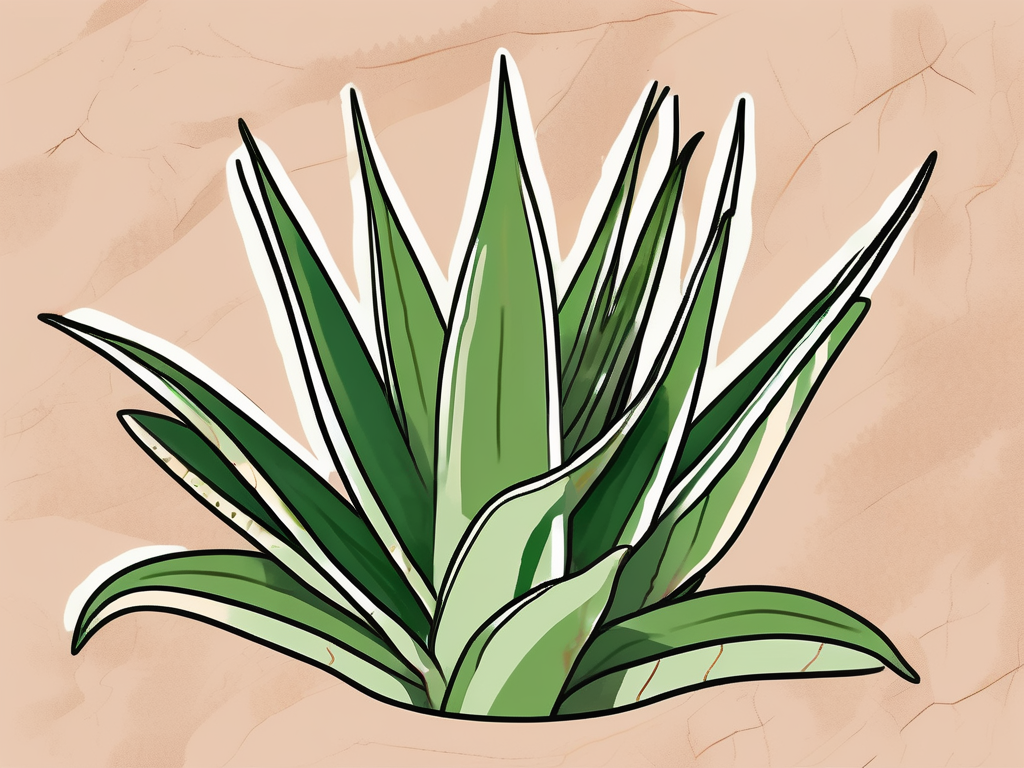
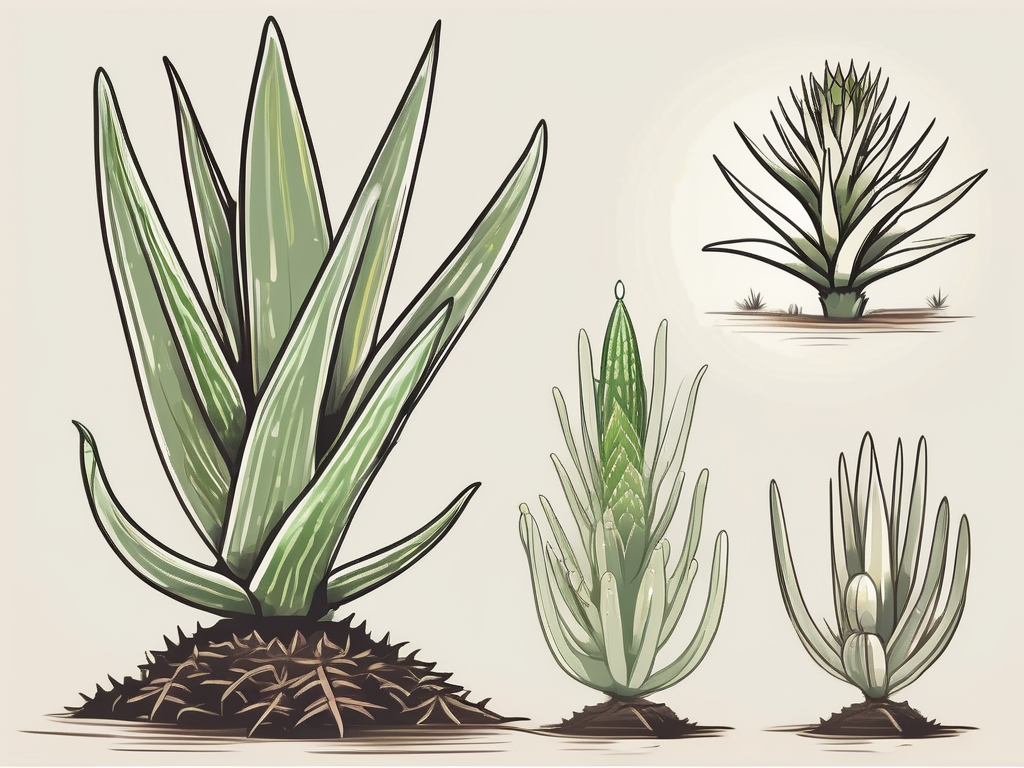
Before we get into the nitty-gritty of what's going wrong, let's take a moment to appreciate what makes the Tiger Tooth Aloe (Aloe juvenna) such a special plant. Native to Kenya, this succulent is beloved for its rosettes of pointed, serrated leaves that resemble little tiger teeth. They're hardy, adaptable, and relatively low-maintenance, making them a great choice for both beginners and seasoned plant parents.
Despite their resilience, Tiger Tooth Aloes do have specific needs. They're happiest in bright, indirect light and well-draining soil, and they prefer a good soaking followed by a dry-out period. Keeping these basics in mind can go a long way in preventing common problems.
Watering: Too Much or Too Little?
Let's face it: watering is one of the trickiest aspects of plant care. It's easy to overdo it or, conversely, forget to water altogether. For Tiger Tooth Aloes, striking the right balance is crucial.
Overwatering is a common mistake. These succulents store water in their leaves, so they don't need to be watered as frequently as other plants. If your Aloe is looking mushy, translucent, or the leaves are falling off, it might be suffering from root rot due to excessive moisture.
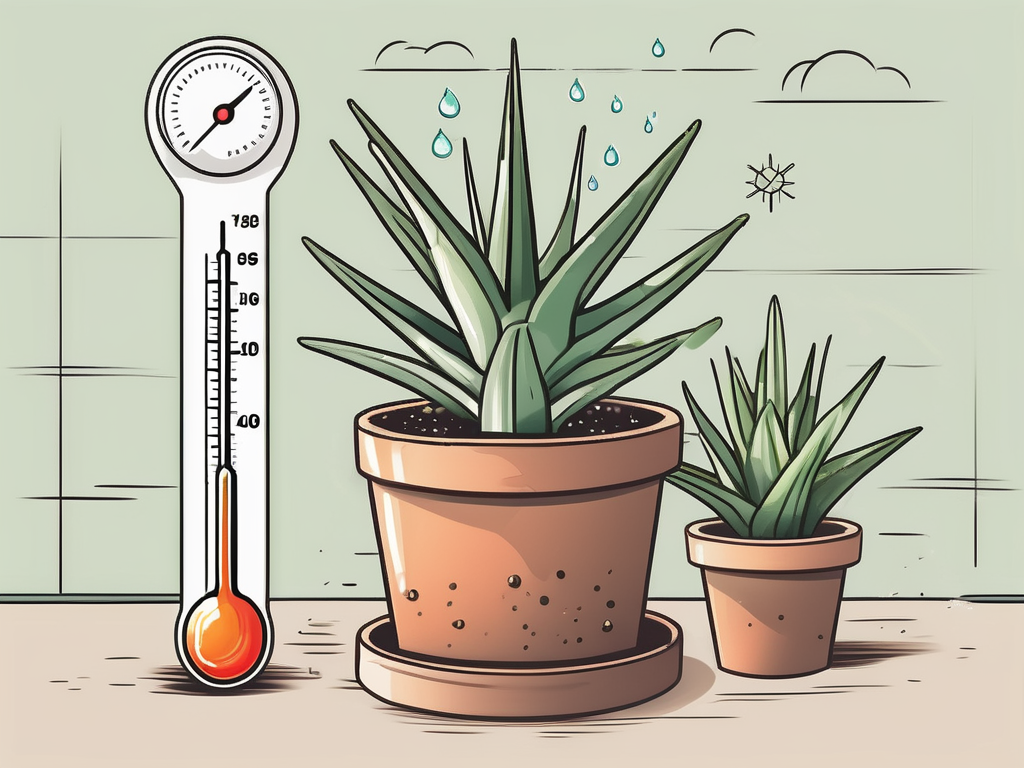
On the other hand, underwatering is less common but still possible. If the leaves are shriveling or turning brown, your plant might be thirsty. A good rule of thumb is to water your Aloe once the top inch of soil feels dry. In winter, you can reduce the frequency as the plant goes dormant.
Lighting: Finding the Sweet Spot
Lighting can be a bit of a Goldilocks scenario for Tiger Tooth Aloes. They need just the right amount to thrive. Too much direct sunlight can scorch the leaves, causing them to turn brown or develop white spots. If your Aloe is sitting in a south-facing window, consider moving it a bit further away or providing some sheer curtains as a buffer.
Conversely, too little light can result in a leggy plant as it stretches towards the sun. If your Aloe appears elongated or sparse, it might need a brighter spot. East or west-facing windows are often ideal, providing the bright, indirect light these plants love.
Temperature and Humidity: Getting Cozy
Tiger Tooth Aloes are pretty flexible when it comes to temperature, but they do prefer it on the warmer side. They thrive in temperatures between 60-80°F (15-27°C). It's important to keep them away from cold drafts and avoid letting the temperature drop below 50°F (10°C), especially in winter.
As for humidity, these succulents prefer dry conditions, similar to their native habitat. They can handle average home humidity levels, but make sure they're not sitting in a damp environment, like a bathroom, for extended periods. Too much humidity can encourage rot and fungal issues.
Soil and Potting: Setting the Foundation
The right soil can make all the difference for your Tiger Tooth Aloe. These plants need a fast-draining mix to prevent water from lingering around the roots. A cactus or succulent potting mix is ideal. If you're mixing your own, consider combining regular potting soil with sand or perlite to improve drainage.
When it comes to pots, choose one with drainage holes to allow excess water to escape. Terracotta pots can be a good choice as they help wick moisture away, but any well-draining pot will do. Avoid decorative pots without drainage, as they can lead to root rot.
Pests: Unwanted Visitors
Even the hardiest plants can fall victim to pests, and Tiger Tooth Aloes are no exception. Common culprits include mealybugs, aphids, and spider mites. If you notice a sticky residue, webbing, or tiny insects, you might have a pest problem on your hands.
To tackle pests, you can start by isolating the affected plant to prevent the spread. Use a gentle insecticidal soap or neem oil to treat the plant, following the instructions carefully. Regularly inspecting your plants can help catch issues early before they become a full-blown infestation.
Fungal and Bacterial Issues
Sometimes, Tiger Tooth Aloes can develop fungal or bacterial problems, especially in humid conditions or if overwatered. These issues often manifest as spots on the leaves or a general decline in health.
To prevent these problems, ensure good air circulation around your plant and avoid getting the leaves wet when watering. If you do notice signs of disease, remove affected leaves and consider treating with a fungicide. Again, catching issues early is key to keeping your plant healthy.
Repotting: A Fresh Start
Repotting can sometimes be the solution if your Tiger Tooth Aloe is struggling. It might be that the plant has outgrown its pot or that the soil has become compacted or depleted of nutrients.
When repotting, gently remove the plant from its current pot and shake off excess soil. Check the roots for signs of rot or damage, trimming any unhealthy parts. Replant in fresh, well-draining soil, and give your Aloe a few days before watering to let it settle into its new home.
Final Thoughts
We've covered a lot of ground, from watering tips to pest control, to help you figure out why your Tiger Tooth Aloe might be struggling. With a little attention to its needs, your Aloe can bounce back and thrive once more.
At Cafe Planta, we believe in the power of plants to bring joy and connection. Whether you're an experienced plant parent or just starting out, we're here to support your plant journey. If you have any questions or need advice, feel free to email us or reach out on Instagram. Happy planting!