There's a certain magic in growing your own plants from seeds, especially when it involves the striking Picasso Peace Lily. These plants aren't just your average houseplants; they bring a touch of artistry to any space with their unique variegated leaves. If you've been thinking about adding a Picasso Peace Lily to your collection, you're in for a treat. Growing them from seeds can be a rewarding journey, one filled with opportunities to learn and appreciate the beauty of nature.
In this article, we'll explore the ins and outs of cultivating Picasso Peace Lily seeds, from understanding their unique characteristics to providing the best care for them at every stage of growth. Whether you're a seasoned plant lover or a curious newbie, you'll find everything you need to know to nurture these beautiful plants and create a green oasis in your home.
Understanding the Picasso Peace Lily
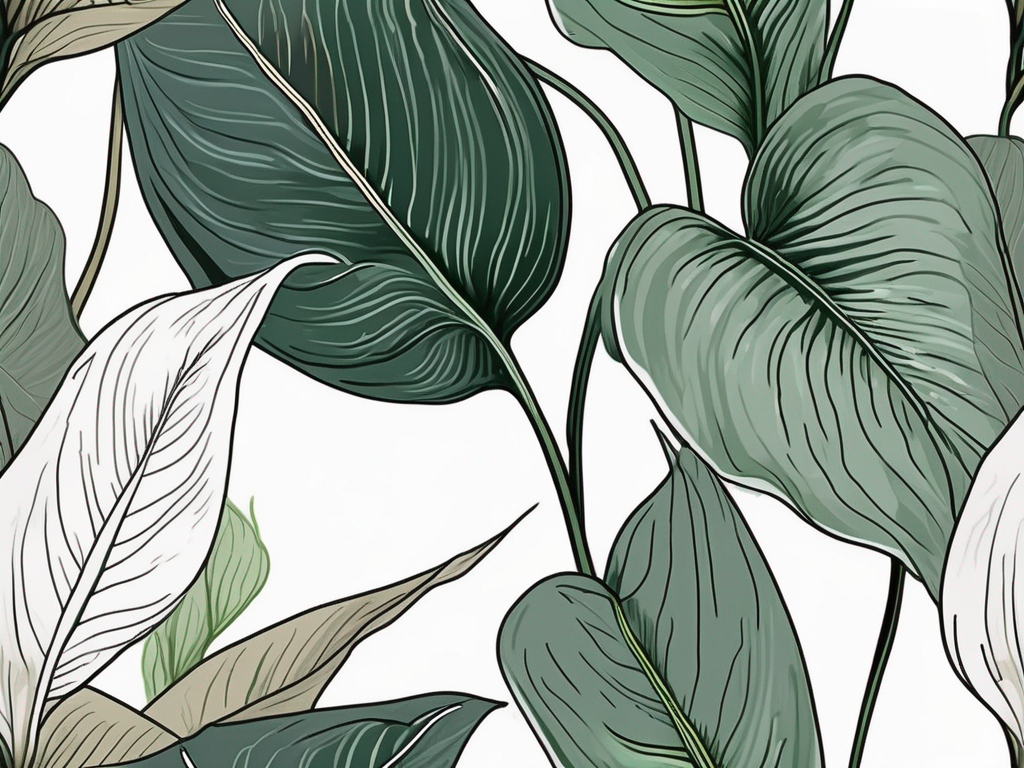
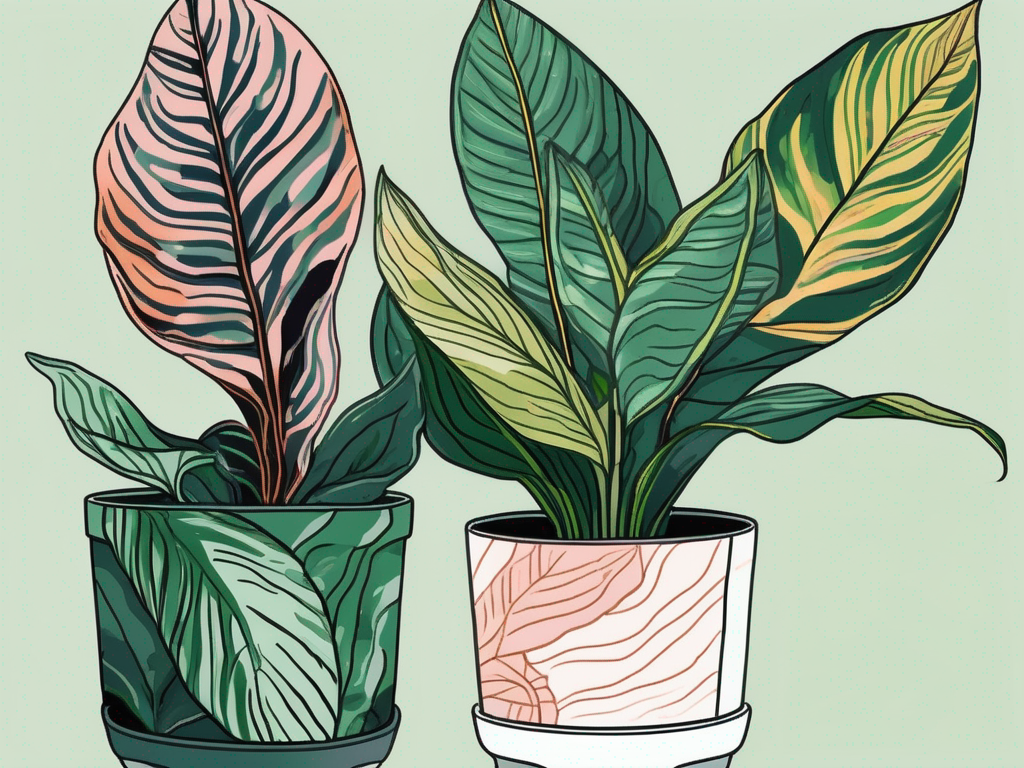
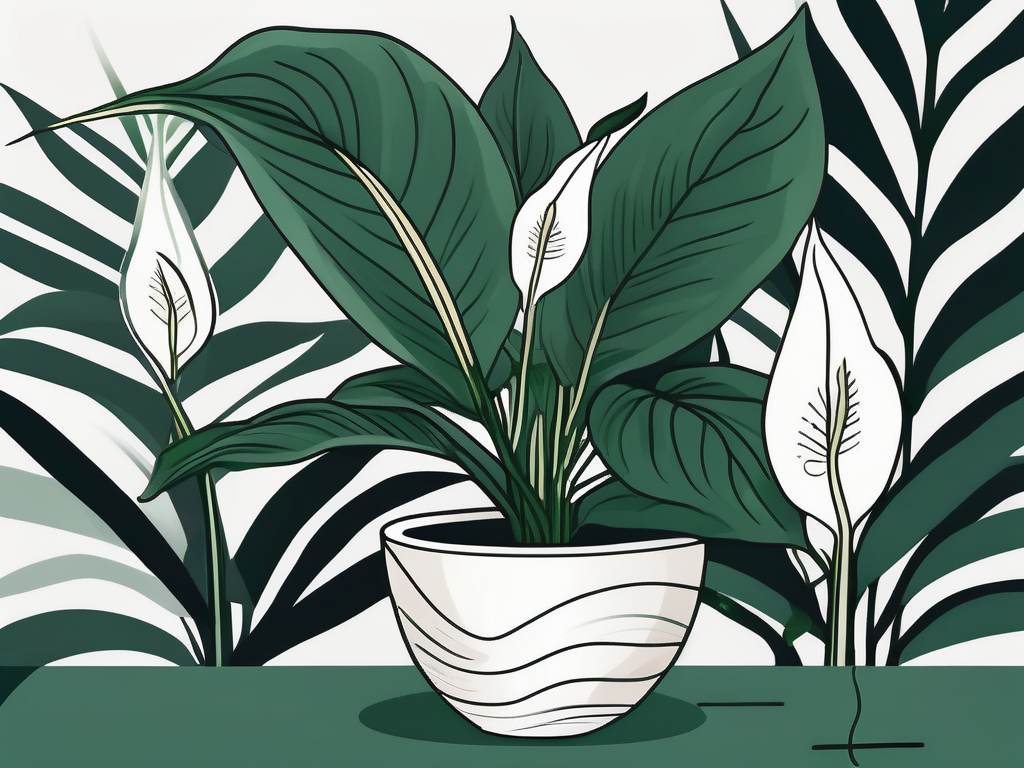
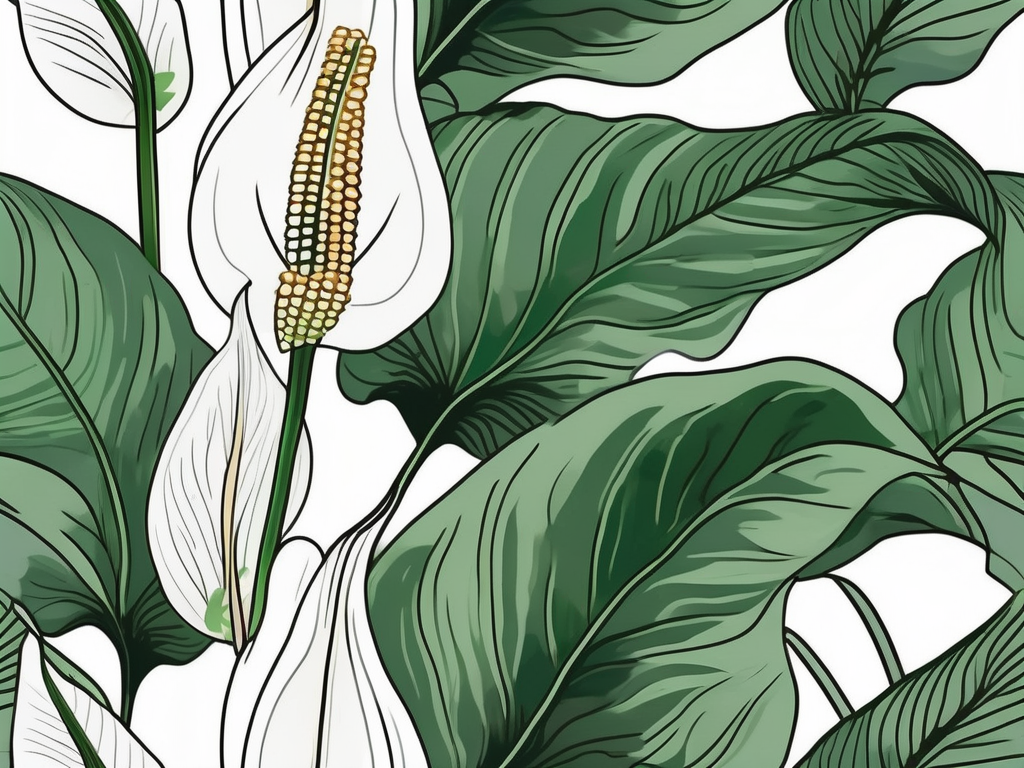
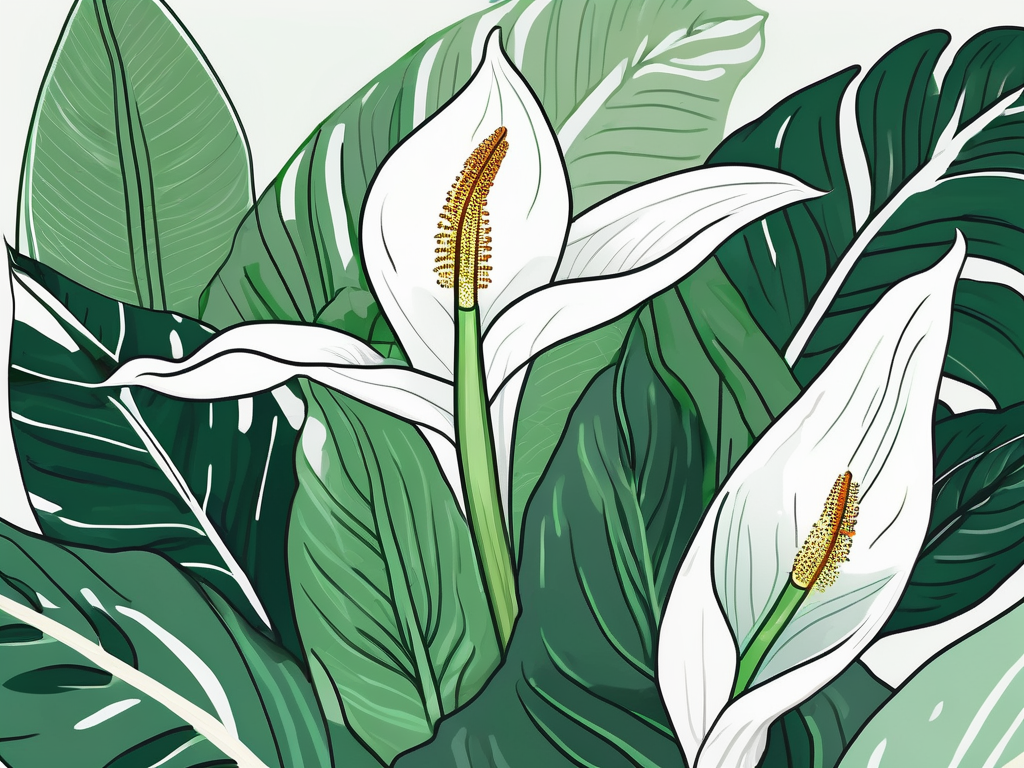
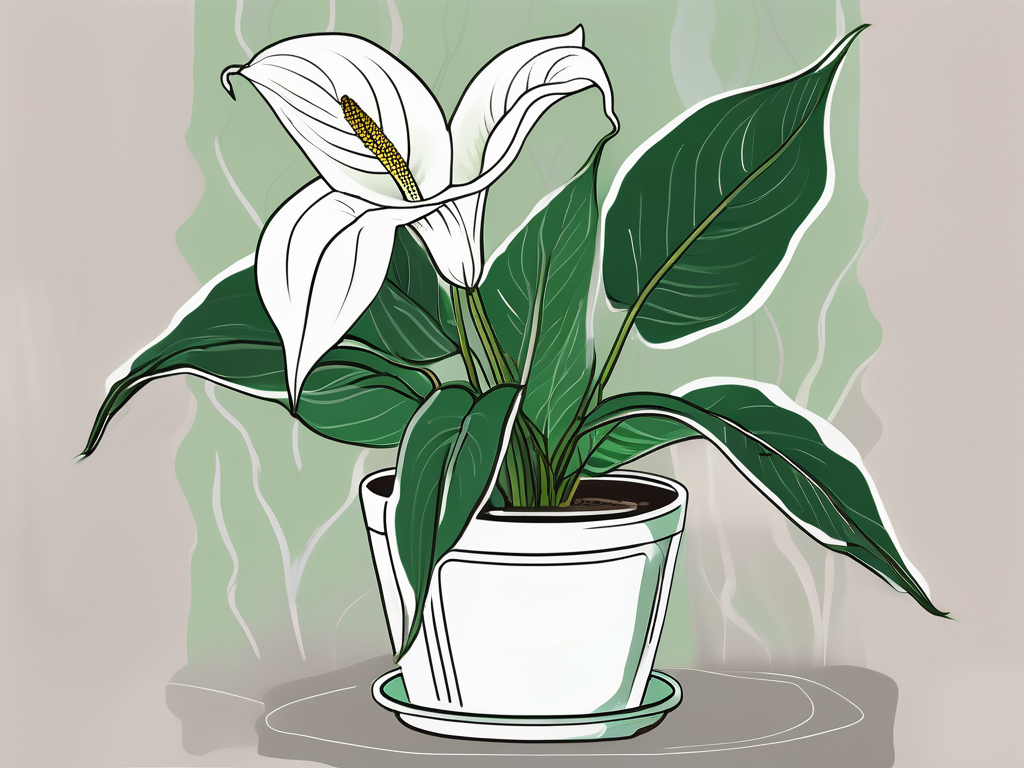
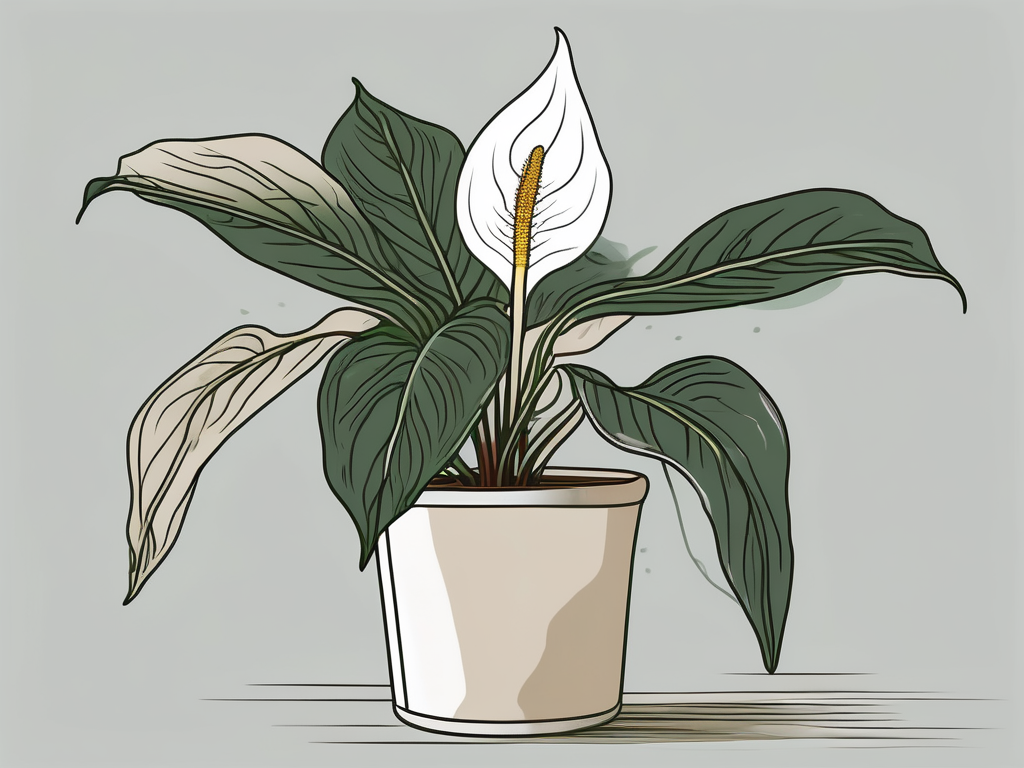
The Picasso Peace Lily, a variety of the popular Peace Lily (Spathiphyllum), stands out with its creamy-white streaked leaves that resemble brushstrokes on a canvas. Unlike the common Peace Lily, which is known for its solid dark green foliage, the Picasso variety adds a splash of elegance with its variegated pattern. These plants are not only visually appealing but also excellent at purifying indoor air, making them a favorite among plant people.
What makes the Picasso Peace Lily particularly appealing is its adaptability. It thrives in various lighting conditions, although it prefers bright, indirect light to maintain its vibrant variegation. These plants are relatively low-maintenance, forgiving occasional neglect, which makes them perfect for busy individuals or those new to plant care. However, growing them from seeds requires a bit more attention and patience compared to purchasing a mature plant from a nursery.
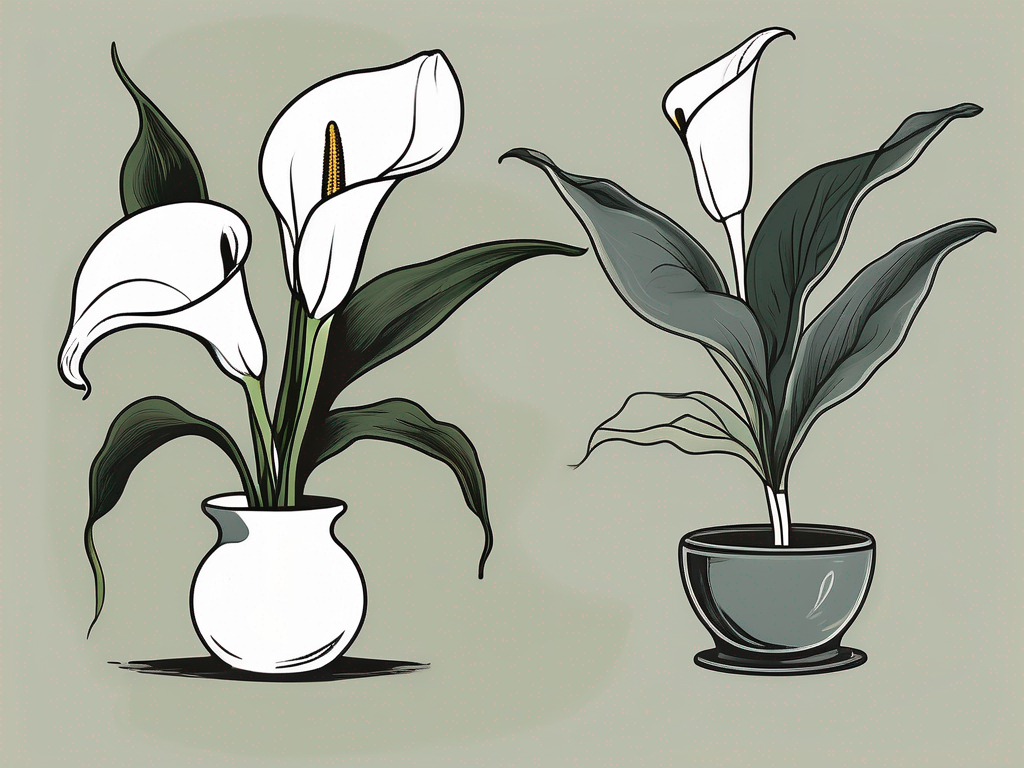
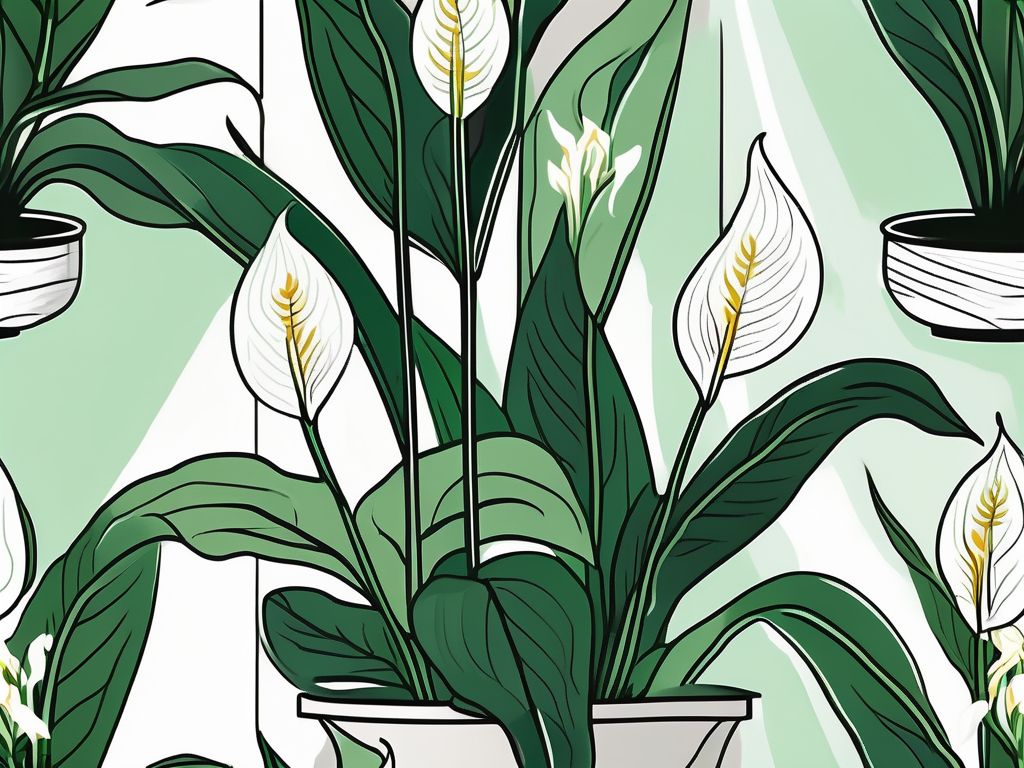
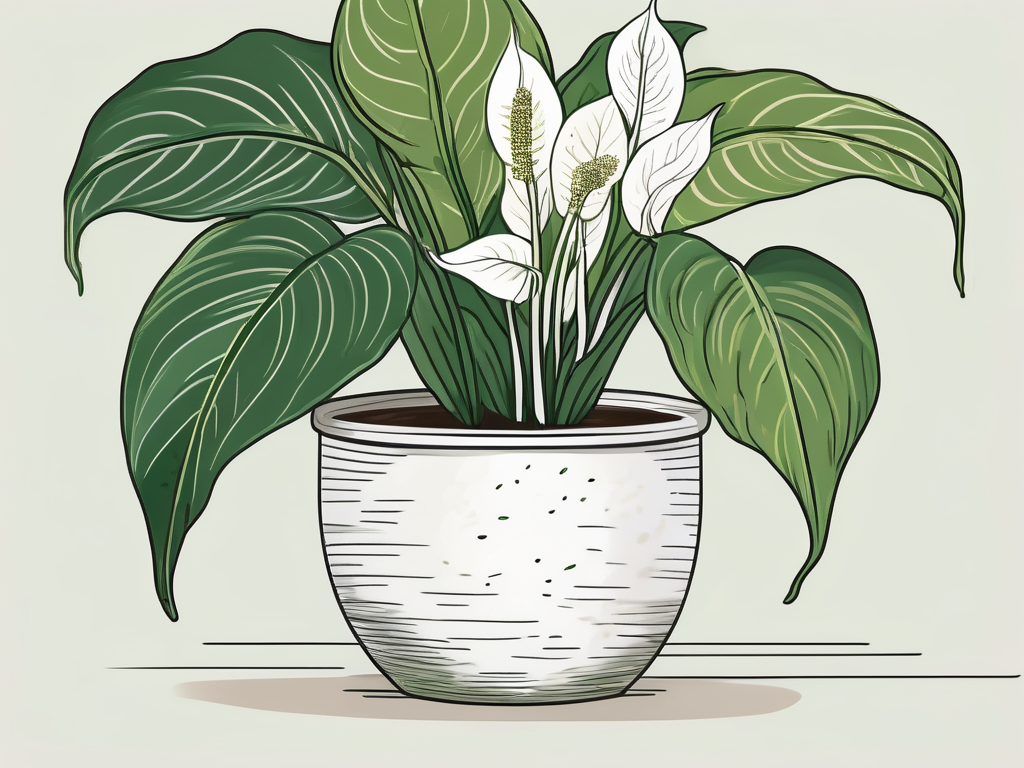
Interestingly enough, Peace Lilies are not true lilies. They belong to the Araceae family, sharing common traits with other popular houseplants like the Philodendron and Anthurium. Their flowers, which resemble a white sail, are actually a specialized leaf called a spathe, surrounding a spadix where the true flowers reside. The Picasso variety, with its unique foliage, may not flower as prolifically as other Peace Lilies, but when it does, the blooms are a delightful bonus to its already stunning appearance.
Starting with Seeds: What to Expect
Growing Picasso Peace Lilies from seeds is a journey that requires a bit of patience. Unlike buying a mature plant, starting from seeds gives you the rewarding experience of watching a plant develop from the very beginning. However, it's important to set expectations right from the start: Peace Lily seeds can be a bit tricky to germinate, and not every seed will sprout.
When you first receive your seeds, they might look small and nondescript, but don't be deceived by their size. Inside each tiny seed lies the potential for a beautiful plant. Before planting, you'll want to inspect the seeds to ensure they're viable. Look for seeds that are firm and plump, discarding any that are shriveled or damaged.
To increase your chances of successful germination, you might consider soaking the seeds in water overnight. This process helps to soften the seed coat, making it easier for the seedling to emerge. Some plant lovers swear by adding a bit of hydrogen peroxide to the soak water, claiming it helps to disinfect the seeds and promote faster germination. While it's hard to say for sure how much this helps, it might be worth trying if you're feeling adventurous.
Planting Your Seeds
Once your seeds are ready, it's time to plant them. Choose a well-draining potting mix, as Peace Lilies don't like to sit in waterlogged soil. A mix designed for tropical plants or a standard houseplant mix amended with perlite or orchid bark works well. Fill a small pot or seed tray with the potting mix, leaving about half an inch of space at the top.
Place the seeds on the surface of the soil, spacing them about an inch apart. Gently press them into the soil, covering them with a thin layer of potting mix. The seeds need light to germinate, so don't bury them too deep. After planting, mist the soil lightly to moisten it without saturating. You want the soil to be damp but not soggy.
Cover the pot or tray with a clear plastic lid or place it inside a plastic bag to create a mini greenhouse effect. This helps to maintain humidity, which is crucial for seed germination. Place the setup in a warm spot with plenty of indirect light. A windowsill that doesn't get direct sun is a good choice. Now comes the waiting game. Keep the soil consistently moist, and with a bit of luck, you'll see seedlings emerging in a few weeks.
Caring for Seedlings
When the seeds finally sprout, it's an exciting moment! The tiny seedlings are delicate, so handle them with care. At this stage, maintaining the right conditions is crucial for their growth and development. Keep the soil evenly moist, but be careful not to overwater, as seedlings are particularly susceptible to root rot.
Seedlings need plenty of light to grow strong and healthy. If you're growing them indoors, consider using a grow light to supplement natural light, especially during the shorter days of winter. Position the light about 6-12 inches above the seedlings and keep it on for about 12-16 hours a day. This mimics the long daylight hours of spring and summer, encouraging robust growth.
As the seedlings grow, you might notice some variation in the variegation patterns of their leaves. This is part of the charm of growing Picasso Peace Lilies from seeds. Each plant is unique, and you might even discover a new favorite among your seedlings. Once the plants have developed a few sets of true leaves, you can begin to acclimate them to more normal humidity levels by gradually removing their plastic cover.
Transplanting and Potting Up
When your seedlings are a few inches tall and have developed several sets of leaves, it's time to consider transplanting them into individual pots. Choose pots that are slightly larger than the seedling's current root ball, with drainage holes to prevent waterlogging. The type of pot you choose can also add to your home's aesthetic, so feel free to get creative!
Gently remove each seedling from its tray, taking care not to damage the roots. If the seedlings are growing too close together, you might need to tease them apart gently. Plant each seedling in its own pot filled with the same well-draining soil mix you used for germination. Make sure the seedlings are planted at the same depth they were growing at before.
After transplanting, water the seedlings thoroughly to help them settle into their new homes. Keep an eye on them for the first few weeks, as they'll be adjusting to their new environment. You might notice some temporary wilting, but don't worry—this is normal and should resolve as they acclimate.
Establishing a Care Routine
Once your Picasso Peace Lilies are settled in their pots, establishing a regular care routine will keep them thriving. These plants are relatively low-maintenance, but they do have some preferences that you'll want to keep in mind.
Watering is perhaps the most important aspect of Peace Lily care. They like consistently moist soil but are sensitive to overwatering. A good rule of thumb is to water when the top inch of soil feels dry to the touch. During warmer months, you might find yourself watering more frequently, while in cooler months, you can ease up a bit.
Peace Lilies enjoy humidity, so if your home is particularly dry, consider using a humidifier or placing the pots on a tray of pebbles with water. This small adjustment can make a big difference in their health and appearance. Every now and then, wipe the leaves with a damp cloth to remove dust and help the plant breathe better.
Fertilizing your Picasso Peace Lily isn't a must, but it can boost growth, especially during the growing season. Use a balanced, water-soluble fertilizer diluted to half strength once a month in spring and summer. Avoid fertilizing during fall and winter when the plant's growth naturally slows down.
Troubleshooting Common Issues
Even with the best care, you might encounter some issues with your Picasso Peace Lily. But don't worry—most problems can be easily solved with a bit of attention and adjustment.
If you notice the leaves turning yellow, it could be a sign of overwatering. Peace Lilies are prone to root rot if left in soggy soil. Check your watering schedule and adjust if necessary, ensuring the pot has proper drainage. On the flip side, if the leaves are wilting and the soil is dry, your plant might be thirsty.
Brown tips on the leaves can indicate low humidity or exposure to direct sunlight. Try increasing humidity around the plant or moving it to a spot with indirect light. Peace Lilies are also sensitive to chemicals in tap water, so using distilled or rainwater can help prevent tips from browning.
Pests aren't a common problem for indoor Peace Lilies, but they can occasionally attract spider mites or mealybugs. If you spot any unwanted visitors, a gentle wash with soapy water or an insecticidal soap usually does the trick. Regularly inspecting your plants keeps these issues at bay.
Incorporating Picasso Peace Lilies into Your Home Decor
Beyond their beauty and air-purifying qualities, Picasso Peace Lilies can be a stunning addition to your home decor. Their unique foliage makes them a standout piece in any room, whether you're aiming for a minimalist look or a lush indoor jungle.
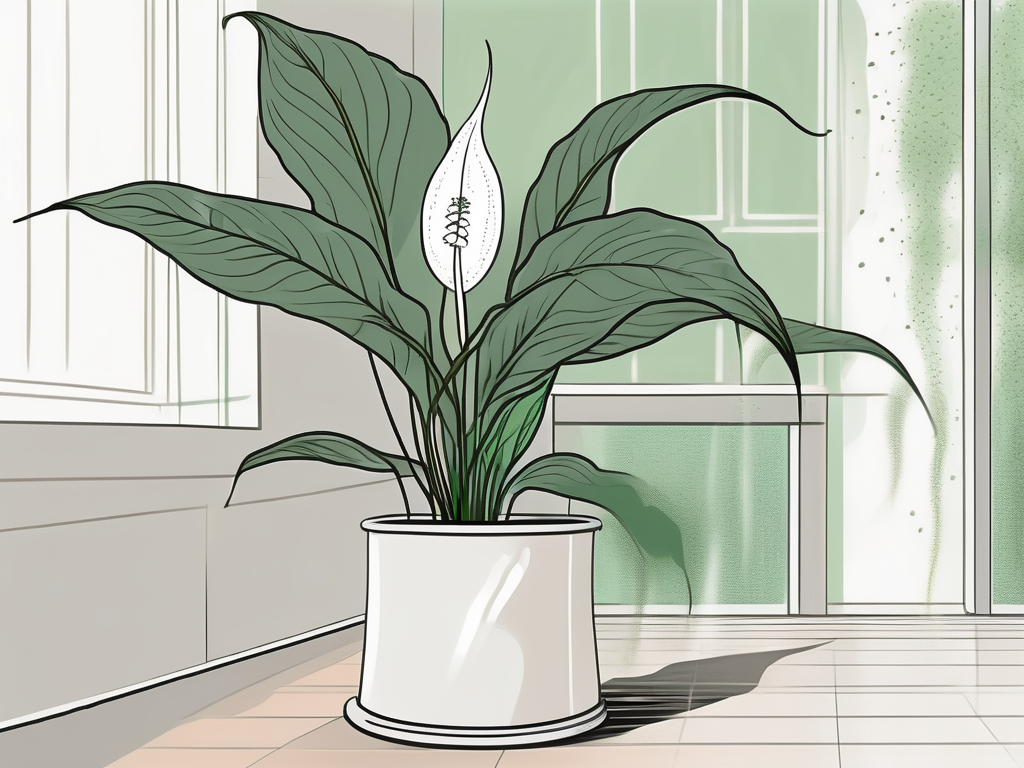
Consider placing your Picasso Peace Lily in a decorative planter to complement your home's style. Whether you prefer modern, rustic, or eclectic, there's a pot out there that will enhance your plant's appearance. For a cohesive look, group it with other houseplants with different textures and shades of green.
Their ability to thrive in low-light conditions makes them perfect for brightening up dim corners or adding life to spaces like bathrooms and bedrooms. A Picasso Peace Lily on a side table or bookshelf can draw the eye and create a calming atmosphere. Plus, they're great conversation starters for guests!
If you're feeling creative, you might even experiment with different displays, like hanging planters or wall-mounted pots. The options are endless, and the beauty of these plants is that they adapt well to various settings. Have fun experimenting and find what works best for your space.
The Joy of Sharing Your Plants
As your Picasso Peace Lilies grow, you might find yourself with more plants than you anticipated. It's a common occurrence among plant people, and it opens up a wonderful opportunity to share the joy of plants with others.
Consider gifting a young plant to a friend or family member. It's a thoughtful gesture that can brighten their home and introduce them to the world of plant care. Include a note with a few care tips to help them get started. It's a gift that keeps on giving!
You might also look into local plant swaps or online communities where you can exchange cuttings or seedlings with other plant lovers. It's a great way to diversify your collection and meet like-minded people who share your passion for greenery.
Sharing plants fosters a sense of community and connection, reminding us that we're part of a larger network of nature enthusiasts. Whether you're giving, receiving, or trading plants, these interactions enrich our lives and bring a little more green into our world.
Final Thoughts
Growing Picasso Peace Lilies from seeds is a fulfilling adventure that adds a touch of artistry to your home. From the first sprout to a mature plant, each step is a chance to connect with nature and enjoy the beauty of these unique houseplants. With patience and care, you can nurture a thriving collection that not only enhances your space but also purifies the air you breathe.
At Cafe Planta, we love helping plant people care for their green friends. Whether you're looking for new plants, care accessories, or advice, we're here to support you. Feel free to email us or reach out on Instagram. We believe plants have the power to bring people together, and we're excited to help you create a beautiful, thriving plant collection in your home.