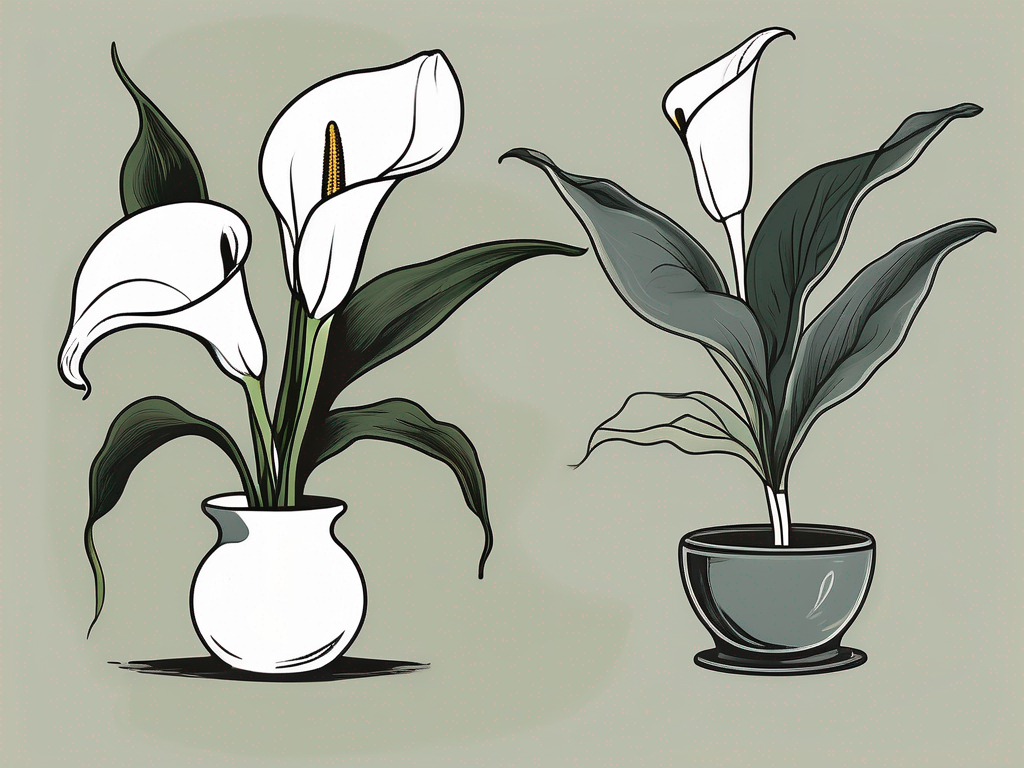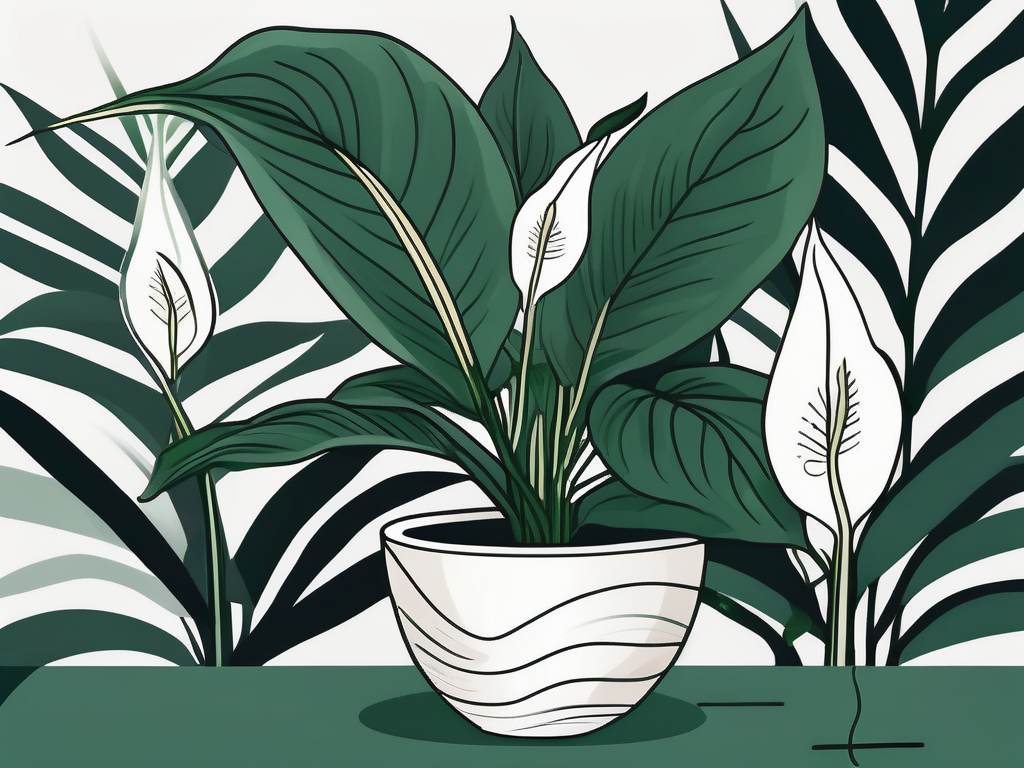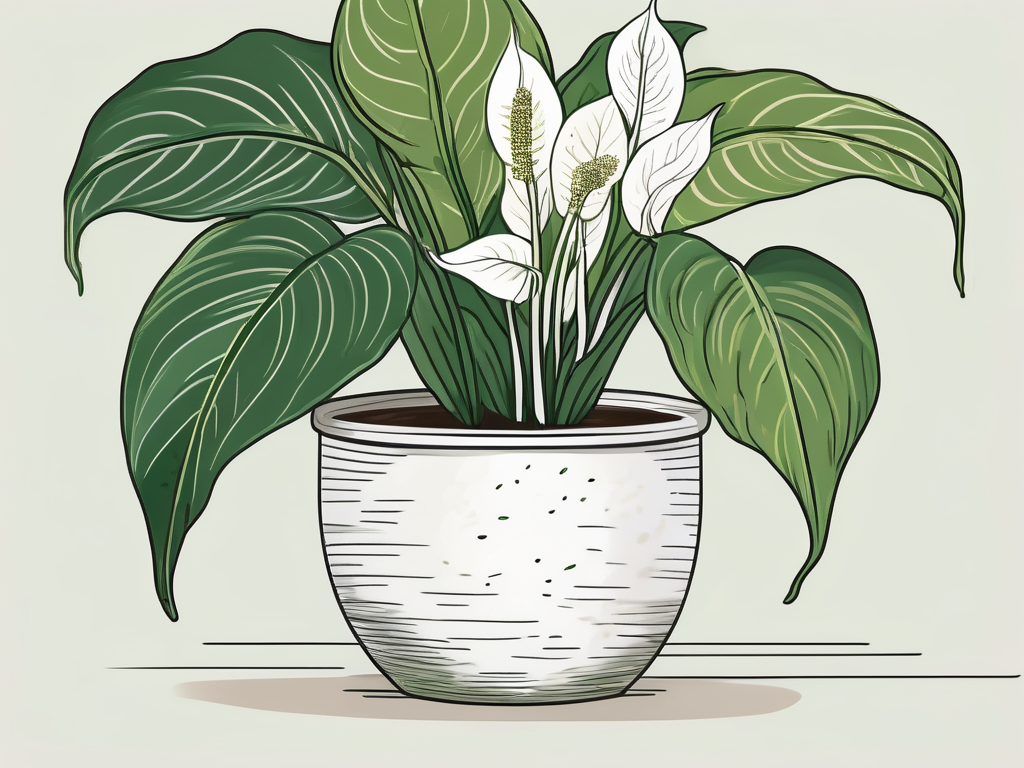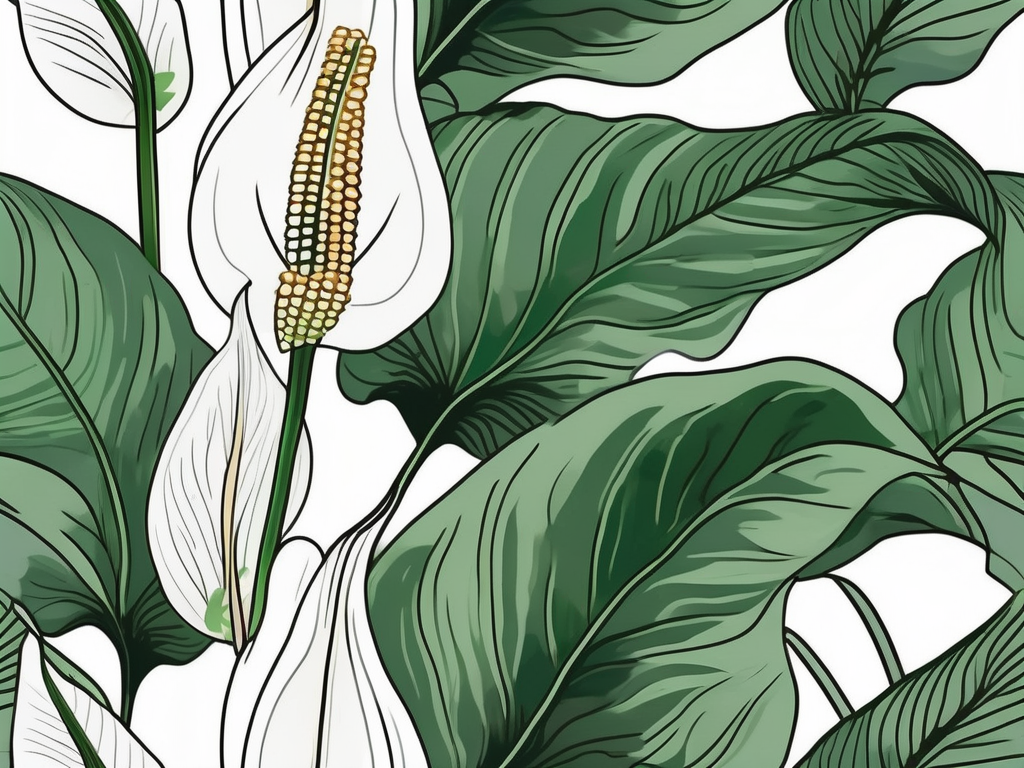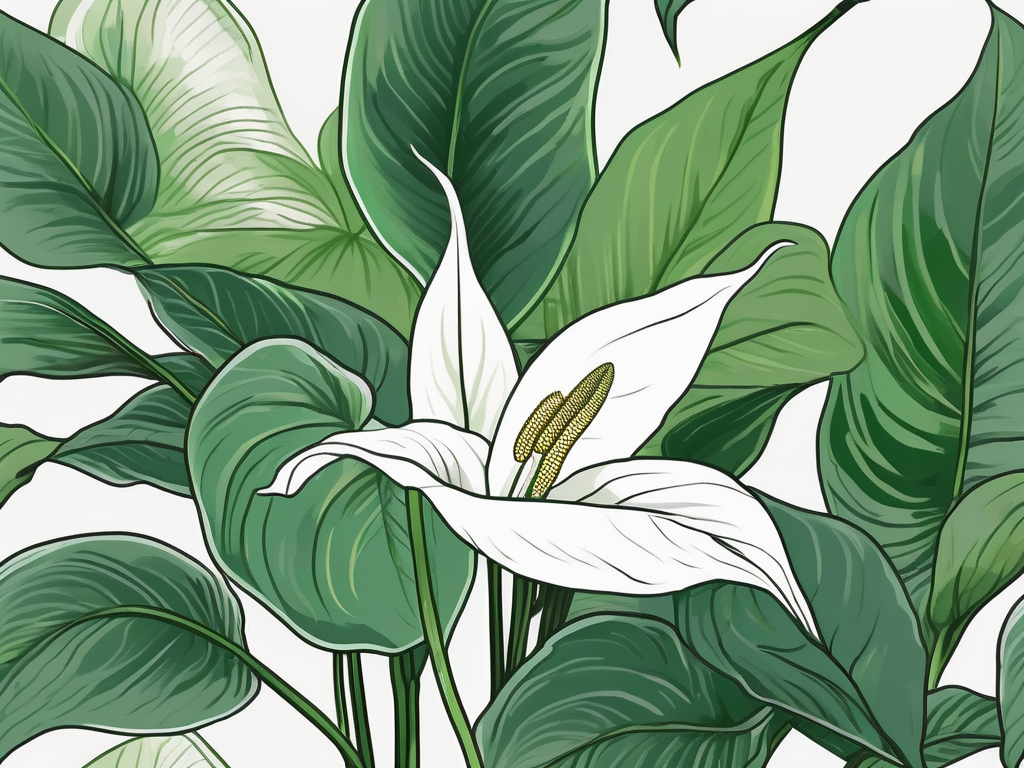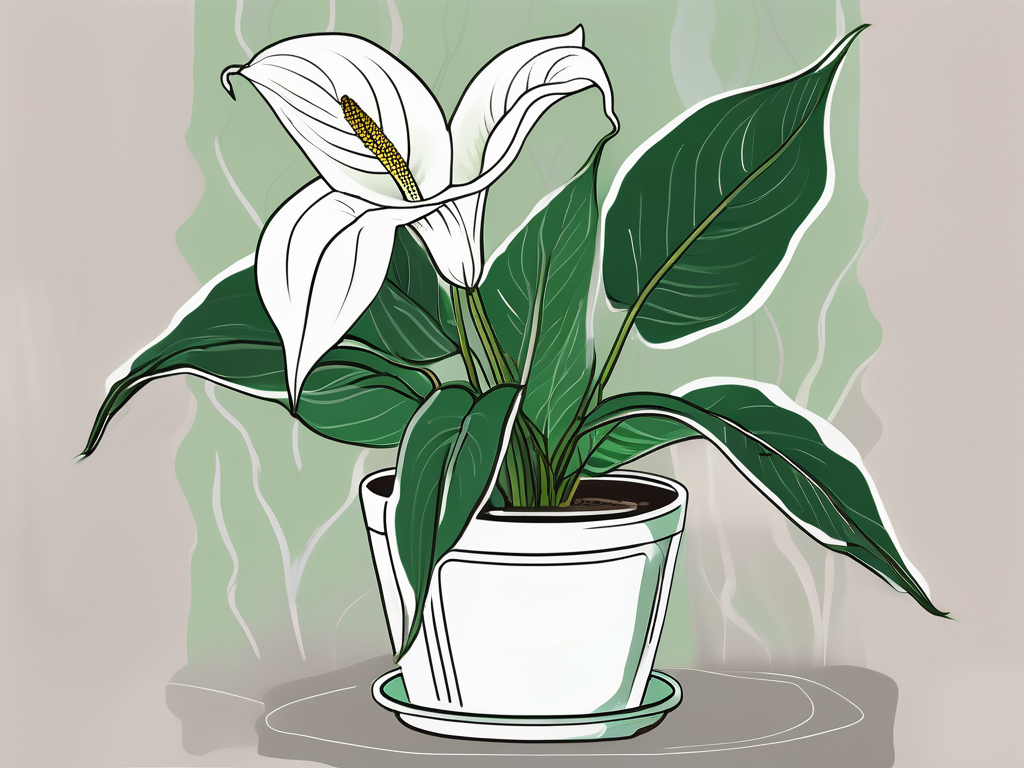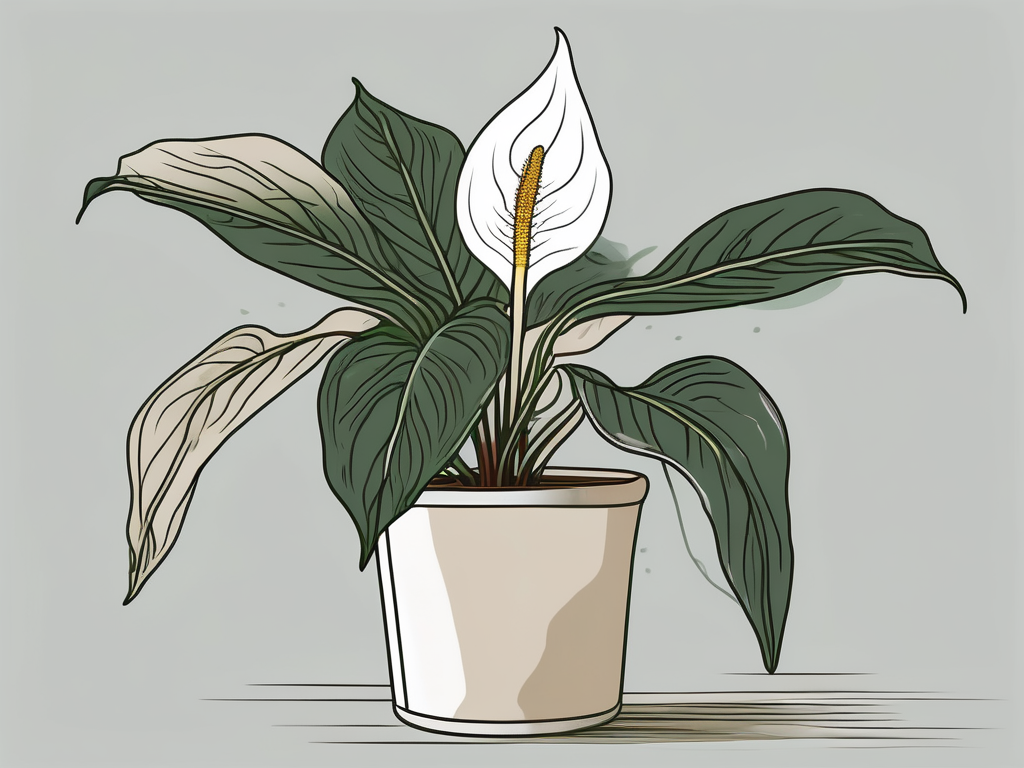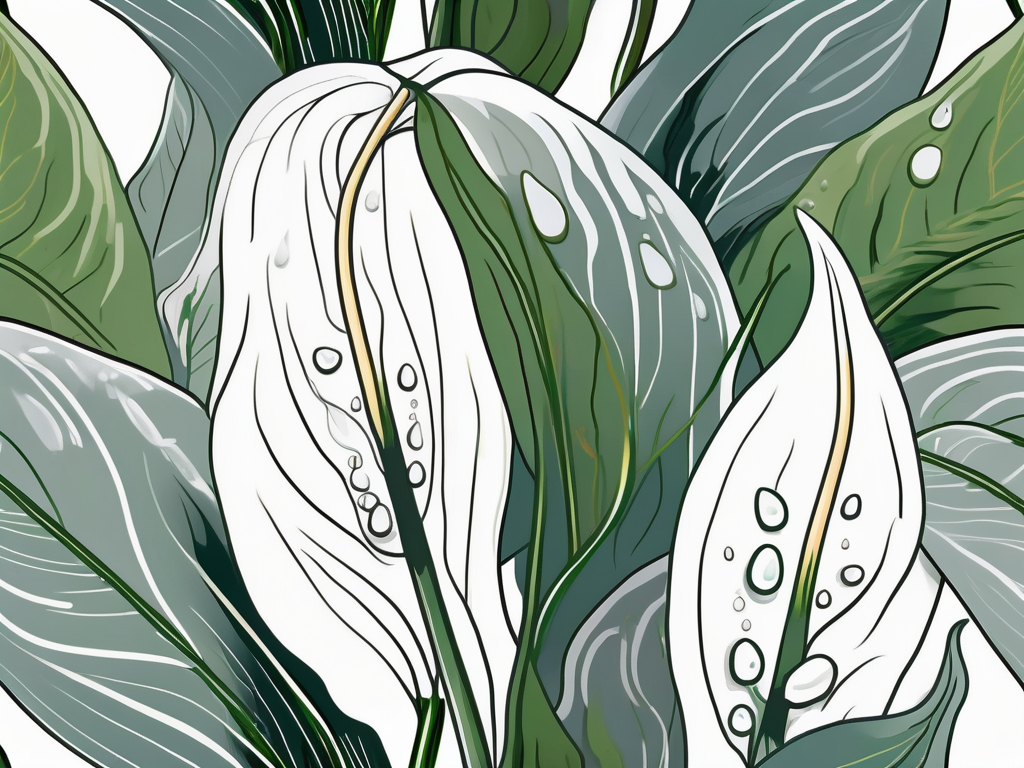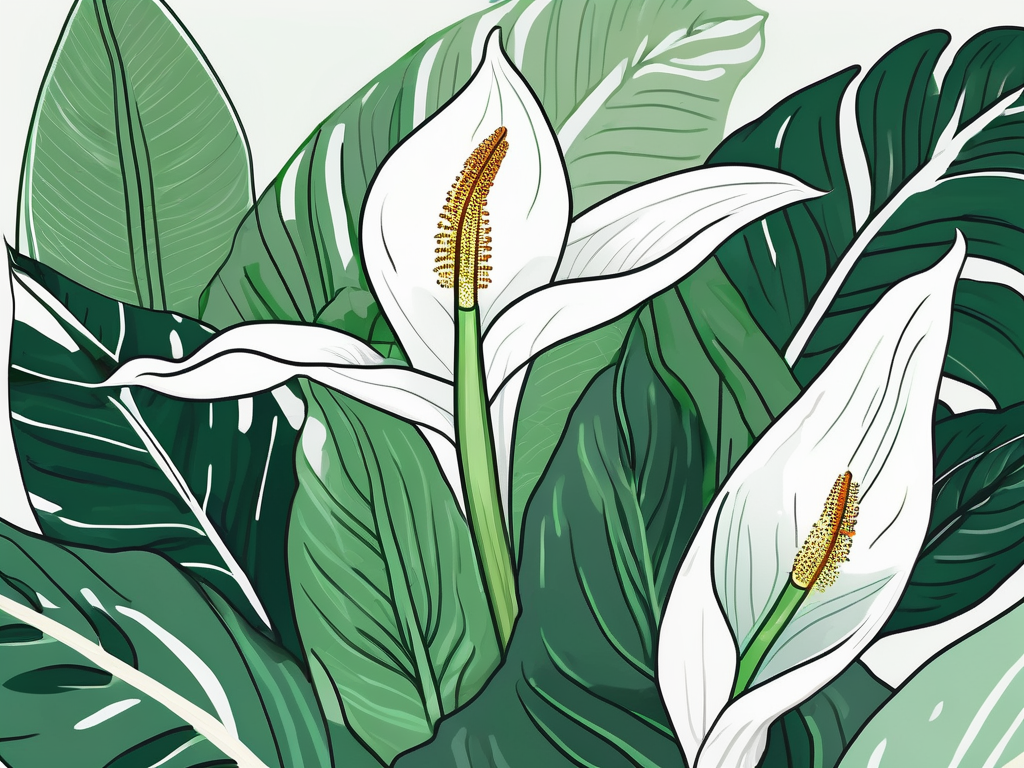
Imagine wandering through a lush tropical forest, where the air is warm and humid, and the ground is covered in a thick layer of rich, dark soil. You might stumble upon a beautiful peace lily, its glossy green leaves and striking white blooms standing out against the dense greenery. While these plants are a common sight in homes and offices, their natural habitat is a world away from the pots and planters we're used to.
Today's journey takes us to the wild origins of the peace lily. We'll uncover where these plants thrive naturally, how they adapt to their environment, and what their wild existence can teach us about caring for them indoors. So, grab a cup of tea, get comfortable, and let's explore the enchanted world of peace lilies in the wild.
The Native Habitat of Peace Lilies
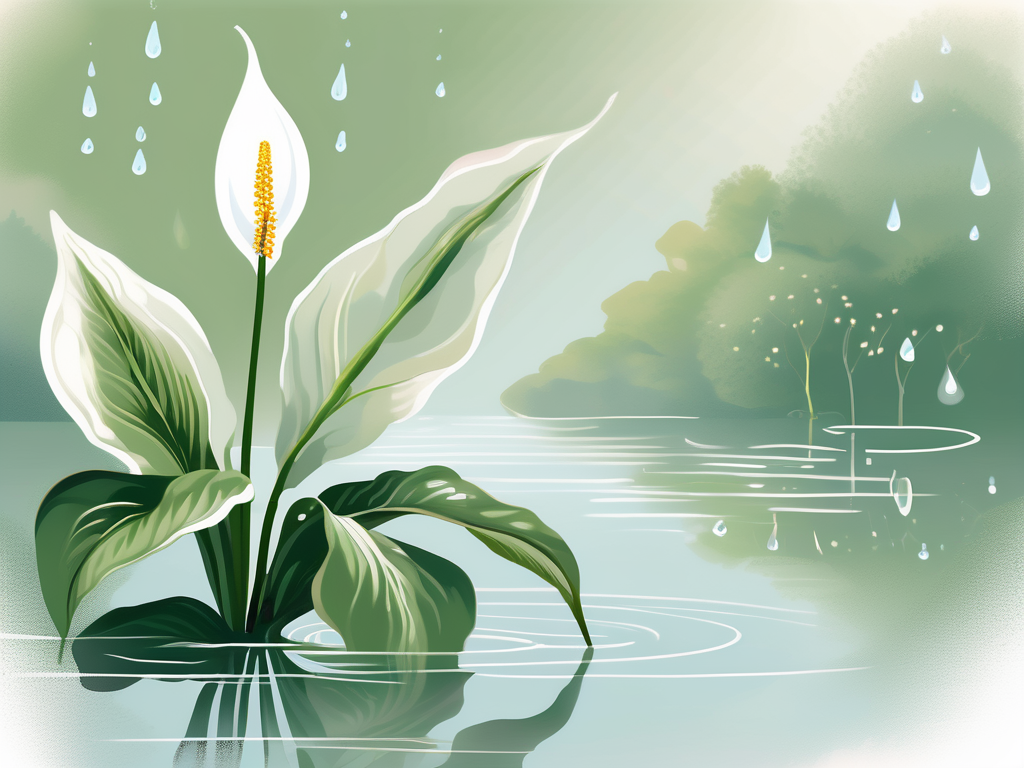
Peace lilies, or Spathiphyllum as botanists call them, hail from tropical regions of the Americas and Southeast Asia. These areas are known for their warm climates, high humidity, and abundant rainfall. In the wild, peace lilies are not just surviving; they're thriving in this environment. Their natural habitat is a testament to their resilience and adaptability.
Typically, you'll find peace lilies growing on the forest floor, where they enjoy the dappled sunlight filtering through the canopy above. Unlike many houseplants that crave direct sunlight, peace lilies have evolved to prefer indirect light. This adaptation allows them to flourish under the protective cover of larger trees and foliage. The forest floor offers a consistent level of moisture, thanks to the decomposing plant matter, which provides a rich and nutrient-dense substrate for the lilies to sink their roots into.
Interestingly, these plants have a symbiotic relationship with their surroundings. The dense canopy not only shades them from harsh sunlight but also traps moisture, creating a humid microclimate that supports the peace lily's growth. This natural setting provides clues about the conditions we should aim to replicate when caring for peace lilies at home.
Adapting to the Wild: Survival Strategies
In the wild, peace lilies have developed several strategies to ensure their survival. One of the most notable is their ability to purify the air. It's like they have their own built-in air filtration system! This quality makes them incredibly popular as indoor plants, but it also plays a crucial role in their natural habitat.
Peace lilies have broad, glossy leaves that are excellent at capturing and converting sunlight, even in low-light conditions. The leaves' surface area also helps in transpiration, a process where water is released from the plant into the atmosphere, aiding in humidity regulation around the plant. This is particularly beneficial in their native humid environments, where maintaining moisture balance is key.
Moreover, these plants have evolved to be relatively pest-resistant, which is a handy trait in the wild. The peace lily's leaves contain compounds that deter many leaf-munching insects. However, in a home setting, they can still fall prey to pests like spider mites if the conditions are too dry or if they're weakened by other factors.
Lessons from the Wild for Indoor Care
Understanding the natural habitat of the peace lily can greatly inform how we care for them indoors. Here are a few takeaways from their wild existence:
- Light: Peace lilies prefer bright, indirect light. Direct sunlight can scorch their leaves, so it's best to place them in a spot where they'll receive filtered light, similar to the dappled sunlight of a forest.
- Humidity: These plants thrive in high humidity, which can be a challenge in some indoor environments. Consider using a pebble tray or a humidifier to boost humidity levels, especially during dry winter months.
- Soil: Mimic the rich, organic soil of their natural habitat by using a well-draining potting mix. Adding some organic matter like peat moss or compost can help retain moisture while providing nutrients.
- Watering: Peace lilies like to be kept moist but not waterlogged. Allow the top inch of soil to dry out before watering again. Overwatering can lead to root rot, which is something to watch out for.
Coexisting with Other Flora and Fauna
In their natural setting, peace lilies coexist harmoniously with a variety of other plants and wildlife. This interconnected ecosystem is crucial for their survival. The towering trees provide shade and shelter, while smaller plants and mosses help retain soil moisture and prevent erosion. Insects and birds play a role in pollination, ensuring that peace lilies can reproduce and spread throughout their habitat.
Interestingly enough, peace lilies contribute to the ecosystem by purifying the air. They absorb pollutants through their leaves and convert them into harmless substances. This natural air purification is one reason why peace lilies are so popular as indoor plants. They not only add beauty to a space but also improve air quality, making them a great addition to any home or office.
In the wild, the peace lily's ability to adapt to its surroundings ensures it remains a vital part of the ecosystem. By studying how peace lilies interact with other flora and fauna, we can learn valuable lessons about creating a balanced environment for them indoors. This includes not only providing the right light and humidity but also considering the other plants and elements in their space that can support their growth.
The Peace Lily's Seasonal Rhythms
While we often think of tropical regions as having a consistent climate year-round, there are actually subtle seasonal changes that affect the growth patterns of peace lilies in the wild. These plants have adapted to these changes in fascinating ways.
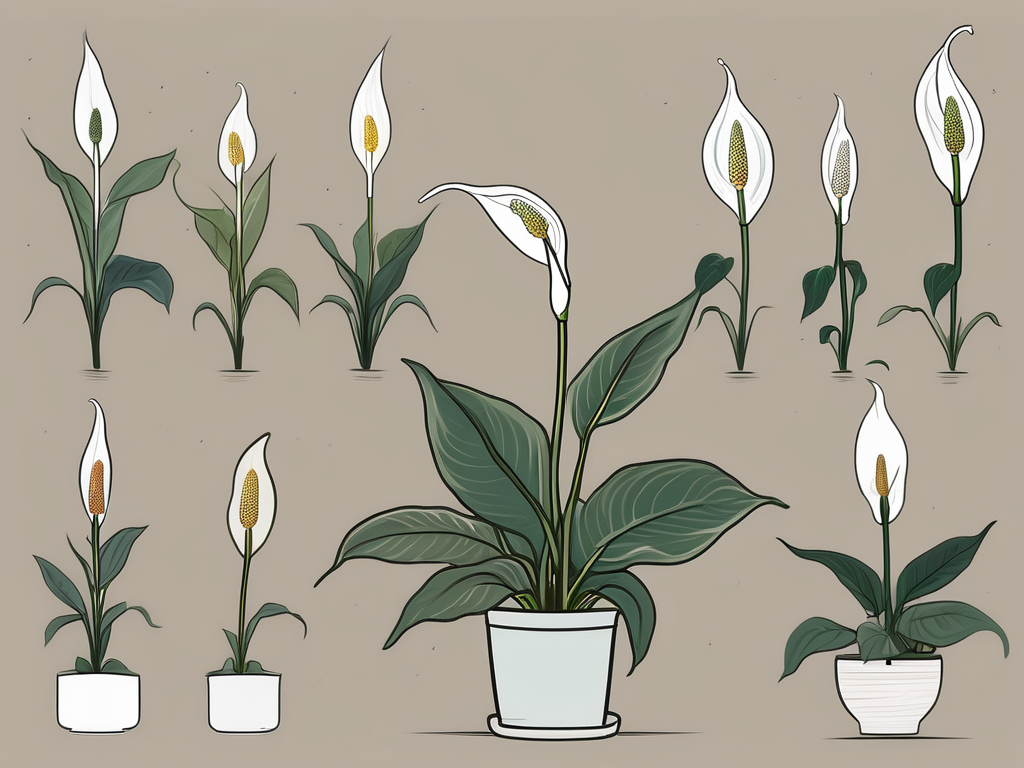
During the wet season, peace lilies experience a growth spurt as they take advantage of the abundant rainfall and high humidity. Their leaves become more vibrant, and they may produce more blooms. In contrast, the dry season prompts a period of dormancy, where growth slows down, and the plant conserves its resources.
Understanding these natural rhythms can help us anticipate and respond to the needs of our peace lilies at home. For instance, during the summer months, you might notice your peace lily growing more vigorously, which could mean it needs more frequent watering and potentially a bit of fertilizer. On the other hand, in winter, when indoor air tends to be drier, increasing humidity levels and reducing watering can help mimic the peace lily's natural dormant period.
Cultural Significance and Symbolism
Beyond their ecological role, peace lilies hold cultural and symbolic significance in various parts of the world. They are often associated with purity and tranquility, thanks to their pristine white blooms and calming presence. In many cultures, peace lilies are given as gifts to convey sympathy and support during difficult times.
The symbolism of the peace lily is also tied to its natural ability to purify the air. This quality is seen as a metaphor for cleansing and renewal, making peace lilies a popular choice for spaces where people seek calm and clarity, such as meditation rooms or bedrooms.
Incorporating peace lilies into your home can be a way to connect with this symbolism and bring a sense of peace and balance to your space. Whether you're drawn to their beauty or the deeper meaning they carry, peace lilies offer a unique opportunity to blend nature and culture in a meaningful way.
Challenges in the Wild
While peace lilies are hardy plants, they face several challenges in the wild. Deforestation, climate change, and habitat loss are significant threats to their natural environment. As forests are cleared for agriculture or urban development, the delicate balance of the ecosystem is disrupted, and peace lilies may struggle to survive.
Climate change also poses a risk, as shifting weather patterns can alter the availability of water and sunlight. Prolonged dry spells or unseasonal storms can stress peace lilies and hinder their growth, affecting their ability to reproduce and thrive.
These challenges underscore the importance of conservation efforts to protect the natural habitats of peace lilies and other plant species. By supporting initiatives that preserve tropical forests and promote sustainable practices, we can help ensure that peace lilies and their ecosystems continue to flourish for generations to come.
Replicating the Wild at Home
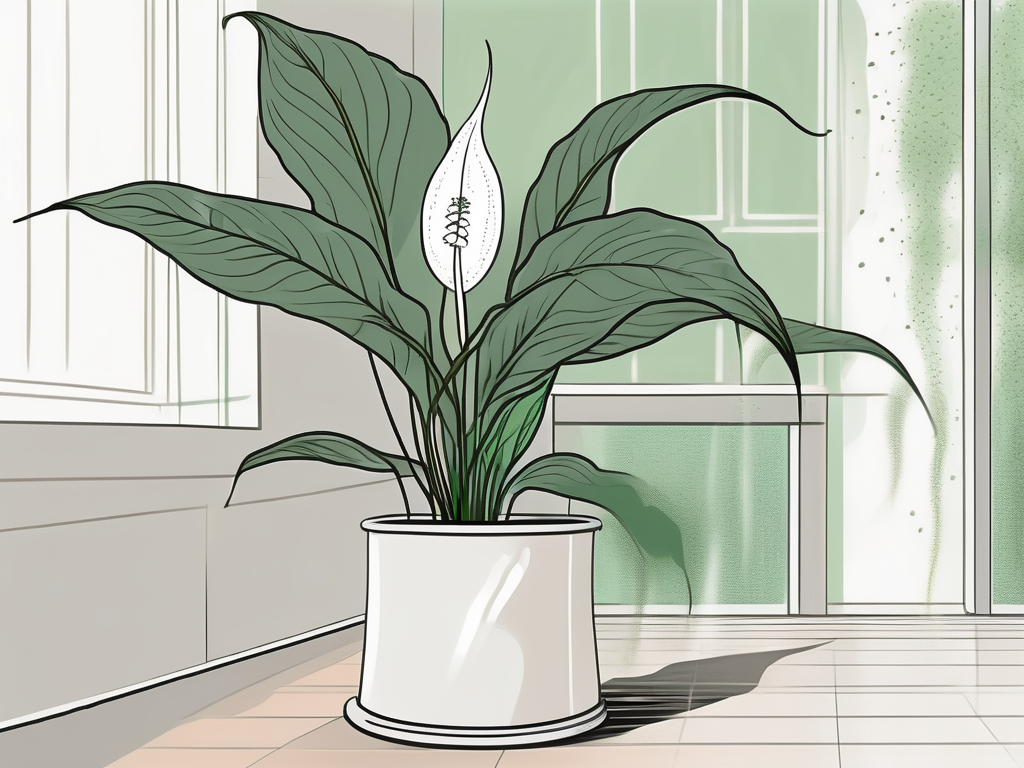
If you're inspired by the peace lily's natural habitat and want to create a similar environment in your home, there are several ways to achieve this. Start by considering the placement of your peace lily. A spot that receives bright, indirect light is ideal, such as near a north or east-facing window.
To replicate the humidity of a tropical forest, try grouping your peace lily with other humidity-loving plants. This can create a microclimate that supports all your plants, much like the interconnected ecosystem in the wild. You can also mist your peace lily regularly or place a small humidifier nearby to maintain moisture levels.
When it comes to soil, opt for a high-quality potting mix that drains well yet retains some moisture. Adding a layer of mulch on top of the soil can help conserve moisture and mimic the natural forest floor environment. Remember to water consistently but avoid letting the plant sit in standing water, as this can lead to root rot.
By taking cues from the peace lily's wild origins, you can create a thriving indoor environment that brings a touch of the tropical forest into your home.
Final Thoughts
In summary, understanding the enchanting habitat of the peace lily in the wild offers valuable insights into its care and cultivation at home. From their adaptation strategies to their role in the ecosystem, peace lilies are remarkable plants that bring beauty and benefits to any space.
At Cafe Planta, we love sharing our passion for plants with you. Whether you're a seasoned plant parent or just starting out, we're here to help you create a flourishing indoor garden. If you have any questions or need plant care advice, don't hesitate to reach out via email or connect with us on Instagram. Let's grow together!