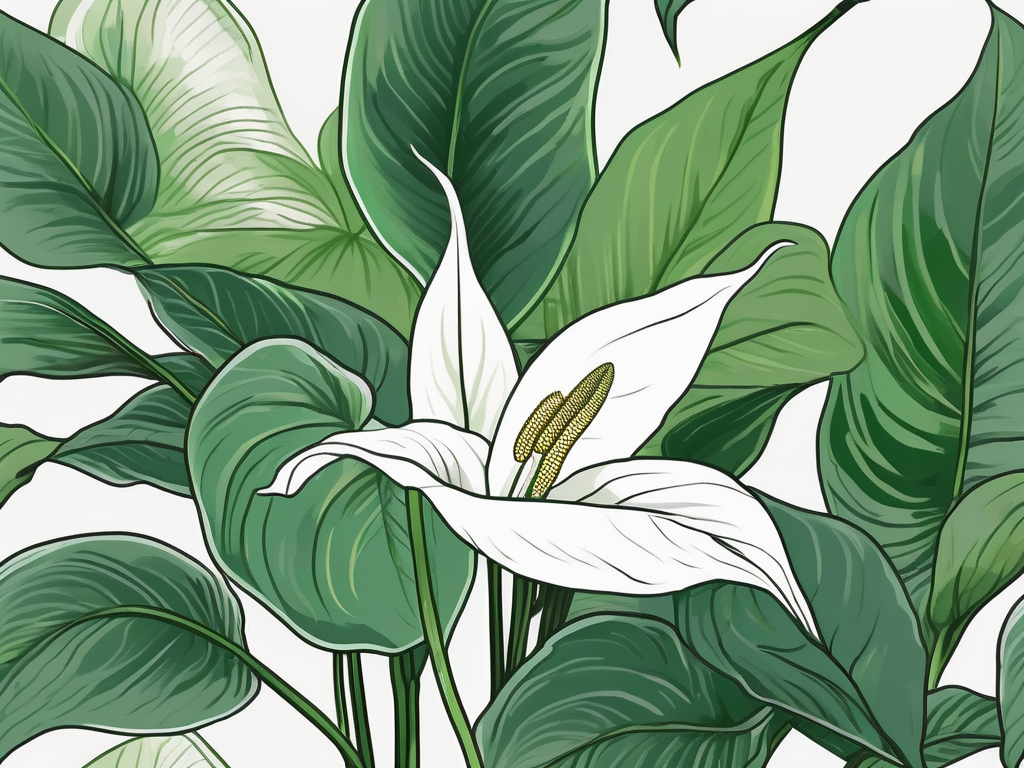
Hey there, plant lovers! If you’ve got a soft spot for houseplants, chances are you’ve come across the elegant peace lily. With its glossy green leaves and striking white blooms, it's a favorite among many. But have you ever wondered about its scientific name and what it reveals about this charming plant?
Today, we’re diving into the fascinating world of the peace lily’s scientific identity, uncovering its botanical background, and sharing practical tips on how to care for this beautiful plant. Whether you’re a seasoned plant parent or just starting out, there’s something here for everyone. So, let's get started!
Understanding the Scientific Name: Spathiphyllum
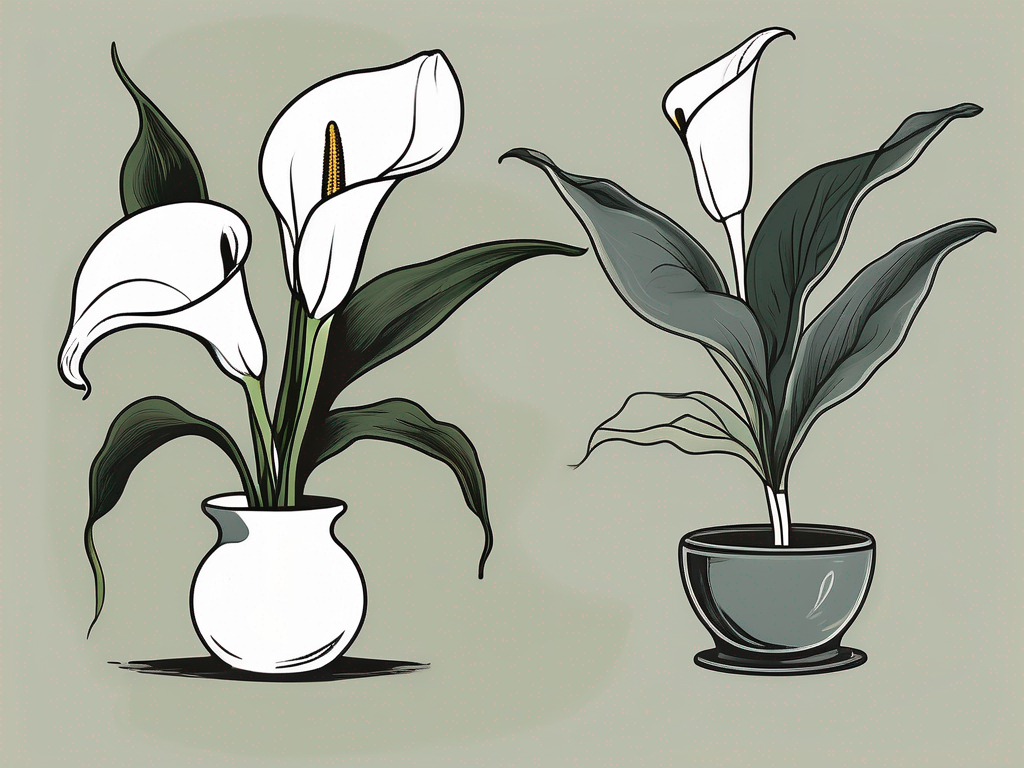
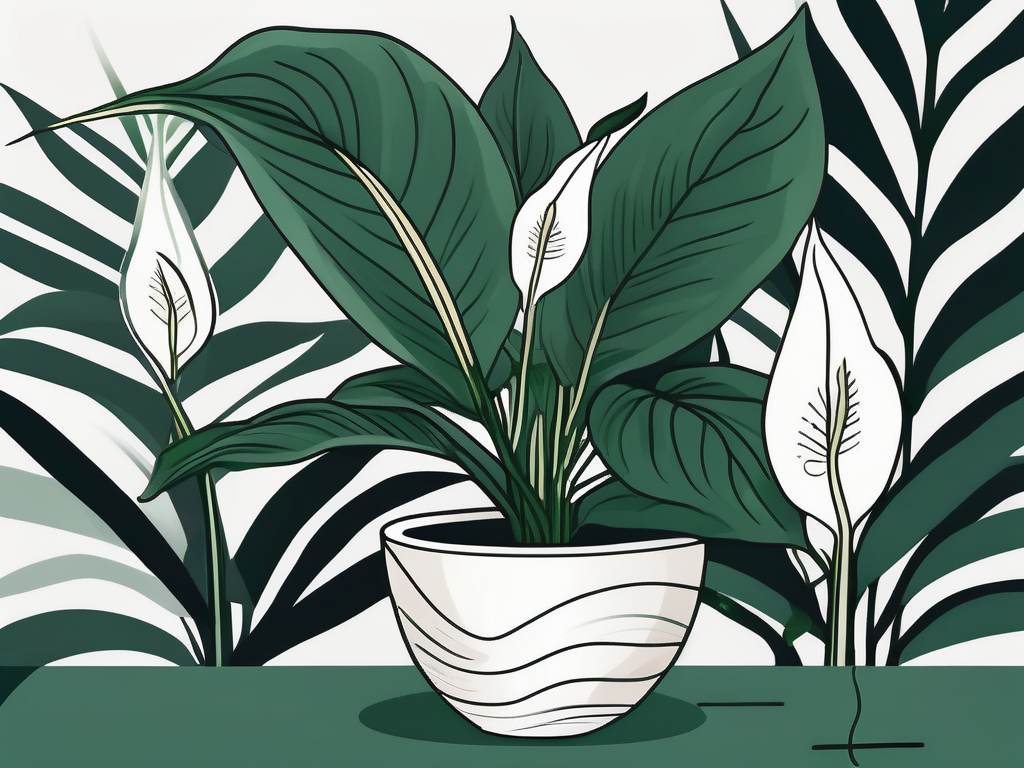
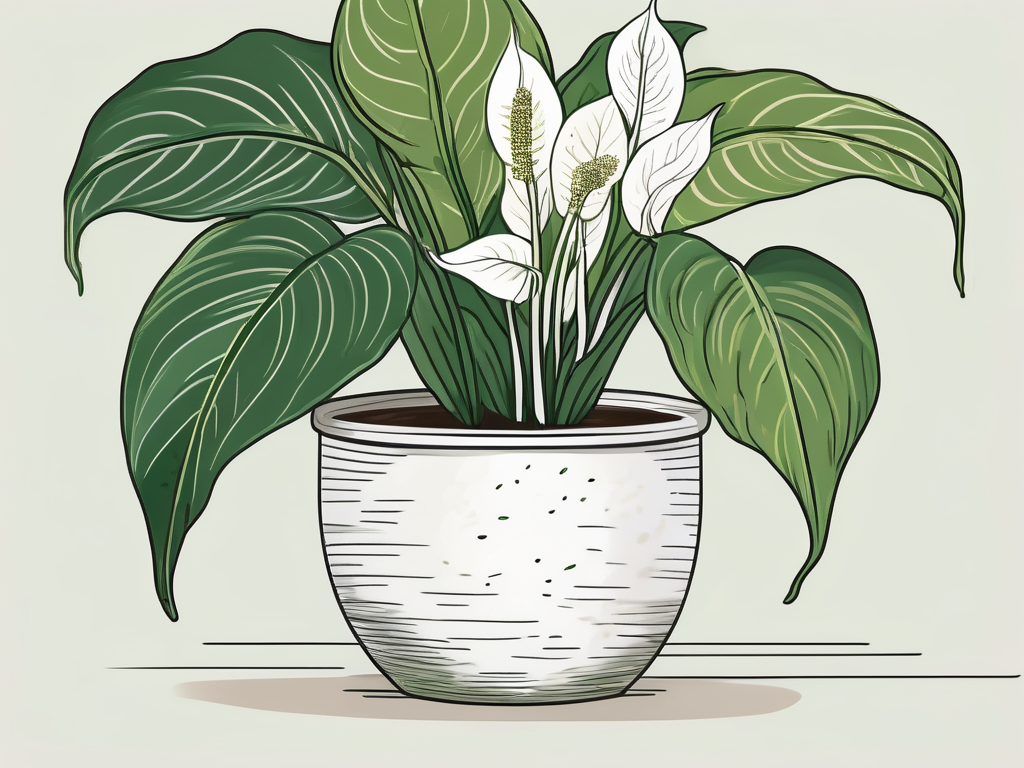
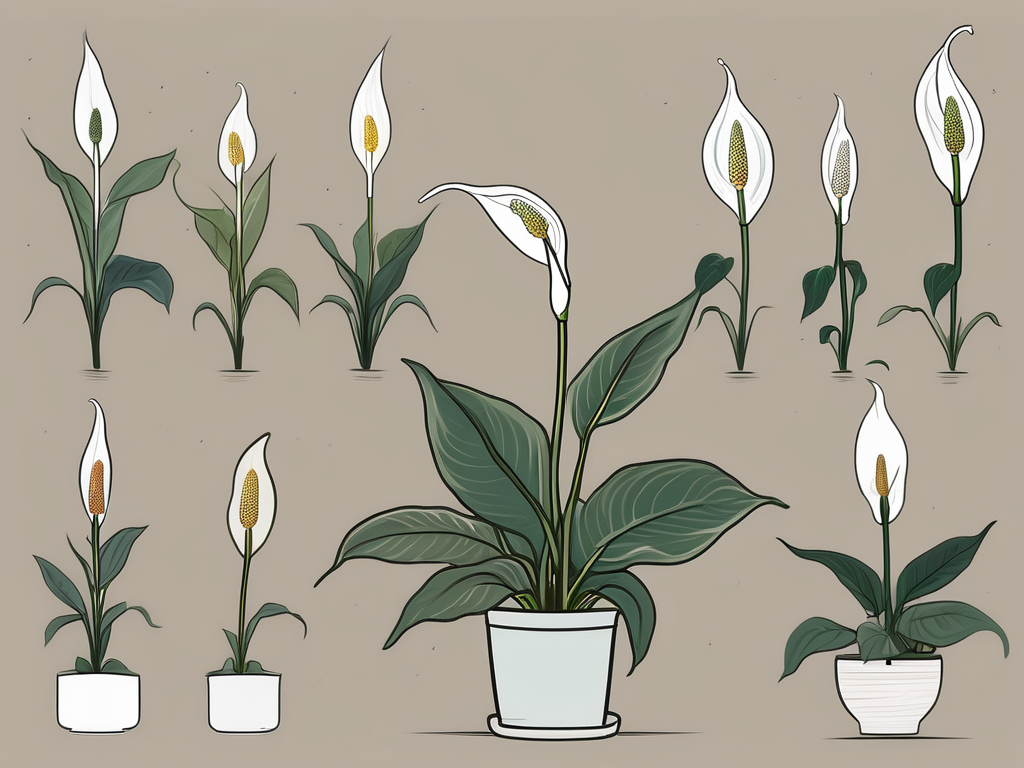
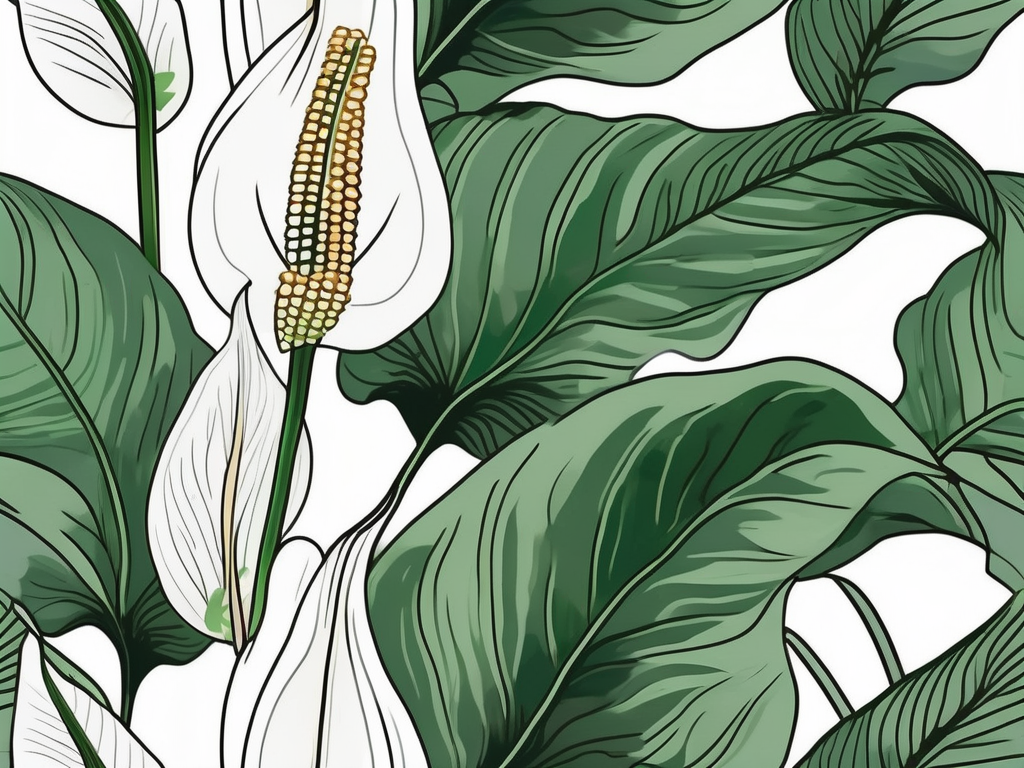
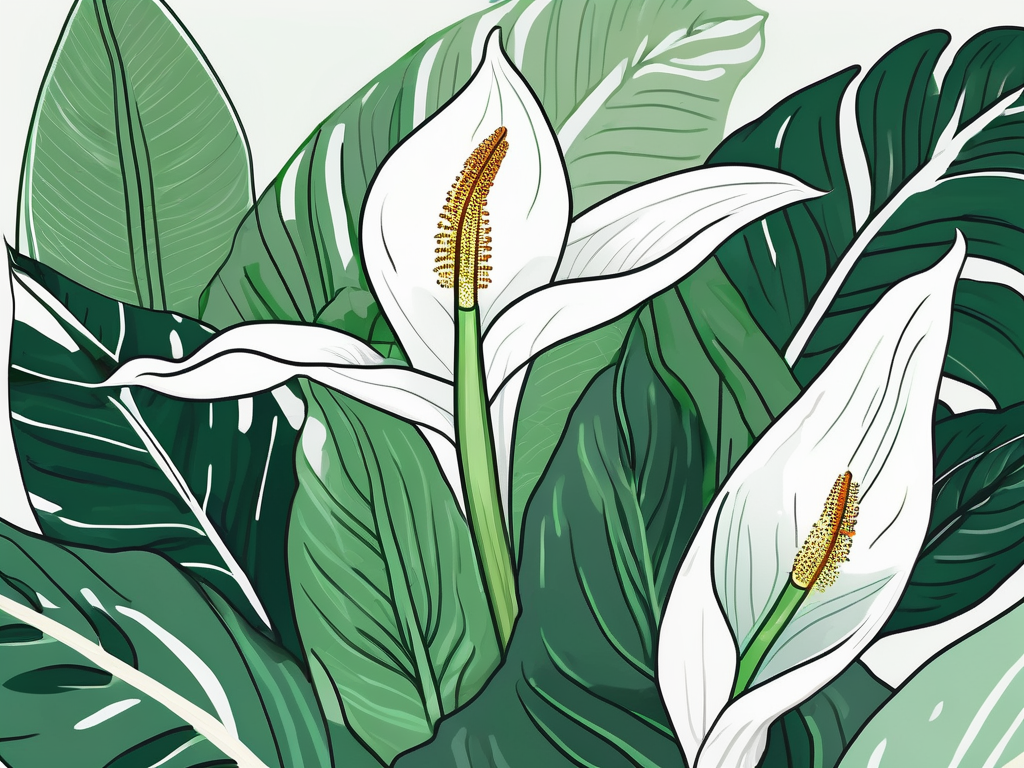
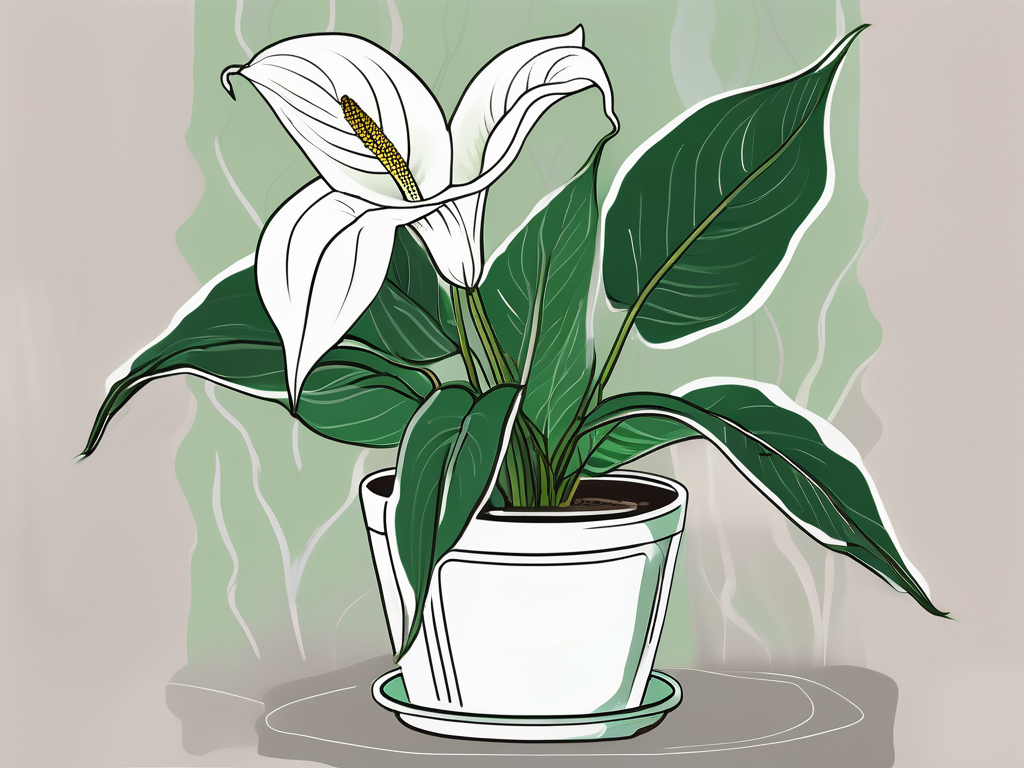
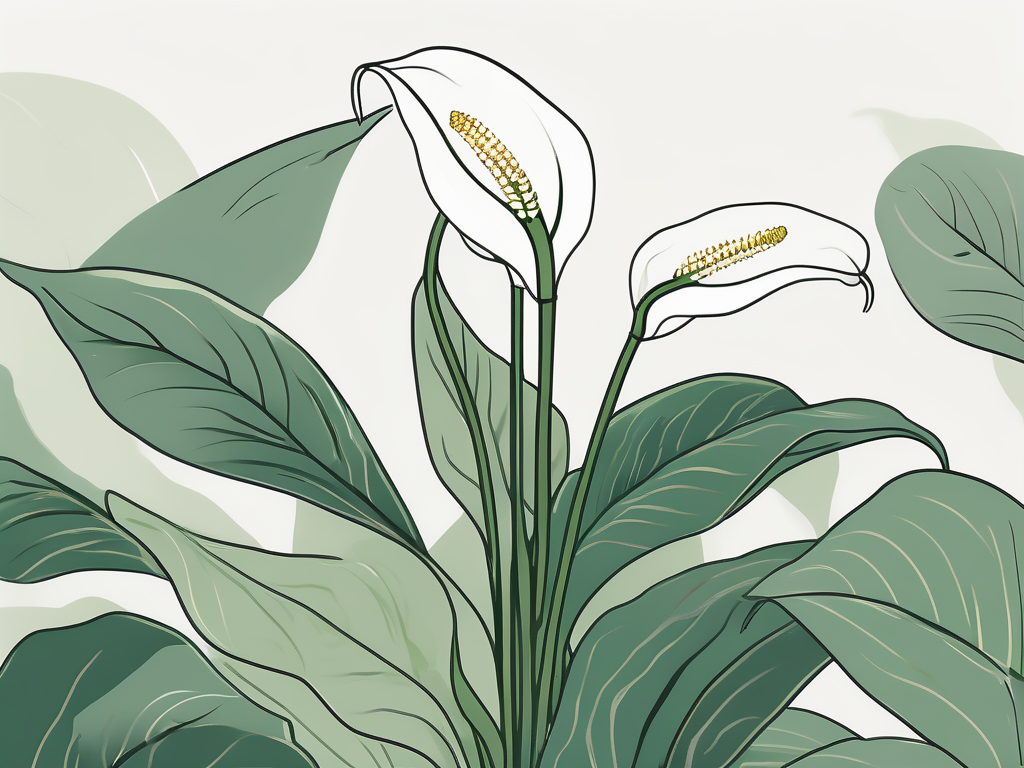
The peace lily is scientifically known as Spathiphyllum, a name that might sound like a mouthful but holds a world of botanical intrigue. The genus Spathiphyllum belongs to the Araceae family, which includes other popular houseplants like pothos and philodendron. This family is known for its unique flowering structure, called a spadix, which is often surrounded by a spathe—a modified leaf that looks like a petal.
The name Spathiphyllum comes from the Greek words 'spath' (meaning spathe) and 'phyllon' (meaning leaf). This is a nod to the plant's distinctive appearance, with the spathe being the most eye-catching part. Interestingly enough, what many people think of as the flower is actually the spathe, while the true flowers are tiny and found on the spadix.
Understanding the scientific name not only helps in identifying the plant but also offers insights into its natural history and how it fits into the plant kingdom. Plus, knowing the scientific name can make you sound like a true plant expert at your next plant swap!
Origins and Natural Habitat
The peace lily’s natural habitat is as lush as its appearance suggests. Native to tropical regions of the Americas and Southeastern Asia, these plants thrive in warm, humid environments. They’re often found in the understory of rainforests, where they receive dappled sunlight filtered through the canopy above.
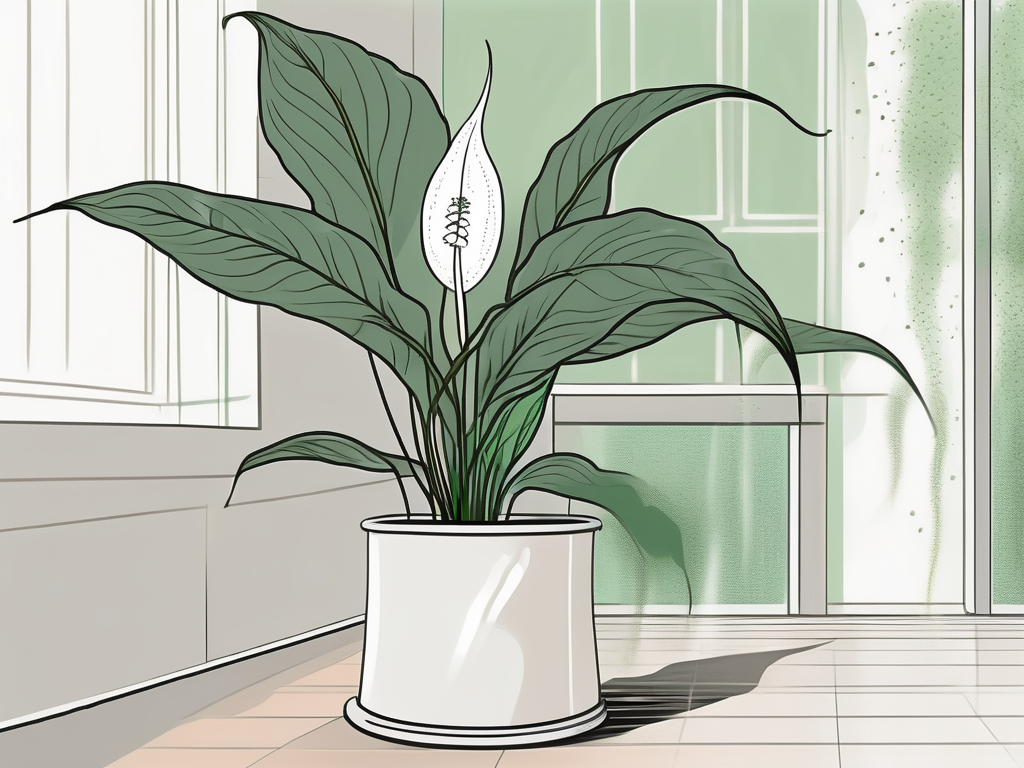
This natural setting tells us a lot about how to care for peace lilies in our homes. They prefer environments that mimic their native habitats—think warm temperatures and indirect light. Understanding where the peace lily comes from can help us recreate similar conditions in our homes, ensuring the plant thrives rather than merely survives.
One fascinating aspect of the peace lily is its adaptability. It can grow in water as well as soil, a trait that makes it versatile for different home settings. Whether you place it in a pot with well-draining soil or in a vase with water, the peace lily can adjust, although soil is generally preferred for long-term health.
Care and Maintenance
Now that we know a bit more about the peace lily’s background, let’s talk about how to keep it happy and healthy in your home. These plants are known for being relatively low-maintenance, making them ideal for beginners and busy plant parents alike.
Here are some basic care tips:
- Light: Peace lilies do best in bright, indirect light. Direct sunlight can scorch their leaves, while too little light can prevent flowering.
- Water: Keep the soil consistently moist but not soggy. Peace lilies are great at telling you when they need water—their leaves will droop slightly when thirsty.
- Humidity: Higher humidity levels are preferable, though peace lilies can tolerate average household conditions. Misting the leaves or placing the pot on a pebble tray with water can help.
- Temperature: These plants prefer temperatures between 65-85°F (18-29°C) and should be kept away from cold drafts or sudden temperature changes.
- Fertilizer: A balanced, water-soluble fertilizer applied every 6-8 weeks during the growing season (spring and summer) supports growth and flowering.
Keeping these tips in mind will help your peace lily flourish, adding a touch of green grace to your living space.
Common Issues and Solutions
Even the most diligent plant parent might encounter a hiccup or two with their peace lily. Here are some common issues and how to address them:
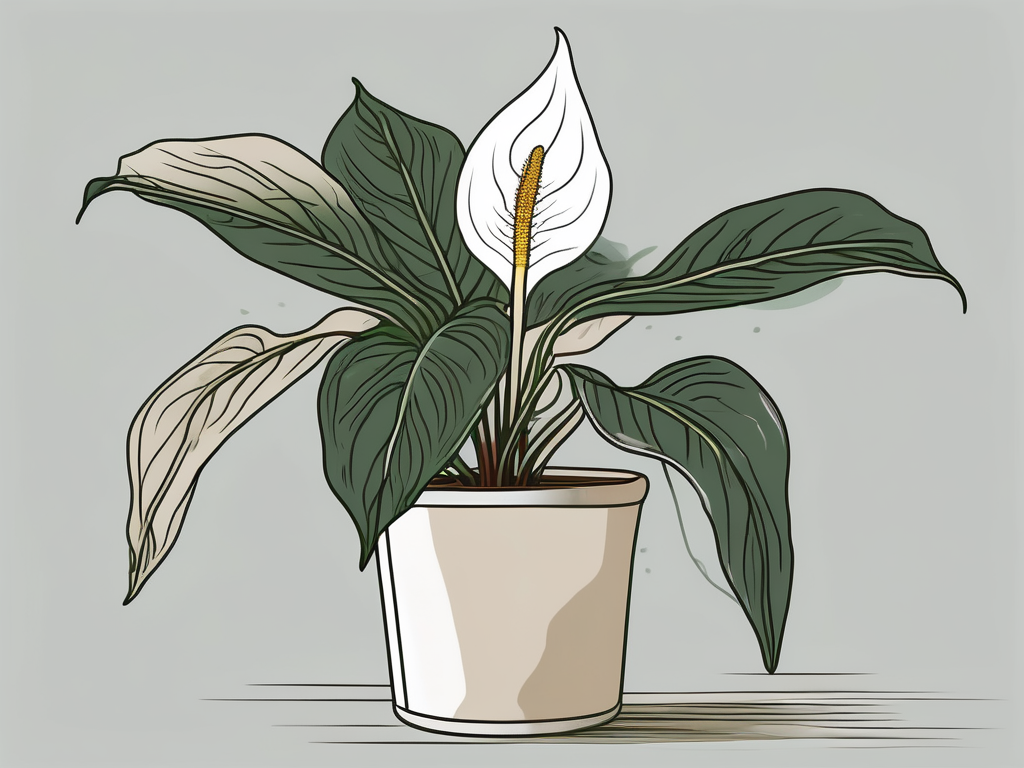
- Yellowing Leaves: This can indicate overwatering. Let the soil dry out a bit before watering again. Ensure your pot has adequate drainage.
- Brown Tips: Often caused by low humidity or fluoride in tap water. Try using distilled water and increasing humidity around your plant.
- No Blooms: Lack of flowers can result from insufficient light. Moving your plant to a brighter spot can encourage blooming.
Addressing these issues promptly and adjusting your care routine as needed can keep your peace lily in top shape.
Designing with Peace Lilies
Peace lilies aren’t just about aesthetics—they’re versatile players in interior design. Their lush foliage and elegant white spathes make them perfect for adding a touch of tranquility to any room. Here are some ideas for incorporating peace lilies into your home decor:
- Centerpiece: Use a large peace lily as a focal point on a dining table or coffee table. Its sculptural form can stand alone or complement fresh cut flowers.
- Grouped Display: Cluster several peace lilies of different sizes for a layered look. This works well in corners or alongside other tropical plants.
- Bathroom Buddy: Peace lilies thrive in the humid environment of a bathroom. Place one on a windowsill or bathroom counter for a spa-like atmosphere.
With a bit of creativity, peace lilies can transform your living space into a serene, plant-filled haven.
The Peace Lily’s Role in Air Purification
Beyond their beauty, peace lilies are known for their air-purifying abilities. In fact, a NASA study highlighted their effectiveness at removing common indoor pollutants like formaldehyde, benzene, and trichloroethylene from the air.
By adding a peace lily to your home, you’re not only enhancing your decor but also contributing to cleaner, healthier indoor air. This makes them particularly beneficial in spaces with limited ventilation or in urban settings where air quality might be a concern.
Keep in mind that while peace lilies can help improve air quality, they’re not a substitute for proper ventilation. However, they do offer a lovely, natural way to enhance the overall atmosphere of your home.
Propagation: Growing More Peace Lilies
If you’re like many plant lovers, you might find yourself wanting more peace lilies around your home. Luckily, propagating them is a straightforward process. The best method is through division, which involves separating the plant into smaller sections, each with its own root system.
- Choose the Right Time: The best time to divide a peace lily is during the growing season, usually spring or early summer.
- Prepare Your Tools: You’ll need a clean, sharp knife or pruning shears, fresh potting mix, and pots for the new plants.
- Remove the Plant: Gently remove the peace lily from its pot and carefully brush away excess soil to expose the roots.
- Divide the Plant: Look for natural divisions in the root system and separate them into smaller sections. Each section should have a healthy root ball and foliage.
- Repot: Plant each division in its own pot with fresh potting mix, water thoroughly, and place in a suitable location.
With a bit of patience and care, you can expand your peace lily collection, or even share the joy by gifting a new plant to a friend.
Fun Facts About Peace Lilies
Let’s wrap up with some fun tidbits about peace lilies that might surprise you:
- Symbolism: Peace lilies are often associated with purity and peace, making them a popular choice for sympathy gifts.
- Pet Safety: While peace lilies are stunning, they’re mildly toxic to pets if ingested. Keep them out of reach from curious cats and dogs.
- Nighttime Oxygen: Unlike many plants, peace lilies continue to produce oxygen at night, making them a great addition to bedrooms.
These fascinating facts showcase just how special peace lilies can be, beyond their aesthetic appeal.
Final Thoughts
In this journey through the world of peace lilies, we’ve uncovered their scientific name, learned about their care, and discovered their role in both home decor and air purification. Whether you’re drawn to their beauty, symbolism, or health benefits, peace lilies are truly a versatile houseplant.
At Cafe Planta, we’re passionate about helping you care for your plants. If you have any questions or need advice, don’t hesitate to reach out via email or Instagram. We believe plants have the power to connect us to nature and each other. Let’s grow together!