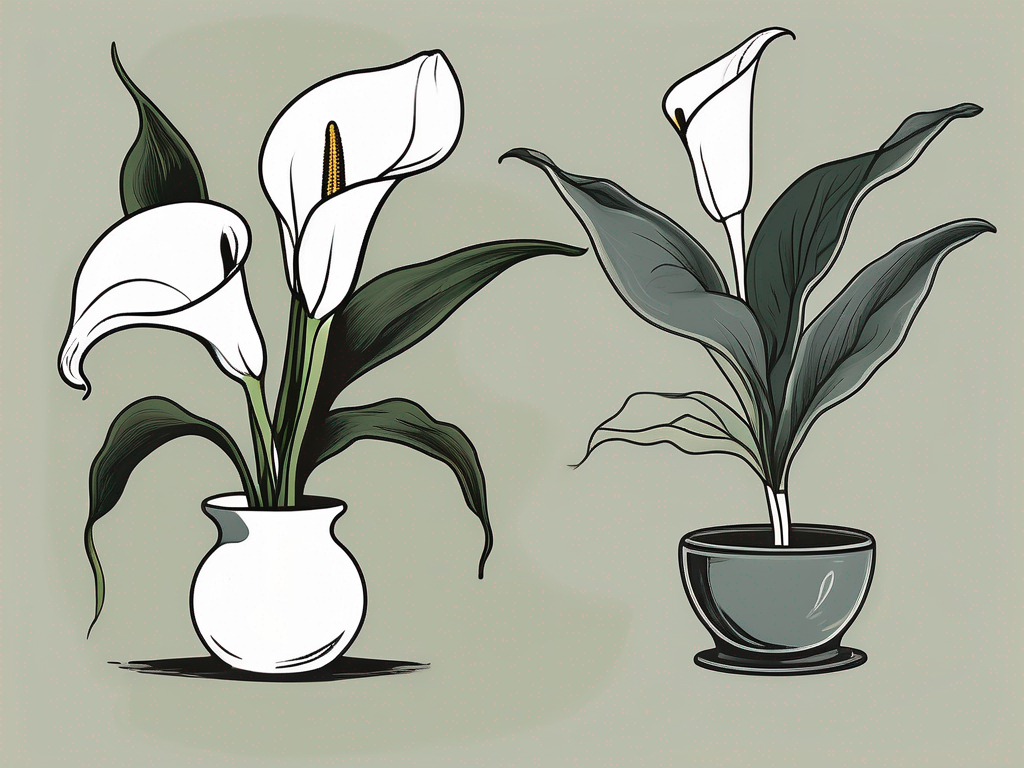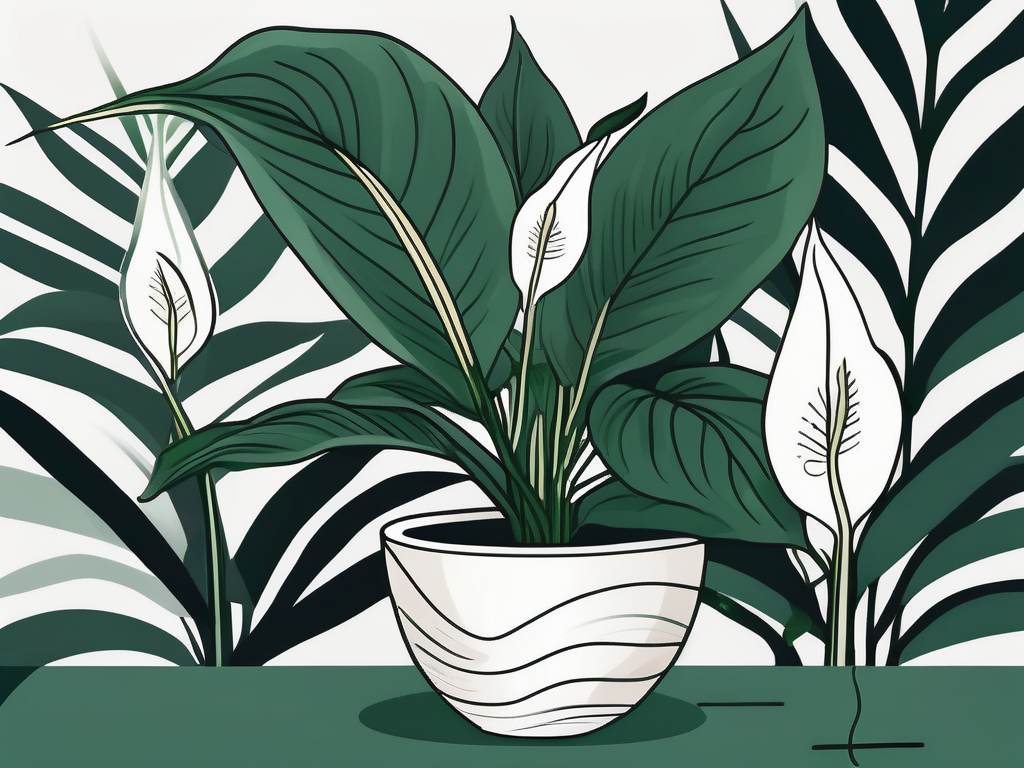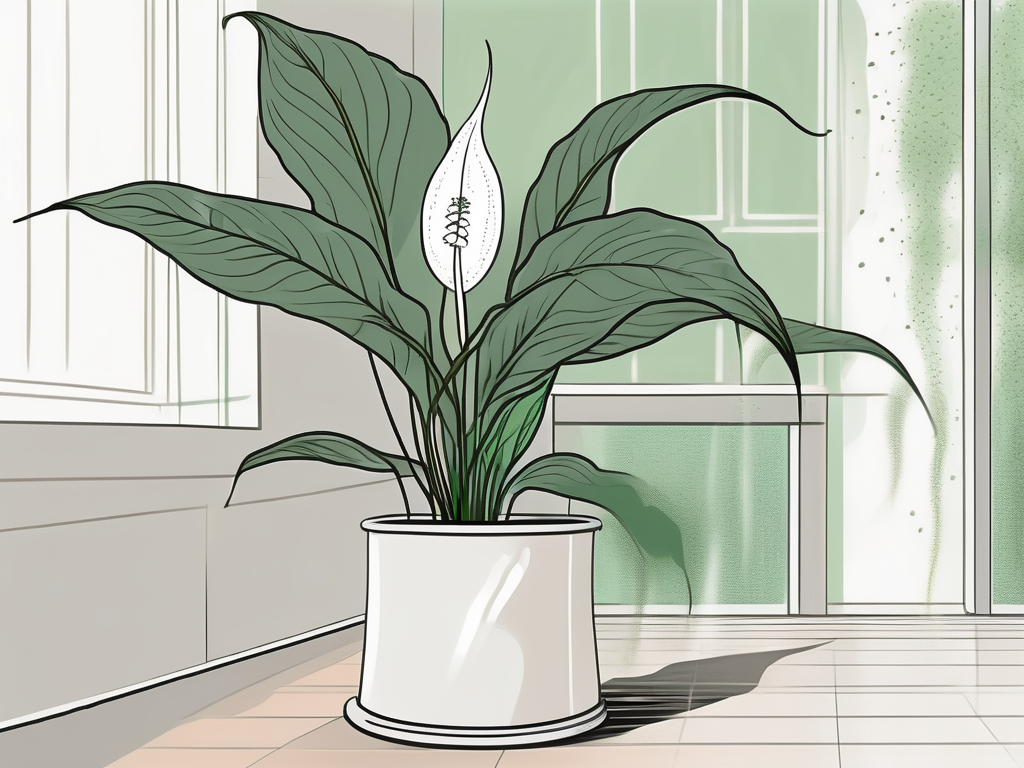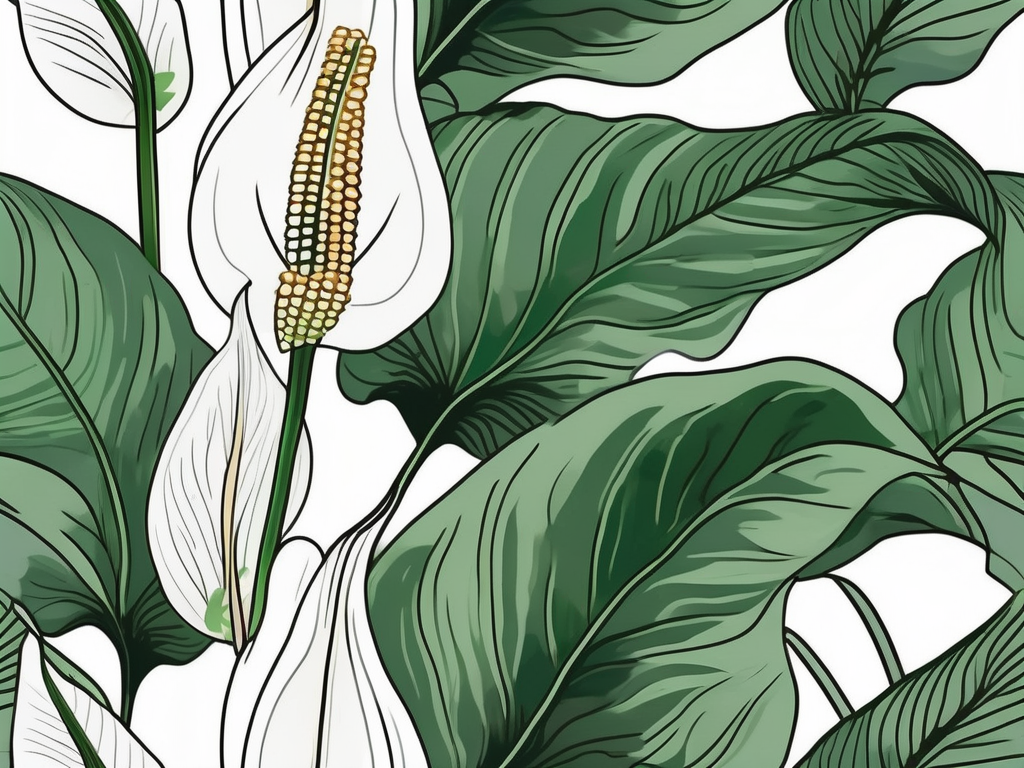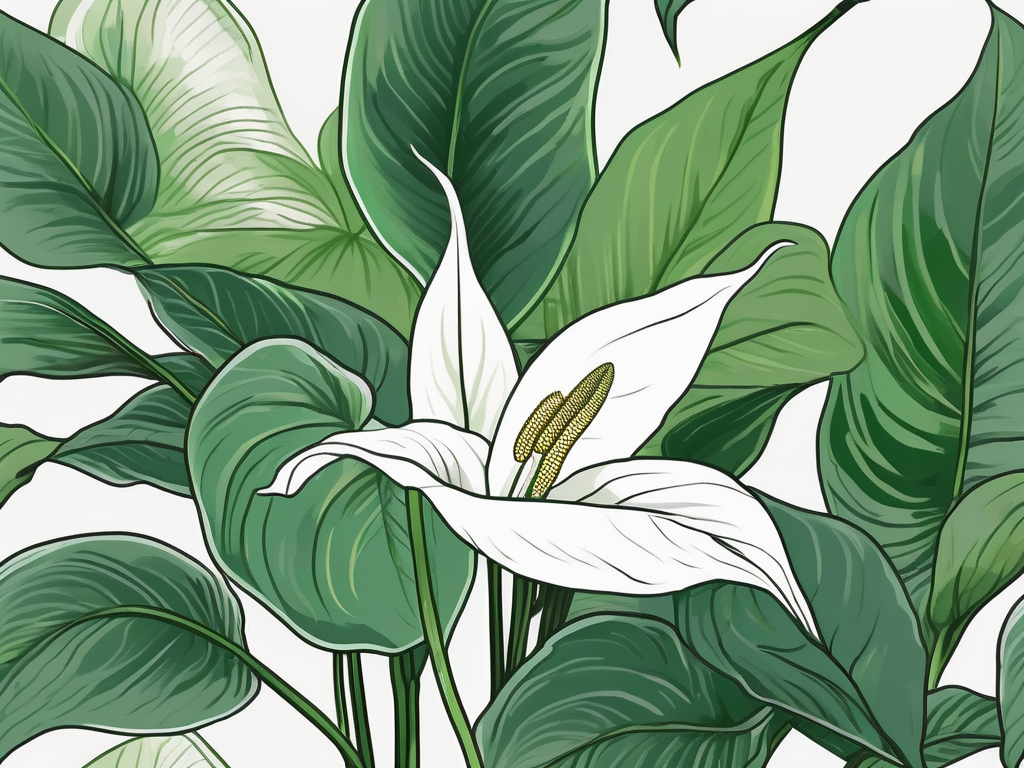
The peace lily is more than just a pretty face in the world of houseplants. With its glossy green leaves and striking white flowers, it effortlessly brings elegance and calm into any space. But there's more to this plant than meets the eye; it also boasts air-purifying qualities, making it a popular choice for plant lovers who want a touch of nature indoors.
In this article, we'll journey through everything you need to know about the peace lily. From its intriguing history and symbolism to practical care tips and design ideas, we've got you covered. Let's explore the many reasons why this plant is a favorite among both novice and seasoned plant parents.
The Historical Charm of the Peace Lily
Before we dive into the nuts and bolts of care and design, it's worth pausing to appreciate the rich history of the peace lily. Native to the tropical rainforests of Central and South America, this plant thrives in warm, humid environments. Its scientific name, Spathiphyllum, comes from Greek roots: "spathe" means blade, referring to the leaf-like bract, and "phyllon" means leaf.
The peace lily was first introduced to the horticultural world in the late 19th century, and it quickly gained popularity for its resilience and beauty. Its white blooms, which resemble a calla lily, have long been associated with peace, purity, and prosperity. This symbolism makes it a popular gift for weddings, funerals, and other occasions where these themes are cherished.
Interestingly enough, the peace lily's reputation extends beyond aesthetics. It's known for its ability to purify the air, thanks to NASA's Clean Air Study, which identified it as one of the top plants for removing pollutants like formaldehyde and benzene. This makes it more than just a pretty addition to your home—it's a natural air filter, too.
Understanding Peace Lily Care
Caring for a peace lily is relatively straightforward, which is part of its charm. However, there are a few key things to keep in mind to ensure your plant thrives. Let's break it down:
Light Requirements
Peace lilies are versatile when it comes to light. They prefer bright, indirect light but can tolerate low-light conditions, making them suitable for rooms with less natural sunshine. However, avoid placing them in direct sunlight, as this can scorch their leaves.
Watering Tips
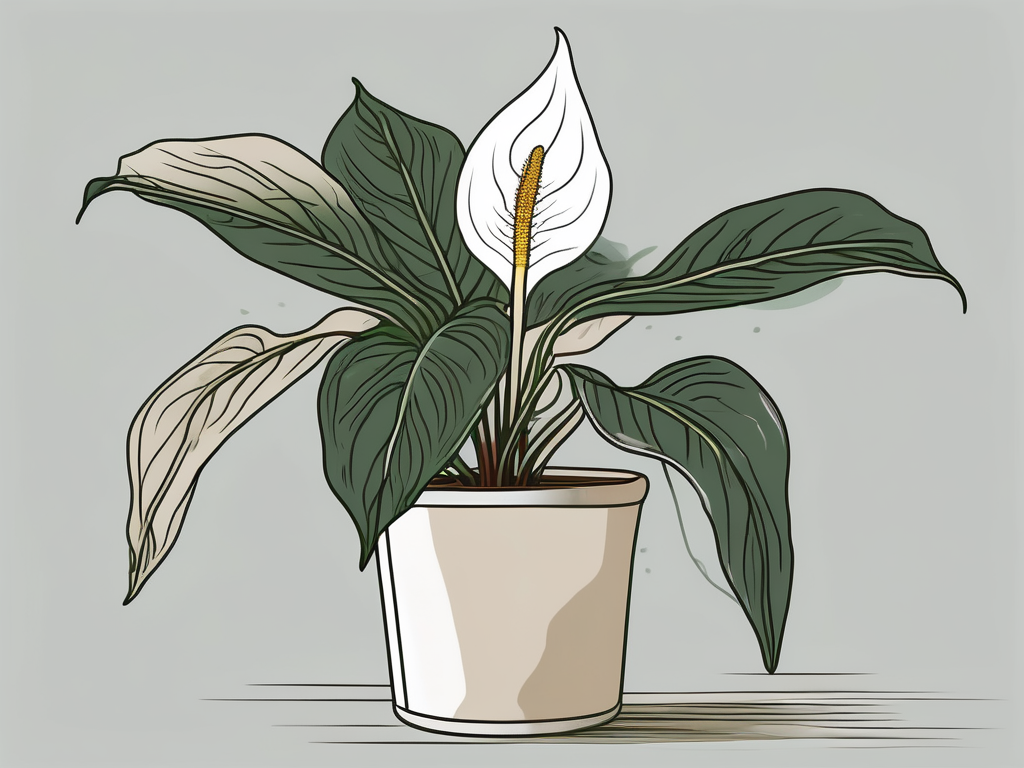
One of the most common questions about peace lilies is how often to water them. As a rule of thumb, water them when the top inch of soil feels dry to the touch. They are known for their dramatic droop when thirsty, so if you notice the leaves wilting, it's time for a drink. Just be cautious not to overwater, as this can lead to root rot.
Humidity and Temperature
Given their tropical origins, peace lilies appreciate humidity. If your home is particularly dry, consider misting the leaves regularly or placing the pot on a tray of pebbles with water. As for temperature, they prefer a range between 65°F and 85°F (18°C to 29°C). Avoid drafts and sudden temperature changes, which can stress the plant.
Soil and Potting Needs
When it comes to soil, peace lilies aren't too fussy. A well-draining potting mix with a bit of organic matter works well. You can find specialized peace lily or tropical plant mixes at garden centers, or you can mix your own using equal parts peat moss, perlite, and potting soil.
Potting Tips
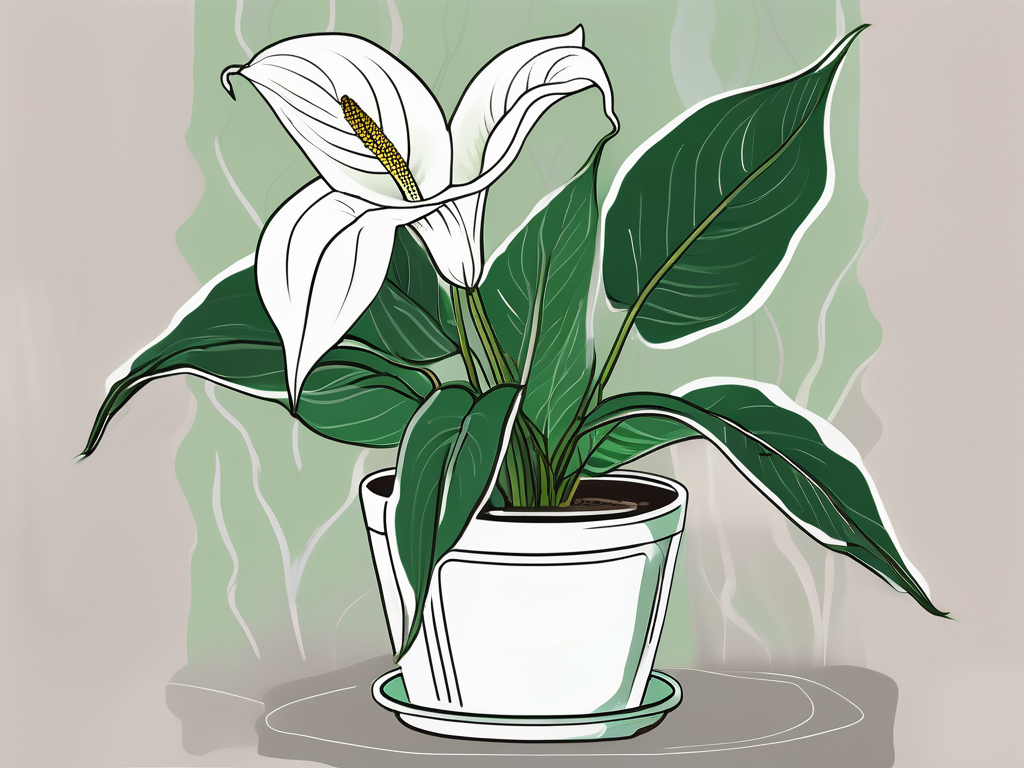
Peace lilies should be repotted every year or two, ideally in the spring. This not only provides fresh nutrients but also gives the roots more space to grow. When choosing a pot, opt for one with drainage holes to prevent waterlogging. Peace lilies don't mind being a bit root-bound, but if you notice the roots circling the pot or the plant seems to be outgrowing its space, it's time to upsize.
Dealing with Common Pests and Problems
While peace lilies are relatively resilient, they can occasionally fall victim to pests and other issues. Here’s a quick rundown of what to watch for and how to tackle these problems:
Common Pests
Spider mites, aphids, and mealybugs are the usual suspects when it comes to pest problems. Regularly checking your plant and wiping the leaves with a damp cloth can help prevent infestations. If pests do appear, a gentle insecticidal soap or neem oil spray can do the trick.
Fungal Issues
Overwatering can lead to root rot or fungal infections. If you notice yellowing leaves or a musty smell coming from the soil, you might have a problem. Letting the soil dry out and ensuring good drainage can help prevent these issues.
Leaf Browning
Browning leaf tips can be caused by a few factors, including over-fertilization, low humidity, or fluoride in tap water. Using distilled or rainwater and maintaining humidity levels can help keep your peace lily healthy.
Incorporating Peace Lilies into Your Home Design
Beyond their care, peace lilies are a fantastic addition to home decor. Their sleek, elegant appearance pairs well with various design styles, from minimalist to bohemian.
Placement Ideas
Think about where your peace lily will be happiest. Bright bathrooms, shaded corners of living rooms, or even as a centerpiece on a dining table can all work well. The key is ensuring they get enough light and aren't exposed to harsh conditions.
Pairing with Other Plants
Peace lilies look great on their own, but they also pair beautifully with other plants. Consider creating a lush indoor garden by mixing them with ferns, pothos, or snake plants. This not only enhances the visual appeal but also creates a more effective air purification system.
The Symbolism and Spiritual Significance
Aside from their physical beauty, peace lilies hold deep spiritual and symbolic meanings. Known for representing peace and purity, they are often used in spiritual practices and ceremonies.
Gift of Serenity
Peace lilies make thoughtful gifts for those going through tough times. Their calming presence and air-purifying qualities can bring comfort and serenity to any space. They’re also a popular choice for hospital rooms, offering a touch of nature and tranquility to aid recovery.
Symbolism in Various Cultures
In some cultures, peace lilies are associated with prosperity and a fresh start, making them a popular choice for new beginnings, such as moving into a new home or starting a new job.
Creative Ways to Display Peace Lilies
If you’re looking to get creative, there are numerous ways to display peace lilies that go beyond the traditional pot-on-a-table approach.
Hanging Baskets
Use hanging baskets to showcase your peace lily at eye level. This can add visual interest and make the plant a focal point in the room. Ensure the basket allows for good drainage and light exposure.
Terrarium Settings
While peace lilies don't need a terrarium, they can be a beautiful addition to a larger glass garden. Pair them with other moisture-loving plants for a mini rainforest effect.
Unique Container Choices
Think outside the pot by using unconventional containers like vintage teapots, wooden boxes, or decorative bowls. Just make sure to provide adequate drainage to prevent water-related issues.
Fun Facts and Trivia About Peace Lilies
To round out our exploration, let’s share some fun facts and trivia that you might not know about peace lilies:
- Peace lilies are not true lilies. They belong to the arum family, which includes plants like anthuriums and philodendrons.
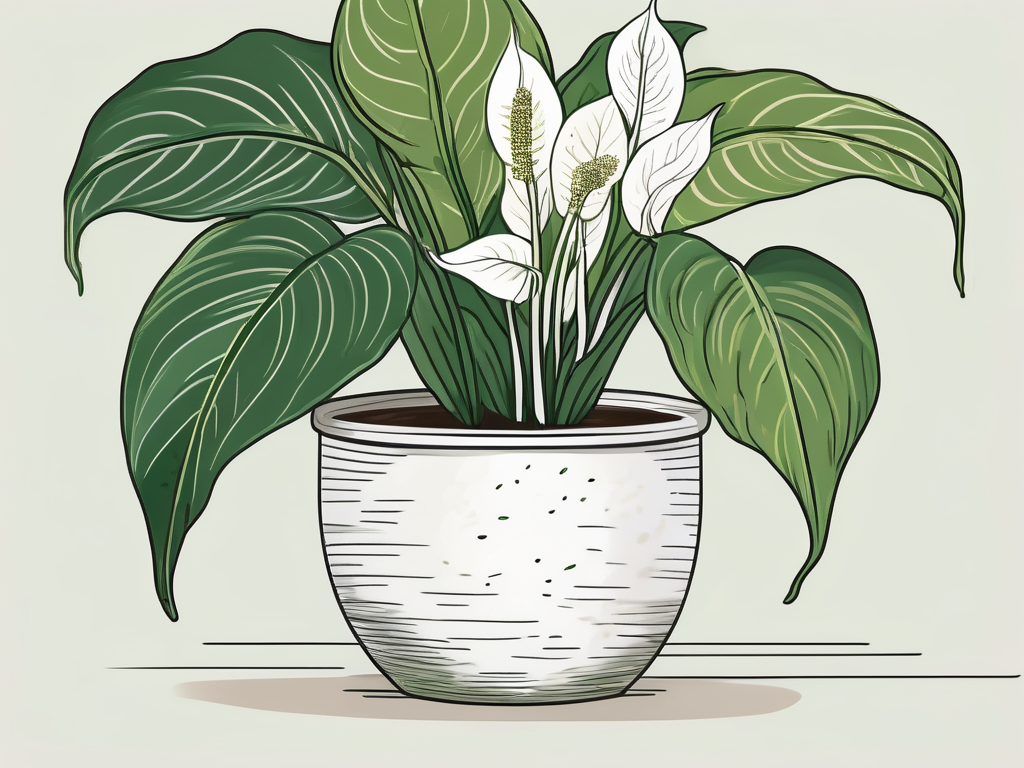
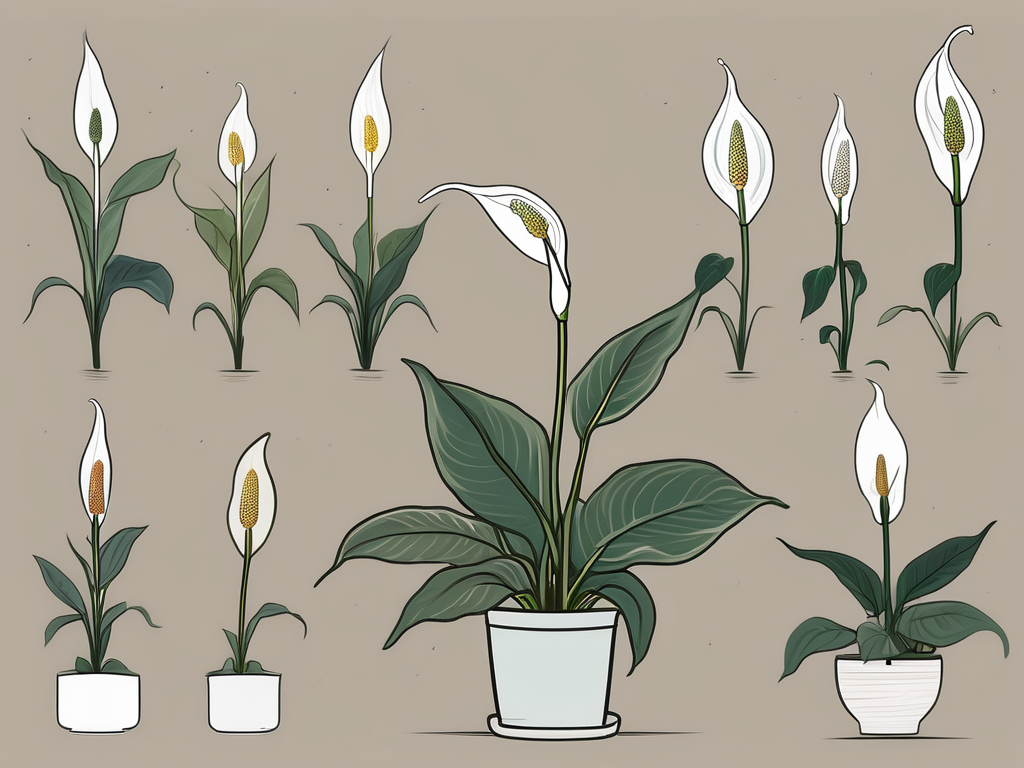
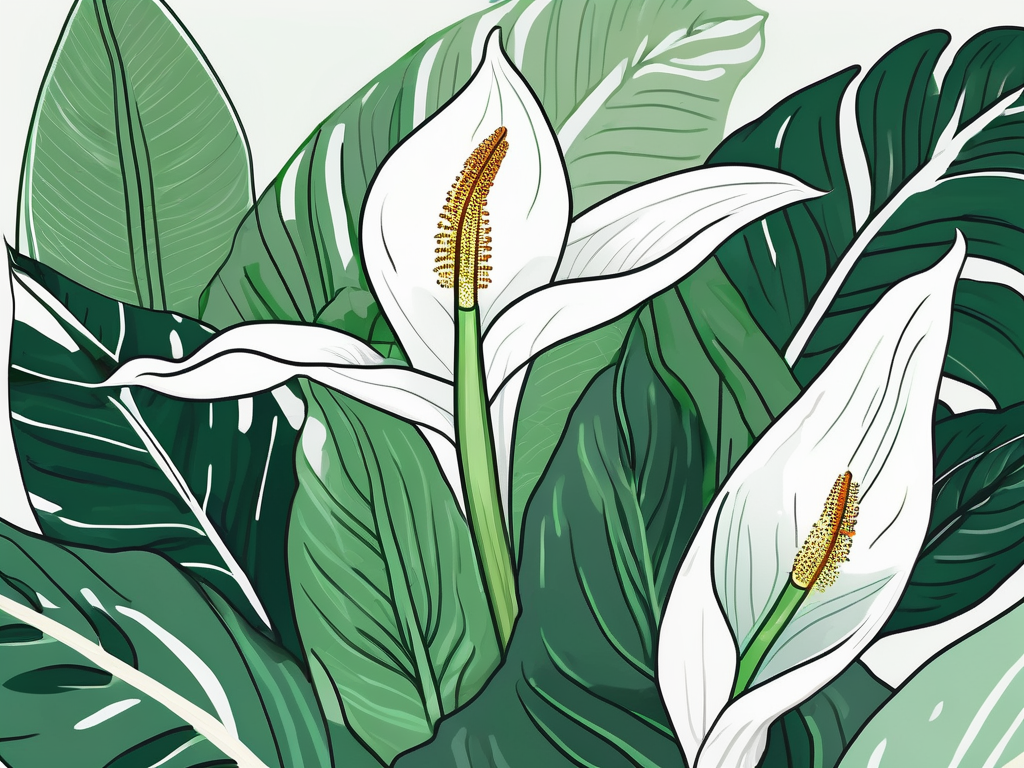
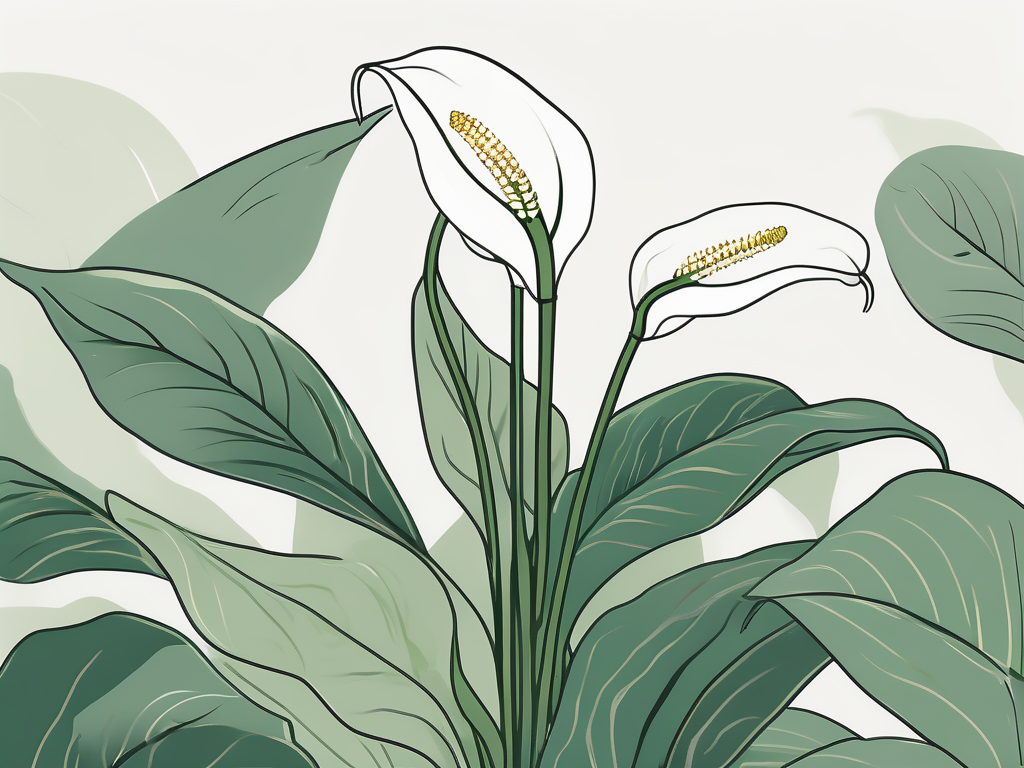
- The white "flower" of the peace lily is actually a modified leaf called a spathe, with the true flowers being small and located on the spadix.
- While peace lilies are generally safe around pets, they contain calcium oxalate crystals, which can cause mild irritation if ingested.
- Peace lilies can live for many years with proper care, making them a lasting addition to your plant family.
Final Thoughts
Whether you’re drawn to their elegant appearance, air-purifying abilities, or symbolic meanings, peace lilies are a wonderful choice for any home. With a bit of attention and care, they can thrive and bring a sense of tranquility to your space.
At Cafe Planta, we’re passionate about connecting people with plants. Whether you're seeking a new addition for your collection or need advice on plant care, we're here to help. Feel free to reach out via email or send us a message on Instagram. Let’s grow together and create beautiful, plant-filled spaces!