Peace lilies, with their serene white flowers and lush green leaves, have a way of transforming any room into a sanctuary. Their ability to thrive in low-light conditions makes them perfect companions for both seasoned plant parents and newcomers to the world of indoor gardening. But there's more to peace lilies than just their beauty. They also have a knack for purifying the air, adding an extra layer of tranquility to your home.
This article will guide you through the captivating allure of peace lily flowers, covering everything from selecting the right plant to creating stunning interior designs. We'll journey through the ins and outs of care, soil preferences, and pest management, ensuring your peace lily not only survives but thrives. Ready to embrace these gorgeous blooms in your space?
The Alluring Beauty of Peace Lilies
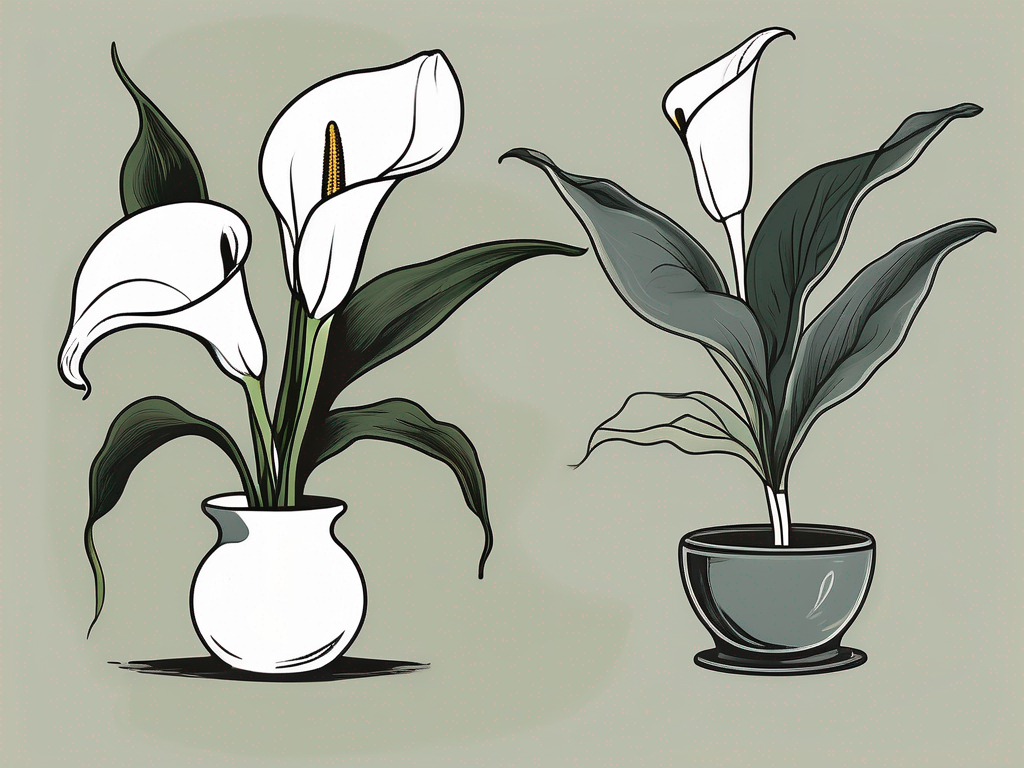
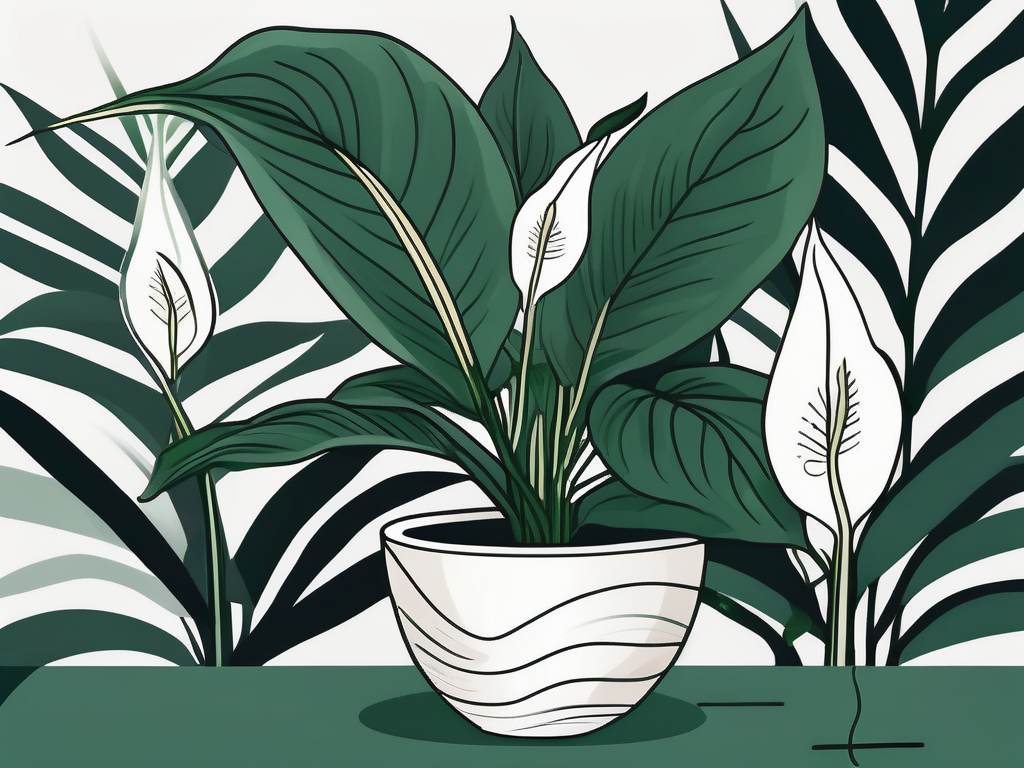
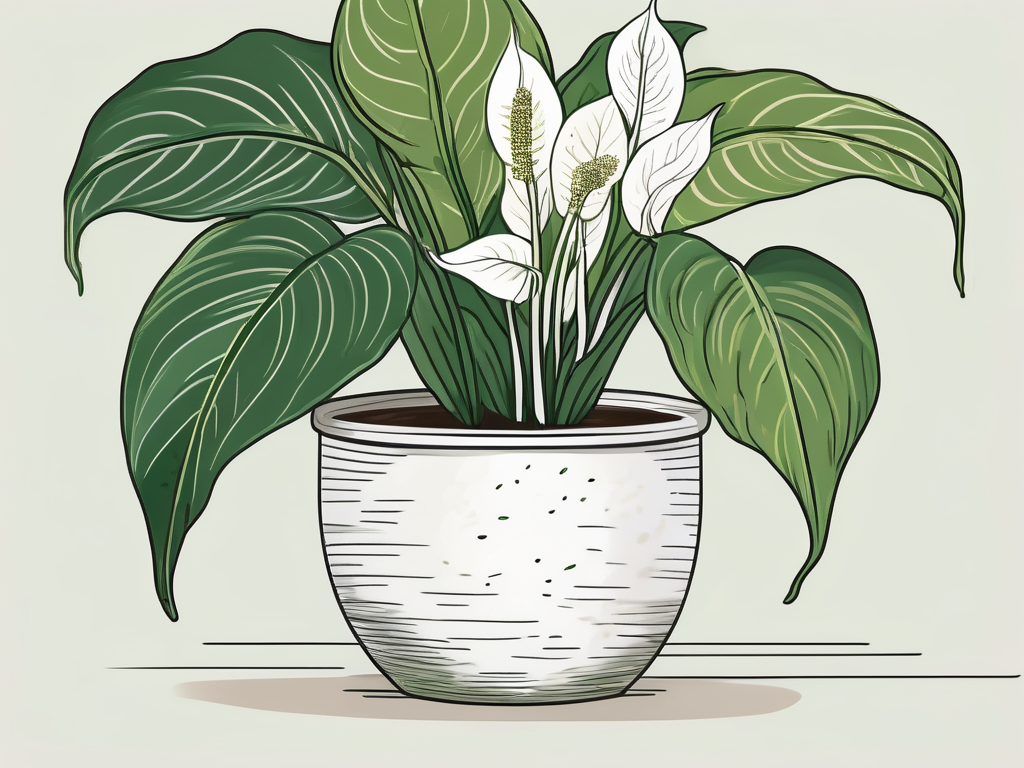
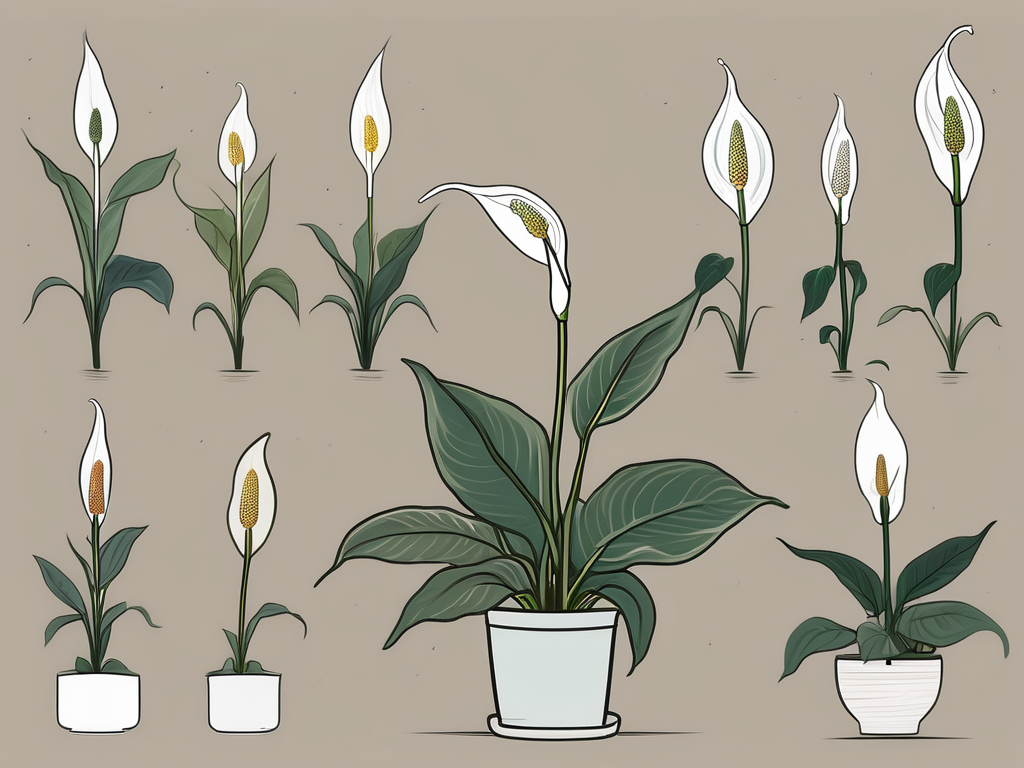
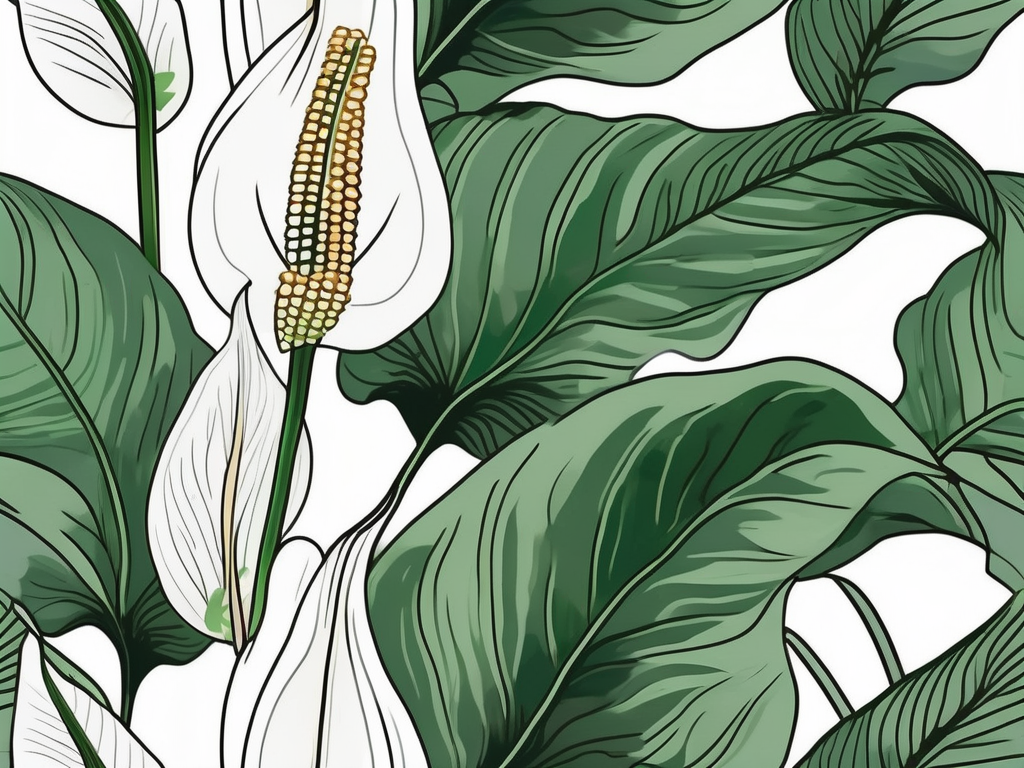
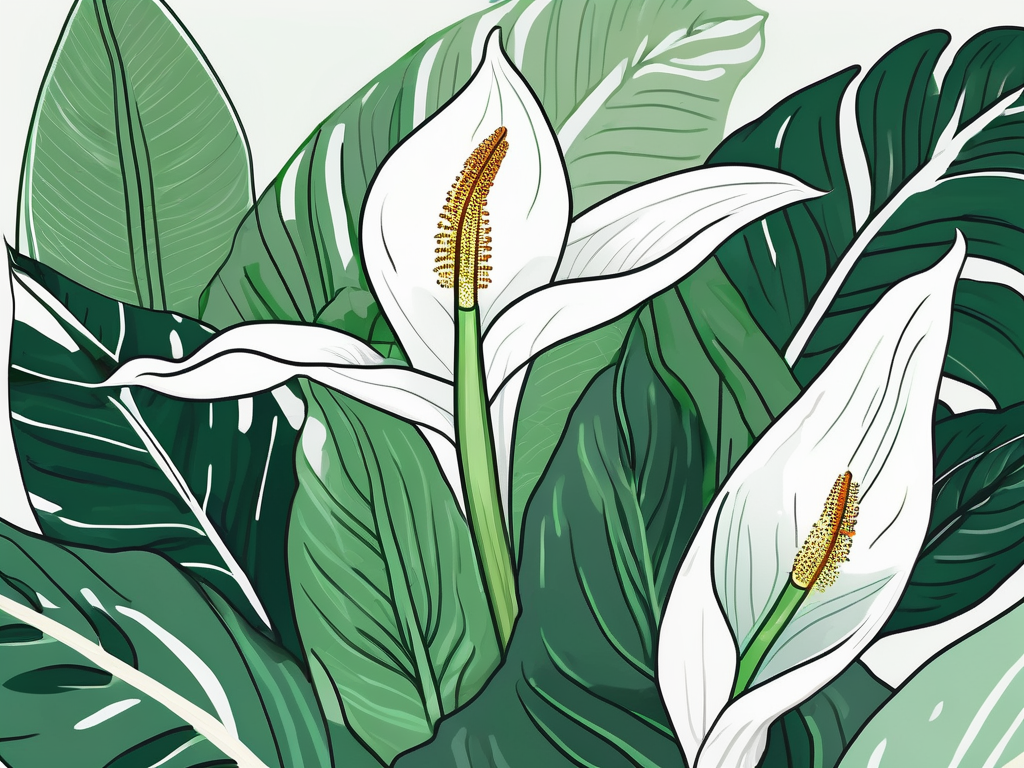
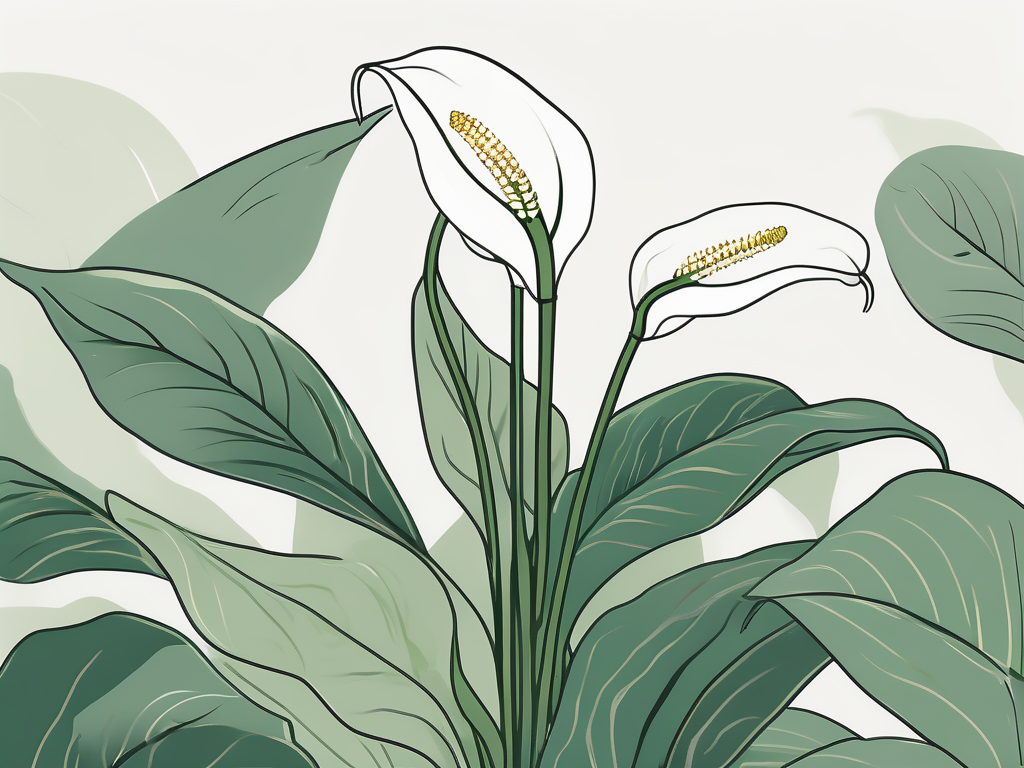
Peace lilies, scientifically known as Spathiphyllum, are native to the rainforests of Central and South America. They’re known for their striking white blossoms, which are actually specialized leaves called spathes. These spathes surround a spike of tiny flowers, known as the spadix, creating the classic peace lily appearance that we know and love. Their simplicity and elegance have made them a favorite for plant lovers everywhere.
One of the most appealing aspects of peace lilies is their low-maintenance nature. They thrive in low to medium light conditions, making them ideal for spaces that don't get a lot of natural sunlight. Plus, their ability to cleanse the air by removing toxins like ammonia, benzene, and formaldehyde adds to their charm. Imagine coming home after a long day and being greeted by a plant that not only looks good but also makes your home healthier. That's the magic of a peace lily.
The blooms of a peace lily can last several weeks, providing a long-lasting display. While the flowers are a beautiful bonus, the plant's lush green leaves are a showstopper in their own right. They add a touch of nature and warmth to any room, creating a calming atmosphere that can help reduce stress and enhance your well-being.
Choosing the Perfect Peace Lily
When it comes to choosing a peace lily, there are a few things to keep in mind. First, consider the size of the plant. Peace lilies can range from small tabletop varieties to larger floor plants. Think about where you want to place the plant in your home and choose a size that fits the space.
Inspect the leaves and flowers carefully. Healthy peace lilies should have vibrant green leaves without any brown tips or spots. The flowers should be white and upright, not drooping or wilting. If you’re buying from a nursery, don’t hesitate to ask about the plant’s care history. This information can give you an idea of what to expect and how to care for your new plant.
There are several varieties of peace lilies, each with its own unique characteristics. Some have larger flowers, while others boast variegated leaves. Here are a few popular options to consider:
- Spathiphyllum 'Mauna Loa Supreme': Known for its large, glossy leaves and pure white blooms.
- Spathiphyllum 'Domino': Features striking variegated leaves with a mix of green and white.
- Spathiphyllum 'Wallisii': A smaller variety with slender leaves, perfect for tabletops.
Choosing the right peace lily for your space not only enhances the aesthetic of your home but also sets the stage for a successful plant parenting journey.
Best Practices for Potting and Soil
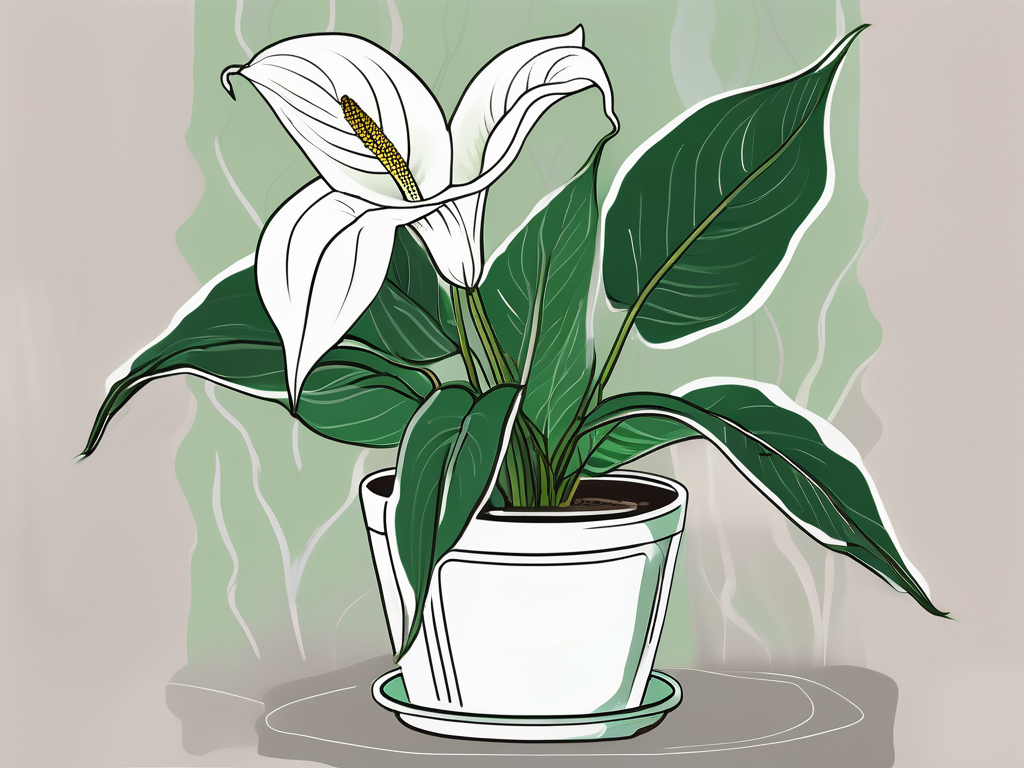
Once you’ve selected your peace lily, it’s time to think about potting. Peace lilies prefer a well-draining potting mix. You can create your own by combining equal parts of regular potting soil, peat moss, and perlite. This mix provides the perfect balance of moisture retention and drainage, ensuring your peace lily's roots stay healthy.
When potting your peace lily, choose a container that has drainage holes to prevent water from accumulating at the bottom. A pot that's too large can lead to overwatering, while a pot that's too small can restrict root growth. A good rule of thumb is to select a pot that's about one inch larger in diameter than the current root ball.
Here's a simple step-by-step guide to potting your peace lily:
- Prepare the Pot: Add a layer of potting mix to the bottom of the new pot.
- Remove the Plant: Gently take the peace lily out of its current container, being careful not to damage the roots.
- Place in New Pot: Position the plant in the center of the new pot and fill around it with soil, leaving a small gap at the top for watering.
- Water Thoroughly: Give the plant a good drink, ensuring water flows out of the drainage holes.
Remember, it's important not to bury the crown of the plant, as this can lead to rot. By following these tips, your peace lily will have a strong foundation to flourish.
Watering Wisdom
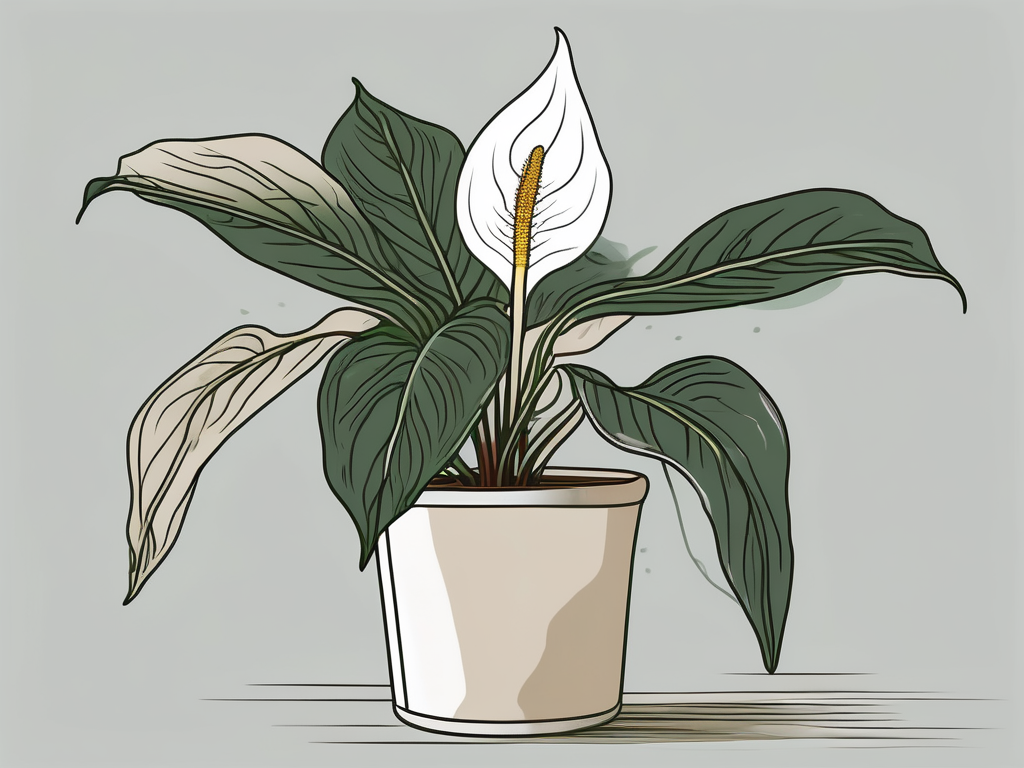
Peace lilies are known for being vocal about their watering needs. Their leaves will droop to signal that they’re thirsty, making it relatively easy to avoid overwatering. However, it’s best not to wait until the plant is completely wilted to water, as this can stress the plant over time.
Generally, peace lilies prefer to be watered about once a week. The key is to keep the soil consistently moist but not waterlogged. Stick your finger about an inch into the soil—if it feels dry, it’s time to water. If it’s still damp, wait a few more days and check again.
Using room-temperature water is best, as cold water can shock the plant's roots. If possible, use distilled water or rainwater, as peace lilies can be sensitive to the chemicals found in tap water. To prevent mineral buildup, it’s a good idea to flush the soil with water every few months by watering until water runs out of the drainage holes.
By paying attention to the subtle cues your peace lily gives, you’ll find it easy to keep your plant hydrated and happy.
Light and Temperature Needs
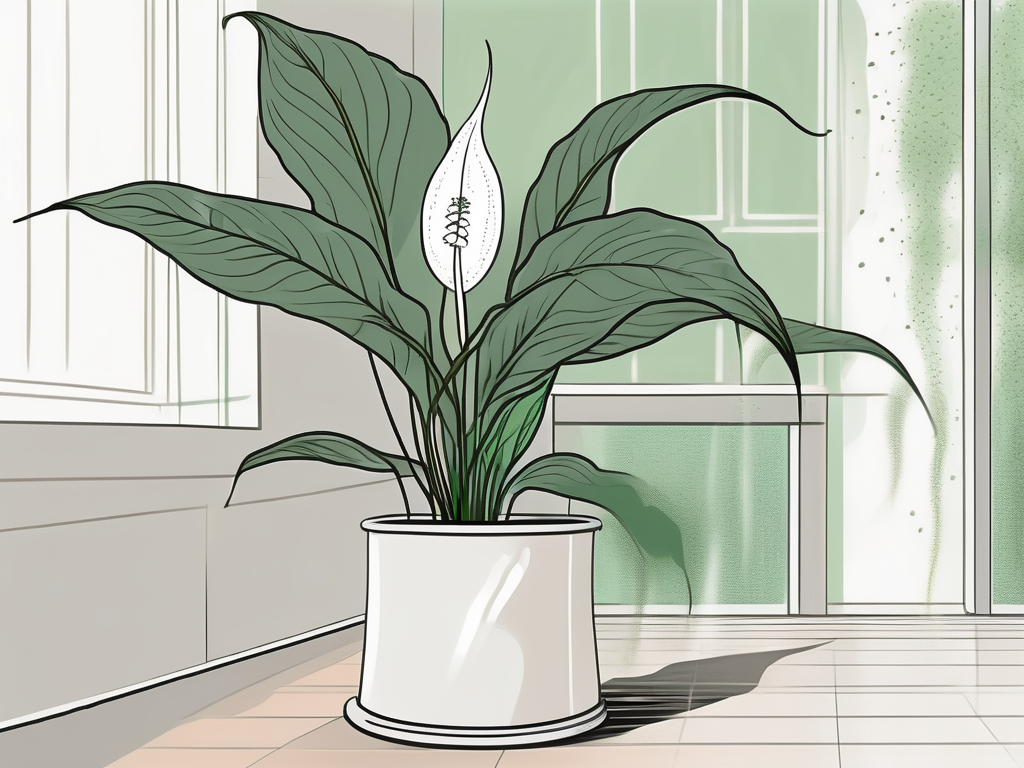
One of the reasons peace lilies are so beloved is their adaptability to low-light conditions. They thrive in indirect light, making them perfect for spots like offices, bathrooms, or shaded corners that don’t get much natural sunlight. However, while they can tolerate low light, they do best with bright, filtered light. A spot near a north or east-facing window is ideal.
Avoid placing peace lilies in direct sunlight, as this can scorch their leaves and cause them to turn brown. If you notice your plant isn't blooming, it might not be getting enough light. You can try moving it to a brighter location to encourage flowering.
Temperature-wise, peace lilies prefer a warm environment. They do best in temperatures ranging from 65 to 85 degrees Fahrenheit. Keep them away from drafts, heaters, or air conditioning vents, as sudden changes in temperature can be harmful.
By understanding and accommodating your peace lily's light and temperature preferences, you'll create an environment where it can truly thrive.
Dealing with Common Pests and Diseases
Like any houseplant, peace lilies can occasionally fall victim to pests and diseases. The good news is that with a little vigilance, most issues can be nipped in the bud before they become serious.
Common pests that affect peace lilies include spider mites, mealybugs, and aphids. These tiny insects can suck the sap from the plant, causing leaves to yellow and wilt. To combat these pests, you can:
- Wipe the Leaves: Use a damp cloth to gently wipe down the leaves, removing any visible pests.
- Use Insecticidal Soap: Apply a gentle insecticidal soap or neem oil to the affected areas.
- Increase Humidity: Spider mites, in particular, thrive in dry environments. Increasing humidity around your plant can make it less hospitable to them.
As for diseases, peace lilies can be susceptible to root rot if overwatered. To prevent this, ensure your plant is in a well-draining potting mix and that the pot has adequate drainage. If you notice yellowing leaves and a foul smell from the soil, it might be time to repot the plant in fresh soil.
Regularly inspecting your peace lily and maintaining good plant hygiene will go a long way in keeping it healthy and pest-free.
Feeding Your Peace Lily
Peace lilies don’t require heavy feeding, but they do benefit from a little extra nourishment during their growing season, which typically runs from spring to early fall. A balanced, water-soluble fertilizer can be applied every six to eight weeks to encourage healthy growth and flowering.
Here's how to fertilize your peace lily:
- Choose a Fertilizer: Opt for a balanced, all-purpose houseplant fertilizer.
- Mix the Fertilizer: Dilute the fertilizer to half the recommended strength to avoid overfeeding.
- Apply During Watering: Apply the diluted fertilizer during your regular watering routine.
- Avoid Over-fertilizing: Too much fertilizer can lead to a buildup of salts in the soil, which can damage the roots.
During the winter months, you can ease up on feeding, as the plant’s growth slows down. By providing the right amount of nutrients, your peace lily will reward you with lush foliage and beautiful blooms.
Creating a Beautiful Indoor Space with Peace Lilies
Peace lilies are not just plants; they’re an integral part of home decor. Their elegant leaves and flowers can complement almost any interior style, from modern minimalist to cozy bohemian. Here are some ideas for incorporating peace lilies into your home:
- Centerpiece Delight: Use a peace lily as a centerpiece on a dining table. Its white blooms add a touch of elegance and freshness to the space.
- Office Companion: Place a peace lily on your desk to create a calming workspace. Its air-purifying qualities might even help boost your concentration and productivity.
- Bathroom Beauty: Peace lilies thrive in the humid environment of a bathroom, making them a perfect plant for adding greenery to your morning routine.
- Statement Floor Plant: For larger spaces, a big peace lily can serve as a stunning floor plant, bringing a touch of the outdoors inside.
Mix and match peace lilies with other houseplants to create a lush indoor jungle. Their white flowers contrast beautifully with the varying shades of green from other plants, creating a dynamic and visually appealing display.
Propagating Your Peace Lily
If you’re looking to expand your peace lily collection or share the love with friends, propagation is a rewarding option. Peace lilies are most commonly propagated through division, which involves separating the plant into smaller, independent sections.
Here's how to propagate a peace lily through division:
- Prepare the Plant: Water the peace lily a day before you plan to divide it. This helps ensure the roots are hydrated and pliable.
- Remove from Pot: Gently remove the plant from its pot, taking care not to damage the roots.
- Divide the Plant: Look for natural divisions in the root ball where smaller plants are growing. Carefully separate these sections, ensuring each division has a healthy root system and leaves.
- Repot the Divisions: Plant each division in its own pot with fresh potting mix, following the potting guidelines mentioned earlier.
- Water and Care: Water the newly potted divisions thoroughly and place them in a spot with indirect light.
Propagation is best done in spring or early summer when the plant is actively growing. It’s a wonderful way to rejuvenate an older plant and enjoy the satisfaction of nurturing new growth.
Final Thoughts
The peace lily is more than just a pretty face; it’s a resilient and air-purifying marvel that can enhance any living space. From understanding its light and water needs to tackling pests and diseases, caring for a peace lily is a rewarding experience that brings a touch of nature into your home.
At Cafe Planta, we’re passionate about helping you find the perfect houseplants for your space. Whether you're a seasoned plant parent or just starting out, we offer a wide range of plants and accessories to meet your needs. If you have any questions, feel free to email us or reach out on Instagram. We’re excited to share our love of plants with you and help you create a thriving indoor jungle.