The spider plant is an enduring favorite among plant people, known for its easy care and charming appearance. But did you know that it has a scientific name that carries its own significance and history? While it's often overlooked in casual plant care, understanding the scientific name can give us valuable insights into its characteristics and needs.
In this guide, we'll take a closer look at the scientific name of the spider plant and unravel what it tells us about this beloved houseplant. We'll explore its origins, what the name signifies, and how this knowledge can enhance your care routine. Plus, we'll touch on some fun tidbits about this plant's journey from its native habitat to your living room. Let's get started!
The Scientific Name: Chlorophytum comosum
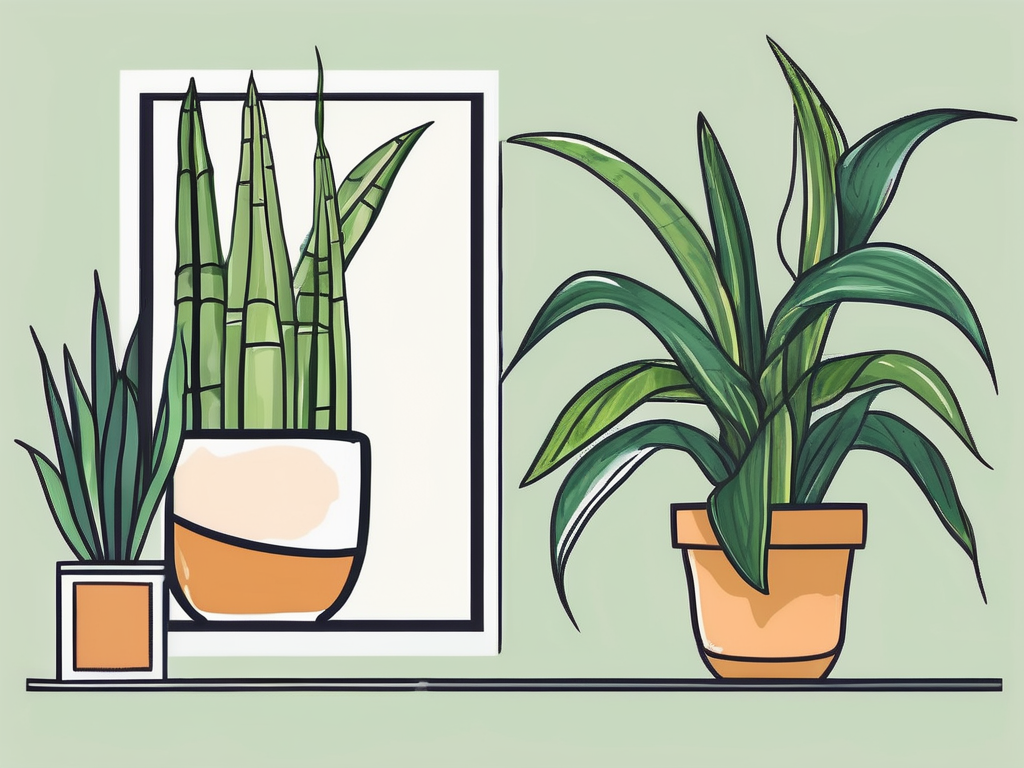
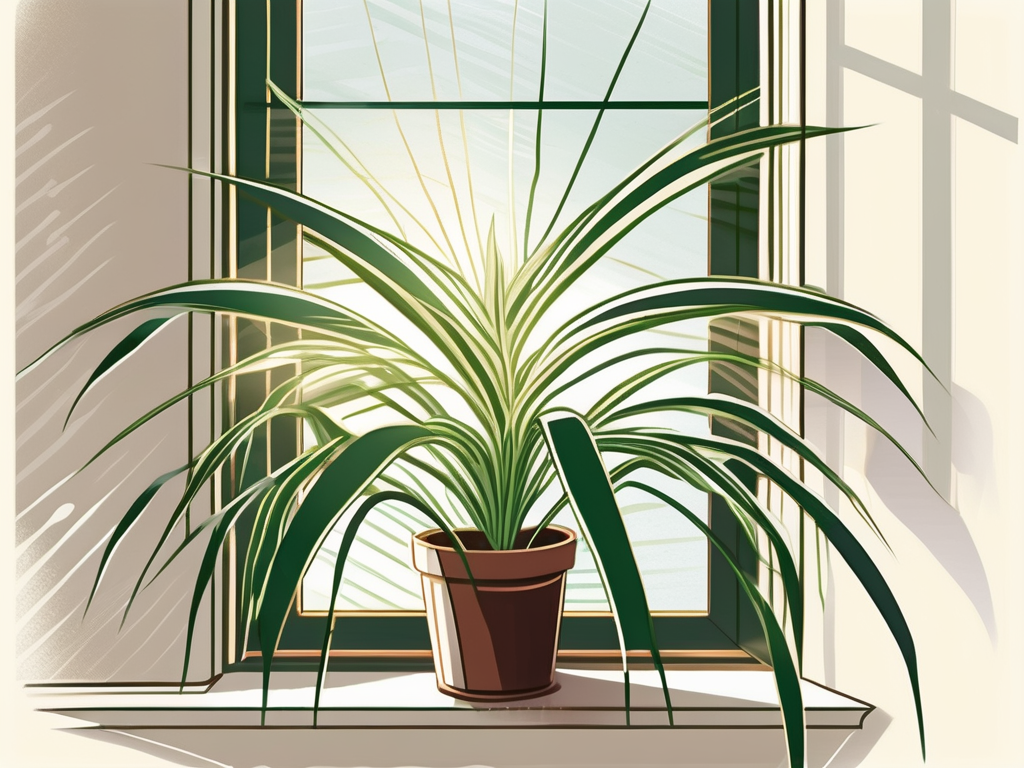
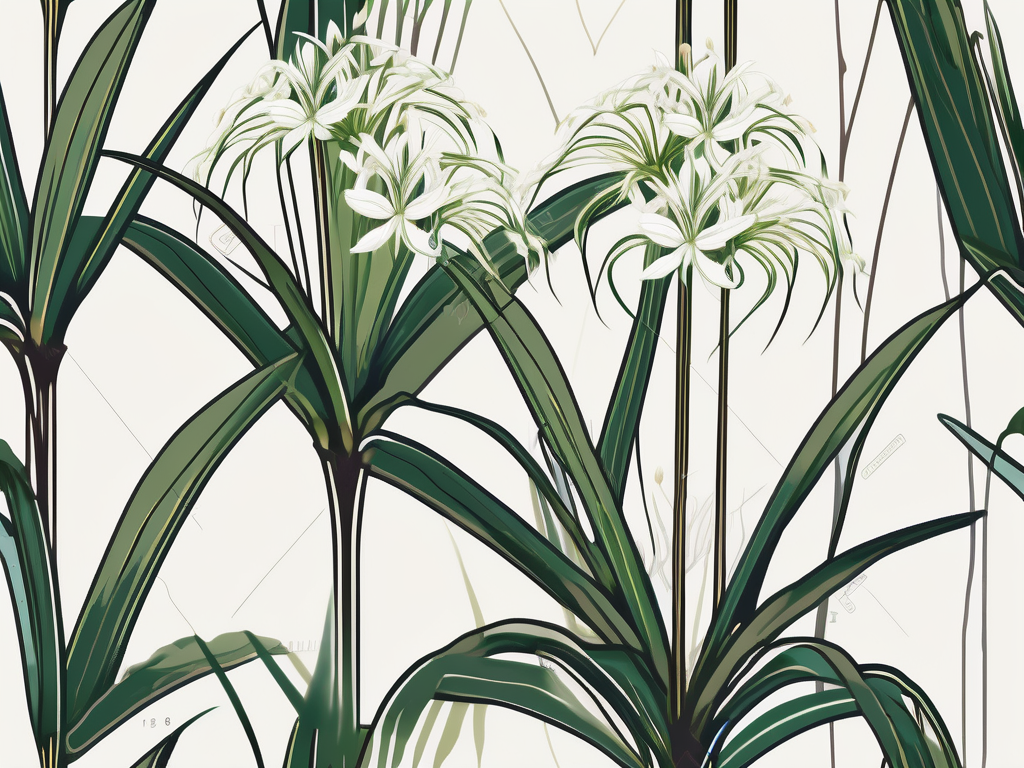
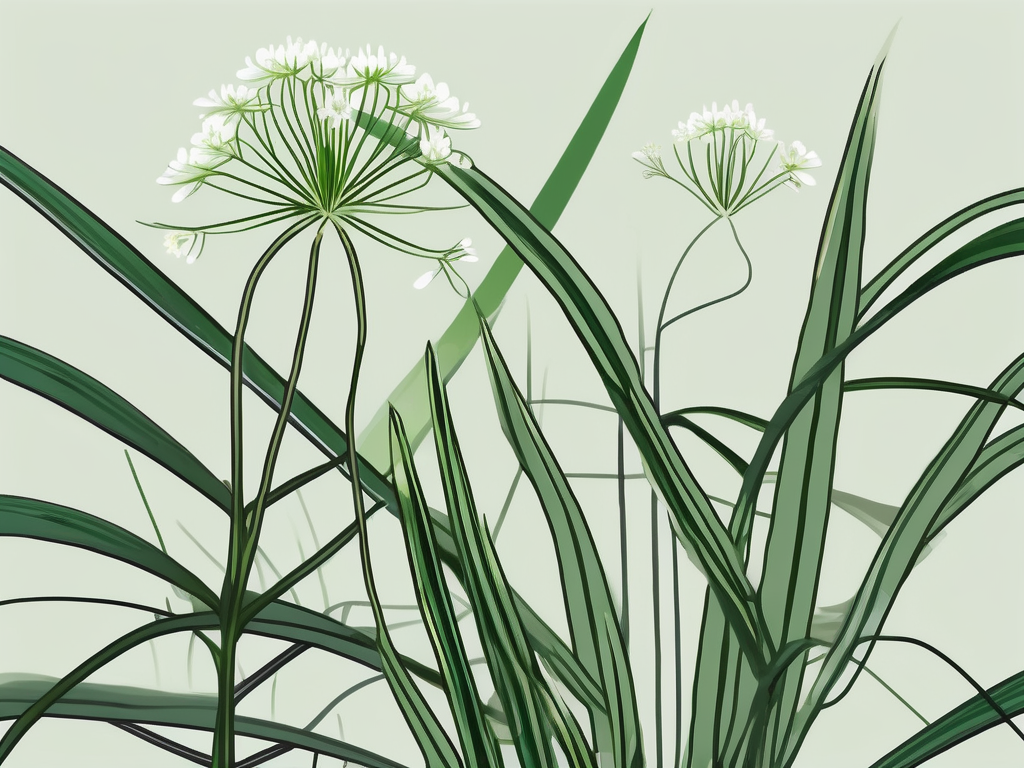
The scientific name of the spider plant is Chlorophytum comosum. This might sound a bit like a magical spell, but each part of this name holds specific meaning. The word “Chlorophytum” is derived from Greek, where “chloros” means green and “phyton” means plant. So, even at a glance, we know that the plant is green—which, of course, is true! The term “comosum” refers to its tufted or bushy appearance, relating to the plant's characteristic growth habit of producing long, arching leaves.
Understanding the scientific name isn't just a nerdy exercise—it's a way to connect more deeply with the plant. When you know what each part of the name signifies, you can appreciate the spider plant's features at a new level. It's like learning the backstory of a character in a novel, adding depth to your relationship with your green friends.
The Origins of the Spider Plant
Before spider plants were gracing our homes, they originated in the tropical and southern regions of Africa. Understanding their native environment gives us clues about their care needs. In the wild, they grow in warm, humid conditions with indirect sunlight, often thriving under the canopy of larger trees. This background helps explain why spider plants prefer bright, indirect light and why they do so well in the average home's humidity levels.
Interestingly enough, the spider plant made its way into homes around the world due to its adaptability and ease of care. Its journey from Africa to becoming a staple in homes and offices globally is a testament to its hardiness and charm. Knowing this history can help you tailor your care to mimic its natural habitat, ensuring a happy, healthy plant.
Why Scientific Names Matter
Scientific names are more than just a label—they're a universal language that lets plant lovers across the globe communicate accurately about plants. While it might seem like a lot of Latin mumbo-jumbo, these names are crucial when you're looking to identify plants correctly or seeking specific care information. With common names varying widely depending on the region, scientific names provide a standard reference point.
For example, a spider plant might be called by different names in various countries or even regions within a country. But no matter where you go, Chlorophytum comosum will always refer to the same plant. This consistency is especially helpful when you're researching plant care or seeking specific varieties.
Spider Plant Varieties
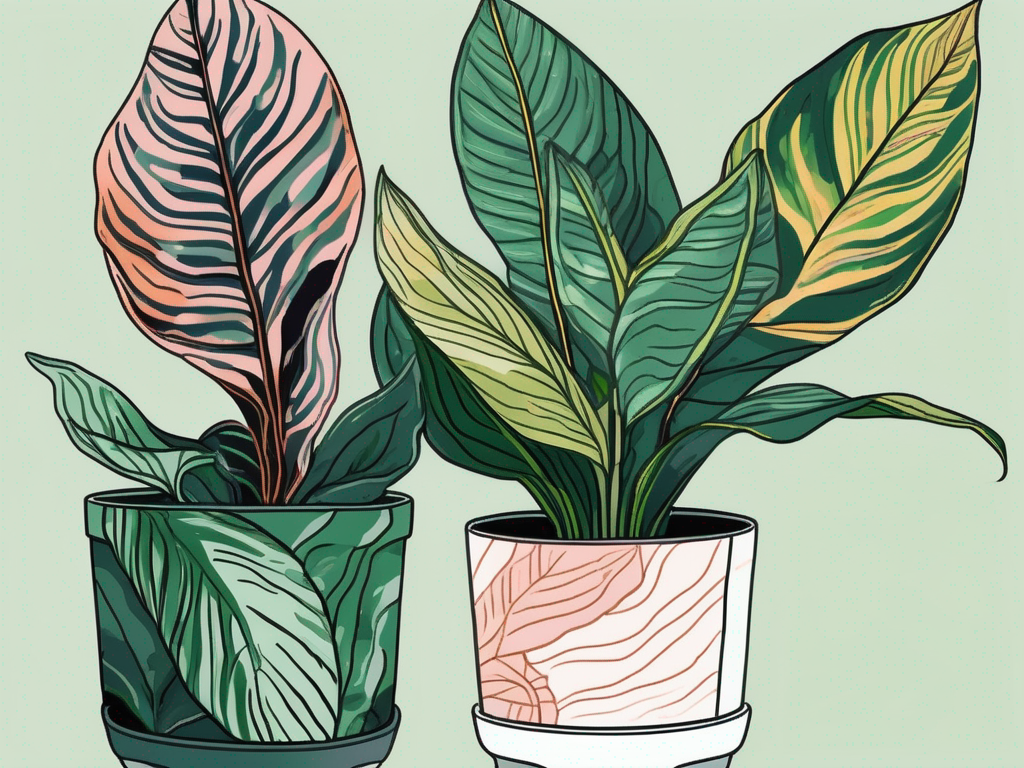
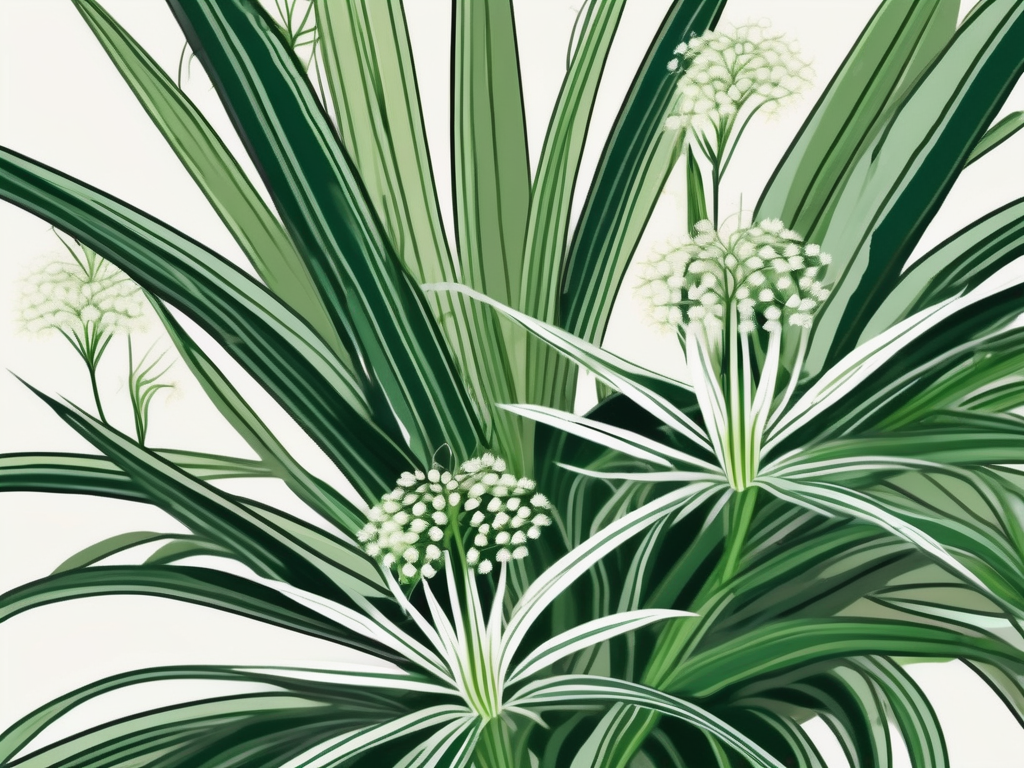
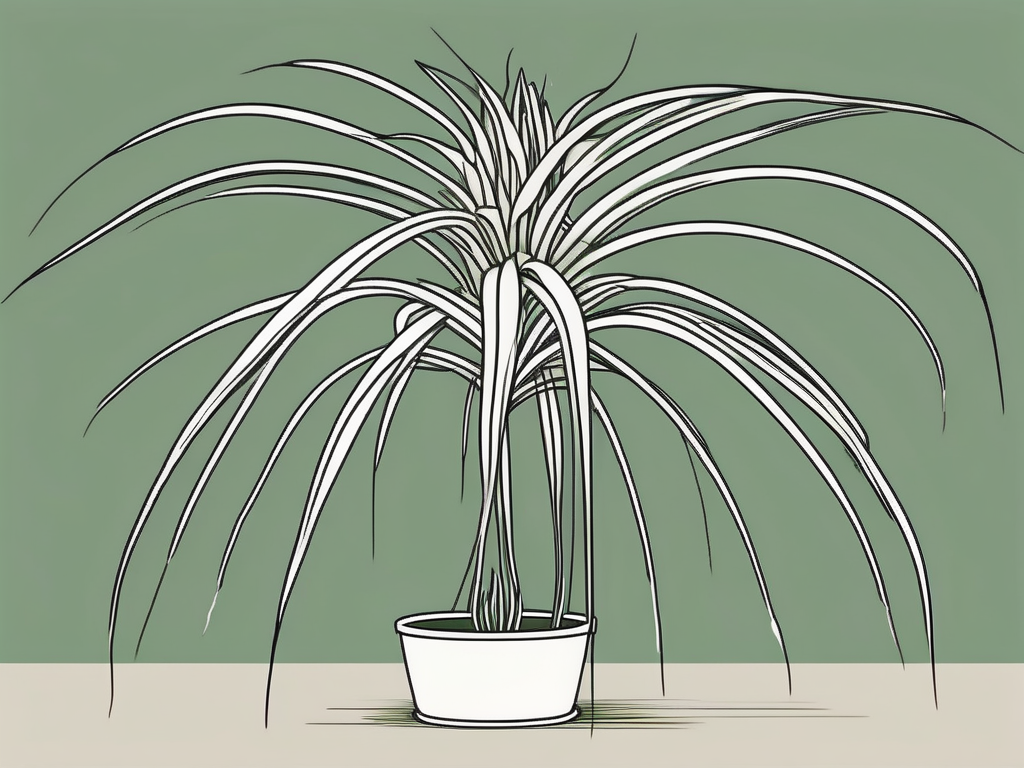
Speaking of varieties, the spider plant isn't just a one-trick pony. There are several cultivars, each with its own unique flair. The most common variety is the 'Vittatum,' which features green leaves with a central white stripe. Another popular choice is the 'Variegatum,' which has white-edged green leaves.
While these are the most frequently seen, there are other less common varieties like the 'Hawaiian' spider plant, which has broader leaves that are initially green, turning to a rich cream color as they mature. Each variety adds a slightly different aesthetic to your home, and knowing the scientific name can help you track down these specific types if you're looking to diversify your collection.
Caring for Your Spider Plant
Now that we've delved into the name and origins, let's talk about care. Spider plants are famously low-maintenance, making them perfect for both newbies and seasoned plant parents. Here are some tips to keep your spider plant thriving:
- Light: They love bright, indirect light but can tolerate low-light conditions. Avoid direct sunlight as it can scorch their leaves.
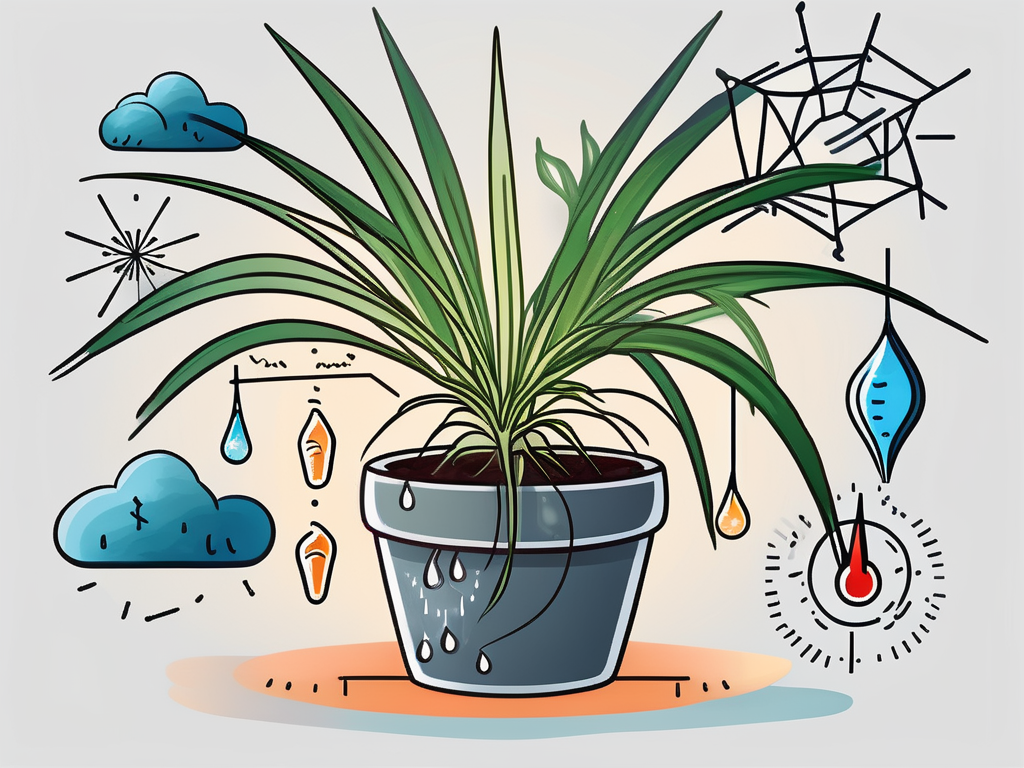
- Water: Allow the soil to dry out between waterings. Overwatering is a common mistake, so err on the side of underwatering.
- Soil: Use a well-draining potting mix. A standard houseplant mix or one specifically for succulents works well.
- Humidity: Spider plants enjoy average home humidity. If your home is particularly dry, consider misting occasionally.
- Fertilizer: Feed monthly during the growing season with a balanced liquid fertilizer. Skip feeding in the winter.
These straightforward care tips align with the plant's natural preferences, making it easy to provide the right environment for growth.
Spider Plant Pests and Problems
Even the hardiest plants can sometimes encounter issues, and spider plants are no exception. While they're generally resistant to pests, you might occasionally find aphids or spider mites making a home on your plant. Regularly checking the leaves and rinsing them under water can help prevent infestations.
Another common issue is brown tips on leaves. This can be caused by a variety of factors, such as fluoride in tap water, too much fertilizer, or low humidity. Switching to distilled water and adjusting your care routine can often address this problem.
By understanding the potential issues and their causes, you can quickly address them and keep your spider plant looking its best.
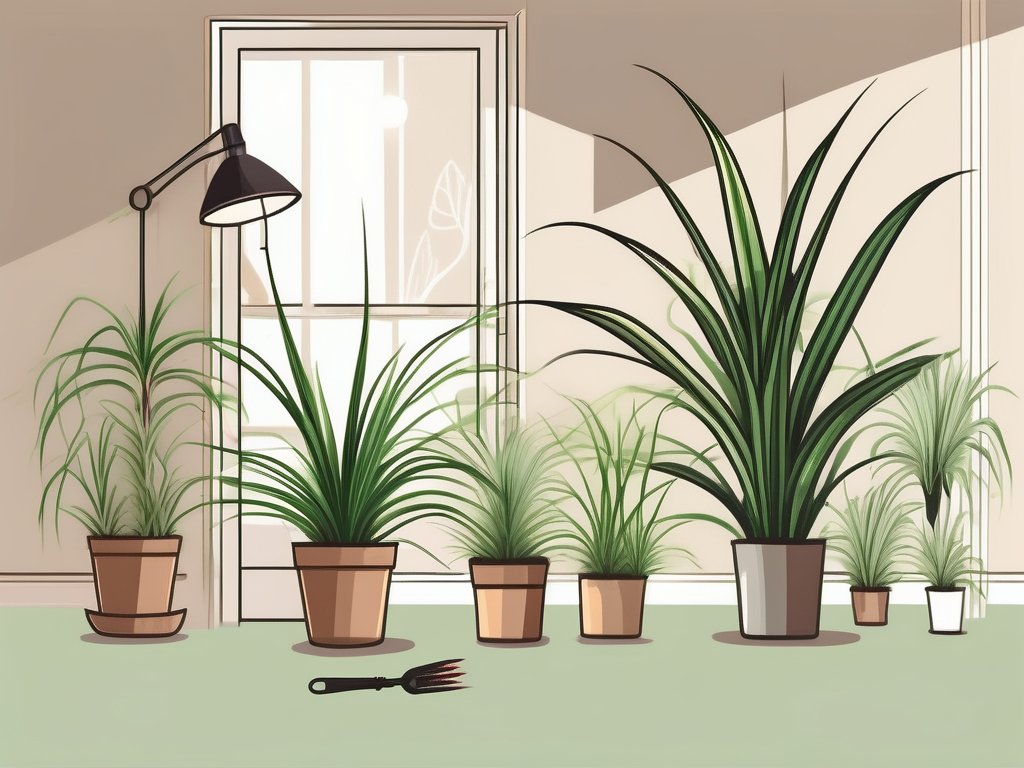
Decorating with Spider Plants
Besides their ease of care, spider plants are also a fantastic addition to home decor. Their cascading leaves add a touch of movement and life to any room. They're perfect for hanging baskets, where their arching shoots can drape beautifully over the sides.
Here are a few ways to incorporate spider plants into your decor:
- Hanging Baskets: Place them in a sunny window where their shoots can spill over the edge.
- Bookshelves: Let them trail down from a high shelf for a lush, green accent.
- Terrariums: Pair them with other low-maintenance plants for a mini indoor garden.
With their adaptable nature, spider plants can fit into any style, whether it's boho, minimalist, or anything in between.
Propagating Spider Plants
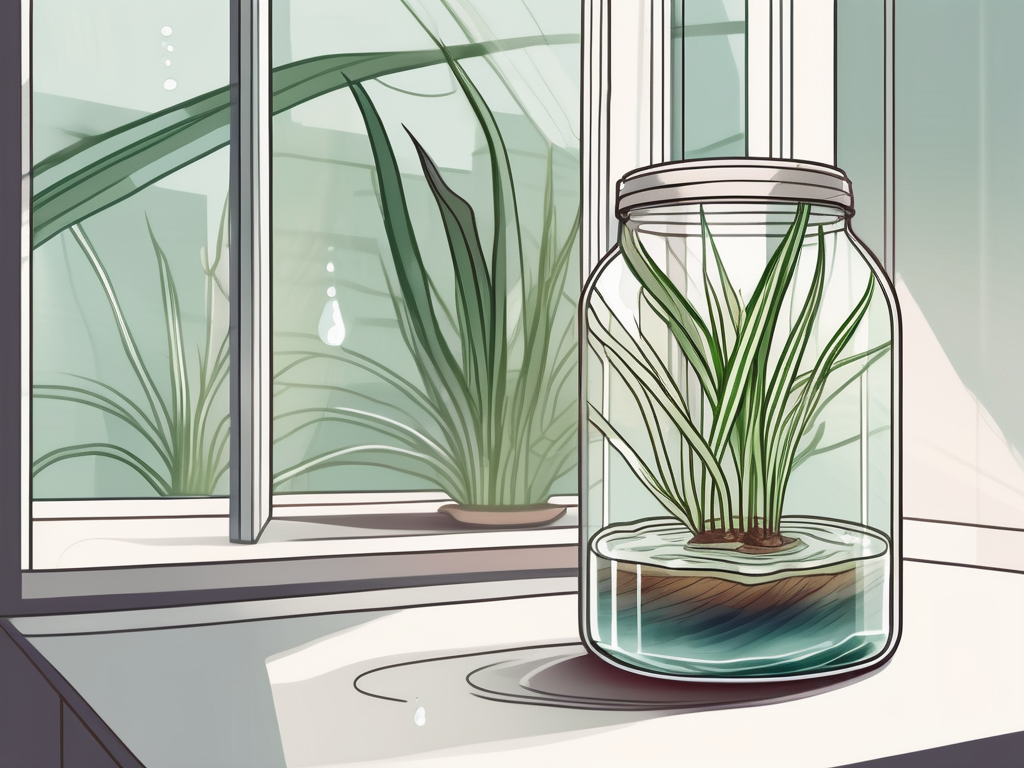
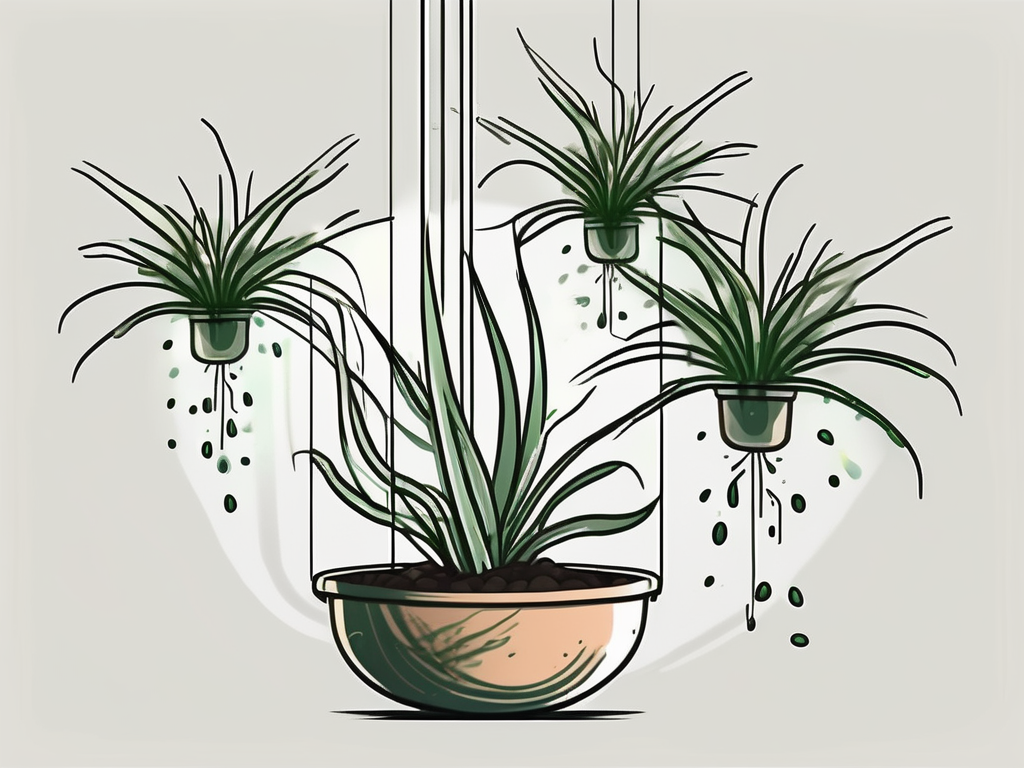
One of the joys of spider plants is how easily they can be propagated. Those little "babies" or plantlets that dangle from the mother plant are ready-made new plants just waiting to be potted up. To propagate, simply snip off a baby and place it in water or soil. If you're using water, wait until you see roots develop before transferring it to soil.
Here's a quick step-by-step:
- Identify a healthy plantlet with developed roots.
- Snip it from the mother plant using clean scissors.
- Place the plantlet in a small pot with fresh soil or a jar of water.
- If in water, wait for roots to grow before potting in soil.
- Keep the new plant in a bright, indirect light environment.
Propagating spider plants is not only satisfying but also a great way to share your love of plants with friends and family.
The Benefits of Owning a Spider Plant
Beyond their aesthetic appeal and ease of care, spider plants are also known to improve indoor air quality. NASA's Clean Air Study famously highlighted their ability to remove toxins such as formaldehyde and xylene from the air, making them a healthy addition to your home.
On top of that, having plants like the spider plant around can boost your mood and reduce stress. There's something deeply satisfying about nurturing a living thing and watching it grow, which contributes to a sense of well-being.
Final Thoughts
The spider plant, with its scientific name Chlorophytum comosum, offers more than just a decorative touch to your home. Understanding its background, varieties, and care needs can enhance your plant parenting experience, adding depth and meaning to your indoor garden.
At Cafe Planta, we celebrate the joy of plant care and the connections it fosters. Whether you're looking for new houseplants, care accessories, or just some plant-themed apparel, we've got you covered. If you ever have questions, don't hesitate to email us, or reach out on Instagram. We're here to support your plant journey and help you create a beautiful, thriving space.