Ah, the Monstera obliqua! This plant is often surrounded by mystery and intrigue, thanks in part to its rarity and unique appearance. If you're a plant lover who's fascinated by this elusive plant, you're in the right place. Today, we're going to explore how to care for the Monstera obliqua, ensuring that it thrives in your home.
Throughout this post, we'll discuss everything from lighting and watering needs to potting, soil, and pest control. We'll also touch on how to incorporate this striking plant into your home decor. By the end, you'll feel well-equipped to nurture your Monstera obliqua with confidence.
Understanding Monstera Obliqua
Before we dive into the specifics of care, it's important to note that the Monstera obliqua is often confused with its cousin, the Monstera adansonii. Both plants have similarly perforated leaves, but the obliqua's leaves are more delicate and lacy. This plant is native to Central and South America, where it naturally climbs trees in humid rainforests.
The Monstera obliqua is rare and often quite pricey, mostly because it's not commonly found in commercial nurseries. If you manage to get your hands on one, it's a real treasure! Interestingly enough, this plant grows relatively slowly, so patience is key when caring for it. Knowing the nature of your Monstera obliqua can help you better understand its needs.
Lighting Needs
Lighting is crucial for the Monstera obliqua, as it mimics its natural habitat in the rainforest understory. This plant prefers bright, indirect light. Direct sunlight can scorch its delicate leaves, so it's best to place it near a window with filtered light or in a bright room where it won't receive direct sun rays.
Think of it this way: if you'd be comfortable sitting in a spot for a couple of hours without squinting from the sun, your Monstera obliqua will probably be happy there too. If you're worried about low light during winter, consider supplementing with grow lights. These can provide the plant with the necessary light without the risk of burning.
Avoid placing your Monstera in dark corners or areas with minimal natural light. While it can survive in lower light conditions, it won't thrive and might lose its distinctive leaf perforations over time. Keep an eye on the plant's growth and leaf color to gauge if it's getting enough light.
Watering Your Monstera Obliqua
Watering is another critical aspect of Monstera obliqua care. This plant prefers a schedule that allows the top inch or so of soil to dry out between waterings. Overwatering can lead to root rot, which is a common issue with many houseplants, Monstera obliqua included.
To determine if your plant needs water, simply stick your finger into the soil. If it feels dry, it's time to water. If it still feels moist, give it a few more days. When you do water, make sure to do so thoroughly, allowing water to drain out of the bottom of the pot. This ensures the roots get a good drink without sitting in stagnant water.
An important tip is to adjust your watering schedule based on the season. During the growing months (spring and summer), your Monstera obliqua will need more frequent watering. In contrast, during its dormant phase (fall and winter), you can reduce the frequency.
Potting and Soil Requirements
Choosing the right pot and soil is essential for Monstera obliqua care. The plant prefers well-draining soil that retains some moisture but doesn't stay soggy. A mix of potting soil, orchid bark, and perlite is often recommended as it offers the ideal balance of drainage and moisture retention.
When it comes to potting, make sure your container has drainage holes. This prevents water from accumulating at the bottom, which can lead to root rot. If you're using a decorative pot without holes, consider placing a nursery pot inside it or drilling holes if possible.
Repotting should be done every couple of years, or when you notice the plant becoming root-bound. When repotting, choose a pot that's about one size larger than the current one. This gives the roots room to grow without overwhelming the plant with too much space, which can lead to overwatering issues.
Humidity and Temperature Preferences
Monstera obliqua thrives in high humidity, which mimics its natural rainforest environment. Aim for a humidity level of 60% or higher. If your home has dry air, especially during winter, consider using a humidifier or placing the plant on a humidity tray filled with pebbles and water.
If you're feeling particularly adventurous, try misting the leaves occasionally. However, be cautious not to overdo it, as constant wet foliage can encourage fungal growth. A gentle mist once or twice a week should suffice.
Temperature-wise, Monstera obliqua enjoys a range between 65°F to 85°F (18°C to 30°C). Keep it away from drafty windows, air conditioners, and heaters, which can cause temperature fluctuations that might stress the plant.
Feeding and Fertilization
Feeding your Monstera obliqua is an important part of its care, especially during the growing season. Use a balanced, water-soluble fertilizer every month from spring through early fall. This encourages healthy growth and enhances the plant's natural beauty.
When applying fertilizer, be sure to follow the instructions on the package. Over-fertilization can lead to salt buildup in the soil, which can damage the roots and hinder growth. If you're unsure, it's always safer to err on the side of under-fertilizing rather than overdoing it.
During the plant's dormant period in fall and winter, you can cut back on feeding. This gives the plant a chance to rest and prevents nutrient overload when it's not actively growing.
Dealing with Pests and Diseases
Like any houseplant, the Monstera obliqua can fall prey to pests and diseases. Common pests include spider mites, aphids, and mealybugs, which can be managed with regular checks and prompt treatment.
To combat pests, start by wiping the leaves with a damp cloth to remove any visible insects. You can also use insecticidal soap or neem oil for more stubborn infestations. Make sure to apply these treatments according to the directions, ensuring the plant is not exposed to direct sunlight immediately afterward, as this can cause leaf burn.
In terms of diseases, watch out for signs of root rot, which often results from overwatering. You'll notice yellowing leaves and a mushy stem if the plant is struggling with this issue. If you suspect root rot, remove the plant from its pot and trim away any affected roots, then repot it in fresh, well-draining soil.
Incorporating Monstera Obliqua into Your Home Decor
Now that you're equipped with the knowledge to care for your Monstera obliqua, let's talk about incorporating it into your home decor. This plant's distinctive look makes it a standout piece in any space.
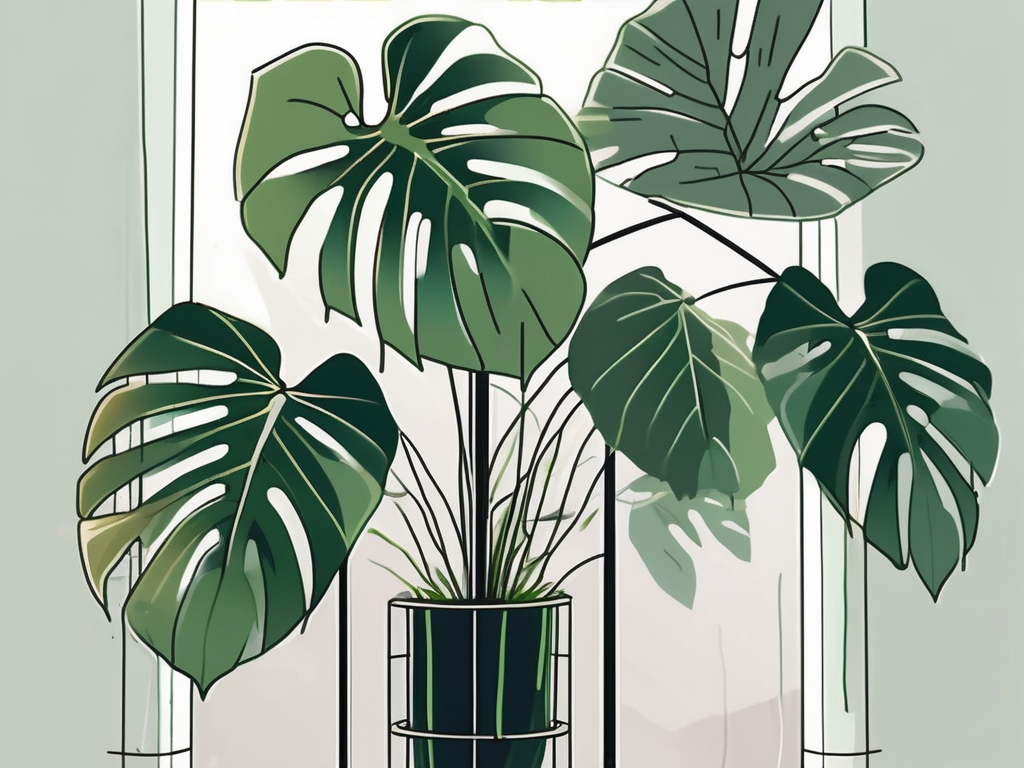
Consider placing your Monstera obliqua on a plant stand to elevate its beauty. Pairing it with other plants can create a lush indoor jungle vibe, but be sure to give it enough space to shine on its own. Its delicate leaves make it an excellent contrast to larger, fuller plants.
Monstera obliqua also looks stunning in hanging planters, allowing its vines to cascade down beautifully. Just ensure it's still receiving adequate light and isn't too far from a window.
Propagation Tips
If you're feeling adventurous and want to propagate your Monstera obliqua, you're in for a rewarding experience. Propagation can be done through stem cuttings, which should ideally be taken during the growing season.
Here's a step-by-step guide to propagating your Monstera obliqua:
- Choose a healthy stem with at least one node and a leaf.
- Use a clean, sharp knife or scissors to make a cut just below the node.
- Place the cutting in a jar of water, ensuring the node is submerged.
- Set the jar in a bright, indirect light spot and change the water every few days.
- Once roots have developed (typically within a few weeks), transfer the cutting to soil.
Propagation success isn't guaranteed, but with patience and care, you'll likely see new growth that can add to your collection or be shared with fellow plant lovers.
Final Thoughts
Caring for a Monstera obliqua might seem like a challenge, but with the right information and a little patience, you can enjoy its unique beauty in your home. From understanding its lighting and watering needs to tackling pests and creating a stylish display, these tips should set you on the path to success.
At Cafe Planta, we're here to help you every step of the way. Whether you're looking for more advice or want to explore our collection of unique houseplants and plant care accessories, feel free to reach out to us via email, or connect with us on Instagram. We believe that plants have the power to bring people together, and we can't wait to help you create your perfect plant-filled space.