Monstera Pinnatipartita, with its striking foliage and easy-going nature, has become a favorite among plant lovers. Its distinct, deeply cut leaves bring a touch of the tropics into your living space, making it not just a plant, but a statement piece. If you’re looking to add one to your collection, or you already have one and want to up your care game, you’ve come to the right place.
We'll cover everything you need to know to keep your Monstera Pinnatipartita healthy and happy, from light and watering needs to potential pests and styling tips. Whether you’re a seasoned plant parent or just starting out, this guide will help you nurture your plant with confidence.
Getting to Know Your Monstera Pinnatipartita
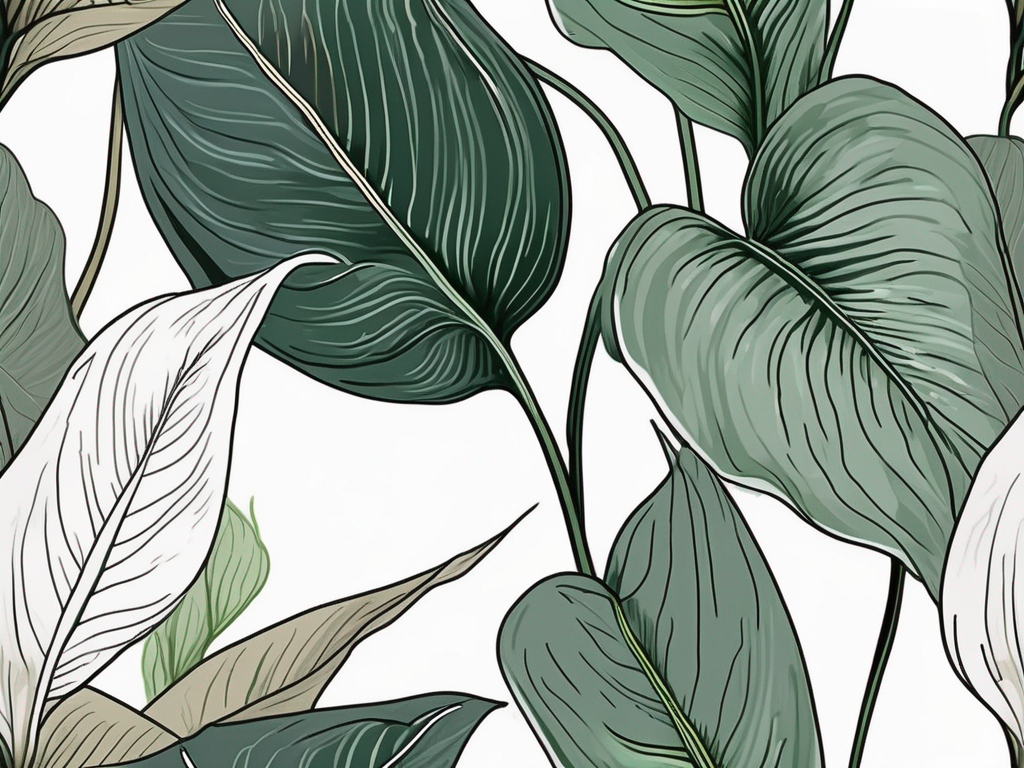
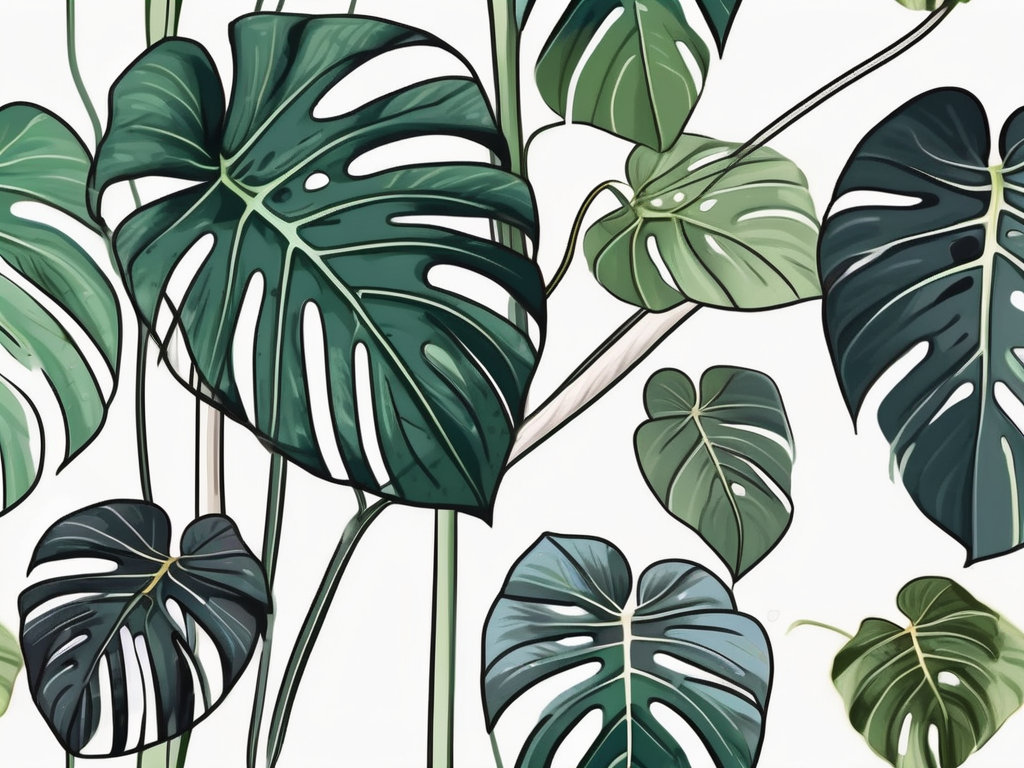
Monstera Pinnatipartita might sound like a mouthful, but once you get to know it, the name will roll off your tongue as easily as its leaves unfurl. A member of the Araceae family, this plant is native to Central and South America, where it thrives in tropical rainforests. What sets it apart from its Monstera cousins is its unique leaf structure. As the plant matures, its leaves develop deep incisions and fenestrations (those delightful holes), giving it an elegant, lace-like appearance.
Interestingly, the Pinnatipartita starts with simple, heart-shaped leaves that gradually transition into their signature split form as they grow. This transformation is not just a visual treat but also a sign of a healthy and happy plant. The more mature your Monstera, the more dramatic and intricate the leaves will become. It’s almost like watching a slow-motion performance of nature’s art.
In terms of size, Monstera Pinnatipartita can grow quite large if given enough room and the right conditions, often reaching several feet in height indoors. While it does take some time to reach its full potential, the journey is rewarding, with each new leaf a testament to your care and attention.
Light Requirements
One of the first steps in caring for your Monstera Pinnatipartita is understanding its light needs. This plant is accustomed to the dappled sunlight of rainforests, which means it thrives best in bright, indirect light. Think of it as enjoying a sunny day under the shade of a large tree. Direct sunlight can be too harsh, leading to scorched leaves, while too little light will slow down growth and result in smaller, less dramatic leaves.
So, where should you place your plant? A spot near an east or north-facing window is usually ideal. If your only option is a south or west-facing window, consider using sheer curtains to diffuse the light. This setup will mimic the natural environment Monstera Pinnatipartita loves. If your plant's leaves are growing smaller and lack the usual splits, it might be signaling a need for more light.
For those living in darker homes or during the shorter days of winter, don’t worry! You can supplement natural light with grow lights. These handy tools can provide the necessary light spectrum to keep your plant happy and thriving all year round. Just make sure to position them about 12 inches away from the plant to avoid overheating.
Watering Guidelines
Watering is where many plant parents trip up, but with Monstera Pinnatipartita, it’s all about balance. The key is to allow the top inch of soil to dry out before watering again. This plant prefers a consistent watering schedule, but it doesn’t like to sit in water. Overwatering is a common issue and can lead to root rot, which is something you definitely want to avoid.
To get it right, check the soil moisture by sticking your finger about an inch into the soil. If it feels dry, it’s time to water. On the other hand, if it’s still damp, give it a bit more time. When you do water, make sure to do so thoroughly, allowing excess water to drain out of the pot’s bottom. This helps flush out any salts or minerals that might accumulate in the soil.
Avoid letting your Monstera sit in standing water, as this can lead to root rot. Ensure your pot has drainage holes and consider using a saucer to catch any overflow. During the growing season (spring and summer), you might find yourself watering more frequently, while in the cooler months, you can reduce the frequency as the plant’s growth slows down.
Soil and Potting Needs
Choosing the right soil is like choosing the right bed – it’s crucial for comfort and growth. Monstera Pinnatipartita loves a well-draining mix that retains some moisture without becoming waterlogged. A good potting mix consists of peat, perlite, and a bit of orchid bark or coco coir to aid in drainage and aeration.
If you’re a DIY enthusiast, you can create your own blend at home. Mix equal parts of peat moss, perlite, and orchid bark. This combination mimics the plant’s natural habitat, ensuring the roots can breathe and expand without being suffocated by dense soil.
When it comes to potting, choose a container that has drainage holes to prevent excess water accumulation. Terra cotta pots are a great option as they allow moisture to evaporate more easily, reducing the risk of overwatering. As your Monstera grows, you may need to repot it every couple of years to provide more space for the roots to expand.
Repotting is best done in the spring or summer when the plant is actively growing. Gently remove the plant from its current pot, loosen the roots, and place it in a new container with fresh potting mix. After repotting, water your plant thoroughly and let it adjust to its new home.
Humidity and Temperature Preferences
Monstera Pinnatipartita, being a tropical plant, thrives in environments with higher humidity levels. Ideally, you want to aim for a humidity level of around 60% or more. If your home tends to be on the drier side, especially during winter, there are a few tricks you can use to boost humidity.
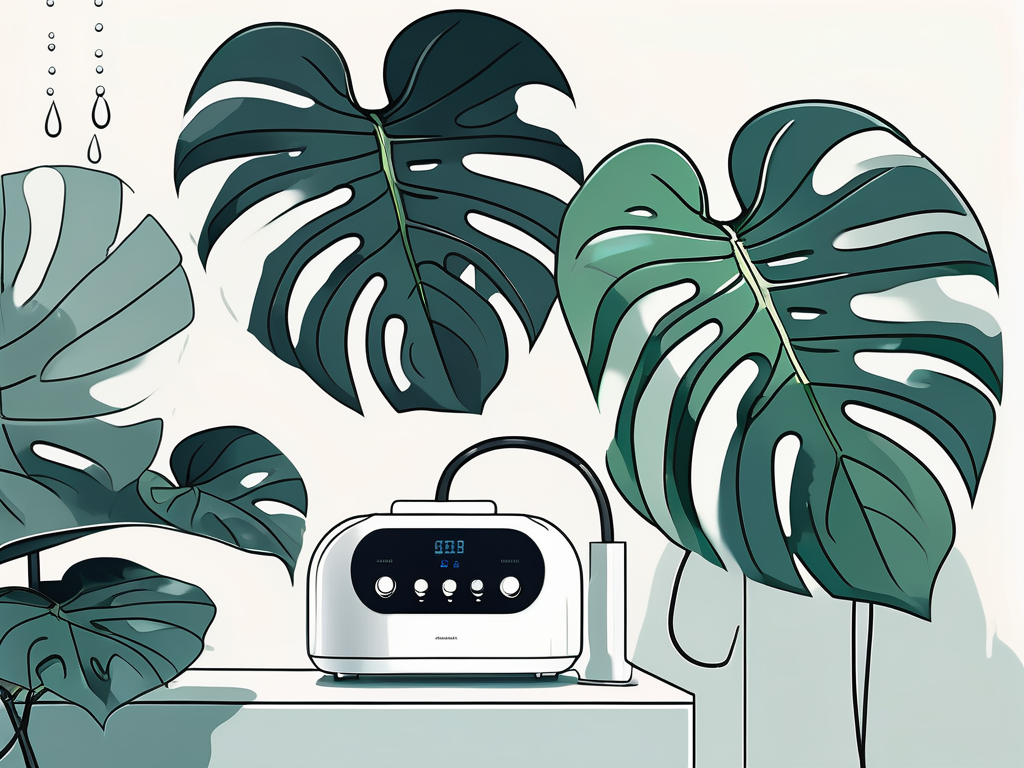
One easy method is to place a small humidifier near your plant. This is especially useful if you have several tropical plants grouped together, as they will all benefit from the added moisture. Alternatively, you can create a humidity tray by filling a shallow dish with pebbles and water and placing your plant on top. Just make sure the pot’s base isn’t submerged in water.
Temperature-wise, Monstera Pinnatipartita prefers a range between 65°F to 85°F. It's important to keep your plant away from cold drafts or sudden temperature changes, as these can stress the plant. During the winter months, ensure your plant isn’t too close to windows or doors where cold air might seep in. On the flip side, avoid placing it near heat sources like radiators or vents, which can dry out the air around it.
Fertilizing Your Monstera Pinnatipartita
Fertilizing is like providing a nutritional boost to your plant, helping it grow strong and vibrant. During the growing season, which typically runs from spring through summer, feed your Monstera Pinnatipartita with a balanced liquid fertilizer every month. A fertilizer with an NPK ratio of 20-20-20 works well, supplying essential nutrients without overwhelming the plant.
When applying fertilizer, always follow the instructions on the packaging. It’s better to under-fertilize than to overdo it, as too much can lead to salt build-up in the soil, potentially burning the roots. If you’re using a slow-release fertilizer, you might only need to apply it once at the beginning of the growing season.
Remember to skip fertilizing during the fall and winter months when the plant’s growth naturally slows down. This rest period mimics its natural cycle and allows the plant to conserve energy. If you notice yellowing leaves or stunted growth during the growing season, it might be a sign that your plant requires more nutrients.
Dealing with Pests and Common Problems
Even the best plant parents encounter pests and problems from time to time. Monstera Pinnatipartita is generally resilient, but it can fall victim to common houseplant pests like spider mites, mealybugs, and aphids. The key is to catch these invaders early before they cause significant damage.
Regularly inspect your plant’s leaves, especially the undersides, where pests often like to hide. If you spot any, you can remove them by wiping the leaves with a damp cloth or using a solution of water and mild soap. For more persistent infestations, consider using neem oil or insecticidal soap.
Another issue you might face is yellowing leaves, which can be caused by overwatering or poor drainage. Adjust your watering schedule and ensure your plant isn’t sitting in waterlogged soil. Brown tips can indicate low humidity or underwatering, so check your humidity levels and adjust your watering routine accordingly.
If your plant seems to be struggling, it's always helpful to reassess its environment. Sometimes a simple change in light, humidity, or watering can make a big difference in your plant’s health.
Styling Tips for Monstera Pinnatipartita
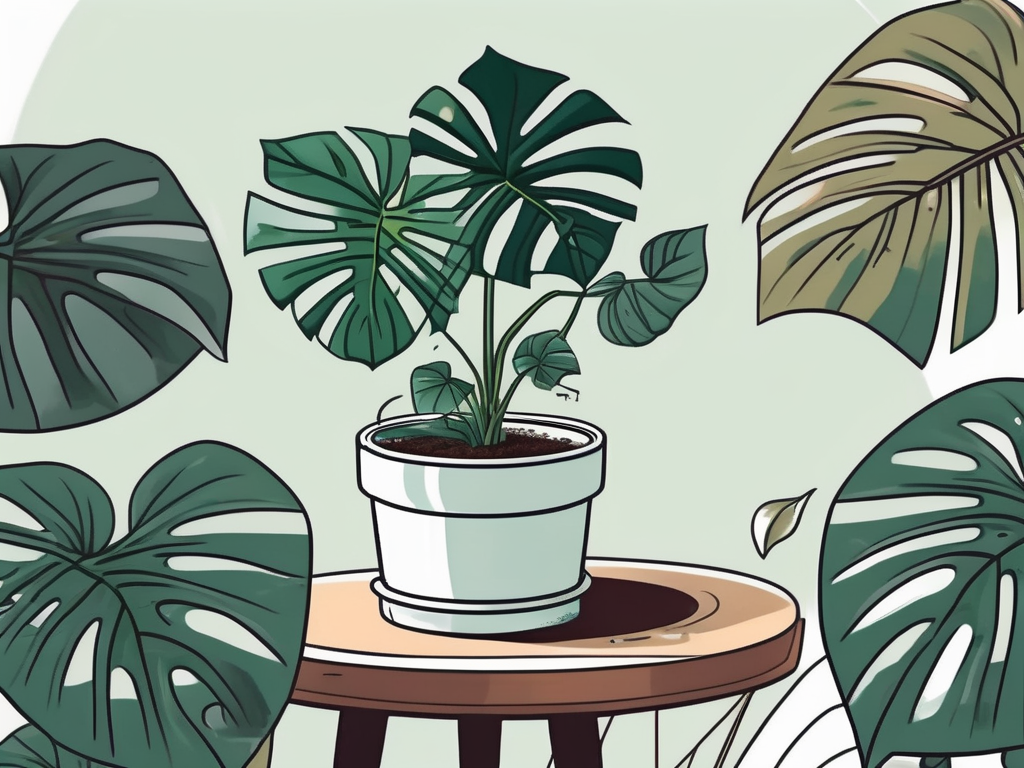
While Monstera Pinnatipartita is undeniably a showstopper on its own, how you style it in your space can elevate its beauty even more. Consider using a decorative pot or stand to make it a focal point in your living room or office. Its tall, elegant leaves pair beautifully with modern or bohemian decor styles.
If you’re aiming for a jungle-inspired look, group your Monstera with other tropical plants like philodendrons or ferns. This not only creates a lush, verdant corner but also helps maintain higher humidity levels as the plants release moisture into the air.
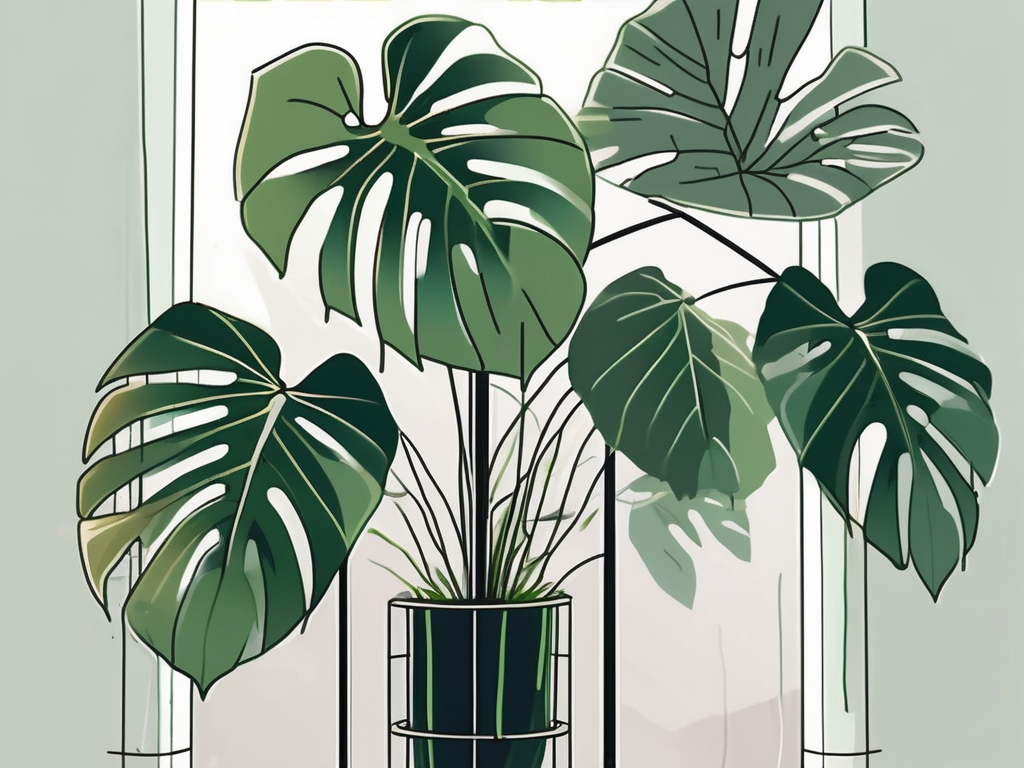
For those with limited space, consider training your Monstera to climb using a moss pole or trellis. This encourages vertical growth and allows the plant’s leaves to reach their full potential, showcasing those dramatic splits and fenestrations. Plus, it’s a fantastic way to save floor space while still enjoying a large plant.
Don’t forget to regularly rotate your Monstera to ensure even growth. Plants naturally grow towards the light, so turning them every few weeks helps maintain a balanced, full appearance.
Propagation Made Easy
One of the joys of owning a Monstera Pinnatipartita is the ability to propagate it and share the love with friends or expand your own collection. Propagation is relatively straightforward and can be done using stem cuttings.
To start, choose a healthy stem with at least one node (the knobby part where leaves and roots develop) and a few leaves. Using clean, sharp scissors, make a cut just below the node. Remove any lower leaves to expose the node, as this is where new roots will form.
Place the cutting in a jar of water, ensuring the node is submerged while the leaves remain above the surface. Change the water weekly to keep it fresh and prevent stagnation. After a few weeks, you should see roots developing. Once the roots are a couple of inches long, you can plant the cutting in soil.
Alternatively, you can plant the cutting directly in a pot with moist soil, though this method requires a bit more patience as the roots form. Regardless of the method, keep the new plant in a warm, bright spot and water it regularly until it establishes itself.
Final Thoughts
Monstera Pinnatipartita is a stunning addition to any plant collection, with its unique foliage and easygoing nature. By understanding its needs for light, water, and care, you can ensure it thrives and becomes a beautiful part of your home.
At Cafe Planta, we’re passionate about helping you succeed in your plant journey. Whether you’re looking for new additions, plant care accessories, or some plant-themed apparel, we’ve got you covered. If you ever have questions or just want to chat about plants, feel free to email us or send a DM on our Instagram. We’re here to support and share the joy of plant parenting with you!