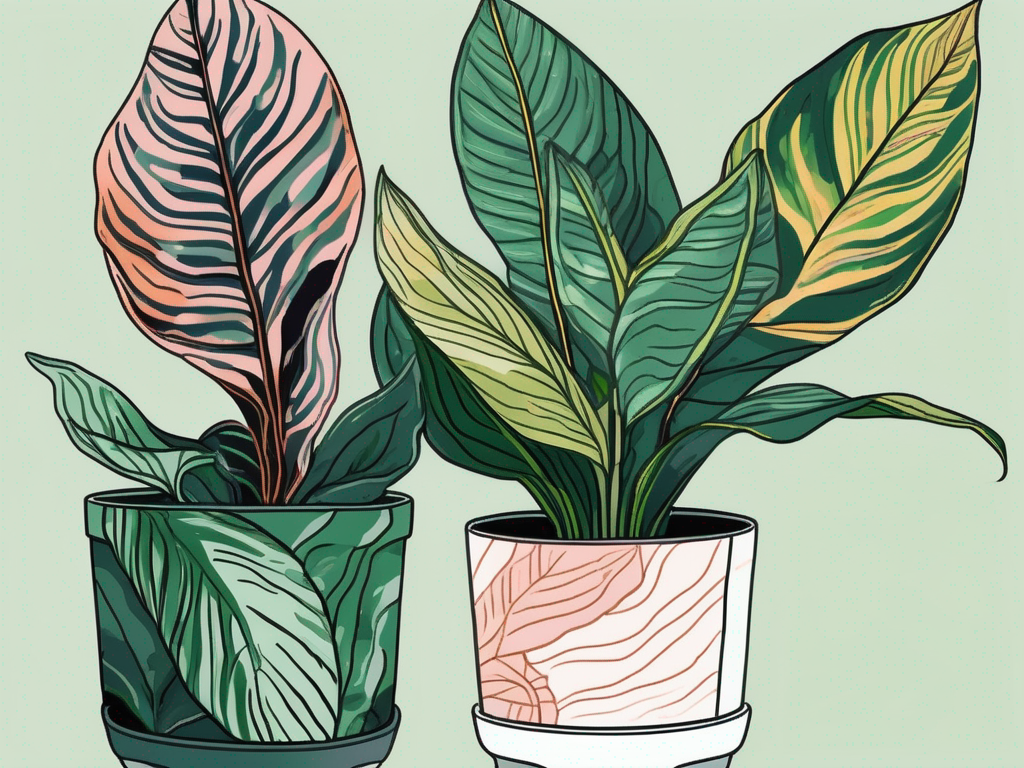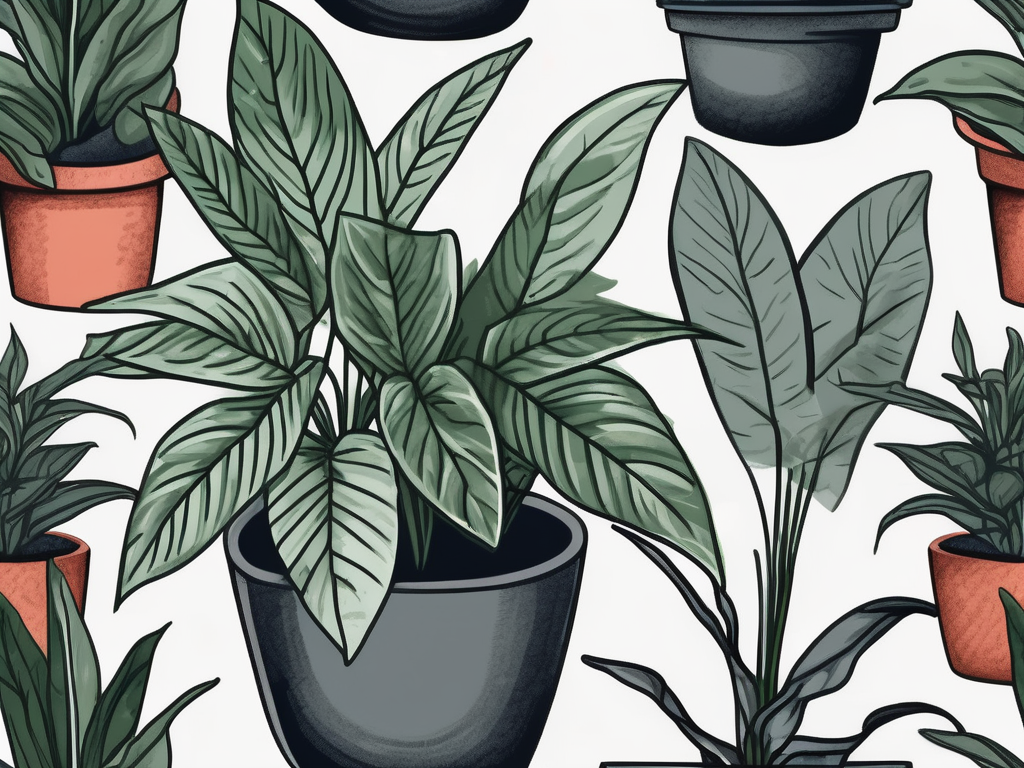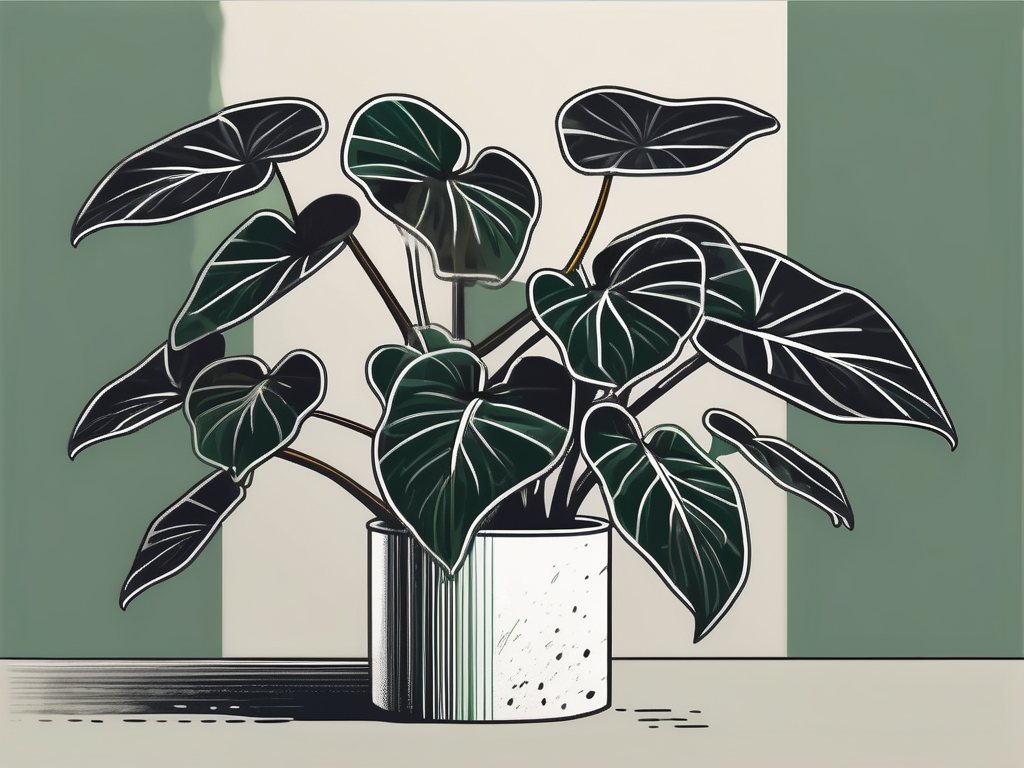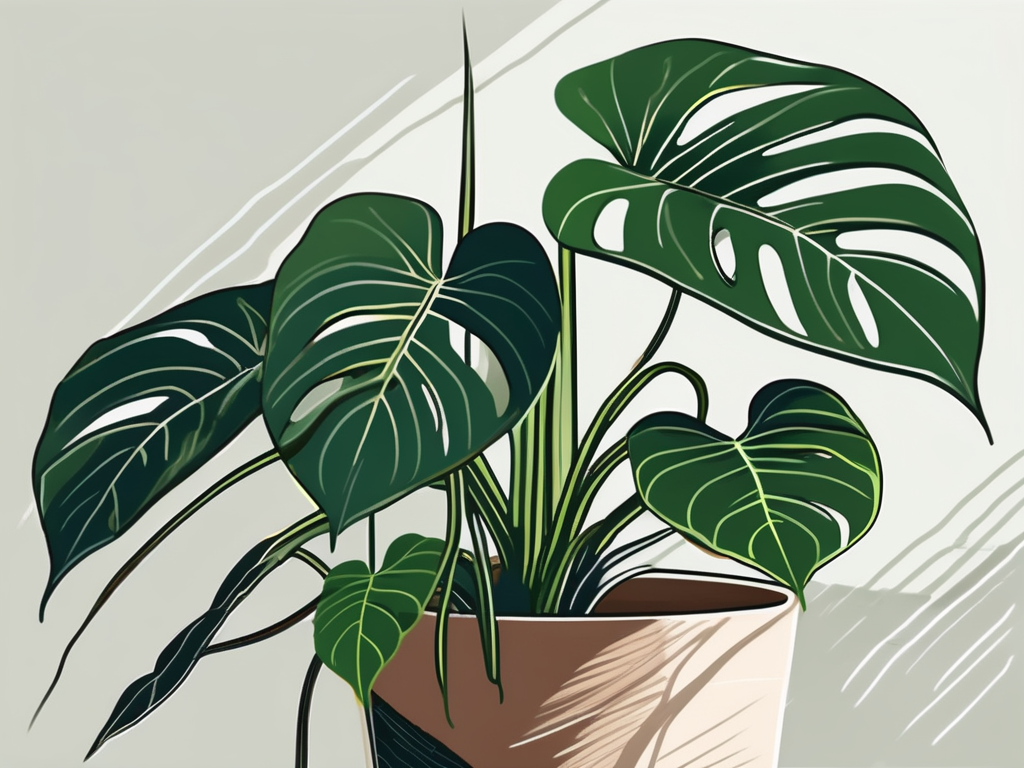
Philodendron Melanochrysum is a stunning houseplant known for its elongated, velvety leaves that can make any room feel like a mini tropical paradise. If you're looking to add a touch of elegance to your indoor garden, this plant is a must-have. But how do you keep it thriving and looking its best?
In this article, we'll cover everything you need to know about Philodendron Melanochrysum care. From the right lighting and watering schedule to soil preferences and common pest issues, we've got you covered. Let's get started!
The Beauty of Philodendron Melanochrysum
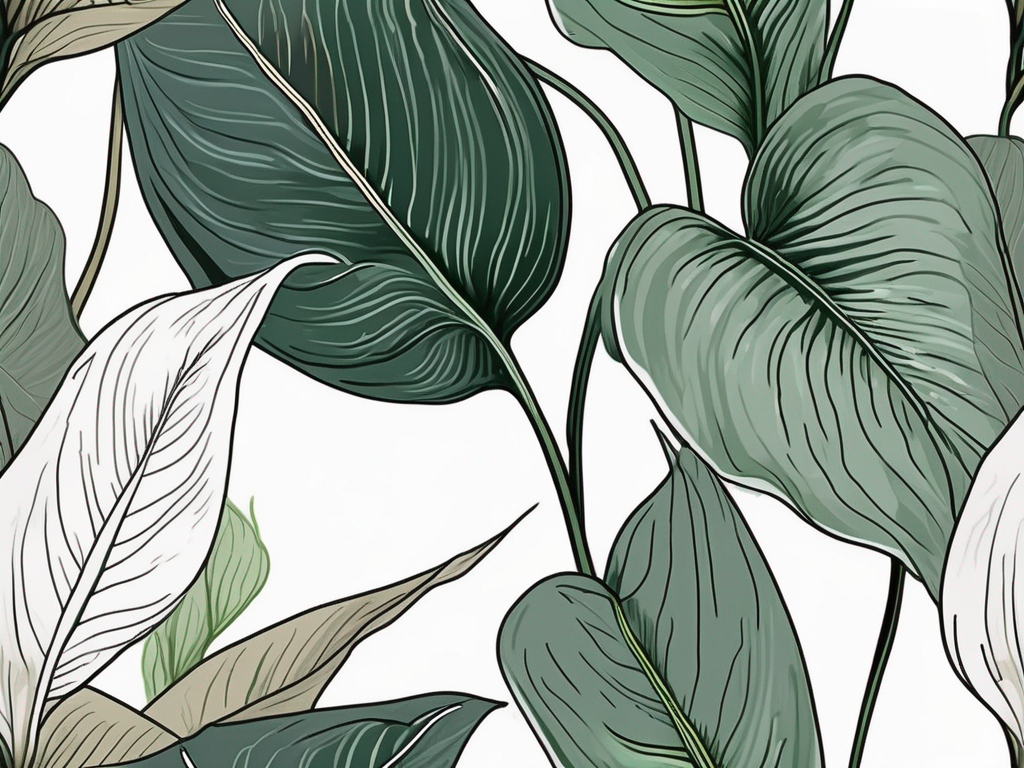
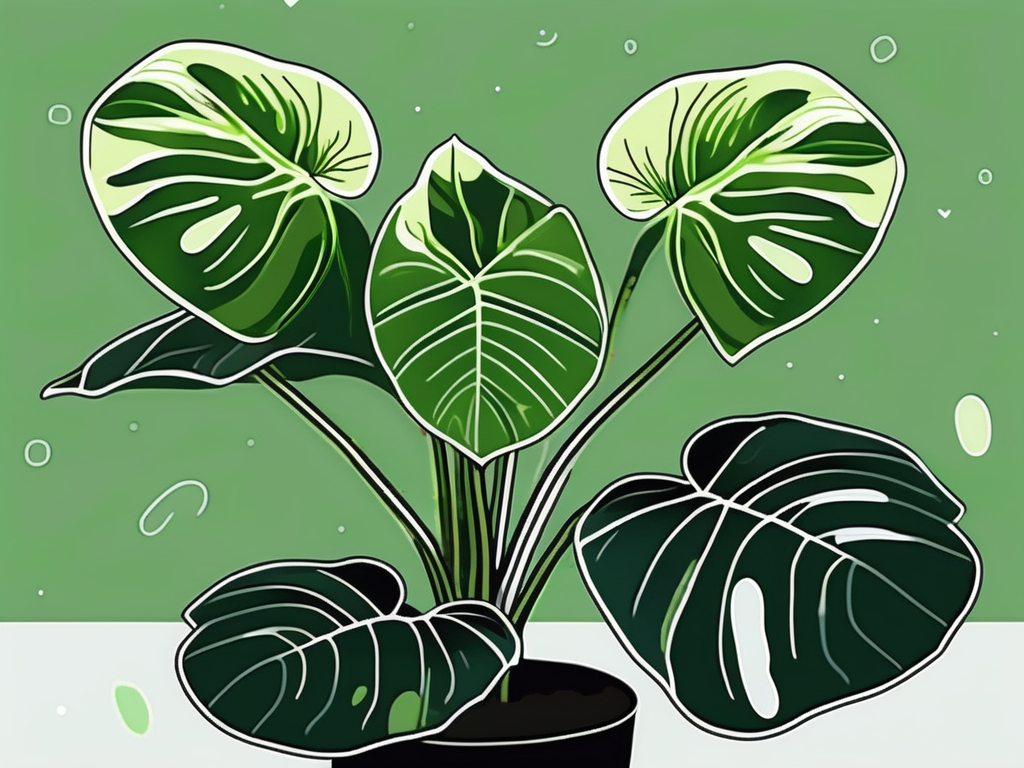
Before diving into the care specifics, let’s take a moment to appreciate what makes the Philodendron Melanochrysum so special. It’s not just the plant’s striking appearance that catches the eye, but also its ability to adapt to various indoor environments. The leaves, which can grow up to 24 inches long, have a dark green, almost black hue with a velvety texture that adds a luxurious vibe to any space.
Imagine walking into your living room and being greeted by these beautiful leaves cascading from a tall shelf or trellis. It’s no wonder plant lovers are drawn to it. Now, while they are not the easiest plant to care for, they're certainly manageable with the right guidance.
Light Requirements
Philodendron Melanochrysum thrives in bright, indirect light. Think of the lighting conditions found under a large tree canopy. Direct sunlight can scorch the leaves, so it’s best to place them near a north or east-facing window. If you're working with a south or west-facing window, sheer curtains can help diffuse the light.
But what if you don't have the perfect lighting? Don't worry. These plants are forgiving and can adapt to lower light conditions, although their growth might slow down. The key is to avoid complete darkness, as that can lead to leggy growth and dull leaf color.
Watering Schedule
Getting the watering right can be tricky, especially if you're new to houseplants. The golden rule here is to let the top inch of soil dry out before watering again. Overwatering is the most common mistake and can lead to root rot, a condition that’s difficult to bounce back from.
Here's a simple way to check if your Philodendron needs water: stick your finger into the soil up to the first knuckle. If it feels dry, it’s time to water. If it’s still moist, give it a few more days. During summer, you might find yourself watering more frequently. In winter, when the plant’s growth slows down, you can ease up a bit.
Soil Preferences
Soil is often overlooked, but it plays a crucial role in plant health. Philodendron Melanochrysum prefers well-draining soil that retains some moisture but doesn’t stay soggy. You can create a suitable mix by combining equal parts potting soil, perlite, and orchid bark. This mix allows for both good drainage and aeration, mimicking the plant's natural habitat.
If you're buying commercial potting mix, look for ones labeled for aroids or tropical plants. These generally have the right balance of ingredients. Repotting every two years can also help refresh the soil and promote healthy growth.
Temperature and Humidity
Being a tropical plant, Philodendron Melanochrysum loves warm, humid conditions. They thrive in temperatures ranging from 65°F to 80°F. If you feel comfortable at a certain temperature, chances are your plant will too. However, avoid placing it near drafts or sudden temperature changes, as this can stress the plant.
Humidity is another factor to consider. These plants prefer humidity levels above 60%. If the air in your home is dry, especially during winter months, consider using a humidifier or placing a pebble tray with water near the plant. Misting can help too, but avoid overdoing it, as this can promote fungal issues.
Fertilizing Tips
A little boost now and then can go a long way. Fertilizing your Philodendron Melanochrysum during the growing season (spring and summer) can promote healthy, robust growth. A balanced, water-soluble fertilizer diluted to half strength works well. Apply it every 4-6 weeks.
It’s easy to get carried away with fertilizers, so remember that less is more. Over-fertilizing can lead to salt build-up in the soil and damage the roots. During the fall and winter, you can pause fertilizing since the plant's growth slows down.
Repotting and Pruning
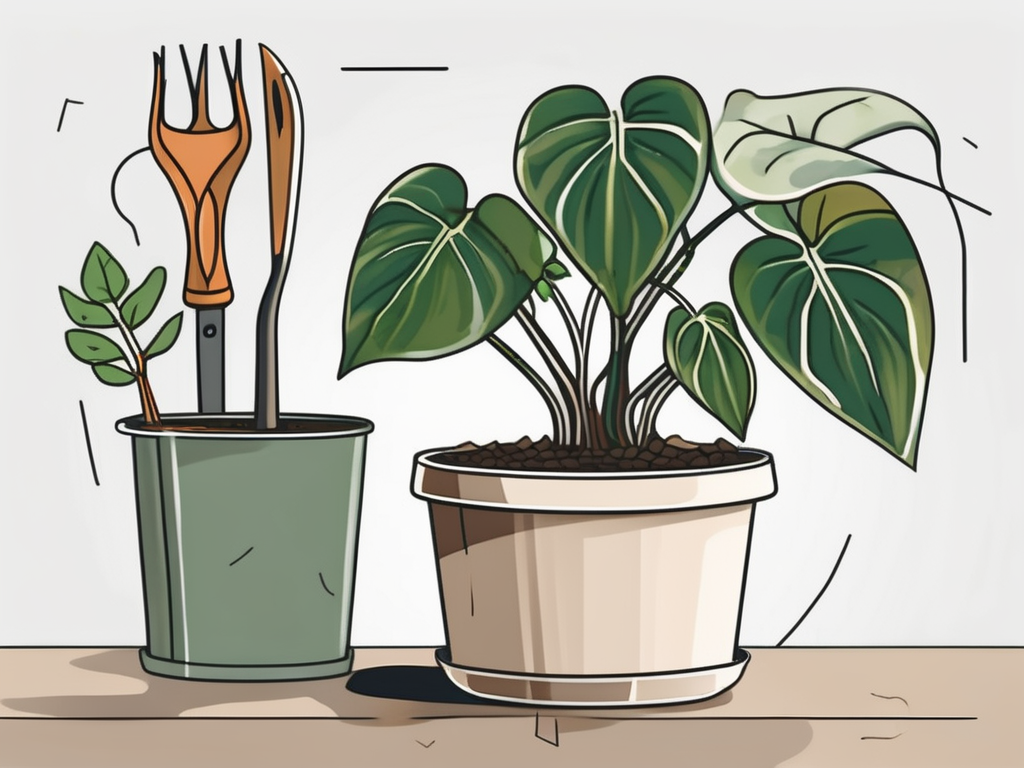
Philodendron Melanochrysum is a climber, meaning it will appreciate the support of a moss pole or trellis as it grows. Repotting every two years not only provides fresh soil but also gives you a chance to inspect the roots for any signs of trouble. Choose a pot that's one size larger to accommodate the growing root system.
Pruning is mostly about aesthetics and managing size. If your plant becomes too leggy or out of shape, feel free to trim it back. Use clean, sharp scissors to make cuts just above a node, where new growth will sprout.
Dealing with Pests and Diseases
No plant is completely immune to pests, and the Philodendron Melanochrysum is no exception. The most common pests include spider mites, mealybugs, and aphids. A quick way to deal with them is by wiping the leaves with a damp cloth or spraying them with a mixture of water and mild dish soap.
Fungal issues can arise if the plant is kept too wet or in poor air circulation. Ensure your plant is in a well-ventilated area and avoid waterlogging the soil. If you notice any yellowing leaves or black spots, it may be a sign of a fungal problem, and you may need to adjust your watering habits or consider a fungicide treatment.
Interior Design with Philodendron Melanochrysum
Incorporating Philodendron Melanochrysum into your home decor can elevate the aesthetic of any room. Its trailing vines and large, velvety leaves make it perfect for creating a focal point. Consider placing it in a tall, decorative planter or allowing it to cascade from a shelf.
If you're feeling creative, use a moss pole to encourage vertical growth, which can add height and drama to your space. Pair it with plants of different textures and colors for a lush, dynamic display. The key is to ensure it has the right light and enough space to grow.
Final Thoughts
We’ve explored the fascinating world of Philodendron Melanochrysum care, from light and water needs to soil preferences and pest management. By following these guidelines, you can enjoy a healthy, thriving plant that adds beauty and tranquility to your home.
At Cafe Planta, we're passionate about helping plant lovers like you succeed. Whether you're looking for new houseplants, care accessories, or just some advice, we've got you covered. Feel free to reach out via email or connect with us on Instagram. Let's grow together!