Have you ever found yourself intrigued by the unique charm of the Crown of Thorns plant? This fascinating plant, known scientifically as Euphorbia milii, has a lot more personality than just its striking blooms. While many are drawn to its colorful flowers, the leaves of the Crown of Thorns hold their own set of interesting characteristics that deserve attention.
In this article, we'll take a closer look at what makes Crown of Thorns leaves so captivating. From their distinct appearance and growth patterns to their care requirements and potential challenges, we’ll cover everything you need to know. Whether you're a seasoned plant lover or new to the world of houseplants, there's something here for you. Let's get started!
The Unique Appearance of Crown of Thorns Leaves
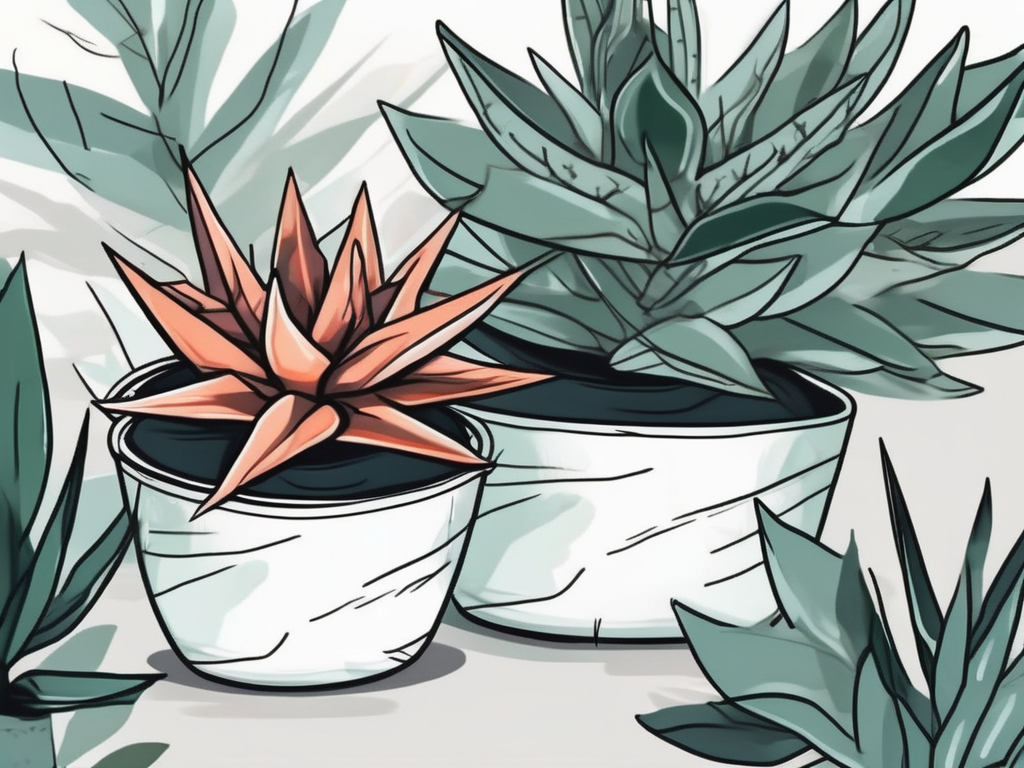
The Crown of Thorns plant is famous for its vibrant flowers, but its leaves are equally fascinating. These leaves typically have a fleshy, succulent nature, which is a common trait among plants that store water. This adaptation helps the plant survive in arid conditions, making it a resilient choice for those who might forget to water their plants now and then.
The leaves are usually small, oval-shaped, and have a somewhat leathery texture. They can vary in color from a bright, lively green to a deeper, more muted hue. This variation often depends on the amount of sunlight the plant receives. Under bright conditions, you might notice a slight tinge of red or purple along the leaf edges, adding an extra layer of visual interest.
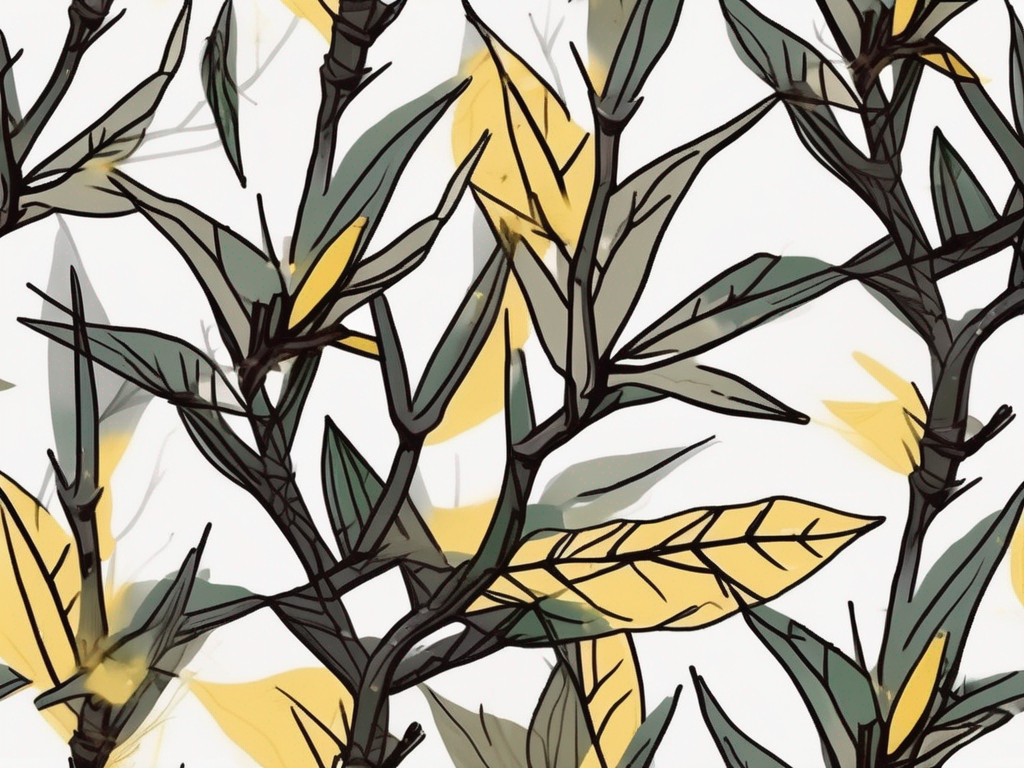
What's truly fascinating is how these leaves develop. They emerge from the plant's thick, thorny stems, creating a striking contrast between the softness of the leaves and the ruggedness of the thorns. This unique combination makes the Crown of Thorns a standout plant in any collection, balancing beauty with a hint of danger. If you're looking to add a touch of drama to your indoor garden, these leaves certainly deliver.
Growth Patterns and Leaf Arrangement
The growth pattern of Crown of Thorns leaves is as intriguing as their appearance. The plant tends to grow in a somewhat bushy formation, with leaves sprouting along the stems. As the plant matures, it can develop a more tree-like structure, with a central trunk and branches adorned with leaves.
One of the key characteristics of the Crown of Thorns is its ability to grow leaves in clusters. This clustering effect is not only visually appealing but also beneficial for the plant's photosynthesis process. The leaves are arranged in a spiral pattern along the stems, which helps maximize their exposure to sunlight. This efficient setup allows the plant to thrive even in less-than-ideal lighting conditions.
Interestingly enough, the plant has a self-regulating mechanism when it comes to leaf growth. In periods of drought or stress, it may drop some leaves to conserve water. This adaptation is a testament to the plant's resilience and ability to survive in challenging environments. So, if you notice your Crown of Thorns shedding a few leaves, don't panic—it might just be adjusting to its surroundings.
Optimal Growing Conditions for Healthy Leaves
Now that we've covered the unique aspects of Crown of Thorns leaves, let's talk about how to keep them healthy and vibrant. Providing the right growing conditions is crucial for any plant, and the Crown of Thorns is no exception.
First and foremost, consider the lighting. This plant thrives in bright, indirect light, though it can tolerate direct sunlight for a few hours a day. A south or west-facing window is often the ideal spot, but make sure to rotate the plant occasionally to ensure even growth. If the leaves start to look pale or stretched out, it might be a sign that your plant needs more light.
Next, let's discuss watering. Remember, the Crown of Thorns is a succulent, so it doesn't need frequent watering. Allow the soil to dry out completely between waterings, and be mindful not to overwater. Overwatering can lead to root rot, which is a common issue with succulents. If you're unsure, it's always better to err on the side of underwatering.
Finally, consider the temperature and humidity. This plant prefers warm, dry conditions, which makes it perfect for indoor environments. Aim for temperatures between 65°F and 75°F (18°C to 24°C) and avoid placing the plant near drafts or cold windows. By providing these optimal conditions, you'll help your Crown of Thorns maintain its beautiful leaves.
Common Challenges and How to Overcome Them
Like any plant, the Crown of Thorns can face a few challenges. One common issue is leaf drop, which we touched on earlier. While this can be a natural response to stress, it's important to ensure your plant isn't experiencing other problems.
If you notice excessive leaf drop, it might be a sign of overwatering or insufficient light. Adjust your care routine accordingly and give the plant some time to recover. Patience is key here—plants often take a little while to bounce back.
Pests can also be a concern. Although the Crown of Thorns is relatively pest-resistant, it can occasionally fall victim to common houseplant pests like spider mites or mealybugs. If you notice any unwanted visitors, treat the plant with insecticidal soap or neem oil. Regularly inspecting the leaves and stems can help catch any infestations early.
Fungal issues are another potential challenge. Overly humid conditions or poor air circulation can lead to fungal growth, which may manifest as spots on the leaves. Ensure your plant has good airflow and avoid misting the leaves, as this can exacerbate the problem. If you do spot any signs of fungus, remove the affected leaves and treat the plant with a suitable fungicide.
The Role of Leaves in Photosynthesis
The leaves of the Crown of Thorns play a vital role in the plant's photosynthesis process. Photosynthesis is how plants convert light energy into chemical energy, which they use to fuel their growth. It's a fascinating process, and the leaves are the stars of the show.
The small, fleshy leaves of the Crown of Thorns are packed with chlorophyll, the pigment responsible for capturing light energy. This energy is then used to convert carbon dioxide and water into glucose and oxygen. The glucose provides energy for the plant, while the oxygen is released back into the atmosphere.
This process is not only crucial for the plant's survival, but it also contributes to the air quality in your home. By absorbing carbon dioxide and releasing oxygen, the Crown of Thorns helps create a healthier indoor environment. It's a small but meaningful way that plants can enhance our living spaces.
Understanding the role of leaves in photosynthesis can also help you care for your plant more effectively. By ensuring your Crown of Thorns receives adequate light, you're supporting its ability to photosynthesize and thrive. So, next time you admire those lovely leaves, remember the important work they're doing behind the scenes.
Seasonal Changes and Leaf Behavior
The Crown of Thorns is a plant that can adapt to the changing seasons, and its leaves reflect these transitions. During the spring and summer months, when the plant is actively growing, you may notice a flush of new leaves and even some blooms. This is the time to ensure your plant is getting plenty of light and the occasional feed with a balanced fertilizer to support its growth.
As fall and winter set in, the plant's growth may slow down. Don't be surprised if you see fewer new leaves or even a bit of leaf drop. This is a natural response to the reduced light levels and cooler temperatures. During this time, you can cut back on watering and allow the plant to enjoy a period of rest.
While the seasonal changes may cause some fluctuations in leaf behavior, they also offer an opportunity to appreciate the plant's adaptability. By observing how your Crown of Thorns responds to different conditions, you can fine-tune your care routine and become more attuned to its needs.
Using Crown of Thorns in Interior Design
The Crown of Thorns isn't just a resilient plant—it's also a stylish addition to any home. Its unique combination of thorny stems and lush leaves makes it a striking focal point in a room. Whether you prefer a minimalist aesthetic or a more eclectic style, this plant can complement a variety of design schemes.
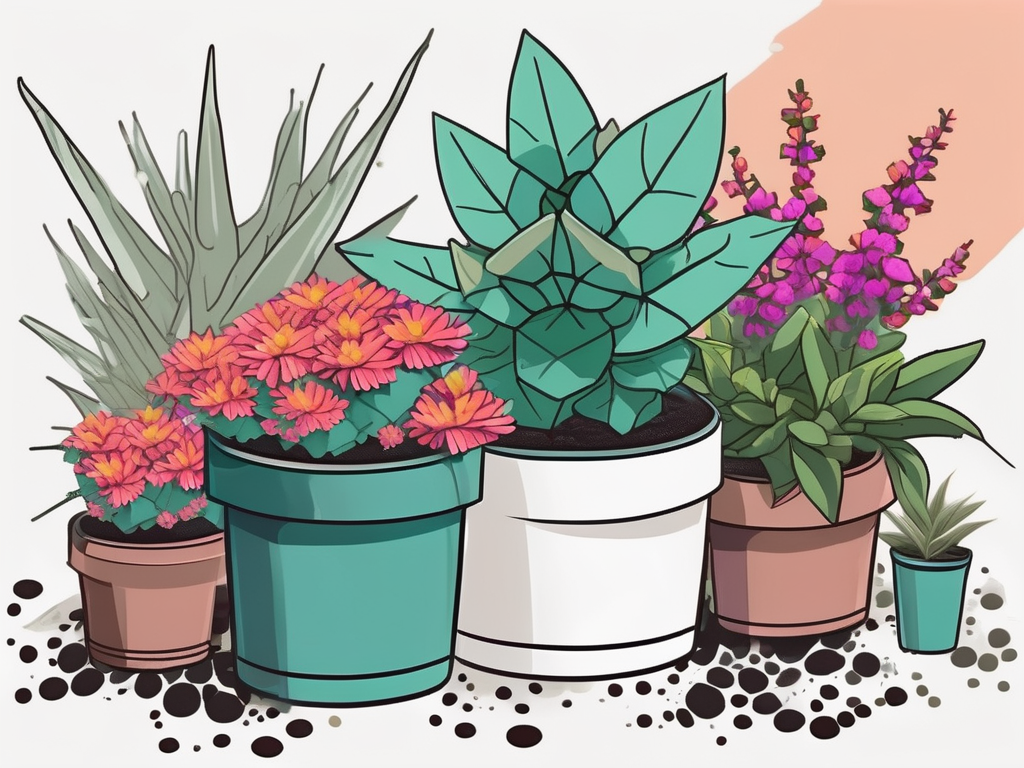
One way to incorporate the Crown of Thorns into your interior design is by using it as a statement piece. Consider placing it in a decorative pot that complements your decor, and position it in a spot where it can be admired. A sunny windowsill, a side table, or even a bookshelf can be the perfect home for this distinctive plant.
The Crown of Thorns also pairs well with other plants. Its bold form can provide contrast to softer, more delicate plants, creating a visually interesting display. Try grouping it with other succulents, cacti, or even trailing plants for a dynamic arrangement.
Another option is to use the Crown of Thorns as part of a themed display. Its unique appearance makes it a great choice for desert-inspired or tropical-themed decor. By experimenting with different arrangements, you can find the perfect way to showcase this fascinating plant in your home.
Propagating Crown of Thorns: A Guide to Growing More Leaves
If you're eager to grow more Crown of Thorns plants, propagation is a rewarding endeavor. Not only will you expand your collection, but you'll also gain a deeper appreciation for the growth process.
The most common method of propagating a Crown of Thorns is through stem cuttings. Here's a step-by-step guide to get you started:
- Choose a healthy stem: Look for a stem with several leaves and no signs of damage or disease. The best time to take cuttings is during the plant's active growing season, typically spring or summer.
- Take the cutting: Use a sharp, clean knife or scissors to cut a 3- to 4-inch section of the stem. Be sure to wear gloves to protect your hands from the plant's sap, which can be irritating.
- Let it dry: Allow the cutting to dry and callous over for a few days. This helps prevent rot when you plant it.
- Plant the cutting: Once the cutting has calloused, plant it in a well-draining soil mix. A cactus or succulent mix works well. Water lightly to help the cutting settle in, and place it in a bright, indirect light.
- Patience is key: It may take a few weeks for roots to develop. During this time, keep the soil slightly moist but not soggy. Once you see new growth, you'll know your cutting has successfully rooted.
Propagating your Crown of Thorns is a wonderful way to share the plant with friends or expand your own collection. Plus, there's something truly satisfying about watching a new plant grow from a simple cutting!
Final Thoughts
We've explored the unique characteristics of Crown of Thorns leaves, from their appearance and growth patterns to their role in photosynthesis and seasonal behavior. Caring for these remarkable leaves involves understanding their needs and providing the right conditions for them to thrive.
At Cafe Planta, we're passionate about helping you care for your plants. Whether you're looking for new additions to your collection or need advice, we're here to assist. Feel free to reach out via email or Instagram. Let's connect over a shared love of plants and create beautiful, thriving spaces together.