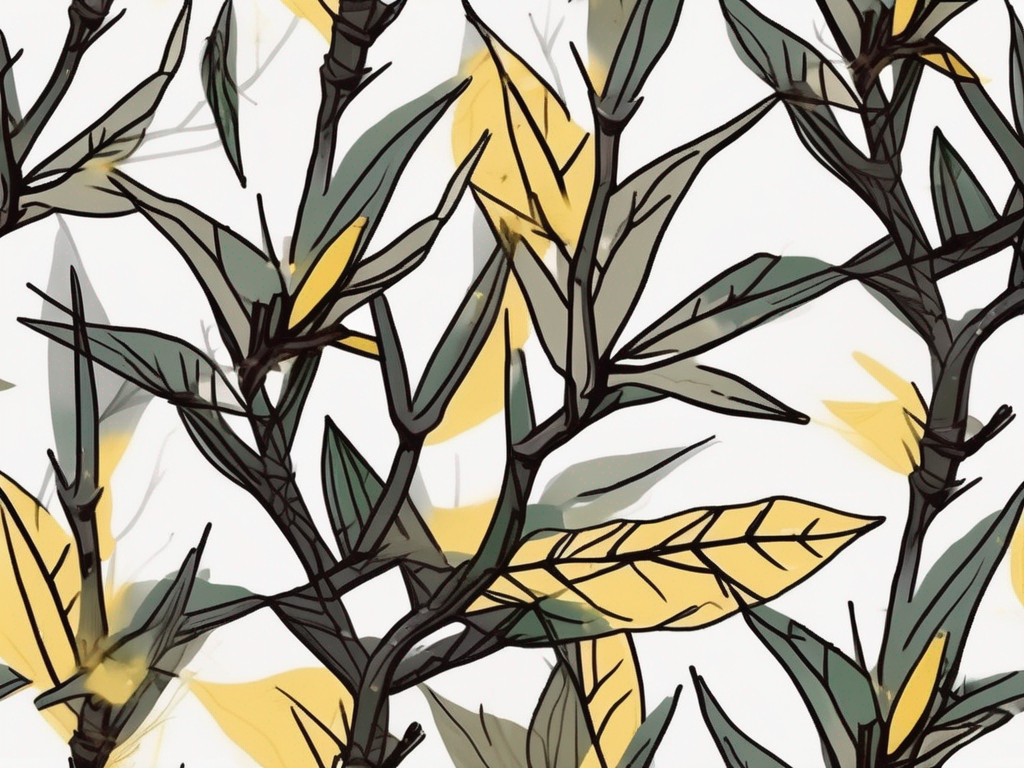
The Crown of Thorns, with its vibrant blooms and distinct thorny stems, is a favorite among plant people for adding a splash of color and intrigue to any space. Yet, like any beloved houseplant, it can sometimes fall prey to a host of diseases. Knowing how to spot these issues and tackle them is key to keeping your plant in good health.
This article will help you understand the common diseases that can affect your Crown of Thorns, their causes, symptoms, and how you can treat and prevent them. So, let's roll up our sleeves and get ready to nurture our prickly friends back to their best selves!
Understanding Crown of Thorns Plant
The Crown of Thorns, scientifically known as Euphorbia milii, is a succulent that thrives in sunny spots. Native to Madagascar, this plant is appreciated for its resilience and ability to produce blooms almost year-round under the right conditions. Its fleshy stems hold water, making it relatively drought-tolerant, and the vibrant bracts can range from red to yellow, offering a constant pop of color.
Despite its hardy nature, the Crown of Thorns isn't immune to problems. Understanding its natural habitat and needs can help prevent many common diseases. This plant prefers well-drained soil, bright light, and moderate watering, as it's prone to root rot if overwatered. Ensuring proper care from the start can go a long way in keeping it disease-free.
Common Diseases Affecting Crown of Thorns
Like all houseplants, the Crown of Thorns can suffer from a range of diseases, often caused by environmental stressors, pests, or pathogens. Let's look at some of the most common issues:
- Root Rot: Overwatering or poorly drained soil can lead to root rot, a fungal disease that causes roots to decay.
- Powdery Mildew: A fungal infection that appears as a white, powdery substance on leaves and stems.
- Leaf Spot: Caused by various fungi or bacteria, these spots can be brown, black, or yellow and may cause leaves to drop.
- Stem Rot: Similar to root rot, this affects the plant's stems, often turning them mushy and dark.
Each of these diseases presents with specific symptoms and requires targeted treatment. Understanding these nuances will help you respond effectively when your plant shows signs of distress.
Causes of Diseases in Crown of Thorns
Diseases don't just appear out of nowhere—they're usually the result of a combination of factors. Here's what might be going wrong when your Crown of Thorns starts looking less than perky:
- Overwatering: Perhaps the most common issue, overwatering can lead to root and stem rot. Remember, this plant is a succulent and doesn't need as much water as more tropical species.
- Poor Drainage: Even if you're watering correctly, without proper drainage, water can pool at the bottom of the pot, creating a soggy environment where fungi thrive.
- High Humidity: While Crown of Thorns prefers dry conditions, high humidity can encourage fungal diseases like powdery mildew.
- Lack of Air Circulation: Crowded plants or insufficient airflow can create a microclimate where spores find it easy to settle and spread.
Interestingly enough, while these factors are common, each plant is unique, and what affects one might not bother another. Observing your plant's environment and adjusting care based on its needs can prevent many issues before they start.
Recognizing Symptoms of Plant Diseases
Spotting the early signs of trouble can mean the difference between saving your plant and losing it. Here's what to look out for:
- Yellowing Leaves: Often a sign of overwatering or root issues. If leaves are turning yellow and dropping, check the soil moisture and root health.
- Discolored Spots: Brown, black, or yellow spots on leaves may indicate leaf spot disease. These can spread quickly, so early detection is crucial.
- Wilting: Not always due to lack of water. Wilting can also occur if roots are damaged or if there's a fungal infection in the stems.
- White Powdery Coating: This is a telltale sign of powdery mildew, which can spread across the plant if not addressed.
Regularly inspecting your plants and knowing what's normal for them can help you catch these symptoms early. It's better to spend a few minutes each week checking your plants than to deal with a full-blown disease outbreak!
Treatment Methods for Common Diseases
Once you've identified a problem, it's time to act. Here's how you can tackle each of these common issues:
Root Rot
- Remove the Plant: Gently take the plant out of its pot and inspect the roots. Healthy roots are white and firm, while rotten ones are brown and mushy.
- Trim Affected Roots: Using sterilized scissors, cut away any rotten roots.
- Repot: Place the plant in fresh, well-draining soil, and reduce watering until recovery is evident.
Powdery Mildew
- Improve Air Circulation: Move the plant to a spot with better airflow.
- Remove Affected Leaves: Cut off any leaves with significant mildew growth.
- Apply Fungicide: Use a fungicide suitable for powdery mildew and follow the instructions carefully.
Leaf Spot
- Isolate the Plant: Prevent the spread by moving the plant away from others.
- Remove Affected Foliage: Trim leaves with spots to prevent further spread.
- Use a Fungicide or Bactericide: Depending on the cause, apply the appropriate treatment.
It's important to act quickly when you notice symptoms. Early intervention can save your plant and prevent the disease from spreading to others.
Preventing Diseases in Crown of Thorns
Prevention is always better than cure, especially when it comes to plant care. Here are some tips to keep your Crown of Thorns healthy:
- Water Wisely: Allow the soil to dry out between waterings, and always use pots with drainage holes.
- Ensure Good Airflow: Space your plants to allow air to circulate, and avoid overcrowding.
- Maintain Proper Humidity: Keep humidity levels low, especially in winter when heating can increase indoor humidity.
- Regular Inspections: Check your plants weekly for signs of disease or pests, so you can act quickly if something's amiss.
With these preventive measures, you'll be setting your Crown of Thorns up for a long, healthy life.
Dealing with Pests on Crown of Thorns
While diseases are a major concern, pests can also wreak havoc on your Crown of Thorns. Common culprits include spider mites, aphids, and mealybugs. These pests can weaken your plant, making it more susceptible to disease.
To keep pests at bay, regular monitoring is crucial. Look for signs like:
- Webbing: A sign of spider mites, often found on the undersides of leaves.
- Sticky Residue: Aphids and mealybugs secrete a sticky substance called honeydew.
- White Fluff: Mealybugs appear as small, white, cottony masses.
If you spot any of these pests, here's what to do:
- Isolate the Plant: Move it away from others to prevent the pests from spreading.
- Manual Removal: Use a damp cloth or paper towel to wipe away pests.
- Apply Insecticidal Soap: This can help eliminate pests without harming your plant.
Regularly cleaning your plants and ensuring they have good airflow can help prevent pest infestations. Also, keeping your plants healthy makes them less attractive to pests in the first place.
Potting and Soil Care for Crown of Thorns
Proper potting and soil care are foundational to preventing diseases in your Crown of Thorns. The right soil mix and pot can make all the difference.
Here's what you need to know:
- Choose the Right Soil: A well-draining cactus or succulent mix is ideal. You can also make your own by mixing regular potting soil with sand or perlite.
- Pot Selection: Use pots with drainage holes to prevent water from pooling at the bottom. Terra cotta pots are a great choice as they allow moisture to escape.
- Repotting: Repot your Crown of Thorns every two to three years to refresh the soil and give the roots more room to grow.
By paying attention to potting and soil, you're giving your Crown of Thorns the best chance to thrive and resist diseases.
Creating a Plant-Friendly Environment
Creating a healthy environment for your Crown of Thorns involves more than just soil and water—it's about the overall conditions your plant lives in. Here are some tips to create a welcoming home for your Crown of Thorns:
- Light: Ensure your plant gets plenty of bright, indirect sunlight. Direct sun can scorch the leaves, while too little light can hinder growth.
- Temperature: Crown of Thorns prefers warm temperatures. Keep it away from cold drafts or sudden temperature changes.
- Humidity: As mentioned earlier, low humidity is best to prevent fungal diseases.
By creating a plant-friendly environment, you're not just preventing diseases—you're also encouraging your Crown of Thorns to bloom more often and grow more vigorously.
Final Thoughts
With a better understanding of the common diseases affecting Crown of Thorns and how to treat and prevent them, you're well-equipped to keep your plant healthy and thriving. Remember, it's all about being observant and proactive in your plant care routine.
At Cafe Planta, we're all about helping you make the most of your plant journey. If you have questions or need advice, don't hesitate to email us or send us a message on Instagram. We're here to help you connect with nature and create a beautiful space with your plant collection.