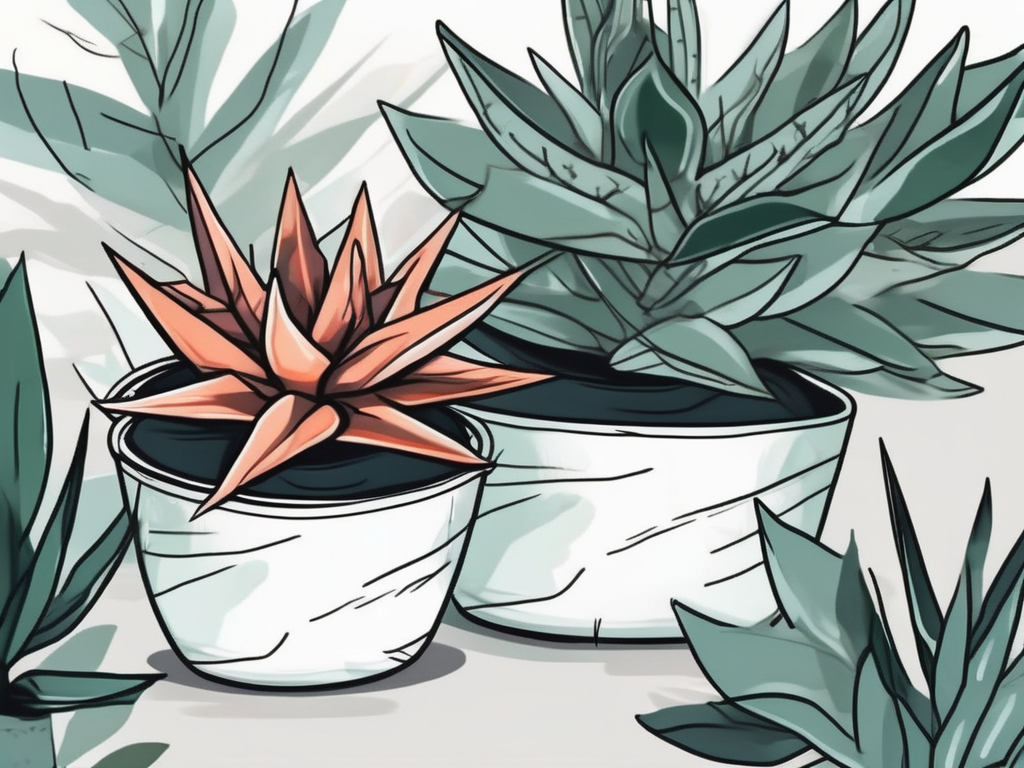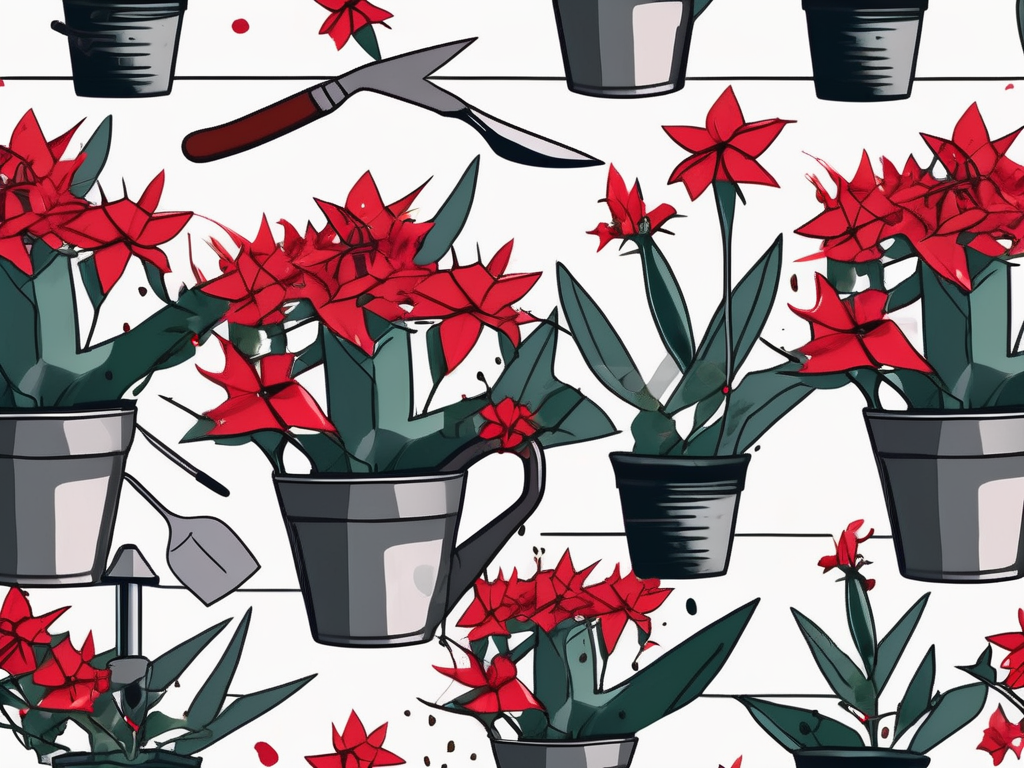
Picture this: a vibrant Crown of Thorns plant, its bold red blooms catching the sunlight, thriving in your living room. This unique plant, with its distinctive, thorny stems and colorful flowers, can be a real showstopper. But how do you keep it looking its best? One crucial part of the puzzle is understanding the role of fertilizer in its growth.
In this article, we'll explore everything you need to know about fertilizing your Crown of Thorns. From the types of fertilizers you should use to the best times for feeding, consider this your go-to guide for boosting your plant's growth. So, let's get started!
Understanding Crown of Thorns Basics
Before diving into the specifics of fertilizer, let's take a moment to understand the Crown of Thorns plant itself. Officially known as Euphorbia milii, this plant is native to Madagascar and is well-loved for its resilience and striking appearance. It's a succulent, meaning it's adapted to store water in its thick, fleshy stems, making it quite drought-tolerant.
Interestingly, the Crown of Thorns is not just a pretty face; it's also quite hardy and can thrive in various conditions. However, like any plant, it has its preferences. For instance, it loves bright, indirect sunlight and well-drained soil. Understanding these basics helps set the stage for effective fertilization.
Why Fertilize Your Crown of Thorns?
So, why bother with fertilizer at all? Isn't water and sunlight enough? Well, not quite. While water and sunlight are essential, they don't provide all the nutrients your plant needs. Fertilizer acts like a multivitamin for plants, offering a balanced diet of essential nutrients that might be missing in the soil.
For Crown of Thorns, fertilization supports its vibrant blooms and helps maintain healthy growth. Without the right nutrients, you might notice fewer flowers or slower growth, which can be disappointing for any plant lover. Fertilizing provides that extra boost your plant needs to thrive.
Choosing the Right Fertilizer
Now that we understand the importance of fertilization, the next step is choosing the right type of fertilizer. Not all fertilizers are created equal, and selecting the right one can make a big difference in your plant's health.
For Crown of Thorns, a balanced, water-soluble fertilizer works well. Look for something with an equal ratio of nitrogen, phosphorus, and potassium, often labeled as N-P-K on the packaging. A 10-10-10 or 20-20-20 formula typically works well.
- Nitrogen (N): Supports leafy growth, which is crucial for the overall health of your plant.
- Phosphorus (P): Aids in blooming and root health, helping your plant produce those lovely flowers.
- Potassium (K): Enhances overall plant vigor and disease resistance.
Additionally, some plant people swear by using organic fertilizers, which can provide a more natural nutrient boost. Options like fish emulsion or seaweed extract can be beneficial, though they might not be as potent as synthetic options.
When and How to Fertilize
Timing is everything, especially when it comes to fertilizing your plants. The Crown of Thorns has a growing season, typically from spring to early fall, which is the best time to fertilize. During this period, your plant is actively growing and can make the most out of the nutrients provided.
Here’s a simple fertilization schedule you can follow:
- Spring: Start fertilizing as new growth appears. Apply fertilizer every four to six weeks.
- Summer: Continue with regular fertilization every four to six weeks.
- Fall: Gradually reduce fertilization as the growing season ends.
- Winter: Skip fertilization entirely, as the plant enters a dormant phase.
When applying fertilizer, always follow the instructions on the package. Over-fertilizing can be just as harmful as under-fertilizing, leading to burnt roots or excess salt buildup in the soil. If you're using a liquid fertilizer, dilute it to half-strength to avoid potential damage.
Signs Your Crown of Thorns Needs Fertilizer
Even with a schedule in place, it’s important to pay attention to the signs your plant gives you. Your Crown of Thorns will often communicate its needs through its appearance. Here are some indicators that your plant might need a nutrient boost:
- Pale or yellowing leaves: This can be a sign of nutrient deficiency, particularly nitrogen.
- Stunted growth: If your plant isn’t growing as vigorously as it should, it might need more nutrients.
- Few or no blooms: A lack of phosphorus can lead to reduced flowering.
On the other hand, if you notice leaf burn or wilting, it could be a sign of over-fertilization. In such cases, it's best to flush the soil with water to remove excess salts and cut back on future fertilization.
Common Fertilization Mistakes to Avoid
Fertilizing might seem straightforward, but there are some common pitfalls you’ll want to avoid. Here are a few mistakes that plant parents often make:
- Over-fertilizing: More isn’t always better. Too much fertilizer can damage your plant’s roots and lead to nutrient burn.
- Fertilizing during dormancy: In the winter months, your Crown of Thorns doesn’t need extra nutrients. Fertilizing during this time can do more harm than good.
- Ignoring the soil: Fertilizer can’t fix poor soil conditions. Ensure your plant is in well-draining soil to maximize nutrient absorption.
By being mindful of these common mistakes, you can provide your Crown of Thorns with the care it needs to thrive.
Alternative Fertilization Methods
While traditional fertilizers work well, some plant lovers prefer alternative methods for nourishing their Crown of Thorns. These methods can be more environmentally friendly and provide additional benefits.
One popular option is compost tea, a nutrient-rich liquid made by steeping compost in water. It’s a gentle, organic way to feed your plants and can be applied during regular watering sessions.
Another method is using vermicompost, or worm castings, which can be mixed into the soil. Worm castings are a fantastic source of nutrients and beneficial microbes, promoting healthy soil and plant growth.
These alternative methods might require a bit more effort, but they can be rewarding for those looking to go the organic route.
Integrating Fertilizer into Your Plant Care Routine
Fertilizing your Crown of Thorns shouldn’t be a standalone task. Instead, it should be part of a comprehensive plant care routine that includes watering, pruning, and pest control.
Consider keeping a plant care journal where you can track fertilization schedules, watering times, and any changes in your plant’s appearance. This can help you notice patterns and make adjustments as needed.
Additionally, don’t forget to enjoy the process. Caring for plants is as much about the journey as it is about the destination. Watching your Crown of Thorns flourish under your care can be incredibly satisfying.
Final Thoughts
So there you have it: a comprehensive look at fertilizing your Crown of Thorns. By choosing the right fertilizer, timing your applications, and avoiding common mistakes, you can support your plant’s growth and enjoy its vibrant blooms.
At Cafe Planta, we're passionate about helping you care for your plants. Whether you're looking for new additions to your collection or need advice on plant care, we've got you covered. Feel free to email us with any questions or connect with us on Instagram. We're here to help you create a thriving indoor garden!