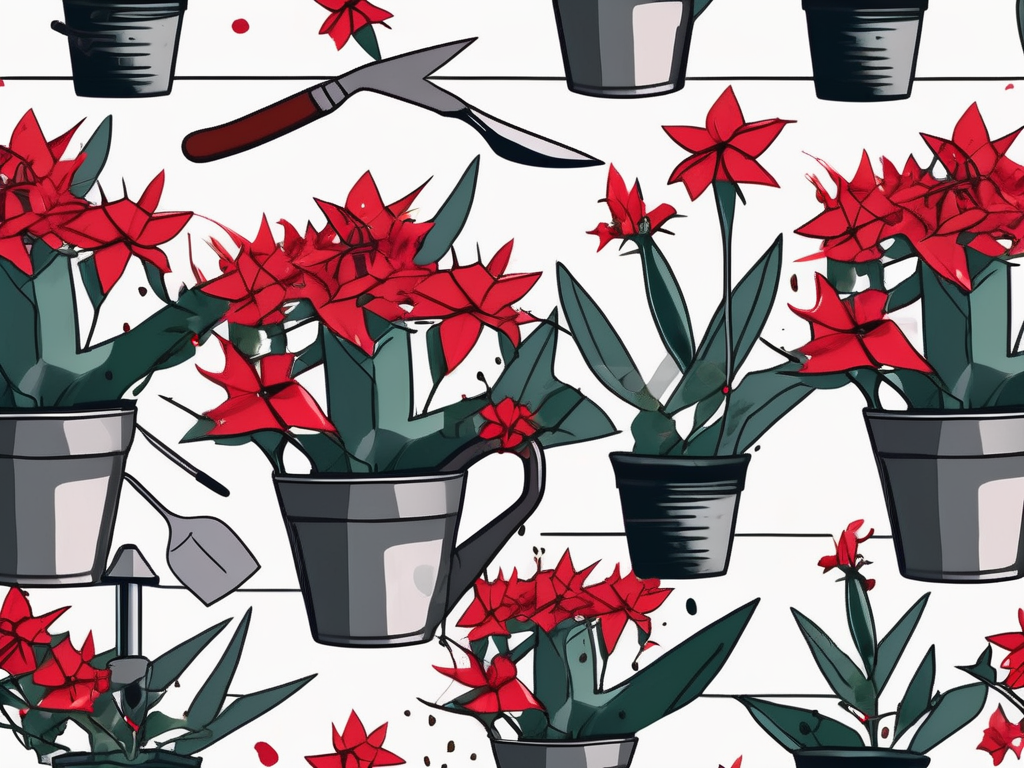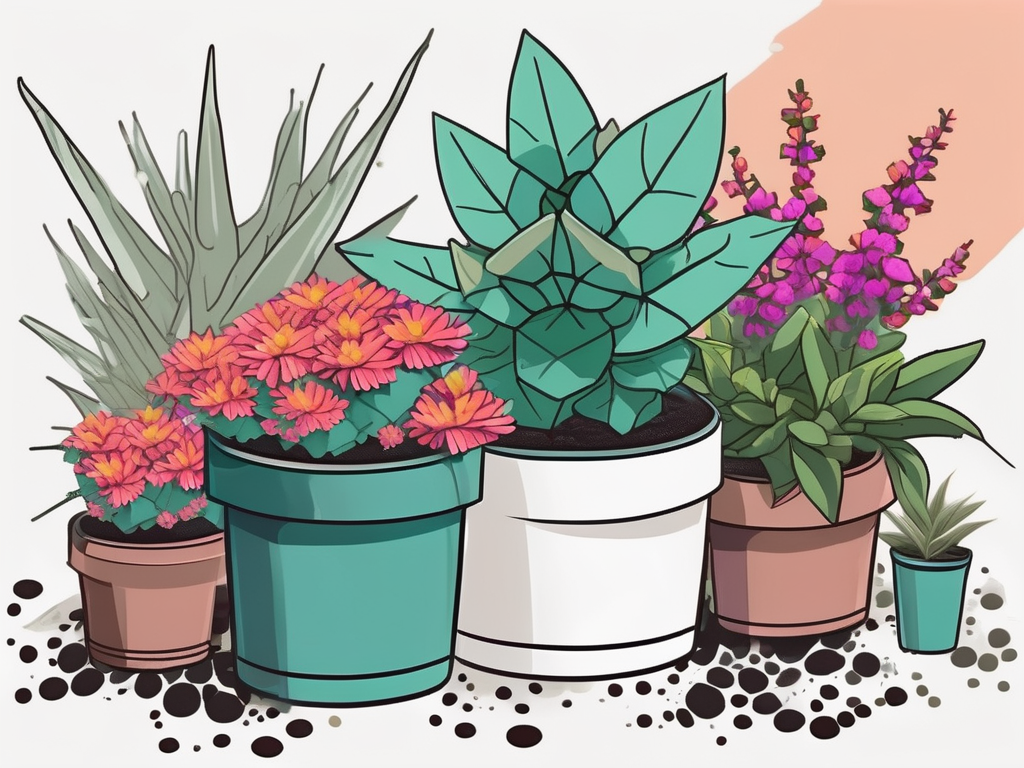
If you’ve ever caught a glimpse of the Crown of Thorns plant, you might have been captivated by its striking appearance. With its bright, colorful flowers and spiny stems, it's a reminder of the beauty that can arise in the most unexpected places. But as with any plant, understanding its needs—particularly when it comes to temperature—can make all the difference in keeping it happy and thriving.
In this article, we’ll chat about the temperature tolerance of the Crown of Thorns. We’ll explore its ideal climate conditions, how it reacts to temperature changes, and what you can do to keep it cozy year-round. Whether you’re a seasoned plant parent or just getting started, there’s something here for everyone.
Getting to Know the Crown of Thorns
The Crown of Thorns, known scientifically as Euphorbia milii, is a resilient succulent native to Madagascar. It's often grown for its long-lasting blooms, which can add a splash of color to any room. But before we get into the nitty-gritty of temperature tolerance, let's take a moment to understand the plant's background and natural habitat.
In its native environment, the Crown of Thorns thrives in warm, dry climates. It’s well adapted to withstand drought conditions, thanks to its succulent nature. This means it can store water in its stems, allowing it to endure periods of dryness. However, it’s not just about surviving—this plant actually prefers these conditions. So, when you’re thinking about temperature, it’s important to remember that this plant doesn’t just tolerate warmth—it loves it!
Interestingly enough, the Crown of Thorns is also a bit of a sun-worshiper. It enjoys basking in bright, direct light, which is another clue to its temperature preferences. This love affair with sunlight is something to keep in mind as we discuss how temperature impacts its health and growth.
Optimal Temperature Range
So, what temperature range does the Crown of Thorns prefer? Generally, this plant is most comfortable in temperatures between 65°F and 75°F (18°C to 24°C). It’s a bit like us, really—neither too hot nor too cold is the sweet spot. Keeping your plant within this range will help it flourish, promoting vibrant blooms and healthy growth.
Of course, temperatures can fluctuate, especially if you’re moving the plant between indoors and outdoors. The Crown of Thorns can handle a bit of variation, but it’s best to avoid extremes. Think of it like this: if you’re too warm or too chilly, chances are your plant feels the same way!
What if you live in a place where temperatures regularly dip below or rise above this range? Don’t worry, we’ll talk about some strategies to help your plant cope with these conditions later on.
Impact of Cold Temperatures
Let’s face it, not all of us live in sunny, warm climates year-round. So, what happens to the Crown of Thorns when temperatures start to drop? This plant is not a fan of the cold. Prolonged exposure to temperatures below 50°F (10°C) can lead to some serious issues.
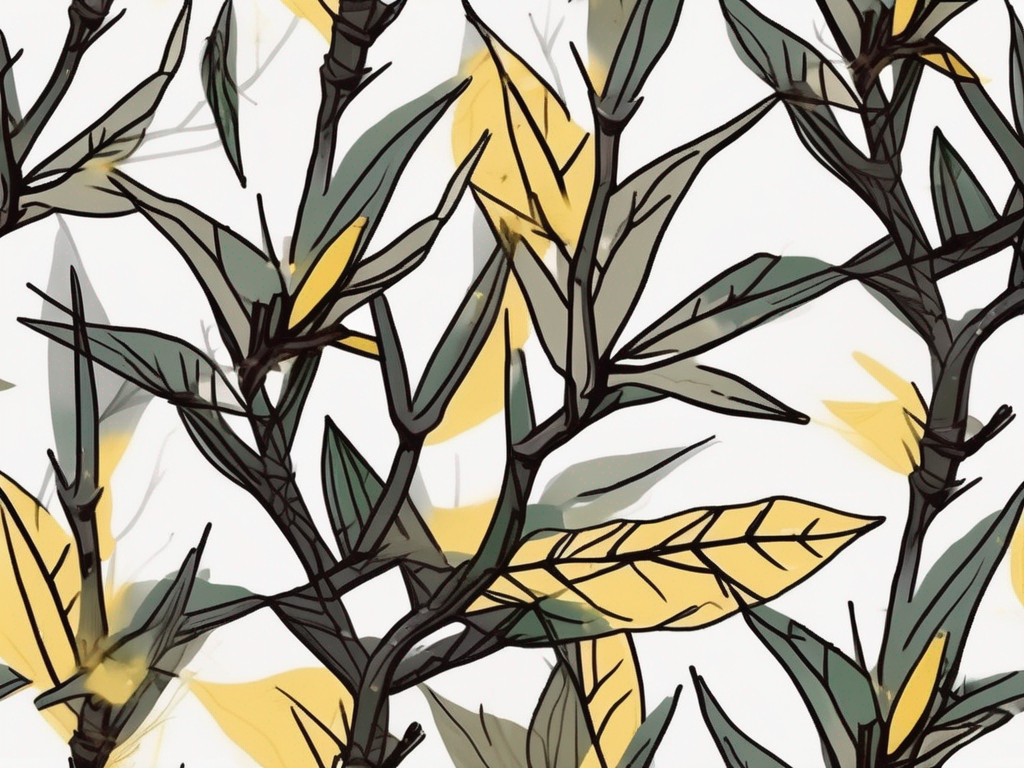
Cold stress is a real concern for the Crown of Thorns. When temperatures fall too low, the plant’s cellular structure can become damaged, leading to wilting, discoloration, and even death. You might notice the leaves turning yellow or brown, which is a clear signal that your plant isn’t happy.
If you suspect your plant is suffering from cold stress, it’s crucial to act quickly. Move it to a warmer location and ensure it’s not sitting in a drafty spot. Sometimes, giving it a cozy spot away from windows or cold walls can help it recover.
Handling Heat Waves
On the other side of the spectrum, what about when things get too hot? The Crown of Thorns is more forgiving of higher temperatures, but there are still limits. When temperatures soar above 90°F (32°C), it’s time to take notice.
Excessive heat can cause the plant to lose water rapidly, leading to dehydration. You might see the leaves start to droop or the flowers looking a bit crispy. To combat this, ensure your plant is well-watered, but not waterlogged—remember, it’s still a succulent! Also, consider giving it a bit of shade during the hottest parts of the day. Even a sun-loving plant appreciates a little break from the intense midday sun.
In extreme cases, bringing the plant indoors or using a light shade cloth can help protect it from the harshest temperatures. Think of it as giving your plant a little vacation from the heat!
Seasonal Changes and Adaptation
One of the best things about the Crown of Thorns is its ability to adapt to different conditions. However, you’ll need to give it a helping hand as the seasons change. Let’s chat about how you can assist your plant in transitioning between seasons smoothly.
During the warmer months, your plant will likely be in its element. This is the time it’s most likely to bloom, showing off its colorful flowers. But as fall approaches and temperatures begin to drop, you might need to bring your plant indoors if it’s been living outside.
Conversely, when spring arrives, and you’re eager to get your plant back outside, do it gradually. Sudden changes in temperature can shock the plant. Start by placing it in a shaded area and gradually move it into more direct sunlight over a week or two. This gradual transition helps the plant adjust without the stress of a sudden move.
Indoor vs. Outdoor Care
Whether you keep your Crown of Thorns indoors or outdoors can also influence its temperature tolerance. Let’s break down the differences in care for each scenario.
For indoor plants, temperature control is generally more manageable. You have the luxury of adjusting your thermostat to keep things just right. However, watch out for drafts from windows or air conditioning vents, which can create microclimates that your plant might not appreciate.
Outdoor plants, on the other hand, are at the mercy of the weather. If you live in a temperate climate, this might be ideal. But for those in areas with more extreme temperatures, it’s crucial to keep an eye on the forecast. Consider bringing your plant indoors during particularly cold or hot spells, or use protective coverings to shield it from harsh conditions.
Remember, flexibility is key. Don’t be afraid to move your plant around as necessary to ensure it’s living its best life!
Signs of Temperature Stress
Even with the best intentions, sometimes things go awry. How can you tell if your Crown of Thorns is stressed due to temperature changes? There are a few telltale signs to watch out for.
For starters, keep an eye on the leaves. Discoloration, such as yellowing or browning, often indicates a problem. Similarly, wilting or drooping leaves can be a sign of stress. If the plant’s growth has slowed or stopped altogether, it might be struggling to cope with its environment.
If you notice any of these signs, take action promptly. Evaluate the temperature conditions and make necessary adjustments. Sometimes, a slight tweak in its environment is all it takes to get your plant back on track.
Practical Tips for Temperature Management
Now that we’ve covered the basics, let’s talk about some practical tips to help manage your plant’s temperature needs. Think of these as little tricks to keep your Crown of Thorns comfortable all year long.
- Use a thermometer: Keeping a thermometer near your plant can help you monitor temperature changes more accurately.
- Consider a plant heating mat: For those colder months, a plant heating mat can provide a gentle, consistent warmth to keep your Crown of Thorns cozy.
- Adjust lighting: Sometimes, simply moving your plant to a sunnier or shadier spot can help regulate its temperature.
- Protect against drafts: Use curtains or blinds to shield your plant from cold drafts or direct heat from windows.
- Hydration is key: Ensure your plant is adequately watered, especially during hot weather. Just remember, not too much!
These tips are just a starting point. Experiment with what works best for your specific environment and plant, and don’t be afraid to get creative!
Final Thoughts
To wrap things up, the Crown of Thorns is a resilient and rewarding plant, but it does have its temperature preferences. By keeping an eye on the thermometer and making a few simple adjustments, you can ensure your plant stays healthy and happy.
At Cafe Planta, we’re all about helping you connect with nature and your plants. If you have any questions about caring for your Crown of Thorns or any other plant, don’t hesitate to reach out. You can email us, send us a DM on Instagram, or stop by our shop. We’re here to support you on your plant journey, whether you’re a seasoned plant parent or just starting out!