Having a Crown of Thorns plant can be an absolute delight—until it starts showing signs of distress. These hardy, flowering succulents are generally easy to care for, but if yours is looking a bit under the weather, it's time to play plant detective.
In this article, we'll explore some common reasons why your Crown of Thorns might be struggling. From watering missteps to pesky pests, we’ll cover the gamut of potential issues and offer practical advice on how to nurse your plant back to health. Let's dig in!
Watering Woes: Too Much or Too Little
Watering is often the first place to check when your Crown of Thorns isn't thriving. These plants hail from Madagascar, where they're used to arid conditions, so they're quite drought-tolerant. However, that doesn't mean they don't need water at all.
Overwatering is a frequent culprit. If your plant's leaves are yellowing and falling off, this might be the issue. When the soil is constantly wet, the roots can't breathe and can begin to rot. To avoid this, make sure your pot has good drainage, and allow the top inch of soil to dry out between waterings.
Interestingly, underwatering can cause similar symptoms. If you've neglected your plant and the soil is bone dry, the leaves might also turn yellow or brown and drop off. It's a delicate balance, but once you establish a routine, your Crown of Thorns will bounce back. Remember, less is more, but not too little!
Lighting: Finding the Right Spot
Crown of Thorns plants love the sun. In fact, they thrive in bright, direct light. If your plant looks leggy or isn't flowering, it might not be getting enough sunlight. Try moving it to a sunnier location, like a south-facing window, where it can bask in the rays.
However, be cautious if you're moving it from a low-light spot to a very sunny one. A sudden change can shock your plant. Gradually introduce it to more light to prevent leaf scorch. Think of it like easing into a new exercise routine—slow and steady wins the race.
On the flip side, too much intense light, especially if your plant is too close to a window, can cause sunburn. If you notice crispy, brown edges on the leaves, it might be getting too much sun. In that case, consider using a sheer curtain to filter the light.
Temperature and Humidity: Keeping Things Cozy
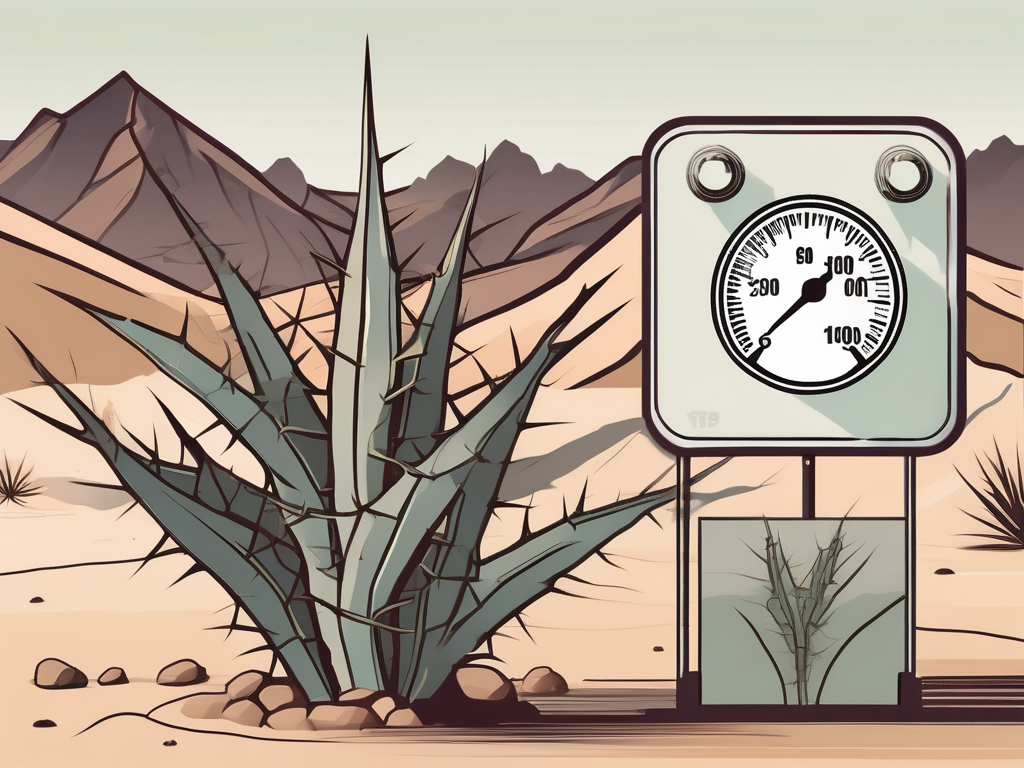
Temperature and humidity play significant roles in your plant's well-being. Crown of Thorns prefer a warm environment, ideally between 65°F and 75°F (18°C to 24°C). They can tolerate a bit of a chill, but prolonged exposure to temperatures below 50°F (10°C) can be harmful.
If your plant is experiencing temperature stress, you might notice leaf drop or wilting. Avoid placing your Crown of Thorns near drafty windows or doors where temperatures can fluctuate dramatically. Similarly, keep them away from heating vents that could dry out the air.
While these plants aren't particularly fussy about humidity, they do best in average household levels. If your home is exceptionally dry, especially in winter, consider placing a small humidifier nearby or using a pebble tray to increase moisture in the air.
Soil and Potting Mix: The Foundation of Health
The soil in which your Crown of Thorns is planted can significantly influence its health. This plant prefers well-draining soil to prevent the roots from sitting in water. A cactus or succulent mix is usually a great choice, as it provides the right balance of drainage and nutrients.
If you suspect your plant's soil is the issue, consider repotting. Carefully remove the plant from its pot and inspect the roots. Healthy roots are firm and white, while rotting ones will be mushy and brown. Trim away any rot before replanting in fresh soil.
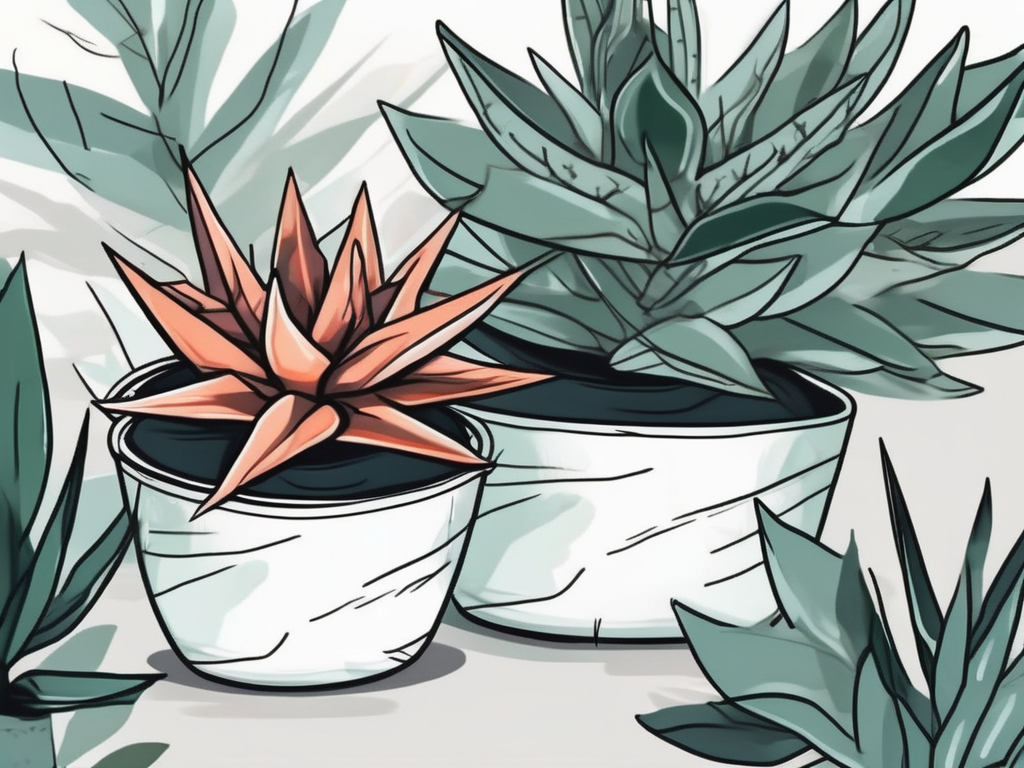
When repotting, choose a pot that's slightly larger than the current one, with drainage holes to ensure excess water can escape. Repotting can be a bit of a messy affair, but it's a great way to refresh your plant and encourage new growth.
Pests and Diseases: Unwanted Visitors
Pests and diseases can sneak up on your Crown of Thorns, causing distress and damage. Common pests include spider mites, mealybugs, and aphids, which can suck the life out of your plant, quite literally. You might notice tiny webs, sticky residue, or small insects on the leaves and stems.
To combat these intruders, start by gently wiping the leaves with a damp cloth or spraying them with a mixture of water and insecticidal soap. Consistency is key, and you may need to repeat this process weekly until the pests are gone. For a natural approach, introducing beneficial insects like ladybugs can also help keep pests in check.
Diseases like root rot and powdery mildew can also pose problems. Root rot is often the result of overwatering, while powdery mildew appears as a white, powdery substance on the leaves. Ensuring proper watering and air circulation can help prevent these issues. If you spot mildew, removing the affected leaves and treating the plant with a fungicide can help.
Fertilization: Feeding Your Plant
Feeding your Crown of Thorns is essential for its growth and flowering. These plants are not heavy feeders, but they do appreciate a little boost during the growing season, which is typically spring and summer.
A balanced, water-soluble fertilizer diluted to half strength is usually sufficient. Apply it every four to six weeks, and your plant will reward you with more vibrant blooms. Be cautious not to over-fertilize, as this can lead to salt buildup in the soil, which might burn the roots.
During the fall and winter months, ease back on the feeding, as the plant's growth naturally slows down. In this resting phase, your Crown of Thorns doesn't require as many nutrients, so a little break from fertilizing will do it good.
Pruning: Keeping Your Plant in Shape
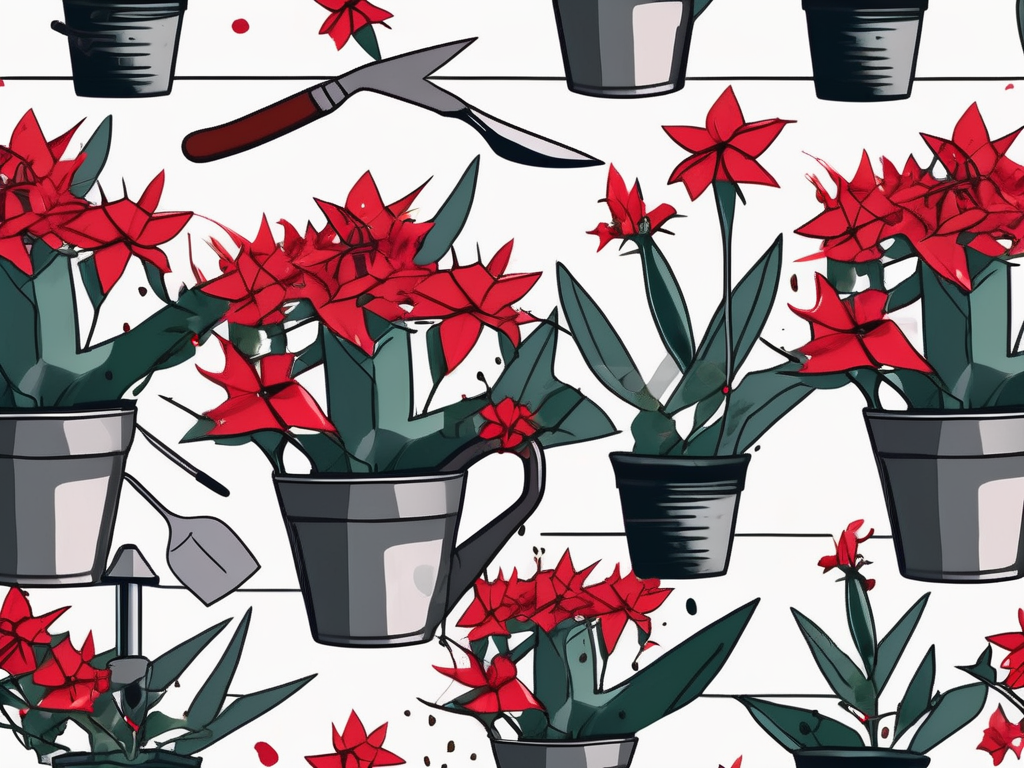
Pruning might seem like a daunting task, but it’s an integral part of keeping your Crown of Thorns healthy and looking its best. Regular pruning helps manage the plant's size, encourages new growth, and removes any dead or diseased branches.
When pruning, use clean, sharp scissors or pruners to make clean cuts. Always wear gloves, as the plant's sap can irritate the skin. Focus on removing any leggy or crossing branches, as well as spent blooms and damaged leaves.
Pruning not only improves the plant's appearance but also allows for better air circulation, reducing the risk of disease. Plus, it's a bit like giving your plant a haircut—it freshens things up and promotes a fuller, bushier appearance.
Assessing the Roots: The Heart of Your Plant
Sometimes, the root of the problem (pun intended) lies beneath the soil. If your Crown of Thorns is still struggling after addressing the above issues, it might be time to inspect the roots.
Carefully remove the plant from its pot and examine the root system. Healthy roots are white or light brown and firm to the touch. If you notice signs of rot, such as black, mushy roots, you'll need to trim these away. Repotting the plant in fresh soil with good drainage can help it recover.
Root-bound plants can also struggle, as their roots have run out of space to grow. If the roots are tightly packed and circling the pot, consider moving your plant to a larger container. This gives the roots space to spread out and absorb nutrients more effectively.
Final Thoughts
Caring for a Crown of Thorns involves more than just watering it once in a while. By understanding its needs and addressing any issues promptly, you can keep this beautiful plant thriving. From adjusting watering habits to checking for pests, each step helps ensure your plant's health and vitality.
At Cafe Planta, we understand the joy and challenge of caring for houseplants. We offer a range of beautiful plants and essential care products to support your plant journey. If you have questions or need advice, don't hesitate to email us or reach out via Instagram. We’re here to help you create a thriving, green oasis in your home!