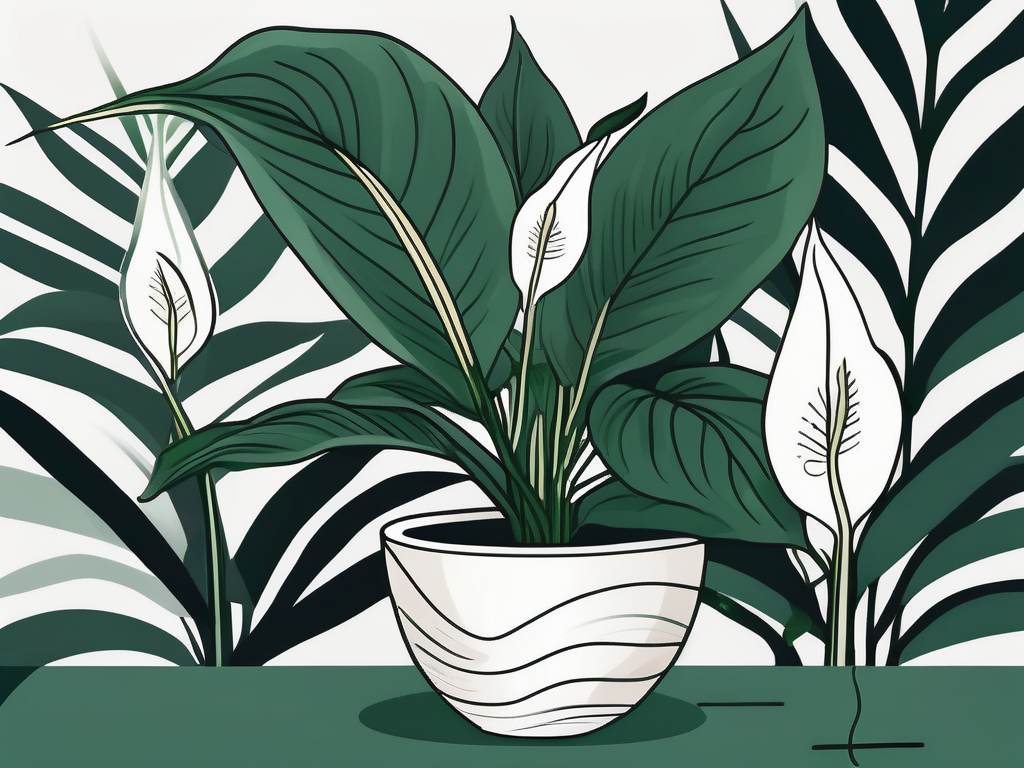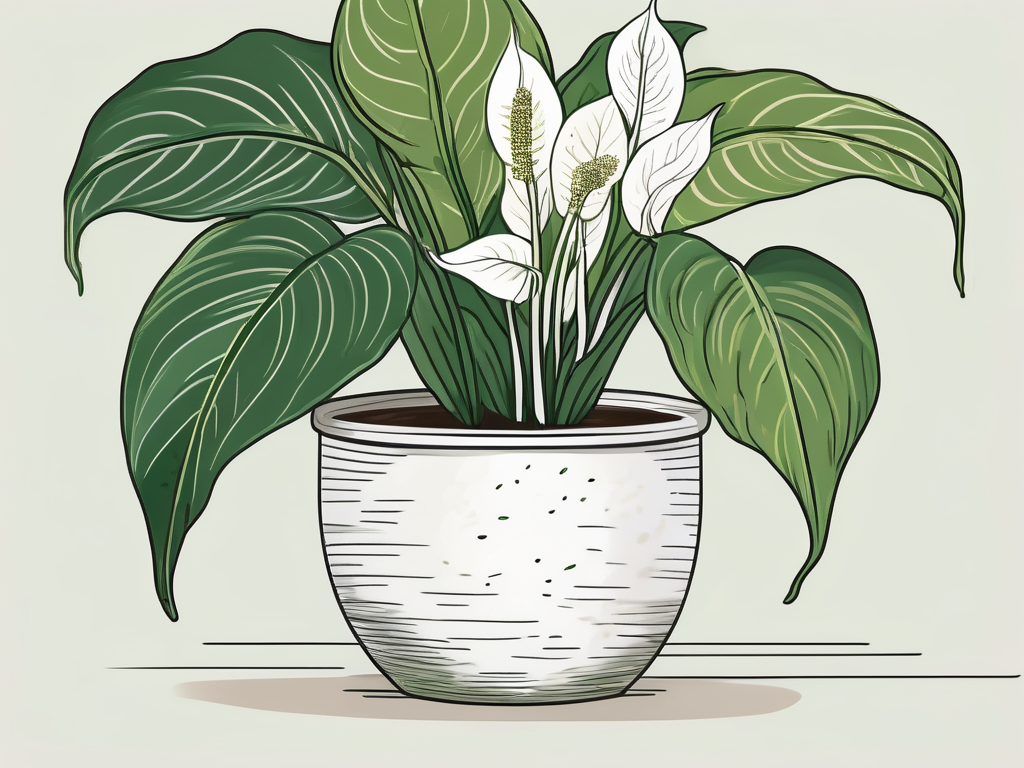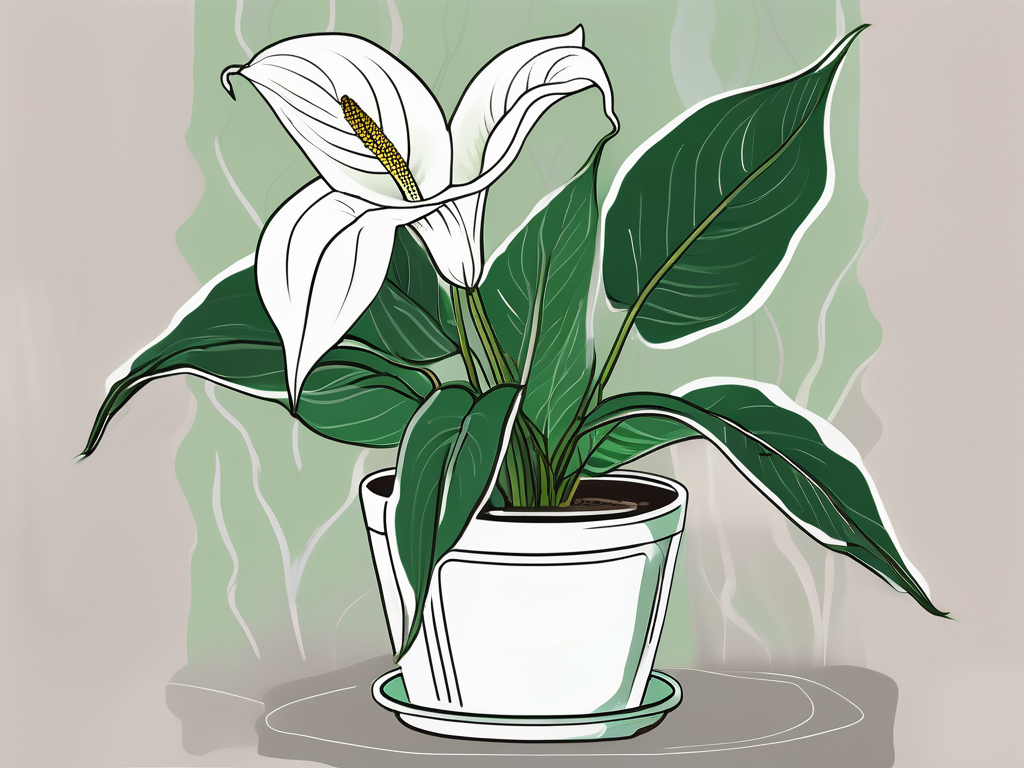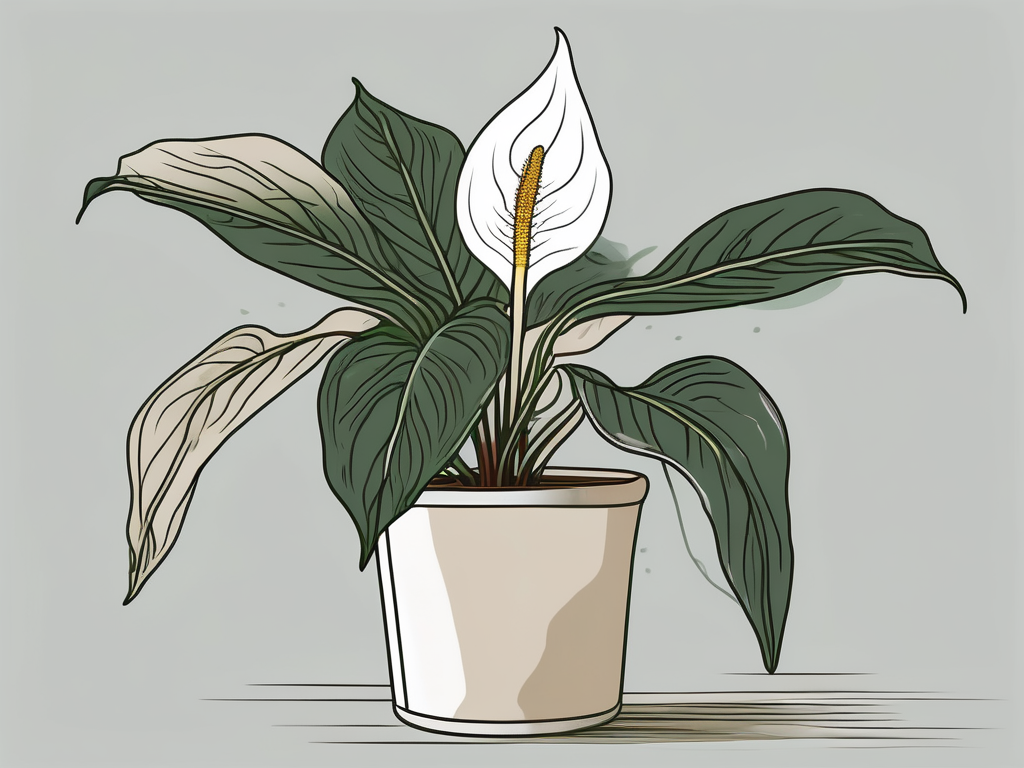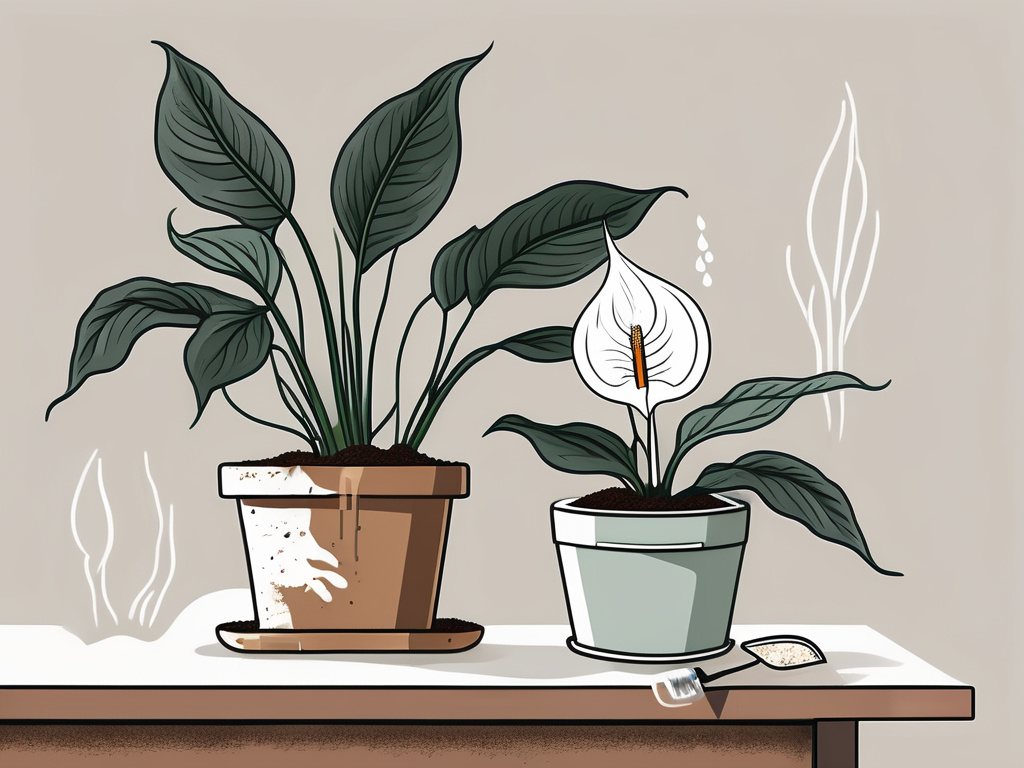
If you're looking to bring a touch of elegance and tranquility to your home, the Peace Lily is a fantastic choice. Its glossy green leaves and charming white flowers can brighten up any space. But like any plant, a Peace Lily needs the proper care, starting with the right soil. While it may seem like a simple detail, the soil you choose can make a big difference in your plant's health and happiness.
Today, we'll dig into the perfect soil recipe for your Peace Lily, covering everything from why the right soil is important to how to mix your own at home. Whether you're a seasoned plant parent or just getting started, you'll find useful tips and insights to help your Peace Lily thrive.
Why Soil Matters for Peace Lilies
You might think soil is just dirt, but it's so much more, especially when it comes to houseplants like the Peace Lily. The soil is the foundation of your plant's environment, influencing how it absorbs water and nutrients. Using the wrong type of soil can lead to issues like root rot or stunted growth, which nobody wants to deal with.
Peace Lilies naturally grow in tropical environments where the soil is rich, well-draining, and slightly acidic. If you replicate those conditions in your home, you're setting the stage for a healthy, vibrant plant. The right soil supports the roots, holds moisture without becoming waterlogged, and provides the nutrients the plant requires.
Think of it like this: if you're baking a cake, the quality of your ingredients affects the end result. The same goes for your plant's soil. A well-thought-out mix can lead to a flourishing Peace Lily, while subpar soil might result in a struggle to keep it alive and thriving.
Ingredients for the Perfect Peace Lily Soil
Before we get into the step-by-step process, let's talk about the ingredients you'll need for this soil mix. While you can buy pre-mixed potting soil labeled for Peace Lilies, creating your own allows for customization and often results in better performance.
Here's what you'll need:
- Peat Moss: This is great for retaining moisture while also providing a light, airy texture.
- Perlite: These white granules improve drainage and prevent the soil from compacting.
- Bark Fines: Often found in orchid potting mixes, bark fines help with aeration and mimic the natural forest floor.
- Compost: Adds essential nutrients and promotes microbial activity.
- Optional: Activated Charcoal: Helps with drainage and can keep the soil fresh by absorbing impurities.
Each of these components plays a role in creating a balanced environment, ensuring your Peace Lily gets the right mix of air, water, and nutrients.
Mixing Your Peace Lily Soil
Now that you've gathered your ingredients, it's time to mix them together. Think of yourself as a chef, crafting the perfect blend for your plant. Follow these steps to create a soil mix that your Peace Lily will love.
Step 1: Measure Your Ingredients
Start by measuring out your ingredients. A good base recipe includes:
- 2 parts peat moss
- 1 part perlite
- 1 part bark fines
- 1 part compost
If you're opting to use activated charcoal, a small handful will do. This isn't strictly necessary, but it can be beneficial, especially if you're prone to overwatering.
Step 2: Combine and Mix
In a large container or wheelbarrow, combine all of your measured ingredients. Use your hands or a garden trowel to mix them thoroughly. Make sure there are no clumps and that everything is evenly distributed. You want a uniform blend where each scoop of soil has all the components represented.
Step 3: Test the Texture
Once your soil is mixed, grab a handful and give it a squeeze. Ideally, the soil should hold together loosely but crumble when you poke it. If it feels too wet or heavy, add more perlite. If it's too dry and crumbly, a bit more peat moss or compost should do the trick.
This tactile test ensures your soil is well-draining yet retains enough moisture, mimicking the natural balance found in a Peace Lily's native habitat.
Choosing the Right Pot for Your Peace Lily
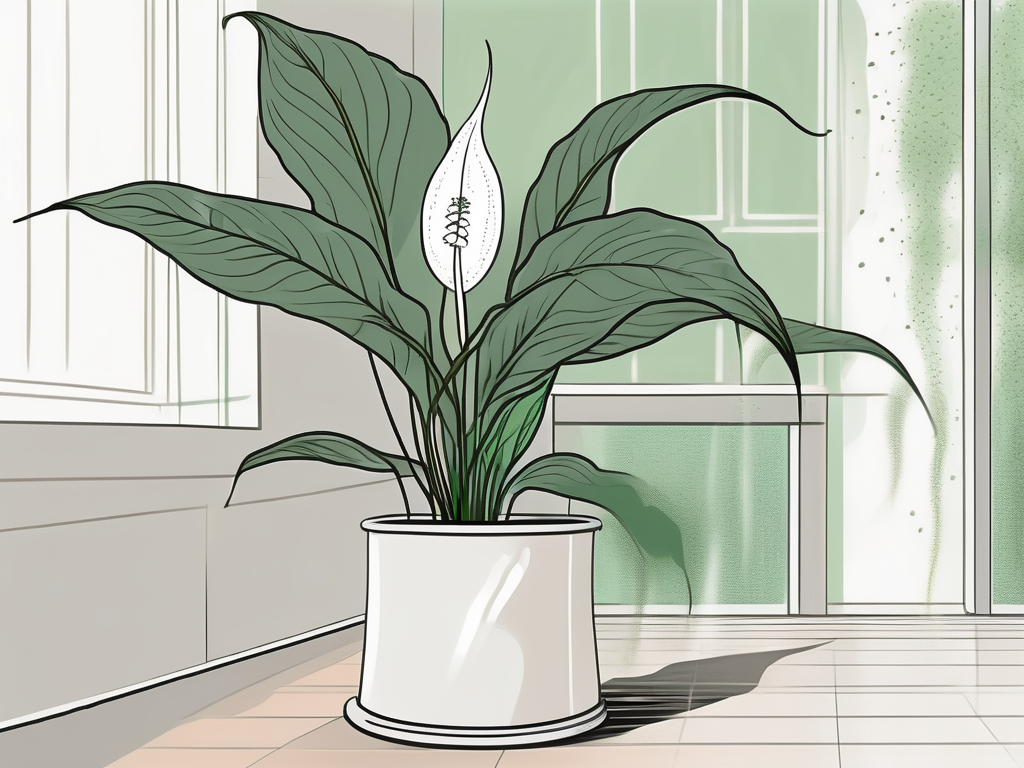
Now that you've got your soil ready, let's talk about pots. The type of pot you choose is just as important as the soil. Peace Lilies prefer a snug fit, so choose a pot that's only a couple of inches larger than the root ball.
Drainage holes are a must, as they allow excess water to escape, preventing waterlogging and root rot. If your chosen pot doesn't have any, you can easily drill some, or use a decorative pot as a cover for a plain plastic one with holes.
Material Considerations
The material of your pot can also affect your plant's health. Terracotta pots are porous and allow for air exchange, but they dry out faster. Plastic pots retain moisture better, which might be ideal if you live in a dry climate or tend to forget watering. Ceramic pots offer a middle ground but ensure they have proper drainage.
Repotting Your Peace Lily
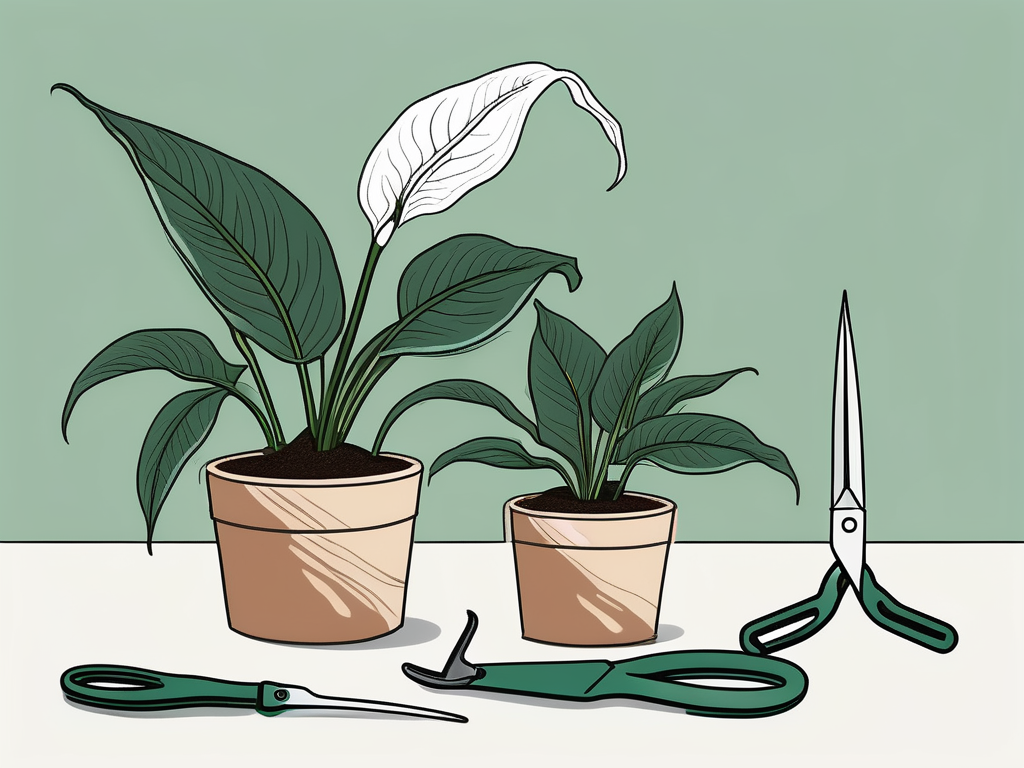
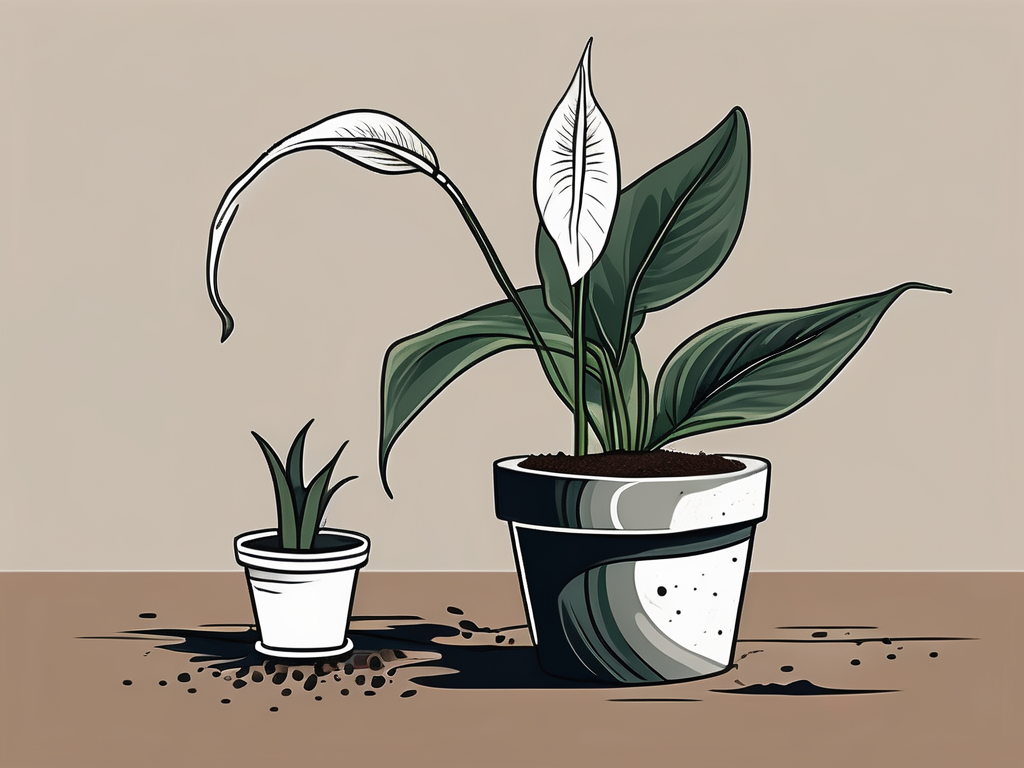
When it's time to repot, gently remove the Peace Lily from its current home, loosening the soil around the roots. This might be a bit nerve-wracking, but your plant will appreciate the extra room and fresh soil. Fill the new pot with your prepared mix, place the plant, and backfill around it, leaving a bit of space at the top for watering.
Watering and Care Tips
With your Peace Lily happily potted in its new soil, let's chat about watering and care. Peace Lilies are relatively low-maintenance, but they do have specific needs when it comes to hydration and general upkeep.
Watering
Peace Lilies prefer consistently moist soil, but they don't like to sit in water. Allow the top inch of soil to dry out before watering again. This usually means watering about once a week, but it can vary based on your home's humidity and temperature.
An easy way to check if it's time to water is to stick your finger into the soil. If it feels dry, it's time to water. Be sure to water thoroughly, allowing excess water to drain away. This helps prevent salt buildup and ensures the roots are properly hydrated.
Humidity and Light
Peace Lilies thrive in high humidity and indirect light. If your home is dry, consider misting your plant or using a pebble tray with water to increase humidity. As for light, a spot near a bright window but out of direct sunlight is perfect. Too much sun can scorch the leaves, while too little can stunt growth.
Fertilizing Your Peace Lily
While the right soil provides a good nutrient base, your Peace Lily will appreciate a little extra boost now and then. Fertilizing helps replenish nutrients that can be depleted over time, especially if your plant is a vigorous grower.
When to Fertilize
Peace Lilies typically need fertilizing every 6-8 weeks during the growing season, which is spring and summer. In the fall and winter, when growth slows, you can reduce or even skip fertilization altogether.
Choosing the Right Fertilizer
A balanced, water-soluble houseplant fertilizer works well. Look for a formula that's low in phosphorus, as Peace Lilies are sensitive to this nutrient in high amounts. Dilute the fertilizer to half the recommended strength to avoid burning the roots.
Apply the fertilizer when the soil is moist, not dry. This helps prevent root burn and ensures the nutrients are absorbed efficiently. Remember, more isn't always better, so stick to the schedule and avoid over-fertilizing.
Common Problems and Solutions
Even with the best soil and care, Peace Lilies can encounter a few common problems. Let's cover some of these issues and how to address them.
Yellow Leaves
Yellowing leaves can be a sign of overwatering, underwatering, or poor drainage. Check your watering habits and make sure your pot has adequate drainage. If the soil stays soggy for too long, it can suffocate the roots, leading to yellow leaves.
Brown Tips
Brown tips are often a sign of low humidity or too much fluoride in the water. Increase humidity around your plant and consider using distilled or rainwater for watering.
Pests
Peace Lilies are relatively pest-resistant, but they can occasionally attract insects like spider mites or aphids. A gentle spray of water can dislodge pests, or you can use insecticidal soap for more persistent issues.
By keeping an eye on your plant and addressing issues promptly, you can maintain a healthy and beautiful Peace Lily.
Decorating with Peace Lilies
Beyond their care, Peace Lilies offer so much to your home's aesthetic. Their graceful leaves and flowers can enhance any room, adding a touch of nature and tranquility.
Choosing the Right Spot
Peace Lilies do well in a variety of locations, from living rooms to bathrooms. Consider placing them in areas where they can receive indirect sunlight and where their beauty can be appreciated.
Creative Display Ideas
Get creative with how you display your Peace Lily. Use decorative pots that complement your home's style or place them on plant stands for added height. Group them with other houseplants for a lush, layered look.
If you have the space, consider creating a mini indoor garden with a variety of plants, using the Peace Lily as a centerpiece. Its striking white flowers can provide a lovely contrast to other greenery.
Maintaining Your Soil Mix Over Time
Over time, even the best soil mix can break down or lose its effectiveness. Keeping your Peace Lily healthy means maintaining the soil's quality and structure.
Refresh the Soil
Every year or so, consider refreshing the top layer of soil. Carefully remove a few inches from the top and replace it with fresh, well-mixed soil. This provides new nutrients and helps aerate the soil.
Repotting
As your Peace Lily grows, it may become root-bound, which means the roots have filled the pot. When this happens, it's time to repot into a slightly larger container using your trusted soil mix. You can tell it's time to repot if you see roots coming out of the drainage holes or if growth has slowed significantly.
By keeping an eye on your soil, you ensure that your Peace Lily continues to thrive for years to come.
Final Thoughts
Creating the perfect soil mix for your Peace Lily doesn't have to be complicated. With the right ingredients and a little attention to detail, your plant can thrive, bringing beauty and tranquility to your home. Remember, the effort you put into your soil pays off in a healthy, happy Peace Lily.
At Cafe Planta, we believe in the power of plants to connect and inspire. Whether you're a seasoned plant parent or just starting out, we're here to support you on your plant journey. If you have any questions or need advice, feel free to email us or reach out on Instagram. We're excited to help you create a thriving plant collection in your home!