Are you ready to bring a touch of the tropics into your home? Banana plants are a fantastic choice for plant lovers looking to add a bit of drama and elegance to their interior spaces. With their large, lush leaves and impressive stature, banana plants can transform any room into a vibrant oasis. Plus, they’re relatively easy to care for, making them a great option for both novice and experienced plant parents alike.
In this guide, we’ll walk you through everything you need to know to keep your banana plant thriving, from selecting the right plant to tackling common pests and diseases. We’ll also share tips on designing a beautiful space with your banana plant as the star attraction. So, let’s get started on your journey to creating a stunning, plant-filled haven in your home!
Choosing the Right Banana Plant
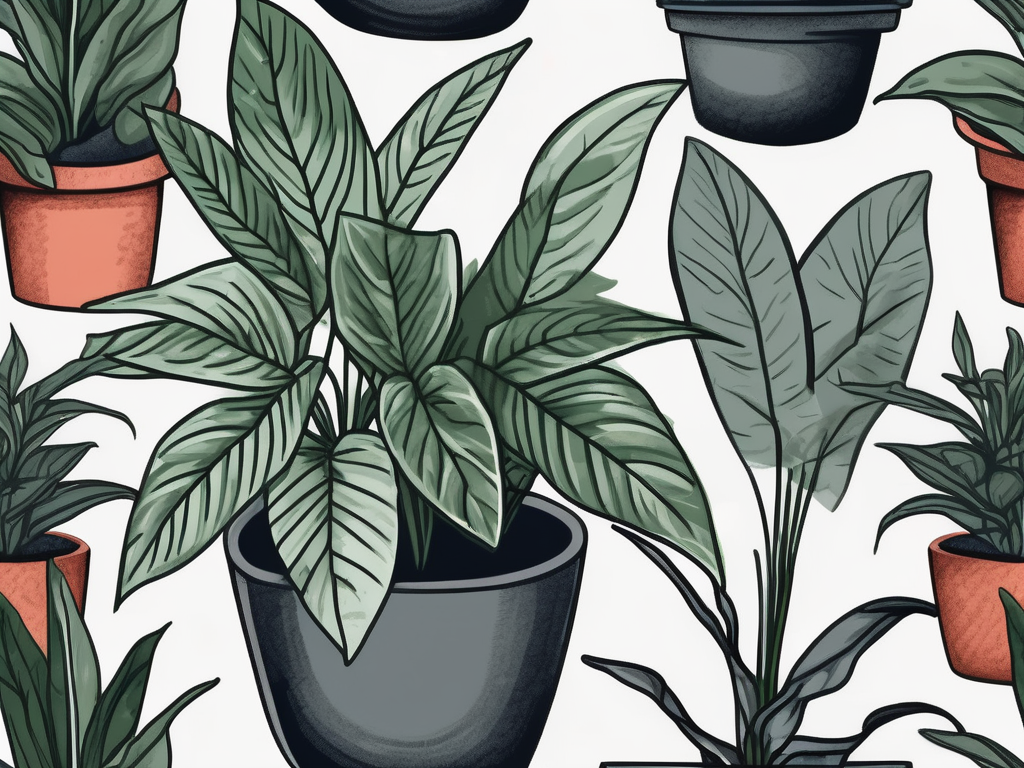
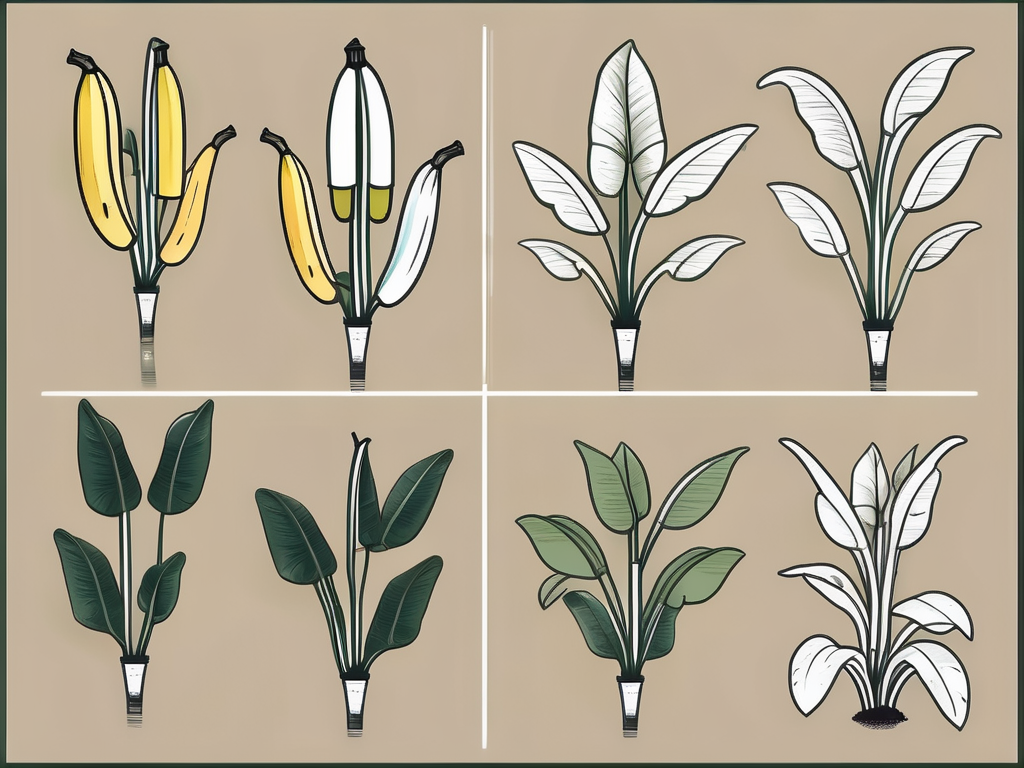
When it comes to banana plants, variety is the spice of life. There are several species to choose from, each with its own unique characteristics. The most common banana plant for indoor growing is the Musa spp., known for its broad leaves and compact size, making it perfect for indoor spaces.
Another popular choice is the Dwarf Cavendish banana plant, which, as the name suggests, stays relatively small compared to its outdoor counterparts. It’s a great option if you’re short on space but still want that tropical feel. If you’re looking for something a bit more exotic, consider the Red Banana plant, which boasts striking red-tinted leaves that can add a pop of color to any room.
When selecting your banana plant, consider the following:
- Space: Make sure you have enough room for your plant to grow. Some banana plants can reach up to 10 feet indoors, so consider your ceiling height and available floor space.
- Light: Banana plants love bright, indirect sunlight. Make sure the spot you choose receives plenty of light throughout the day.
- Temperature: These tropical beauties thrive in warm environments. Ensure your indoor space stays between 68°F and 85°F (20°C to 29°C).
Once you’ve chosen the perfect banana plant, you’re ready to move on to the next step: potting and soil care.
Potting and Soil Care
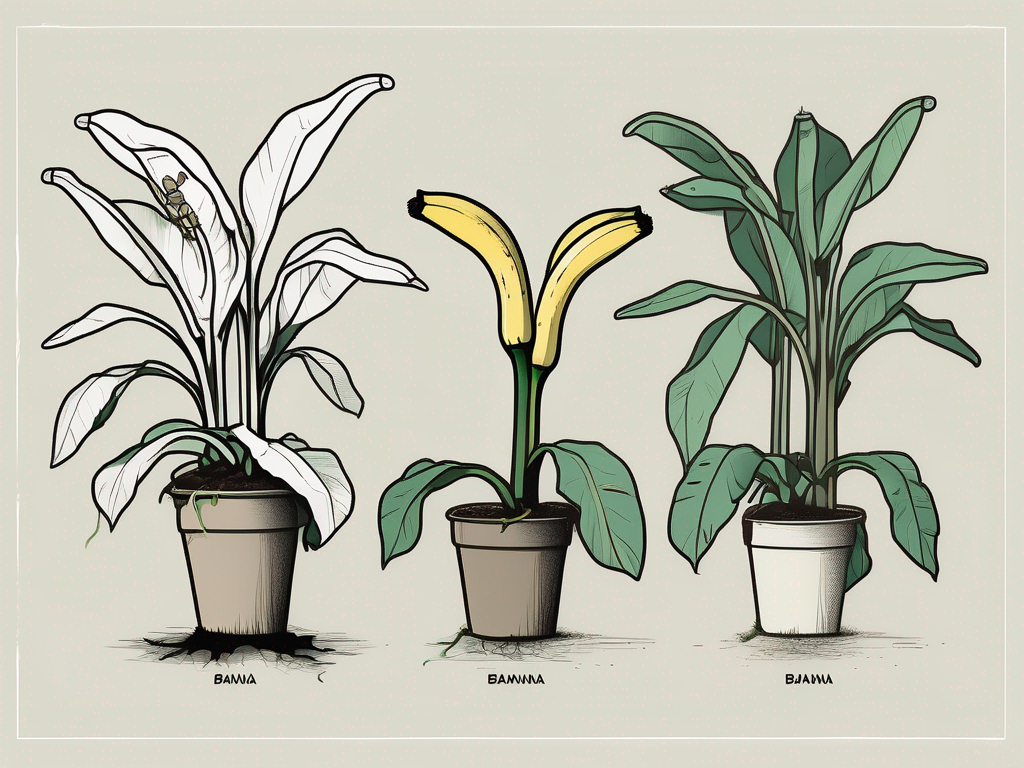
Banana plants are fast growers, so giving them the right foundation is crucial for their health and growth. Start by selecting a pot that provides excellent drainage. A pot with drainage holes is a must, as banana plants don’t like to sit in soggy soil.
When it comes to soil, banana plants prefer a well-draining, nutrient-rich mix. A good option is a standard potting mix with added perlite or sand to improve aeration and drainage. You can also use a mix specifically designed for tropical plants, which often contains the right balance of nutrients and drainage properties.
Here are some tips for potting your banana plant:
- Repotting: Banana plants need repotting every 1-2 years, or when you notice roots growing through the drainage holes. Choose a pot that is 2-3 inches larger in diameter than the current one.
- Soil Moisture: Keep the soil consistently moist, but not waterlogged. Water your plant when the top inch of soil feels dry to the touch.
- Fertilizing: During the growing season (spring and summer), feed your banana plant with a balanced liquid fertilizer every 4-6 weeks to support its rapid growth.
With the right potting and soil care, your banana plant will have a strong start and be well-equipped to grow and thrive in your home.
Watering Your Banana Plant
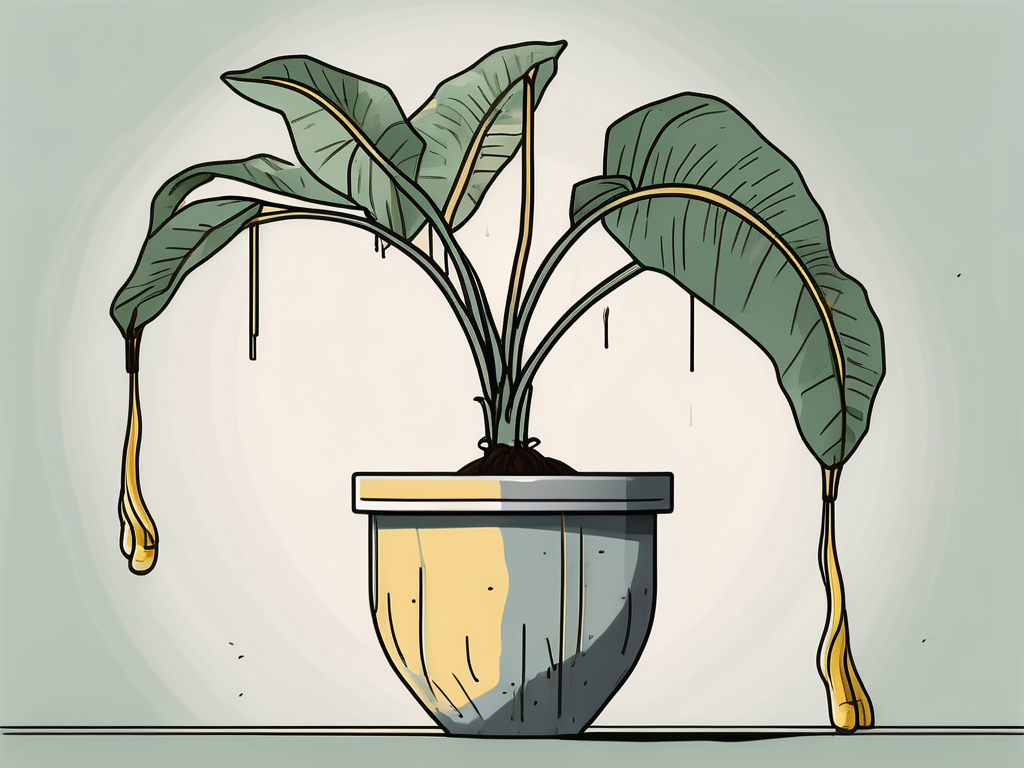
Watering is one of the most important aspects of banana plant care. These plants love moisture, but overwatering can lead to root rot, so it’s essential to strike the right balance. The key is to keep the soil evenly moist without letting it become waterlogged.
Here’s how to water your banana plant effectively:
- Frequency: Water your banana plant when the top inch of soil feels dry. This might mean watering once a week, but it can vary depending on your home’s humidity and temperature.
- Amount: Water thoroughly until it drains out of the bottom of the pot. This ensures the entire root system gets the moisture it needs.
- Humidity: Banana plants thrive in high humidity. If your home is dry, consider using a humidifier or place a tray of water near the plant to increase humidity levels.
Remember, it’s better to underwater slightly than to overwater. Your banana plant will forgive you for a missed watering, but it won’t tolerate soggy roots.
Light Requirements
Banana plants are sun lovers and require plenty of bright, indirect light to flourish. While they can tolerate some direct sunlight, too much can scorch their leaves, so it’s important to find a spot in your home that provides the right balance.
Consider these tips for providing optimal light for your banana plant:
- Location: Place your banana plant near a south or east-facing window where it can receive bright, indirect sunlight for most of the day.
- Supplemental Light: If your home doesn’t get enough natural light, consider using grow lights to provide your banana plant with the light it needs.
- Rotate Your Plant: To ensure even growth, rotate your banana plant every few weeks so all sides receive equal light exposure.
With the right lighting conditions, your banana plant will grow strong and healthy, displaying its beautiful, lush leaves for all to admire.
Temperature and Humidity
Creating a warm, humid environment is crucial for banana plants to thrive. These tropical plants are accustomed to high temperatures and humidity levels, so replicating these conditions indoors will keep them happy and healthy.
Follow these guidelines for maintaining the right temperature and humidity for your banana plant:
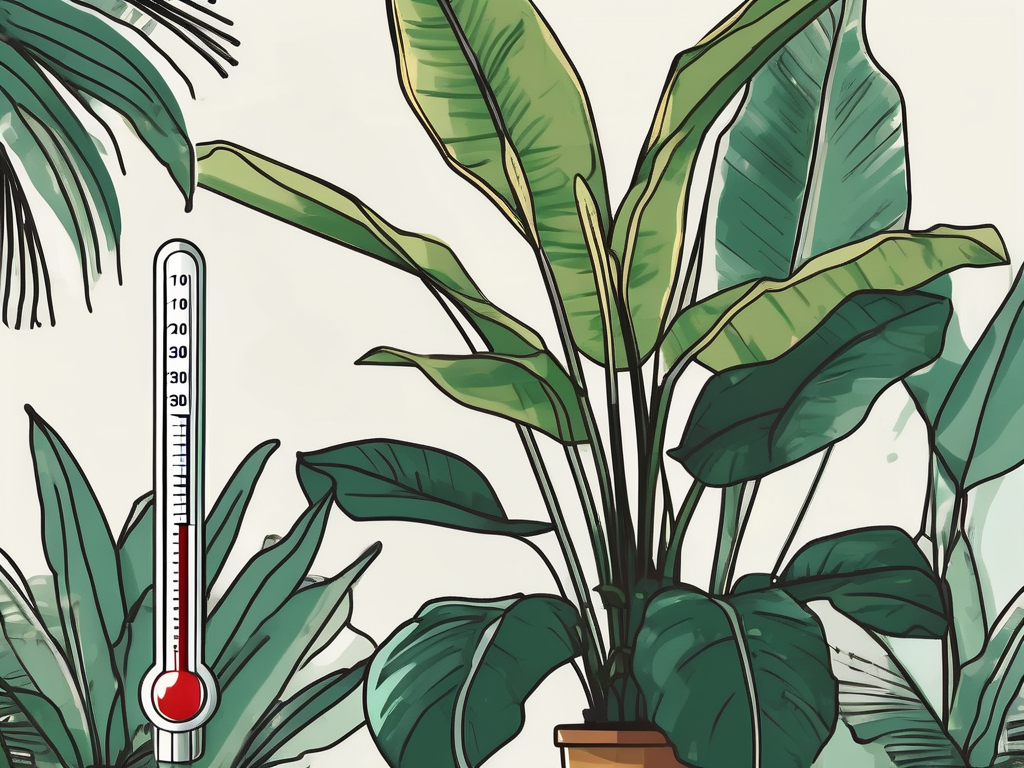
- Temperature: Keep your home’s temperature between 68°F and 85°F (20°C and 29°C). Avoid placing your banana plant near drafts, air conditioning vents, or heaters, as sudden temperature changes can stress the plant.
- Humidity: Aim for a humidity level of at least 50%. If your home is dry, consider using a humidifier, placing a tray of water near the plant, or misting the leaves regularly.
- Seasonal Changes: Banana plants may slow down their growth during the colder months. While they can tolerate cooler temperatures, try to keep them above 60°F (15°C) to prevent damage.
By maintaining the right temperature and humidity levels, your banana plant will feel right at home and continue to thrive throughout the year.
Pruning and Maintenance
Pruning is an essential part of banana plant care, helping to maintain its shape and promote healthy growth. While banana plants are relatively low maintenance, regular pruning will keep them looking their best and prevent any potential issues.
Here’s how to prune and maintain your banana plant:
- Remove Dead Leaves: Trim away any dead or yellowing leaves with clean, sharp scissors or pruning shears. This not only improves the plant’s appearance but also prevents disease.
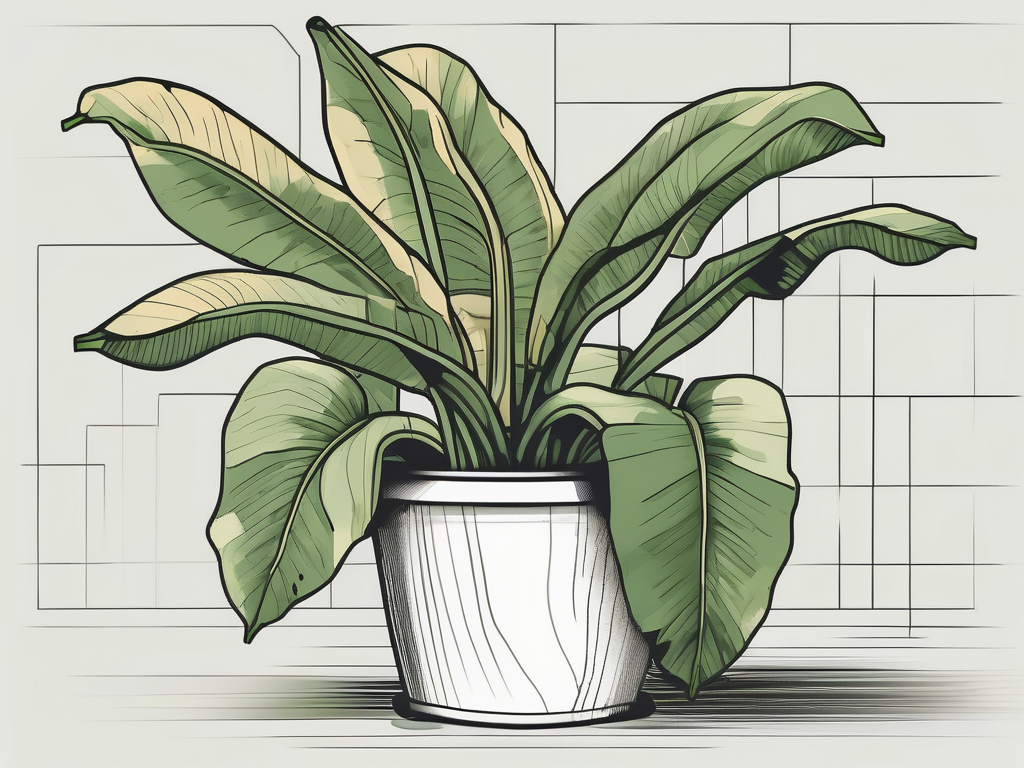
- Trim Brown Edges: If the edges of the leaves become brown or crispy, trim them with scissors to maintain the plant’s aesthetic. This can occur due to low humidity or inconsistent watering.
- Encourage New Growth: Prune back any crowded or crossing stems to encourage new growth and allow light to reach all parts of the plant.
Regular pruning and maintenance will keep your banana plant looking fresh and vibrant, ensuring it remains a stunning focal point in your home.
Dealing with Pests and Diseases
Banana plants can be susceptible to pests and diseases, but with proper care and attention, you can keep these issues at bay. The most common pests include spider mites, aphids, and mealybugs, which can cause damage if left unchecked.
Here’s how to protect your banana plant from pests and diseases:
- Regular Inspections: Check your plant regularly for signs of pests, such as webbing, sticky residue, or discolored leaves. Early detection is crucial for effective treatment.
- Natural Remedies: Use insecticidal soap or neem oil to treat pests naturally. Apply the solution according to the product instructions, and repeat as necessary.
- Preventative Measures: Keep your plant healthy by maintaining proper watering, lighting, and humidity levels. A healthy plant is less susceptible to pests and diseases.
By staying vigilant and taking preventative measures, you can keep your banana plant pest-free and thriving.
Designing with Banana Plants
Banana plants are not just functional but also a stunning addition to any interior design. With their large, eye-catching leaves, they can make a bold statement in any room. Whether you’re looking to create a tropical paradise or simply add a touch of greenery, banana plants can be a fantastic choice.
Here are some design tips for incorporating banana plants into your home:
- Statement Piece: Use a banana plant as a statement piece in your living room or entryway. Its large leaves and towering height can draw the eye and create a focal point.
- Complementary Plants: Pair your banana plant with other tropical plants, such as ferns or palms, to create a cohesive, lush look.
- Containers and Planters: Choose decorative pots or planters that complement your home’s decor. A modern pot can add a contemporary touch, while a woven basket can enhance a bohemian vibe.
With a bit of creativity and planning, your banana plant can become a standout element in your home’s interior design.
Final Thoughts
Caring for a banana plant can be a rewarding experience, offering both beauty and a touch of the tropics to your indoor space. From selecting the right plant and potting it properly to managing pests and designing a stunning interior, there’s plenty to enjoy on this plant care journey.
At Cafe Planta, we're here to help you every step of the way. Whether you're looking for the perfect plant, need advice on plant care, or want to connect with fellow plant lovers, don't hesitate to email us or send a DM on Instagram. We're excited to share our love of plants with you and help you create a beautiful, thriving plant collection in your home.