Picture this: You're sipping a steaming cup of coffee, enjoying its rich aroma, and gazing lovingly at your flourishing coffee plant. Yes, you can grow a coffee plant right at home! Coffee plants are not only a charming addition to your indoor garden but also provide a fun, hands-on way to connect with one of the world's favorite beverages. Why not try your hand at nurturing a coffee plant?
This guide will walk you through everything you need to know about coffee plant care. From understanding its origins and ideal conditions to dealing with common pests, you'll find practical tips and advice to help your coffee plant thrive. Let's get started and turn your home into a cozy little coffee haven!
Getting to Know Your Coffee Plant
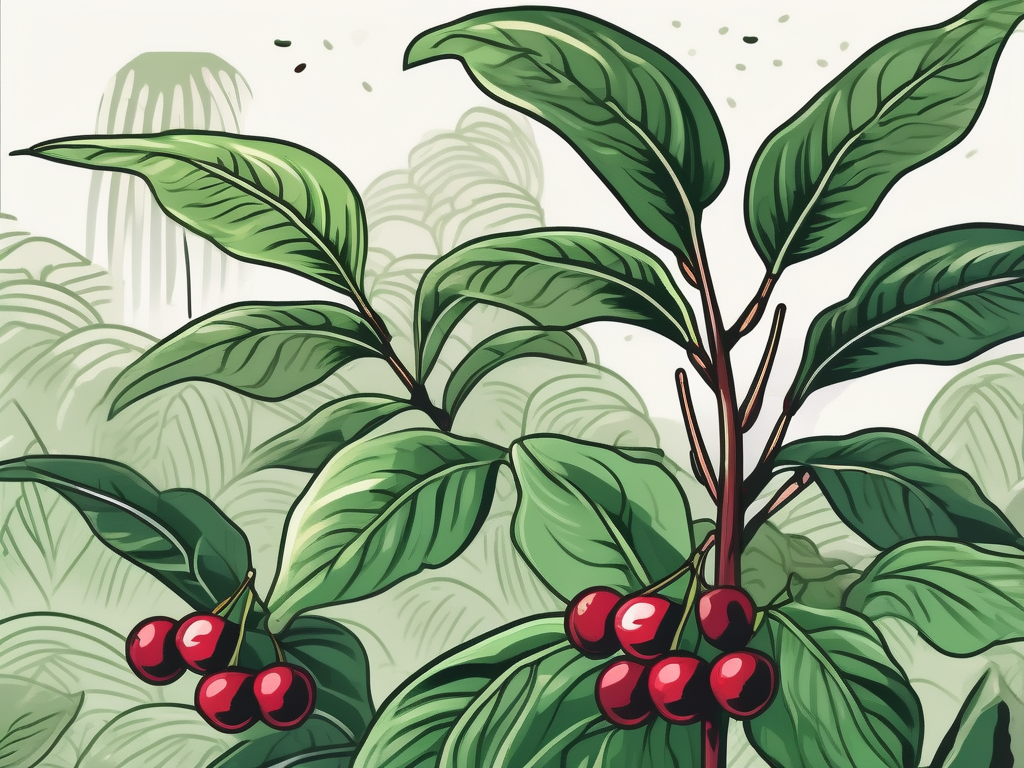
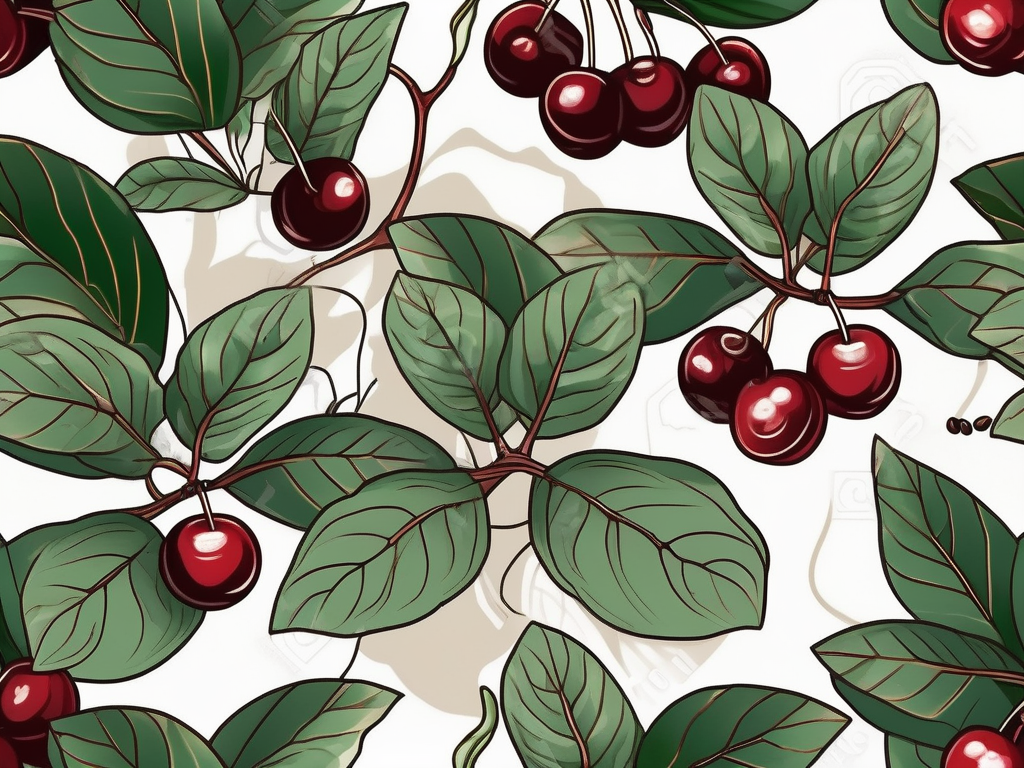
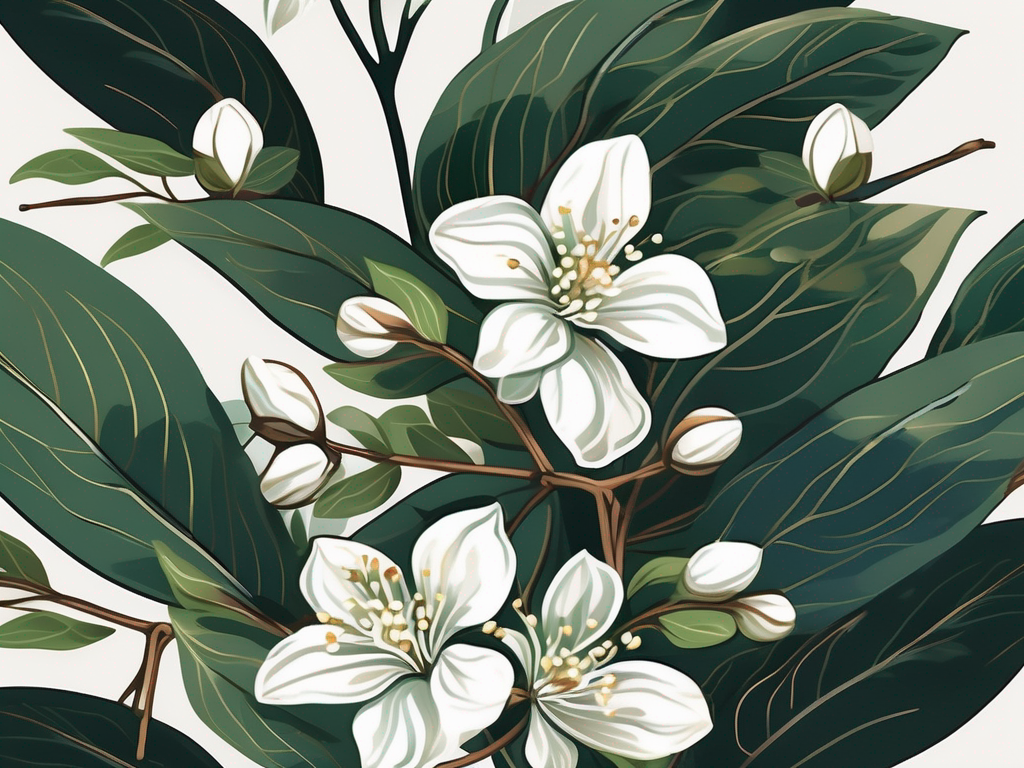
The coffee plant, scientifically known as Coffea arabica, is a beautiful, evergreen shrub native to the tropical regions of Africa. While the plant is often associated with the production of coffee beans, it also makes for a stunning houseplant with its glossy, dark green leaves and sweetly scented white flowers. It's important to note that coffee plants can grow quite large, reaching heights of up to 15 feet in their natural habitat. However, when grown indoors, they typically stay more compact, making them suitable for most homes.
Why choose a coffee plant for your home? For starters, it's a conversation piece. Imagine telling your friends that you're not just drinking coffee, but growing it as well! Moreover, coffee plants can live for many years with proper care, offering long-term satisfaction. They also add an exotic touch to your interior decor, blending seamlessly with other tropical plants like fiddle leaf figs or monstera.
Despite their exotic origins, coffee plants are relatively easy to care for, provided you meet their basic needs. Let's dig into the specifics to ensure your coffee plant stays happy and healthy.
Light Requirements
Light is a crucial factor in the health of your coffee plant. These plants thrive in bright, indirect light, which mimics the dappled sunlight they receive in their native habitats. Direct sunlight can scorch their leaves, so it's best to avoid placing them in a spot where the sun shines directly on them for extended periods.
If you're wondering where to position your coffee plant, a north or east-facing window is often ideal. These locations provide ample light without the harshness of direct afternoon sun. If your home is primarily lit by artificial light, you might consider using a grow light to supplement your coffee plant's needs, especially during the shorter days of winter.
How can you tell if your plant is getting enough light? Look for these signs:
- Healthy leaves: The leaves should be a vibrant, deep green. If they're turning pale or yellow, it might be a sign of insufficient light.
- New growth: A happy coffee plant will regularly produce new leaves.
- Leggy growth: If your plant is growing long and spindly, it might be stretching towards the light, indicating it needs a brighter spot.
Adjusting your plant's light exposure can make a significant difference in its health. Experiment with different locations until you find the perfect spot!
Watering Your Coffee Plant
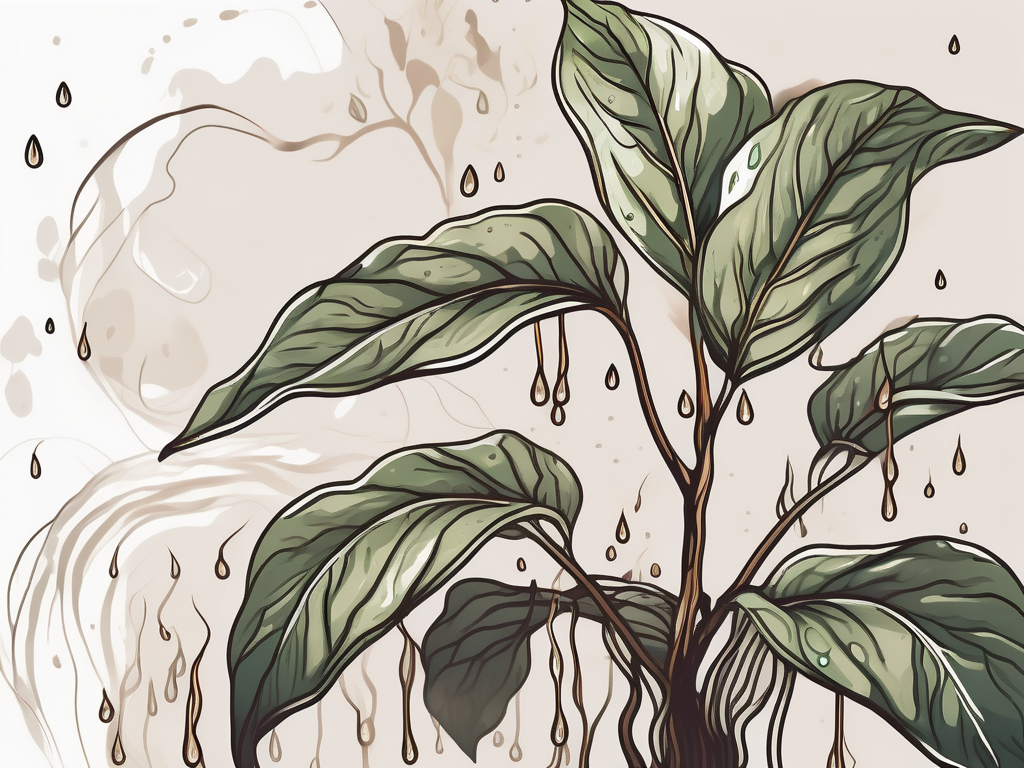
When it comes to watering, coffee plants prefer a consistent routine. They enjoy moist soil, but overwatering can lead to root rot, a common issue for many houseplants. The key is to strike a balance between keeping the soil moist and allowing it to dry out slightly between waterings.
Here's a simple method to check if your plant needs water: Stick your finger about an inch into the soil. If it feels dry, it's time to water. If it's still damp, wait a few more days and check again. It's also a good idea to water your coffee plant thoroughly, allowing excess water to drain out of the pot's bottom. This ensures the roots get an even drink and helps prevent salt buildup from fertilizers.
Remember, the frequency of watering can vary depending on factors like the season, humidity levels, and the specific conditions in your home. Generally, you might water your coffee plant once a week, but always trust the "finger test" over a strict schedule.
One more tip: Use room temperature water to avoid shocking your plant. Cold water can cause stress, leading to leaf drop or other issues. If you're using tap water, let it sit out overnight to allow any chlorine to dissipate before watering.
Choosing the Right Soil
Soil plays a big role in the health of your coffee plant. These plants prefer well-draining, slightly acidic soil. A standard potting mix with added perlite or sand often works well, providing the drainage and aeration the plant needs.
If you're feeling adventurous, you can create your own soil mix. Combine equal parts peat moss, perlite, and a bit of sand or fine gravel. This mixture mirrors the coffee plant's natural environment, promoting healthy root growth and preventing waterlogged soil.
It's also worth considering the pot you choose for your coffee plant. Make sure it has drainage holes to allow excess water to escape. A pot that's too large can retain too much moisture, while a pot that's too small might restrict root growth. Ideally, choose a pot that's just a bit larger than the plant's root ball to give it room to grow without overwhelming it with too much soil.
Repotting your coffee plant every couple of years is a good practice. This process refreshes the soil, provides more room for the roots, and can help prevent disease. As a bonus, repotting is a great opportunity to check on your plant's roots and ensure they're healthy and thriving.
Temperature and Humidity Considerations
Coffee plants are native to tropical regions, which means they thrive in warm, humid environments. Ideally, keep your coffee plant in temperatures between 65-75°F (18-24°C). While they can tolerate slightly cooler temperatures, anything below 60°F (15°C) might stunt their growth or cause damage.
Humidity is another critical factor. Coffee plants love humidity, so aim to keep the humidity level around 50% or higher. If you live in a dry climate or notice the leaves browning at the edges, consider using a humidifier to boost the moisture in the air. Alternatively, you can group your coffee plant with other houseplants to create a micro-humid environment or place a tray of water and pebbles nearby to increase humidity through evaporation.
During the winter months, indoor heating systems can dry out the air, so take extra steps to maintain humidity levels. Regular misting can be beneficial, but be careful not to overdo it, as excessive moisture can encourage fungal growth.
Lastly, avoid placing your coffee plant near drafts or heating vents, as sudden temperature changes can stress the plant. A stable environment will go a long way in keeping your coffee plant happy and healthy.
Fertilizing for Optimal Growth
Fertilizing your coffee plant can promote healthy growth and vibrant foliage. During the growing season, which typically runs from spring through early fall, fertilize your plant every four to six weeks. A balanced, water-soluble fertilizer works well for coffee plants, providing the essential nutrients they need.
When it comes to fertilization, more isn't always better. Over-fertilizing can burn the roots and cause leaf tip burn. Always follow the instructions on the fertilizer package and consider diluting it to half-strength to avoid any potential issues. If you're using a slow-release fertilizer, apply it once at the beginning of the growing season and let it do its magic over the months.
Observe how your plant reacts to the fertilizer. If you notice new, healthy growth and vibrant leaves, you're on the right track. If the leaves start turning yellow or brown, it might be a sign of over-fertilization or nutrient deficiency. In such cases, adjust the fertilization schedule or composition accordingly.
And remember, during the dormant winter months, your coffee plant won't need as much food. You can reduce or even skip fertilization until the growing season resumes in spring.
Pruning and Maintenance
Pruning is an essential part of coffee plant care, helping maintain its shape and promote healthy growth. Regularly inspect your plant for any dead, damaged, or yellowing leaves, and remove them using clean, sharp scissors or pruning shears. This not only improves the plant's appearance but also prevents disease and pest infestations.
Coffee plants can grow quite bushy, so occasional pruning helps control their size and encourages a fuller shape. Trim back any overly long or leggy branches, making cuts just above a leaf node to encourage new growth. Pruning can be done throughout the year, but it's best to avoid heavy pruning during the winter months when the plant is less active.
Beyond pruning, keeping your coffee plant clean is another important maintenance task. Dust can accumulate on the leaves, blocking sunlight and reducing the plant's ability to photosynthesize. Gently wipe the leaves with a damp cloth or give your plant a quick shower in the sink to remove any dust buildup.
Regularly check your coffee plant for any signs of pests or disease. Early detection is key to preventing more significant problems, and we'll discuss how to deal with these issues in the next section.
Dealing with Pests and Fungal Issues
Like many houseplants, coffee plants can occasionally fall victim to pests and diseases. Common pests include spider mites, aphids, and whiteflies. These tiny invaders can cause significant damage if left unchecked, but there are several ways to tackle them.
For minor infestations, a gentle spray of water can often dislodge pests from the leaves. For more severe cases, consider using insecticidal soap or neem oil, both of which are effective and safe for indoor use. Be sure to follow the instructions on the product label and apply treatments in a well-ventilated area.
Fungal issues, such as leaf spots or powdery mildew, can also affect coffee plants. These problems are often a result of excessive moisture or poor air circulation. To prevent fungal diseases, avoid overwatering, ensure proper drainage, and maintain adequate humidity levels. If you notice any signs of fungal infection, remove affected leaves promptly and consider applying a fungicide if necessary.
Prevention is always better than cure, so keeping your coffee plant's environment clean and well-maintained can go a long way in keeping pests and diseases at bay. Regularly inspect your plant for any signs of trouble, and take action as soon as you notice any issues.
Creating a Coffee Plant-Friendly Home
Incorporating a coffee plant into your home decor can add a touch of tropical elegance and create a relaxing atmosphere. Coffee plants pair beautifully with other houseplants, especially those with similar light and humidity requirements, such as rubber plants or peace lilies.
Consider placing your coffee plant in a decorative pot that complements your interior style. Whether you prefer a minimalist ceramic pot or a more rustic terracotta one, the right container can enhance the plant's visual appeal. You can also use plant stands or macrame hangers to add height and dimension to your plant display.
If you're a coffee lover at heart, you might even create a dedicated coffee nook in your home. Pair your coffee plant with a cozy chair, some coffee-themed artwork, and a small table to hold your favorite coffee-making equipment. This charming setup can become your go-to spot for enjoying a cup of joe and admiring your thriving plant.
Remember, the goal is to create a space that reflects your personality and style while providing a healthy environment for your coffee plant to flourish. Experiment with different arrangements and see what works best for you and your home.
Final Thoughts
Growing a coffee plant at home can be a delightful and rewarding experience. By understanding its needs and providing the right care, you can enjoy a lush, vibrant plant that adds beauty and charm to your living space. From light and water to soil and humidity, each aspect of care plays a part in helping your coffee plant thrive.
At Cafe Planta, we're passionate about helping you succeed on your plant journey. Whether you're looking for unique houseplants, plant care accessories, or just some friendly advice, we're here for you. Feel free to reach out via email or send us a message on Instagram. Let's connect and share the joy of plant care together!