If you've got a green thumb, or even if you're just starting your plant journey, you've probably noticed that houseplants have a way of turning a space into a home. Among the many wonderful options, the Hoya Linearis stands out with its unique trailing vines and distinctive foliage. It's not just a plant; it's a piece of living art that can brighten up any corner of your home.
In this guide, we'll take a closer look at how to care for the Hoya Linearis. From understanding its light and watering needs to handling pests and diseases, we've got you covered. Whether you're a seasoned plant lover or just starting out, you'll find useful tips to help your Hoya Linearis thrive.
Getting to Know the Hoya Linearis
The Hoya Linearis is a bit of a superstar in the plant world, thanks to its eye-catching appearance and relatively easy care requirements. Native to the Himalayas, this plant is a type of wax plant, known for its long, thin, and cascading stems. The leaves are soft and fuzzy, giving it a delicate, almost ethereal look. But don't be fooled by its appearance—the Hoya Linearis is more resilient than it seems.
This plant is a climber in its natural habitat, often found draping over rocks or hanging from trees. In your home, it will do well in a hanging basket or on a shelf where its vines can cascade down. It's a slow grower, but with patience and the right care, it can become a stunning focal point in your home.
What's truly charming about the Hoya Linearis is its flowers. When they bloom, they offer a delightful scent, reminiscent of a fresh, sweet fragrance. These star-shaped blooms can add a touch of magic to any room. Understanding a bit about its background and natural environment can help you provide the ideal conditions for this plant in your own home.
Light Requirements
When it comes to light, the Hoya Linearis is a bit of a Goldilocks—it's looking for conditions that are just right. It prefers bright, indirect light, which mimics the dappled sunlight it would get in its natural habitat. Too much direct sunlight, and you might find those soft leaves getting scorched. On the other hand, too little light can lead to slow growth and sparse foliage.
If you're putting it near a window, an east or west-facing one is ideal. These spots capture the gentle morning or afternoon sun without the harsh midday rays. If your space is limited to south-facing windows, consider using sheer curtains to filter the light. North-facing windows might be too dim, but if that's your only option, try placing it as close to the window as possible.
For those who love getting creative with plant placement, consider using mirrors to bounce light around the room. This can help increase the light exposure without moving your plant too close to a window. And, if you're into techy solutions, grow lights can be a great alternative, especially during the shorter days of winter. Just make sure to give your Hoya Linearis a rest period—around 12 hours of darkness each day will do the trick.
Watering Your Hoya Linearis
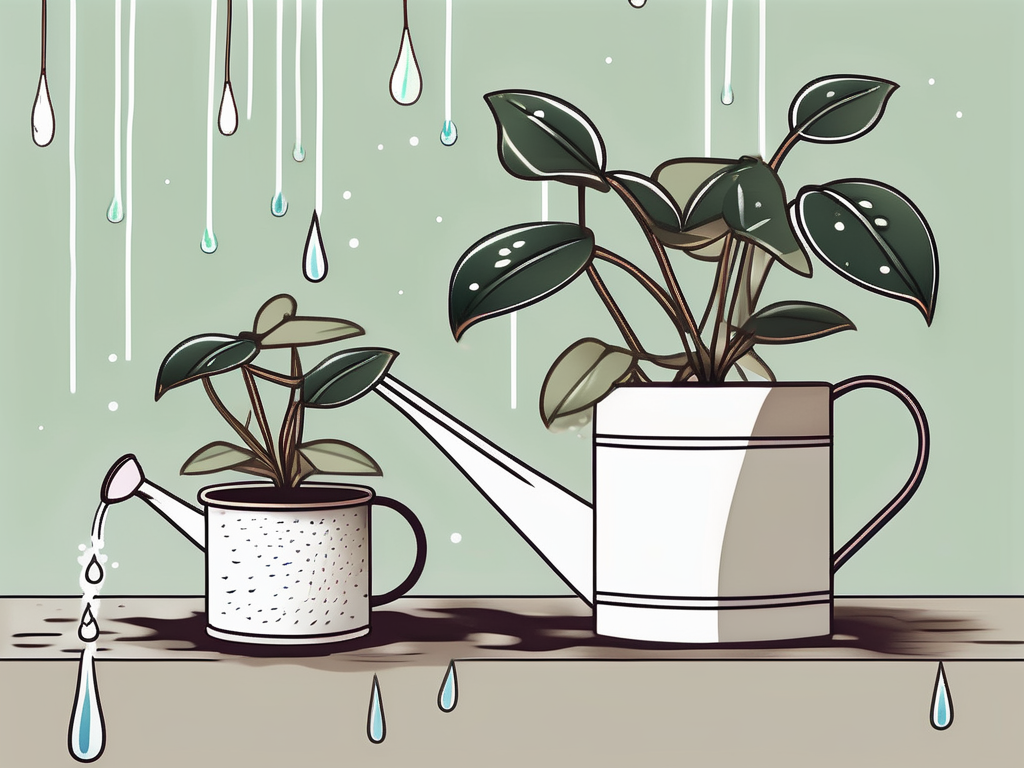
Watering can be a bit of a balancing act with the Hoya Linearis, but once you get the hang of it, it's smooth sailing. This plant likes to dry out between waterings, so it's perfect for those who might forget to water every now and then. The biggest mistake you can make is overwatering, which can lead to root rot—a common plant parent pitfall.
To get the watering schedule right, start by checking the top inch of the soil. If it feels dry to the touch, it's time to water. During the growing season (spring and summer), this might be every 7-10 days. In the cooler months, you can stretch it out a bit longer, since the plant's growth slows down and it needs less water.
When you do water, make sure to do it thoroughly, allowing the water to drain completely from the pot. This means no sitting water at the bottom, which can suffocate the roots. A pot with drainage holes is non-negotiable—it's the best way to ensure your Hoya Linearis stays healthy and happy.
Soil and Potting Needs
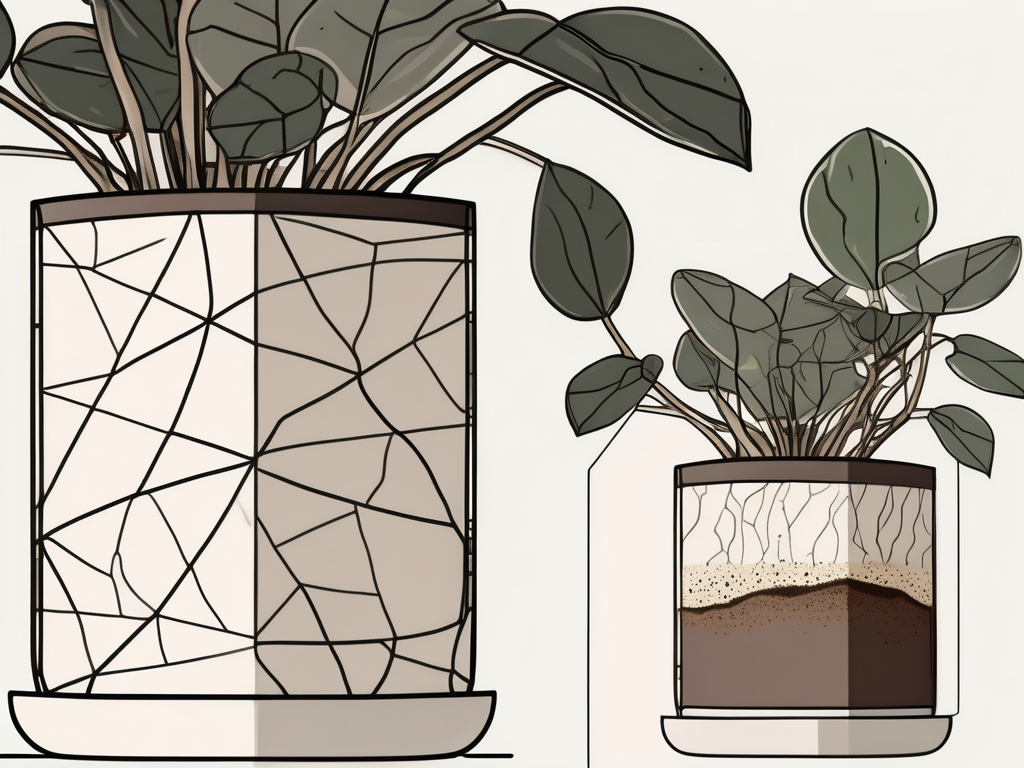
The right soil mix is crucial for the health of your Hoya Linearis. Think of it as the foundation of your plant's home. This plant thrives in a well-draining mix that holds some moisture but doesn't stay soggy. A combination of orchid bark, perlite, and peat moss is a winning recipe, providing the aeration and drainage that the plant needs.
When it comes to repotting, the Hoya Linearis doesn't mind being a little snug in its pot. In fact, a slightly root-bound plant can often encourage blooming. Plan to repot every two to three years, or when you notice roots growing out of the bottom of the pot. When you do, choose a pot that's only slightly larger than the current one—about an inch or two in diameter will do.
Don't forget the importance of choosing a pot with good drainage. Whether it's terracotta, ceramic, or plastic, the key is to ensure excess water can escape easily. If you're using a decorative pot without drainage, consider placing a smaller pot with drainage inside it to keep your plant healthy.
Temperature and Humidity
The Hoya Linearis is fairly adaptable when it comes to temperature, but it does have its preferences. It thrives in temperatures ranging from 60°F to 80°F (15°C to 27°C), which makes it perfect for most indoor environments. Just be sure to keep it away from drafts, whether cold or hot, as they can stress the plant.
Humidity is where you'll want to pay a bit more attention. This plant comes from a naturally humid environment, so it appreciates a bit of extra moisture in the air. If your home tends to be dry, especially during winter months, consider placing a humidifier nearby or using a pebble tray with water to increase humidity.
You can also group your Hoya Linearis with other plants, which can create a micro-environment with higher humidity. And, while misting can be helpful, it's not a substitute for consistent humidity. Aim for a humidity level of around 50% or higher for optimal growth.
Fertilizing Your Plant
Fertilizing your Hoya Linearis can give it the extra boost it needs to grow and bloom beautifully. During the growing season (spring and summer), use a balanced, water-soluble fertilizer every four to six weeks. This provides the nutrients your plant needs without overwhelming it.
When choosing a fertilizer, look for one that's formulated for houseplants. A balanced ratio, such as 10-10-10, works well. Be careful not to over-fertilize, as this can lead to salt buildup in the soil, which can harm your plant. If you notice white crusts on the soil surface, it's a sign to flush the soil with water to remove excess salts.
In the fall and winter, scale back on fertilizing, as the plant's growth naturally slows down. This rest period is important for the Hoya Linearis, helping it conserve energy and prepare for the next growing season.
Dealing with Pests and Diseases
Even the most diligent plant parent encounters pests and diseases from time to time. The good news is, the Hoya Linearis is quite resilient. However, it's not completely immune to issues like mealybugs, spider mites, or aphids.
If you notice any of these pests, act quickly. You can often remove them with a gentle stream of water or by wiping the leaves with a damp cloth. For more persistent pests, consider using insecticidal soap or neem oil, both of which are effective and safe for your plant.
As for diseases, root rot is the most common issue, often due to overwatering. Ensure your plant's soil has good drainage and that you're not letting it sit in water. If you suspect root rot, check the roots and remove any that are mushy or discolored.
Pruning and Maintenance
Pruning your Hoya Linearis can help keep it tidy and encourage new growth. While it's not a high-maintenance plant, a little trim here and there can make a big difference in its appearance and health.
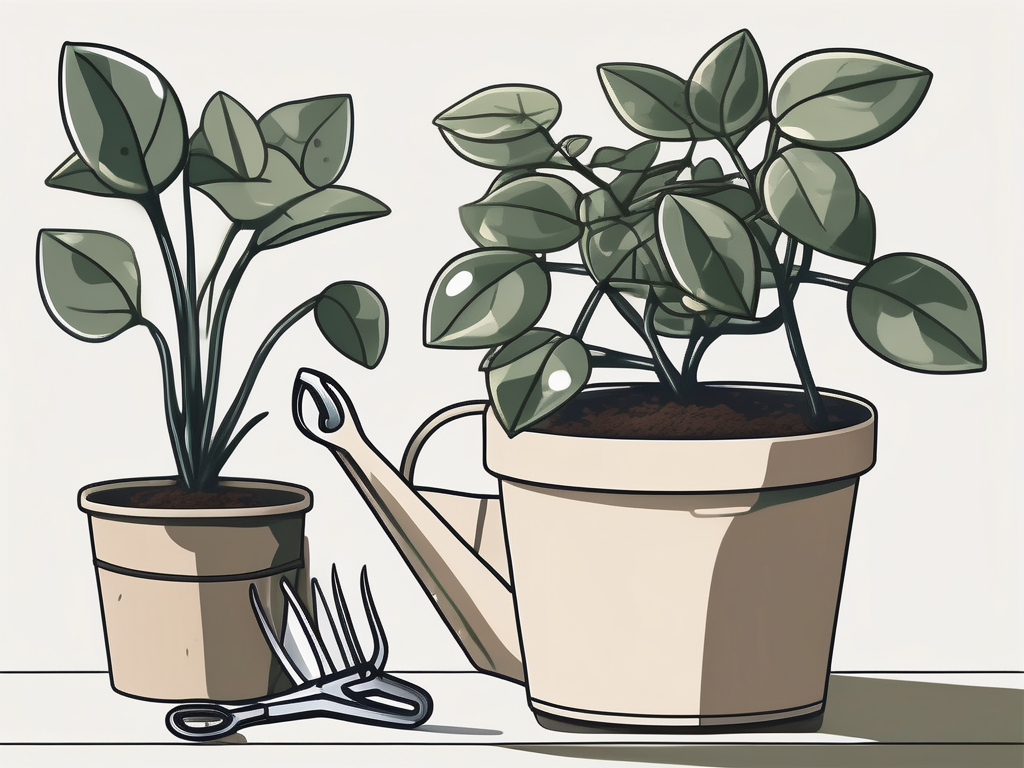
Focus on removing any dead or yellowing leaves, as well as any stems that have become leggy. Use clean, sharp scissors or pruning shears to make clean cuts. This helps prevent the spread of disease and keeps your plant looking its best.
During the active growing season, you might also pinch back new growth to encourage a bushier, fuller appearance. Just be gentle, as the stems are quite delicate. With regular maintenance, your Hoya Linearis will remain a stunning addition to your plant collection.
Displaying Your Hoya Linearis
Part of the fun of owning a Hoya Linearis is getting creative with how you display it. Its trailing vines make it an excellent choice for hanging baskets, where its lush stems can cascade down beautifully. This not only showcases its natural growth habit but also adds an elegant touch to any room.
If hanging isn't your style, consider placing it on a high shelf or a plant stand. This gives the vines room to grow and drape naturally. You can also let it climb a trellis or moss pole for a different look, although this requires a bit more maintenance to train the vines.
Wherever you decide to display your Hoya Linearis, keep in mind its light and humidity needs. A bright bathroom or kitchen might be ideal, as these spaces often have higher humidity levels. And remember, a happy plant is a beautiful plant, so consider its needs first when choosing a spot.
Final Thoughts
Taking care of a Hoya Linearis can be a delightful experience, especially as you watch it grow and blossom. With the right light, water, soil, and a dash of patience, your plant can thrive and add a touch of elegance to your home.
At Cafe Planta, we're passionate about helping you create a thriving indoor jungle. Whether you need plant care accessories, unique plant varieties, or just some friendly advice, we're here for you. Feel free to email us or connect on Instagram. Let's grow together!