So, you're considering adding an urn plant to your indoor jungle, or maybe you already have one and want to ensure it's thriving. Either way, you've come to the right place. Urn plants, belonging to the Bromeliaceae family, are unique tropical plants known for their striking rosettes and vibrant colors, making them a favorite among plant lovers.
In this article, we'll cover everything you need to know to successfully care for your urn plant. From understanding its light and water needs to dealing with common pests and styling tips, we've got you covered. Let's get started on making your urn plant the star of your plant collection!
Getting to Know the Urn Plant
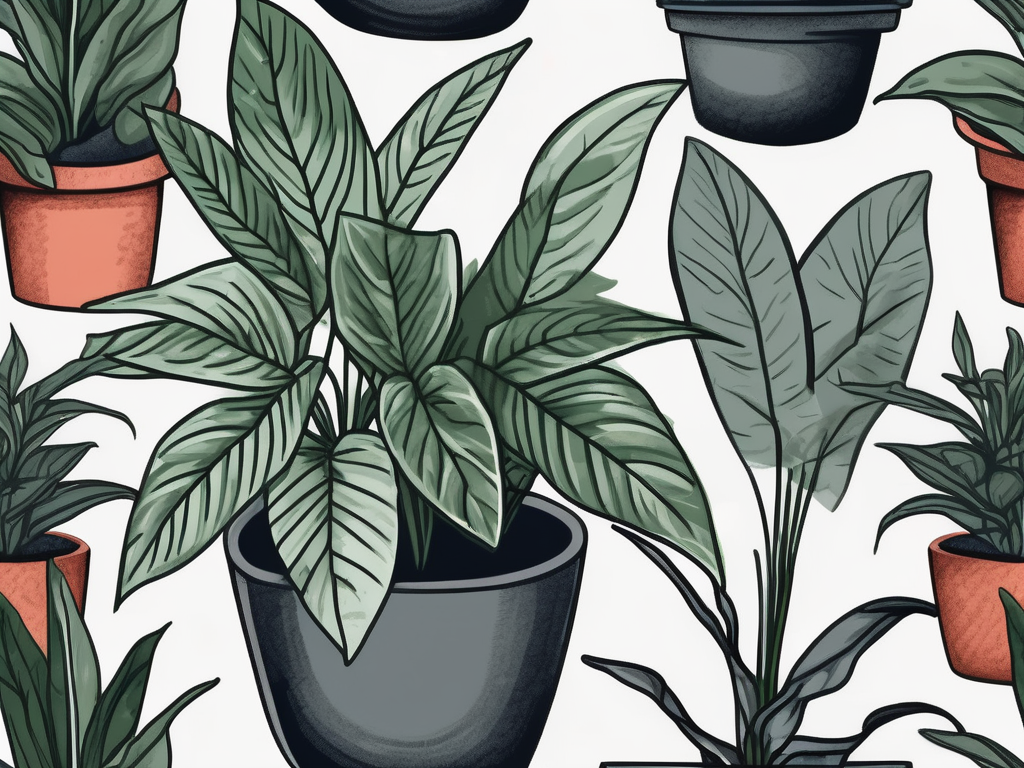
The urn plant, also known as Aechmea, is not your typical houseplant. Native to Central and South America, it's a part of the bromeliad family, which means it has some unique characteristics that set it apart from your average greenery. One of the most distinct features of the urn plant is its rosette-shaped foliage, which forms a natural "urn" or cup at the center—hence the name.
This cup collects water and nutrients, mimicking the plant's natural habitat, where it often grows as an epiphyte on trees. While you might think of tropical plants as fussy, urn plants are surprisingly adaptable, making them a great choice for beginners and seasoned plant parents alike. Their bold colors and interesting textures make them a stunning addition to any room.
Urn plants come in various species, each with its own flair. Some of the popular varieties include Aechmea fasciata, with its silvery-gray leaves and pink flower spikes, and Aechmea 'Blue Rain', which boasts striking blue and purple blooms. Each variety brings something unique to the table, so you're bound to find one that fits your style.
Finding the Perfect Spot
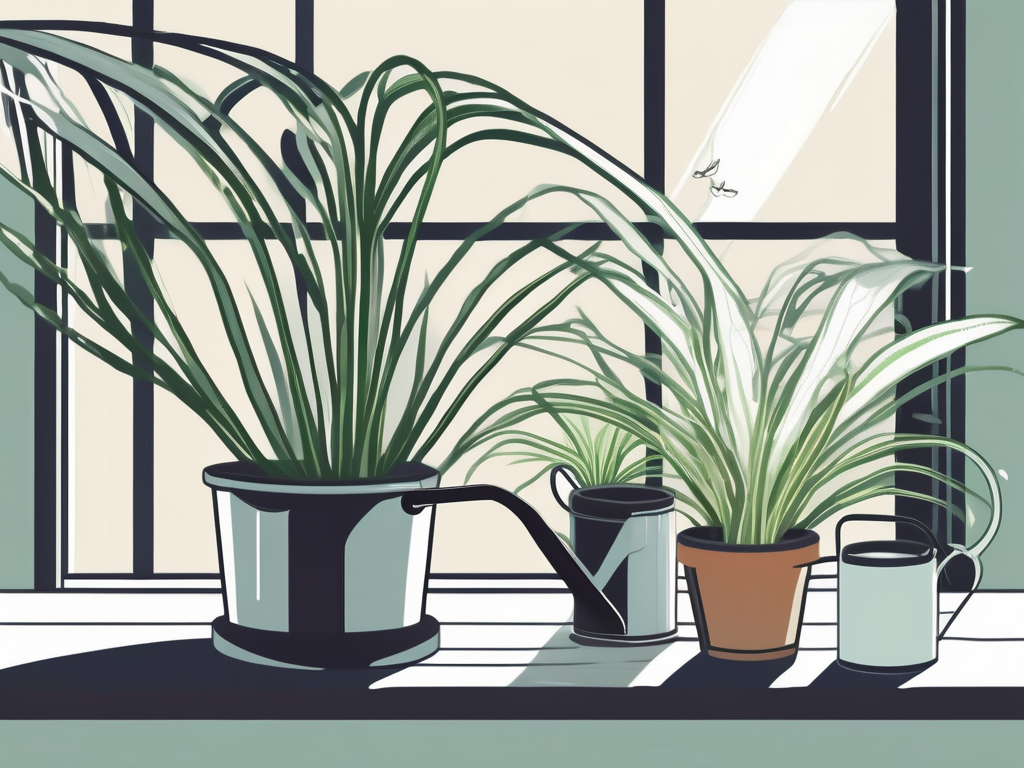
When it comes to placement, urn plants are a bit like Goldilocks—they need just the right amount of light. They thrive in bright, indirect light, making them perfect for a spot near a window that gets plenty of filtered sunlight. Direct sunlight can scorch their leaves, while too little light will stunt their growth and dull their vibrant colors.
If you're noticing your urn plant looking a little worse for wear, it might be time to reassess its location. If the leaves are turning brown or the plant is losing its color, it could be getting too much sun. On the other hand, if it seems to be stretching or leaning towards the light, it might not be getting enough.
For those of us without the perfect window spot, don't worry! Urn plants can adapt to lower light conditions, though they may not bloom as frequently. You can also supplement with a grow light to give them the light boost they need. The key is to observe your plant and adjust its environment as needed.
Watering Your Urn Plant
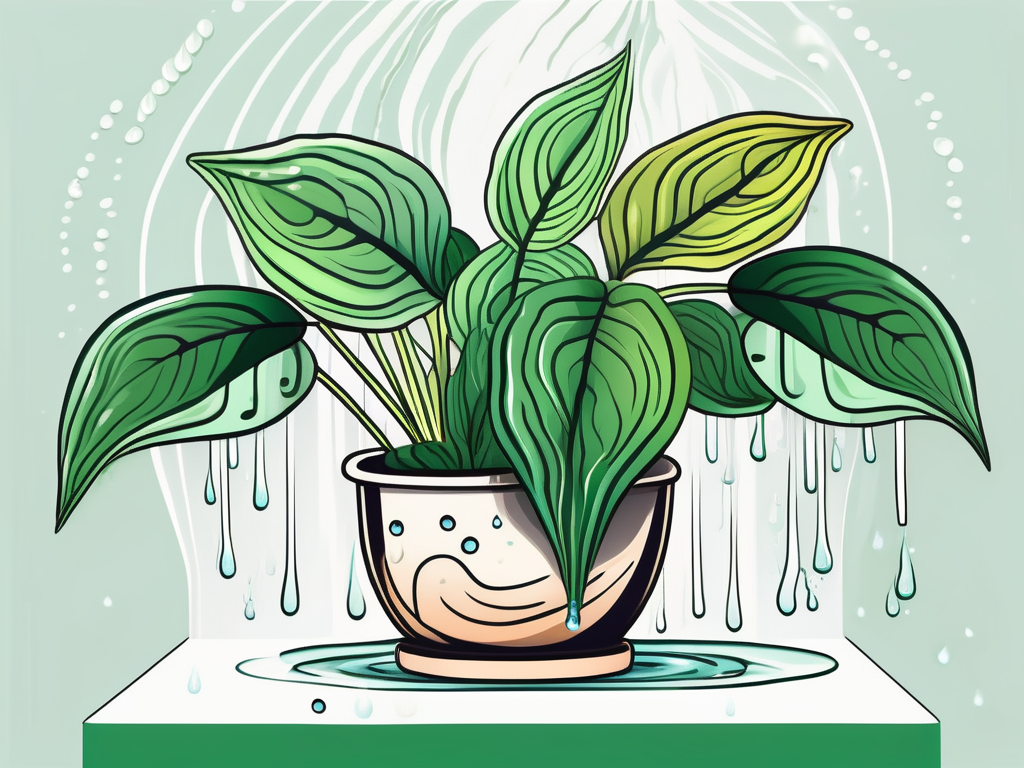
Watering an urn plant is a bit different from your typical houseplant routine, but once you get the hang of it, it's straightforward. Instead of watering the soil, you'll focus on keeping the central cup filled with water. This mimics the plant's natural environment, where it collects rainwater in its rosette.
Here's a simple step-by-step guide to watering your urn plant:
- Fill the central cup: Use room-temperature water to fill the cup, aiming to keep it about halfway full. Avoid using cold or hot water, as it can shock the plant.
- Flush out the cup: Every few weeks, empty the cup and refill it with fresh water to prevent stagnation and bacterial growth.
- Water the soil: While the main focus is the central cup, don't forget about the soil. Keep it lightly moist but not soggy. Allow the top inch of soil to dry out between waterings.
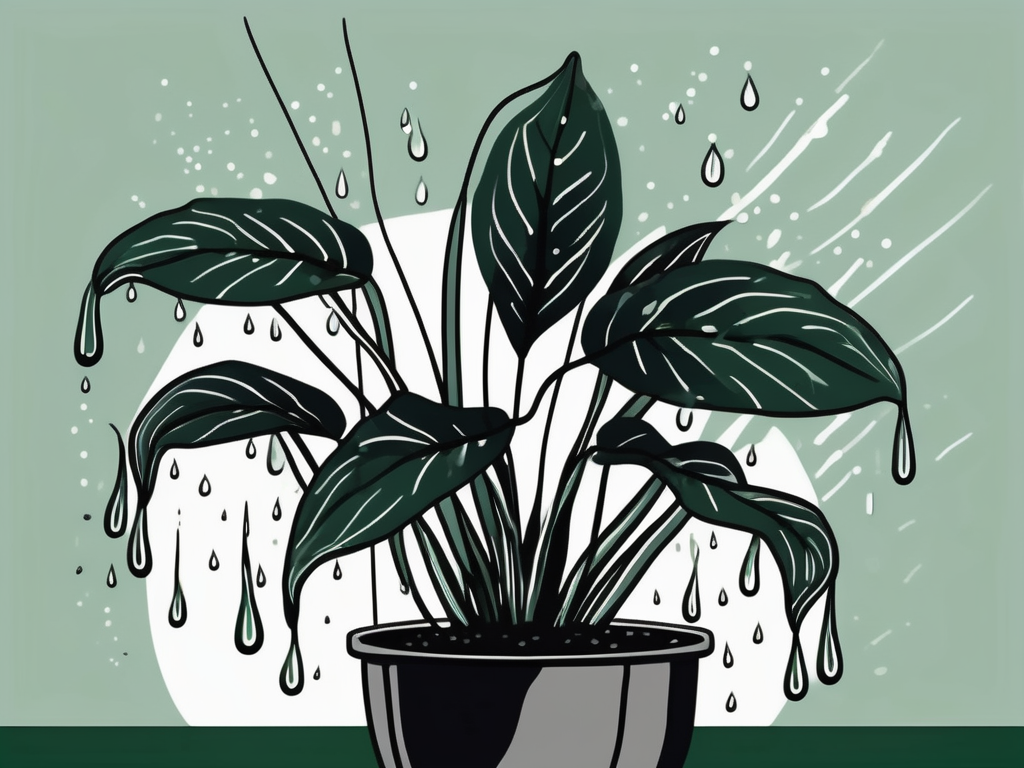
It's worth noting that urn plants are susceptible to root rot if overwatered, so err on the side of caution. They prefer a bit of humidity, so if your home is particularly dry, consider placing a tray of water near the plant to boost the humidity level.
Choosing the Right Soil and Pot
When it comes to potting your urn plant, the soil and pot you choose can make a big difference in its overall health. These plants aren't too picky, but there are a few things to keep in mind to ensure they're comfortable and thriving.
First, let's talk soil. Urn plants do best in a well-draining mix that mimics their natural habitat. You can use a standard potting mix but consider adding some orchid bark or perlite to improve drainage. This helps prevent water from sitting around the roots, which can lead to rot.
As for the pot, choose one with drainage holes to allow excess water to escape. While urn plants can grow as epiphytes, they're often potted in soil for indoor care. A pot that's too big can hold too much moisture, so opt for one that's just slightly larger than the root ball.
Repotting isn't a frequent necessity for urn plants. They like to be a bit snug in their pots, but if you notice signs of being root-bound, like roots coming out of drainage holes or the plant becoming top-heavy, it might be time to upgrade to a slightly larger pot. This typically happens every couple of years.
Feeding Your Urn Plant
Feeding your urn plant is an important part of keeping it healthy and promoting growth. These plants aren't heavy feeders, but they do appreciate a little extra boost now and then, especially during their growing season.
Here's a simple feeding routine to follow:
- Use a balanced fertilizer: Opt for a liquid fertilizer that's balanced, like a 20-20-20 formula. This ensures your plant gets a good mix of nitrogen, phosphorus, and potassium.
- Feed during the growing season: Apply the fertilizer every 4-6 weeks during spring and summer when the plant is actively growing.
- Reduce feeding in fall and winter: As growth slows, you can cut back on feeding or skip it altogether to prevent nutrient buildup.
When applying fertilizer, dilute it to half the recommended strength to avoid over-fertilizing, which can harm the plant. Pour it into the central cup rather than the soil, as this is where the plant absorbs nutrients.
Dealing with Common Pests and Problems
Like many houseplants, urn plants can occasionally encounter pests or health issues. The good news is, with a little vigilance and care, you can keep these problems at bay.
Here are some common pests and how to deal with them:
- Mealybugs: These cotton-like pests can be a nuisance. Use a cotton swab dipped in rubbing alcohol to remove them from the plant.
- Spider mites: These tiny pests can cause leaf discoloration. A gentle spray of water or insecticidal soap can help manage them.
- Root rot: Caused by overwatering, root rot is a common issue. Ensure your plant is in well-draining soil and cut back on watering if necessary.
If you notice any unusual changes in your plant's appearance, like yellowing leaves or stunted growth, it could be a sign of a pest or environmental issue. Regularly inspecting your plant and addressing problems promptly can help keep it looking its best.
Styling Your Space with Urn Plants
Urn plants aren't just easy to care for—they also make a stunning visual statement in any space. Their bold colors and unique shapes can complement a variety of interior design styles, from modern to bohemian.
Here are some ideas for incorporating urn plants into your home decor:
- Create a focal point: Use your urn plant as a centerpiece on a coffee table or sideboard. Its striking appearance can draw the eye and add a touch of nature to your space.
- Pair with other plants: Group your urn plant with other tropicals like ferns or peace lilies for a lush, layered look. Mixing different textures and heights can create visual interest.
- Choose a stylish planter: The right pot can enhance your plant's beauty. Consider using a decorative ceramic or woven basket planter to add a touch of personality.
Don't be afraid to experiment with different placements until you find the perfect spot. The versatility of urn plants means they can look great in almost any setting.
Propagation: Growing More Urn Plants
If you're looking to expand your plant collection or share the love with friends, propagating your urn plant is a rewarding endeavor. The most common method is through offsets, also known as "pups," which are small plants that grow from the base of the main plant.
Here's how you can propagate your urn plant:
- Wait for pups to mature: Allow the offsets to grow until they're about one-third the size of the parent plant.
- Remove the pup: Use a clean, sharp knife to carefully separate the pup from the parent plant. Ensure the pup has some roots attached.
- Pot the pup: Plant the pup in a small pot with well-draining soil. Water it lightly and keep it in a bright, indirect light spot.
It may take a few months for the new plant to establish itself, but with a little patience, you'll have a healthy new urn plant to enjoy or gift to a fellow plant lover.
Rejuvenating an Aging Plant
Urn plants, like all living things, can show signs of aging over time. You might notice the central rosette dying back after it blooms or the outer leaves looking a bit shabby. Don't worry—this is a normal part of the plant's life cycle.
Here's how to rejuvenate your urn plant:
- Trim the old leaves: Use clean scissors to remove any dead or dying leaves. This will help the plant focus its energy on new growth.
- Encourage pups: As the old rosette fades, you'll often see new pups forming at the base. Encourage them by ensuring they're getting enough light and moisture.
- Consider repotting: If the plant looks cramped, repotting into fresh soil can give it a new lease on life.
With the right care, your urn plant can continue to thrive and produce new growth, keeping your indoor garden vibrant and alive.
Final Thoughts
Taking care of an urn plant can be a delightful journey. With its unique appearance and relatively low maintenance needs, it can become a cherished part of your indoor plant collection. From choosing the right light and water conditions to dealing with pests and styling your home, there's plenty to enjoy about these fascinating plants.
At Cafe Planta, we believe in the power of plants to bring people together. If you have any questions about your urn plant or need advice on caring for your plant friends, feel free to email us, or send a message via our Instagram. Whether you're new to plant parenting or a seasoned pro, we're here to support you on your plant journey.