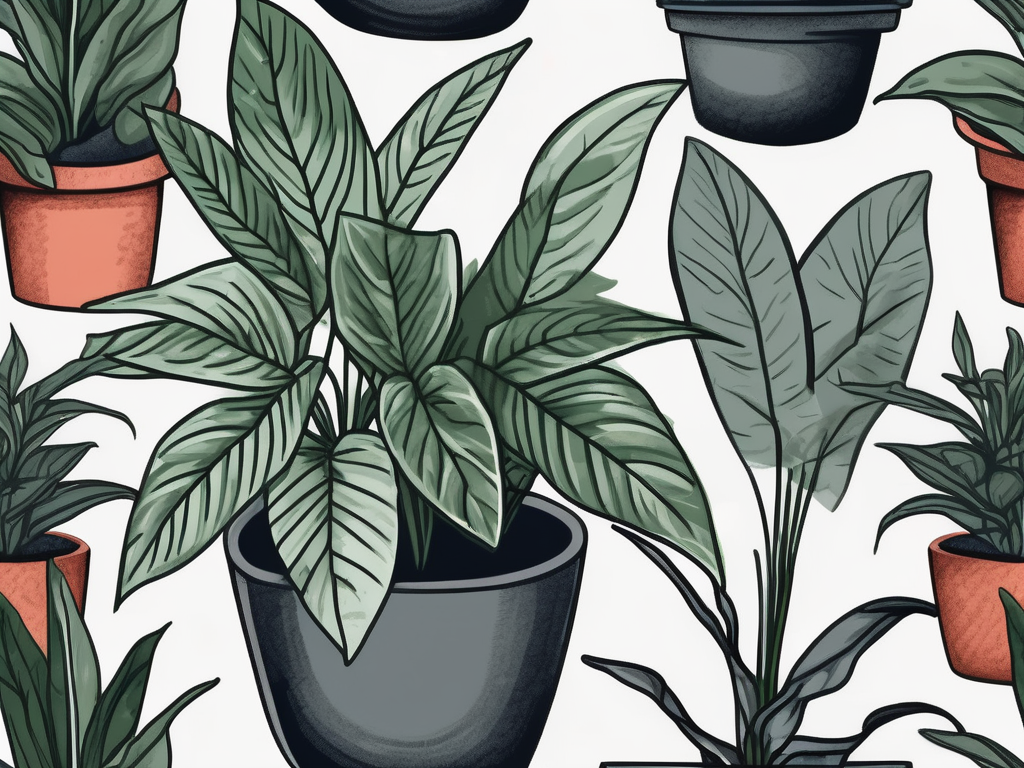
Arrowhead plants, or Syngonium podophyllum if you're feeling fancy, are like the trusty sidekicks of the plant world. They’re versatile, adaptable, and bring a touch of lush greenery to any space. Whether you're a seasoned plant parent or just starting out, these plants are a fantastic choice for adding some life to your home. But, like any good relationship, they need a little TLC to truly thrive.
In this article, we’ll explore everything you need to know to keep your arrowhead plant healthy and happy. From choosing the right potting mix to dealing with pesky pests, I've got you covered. Let’s get started on this leafy journey!
Getting to Know Your Arrowhead Plant
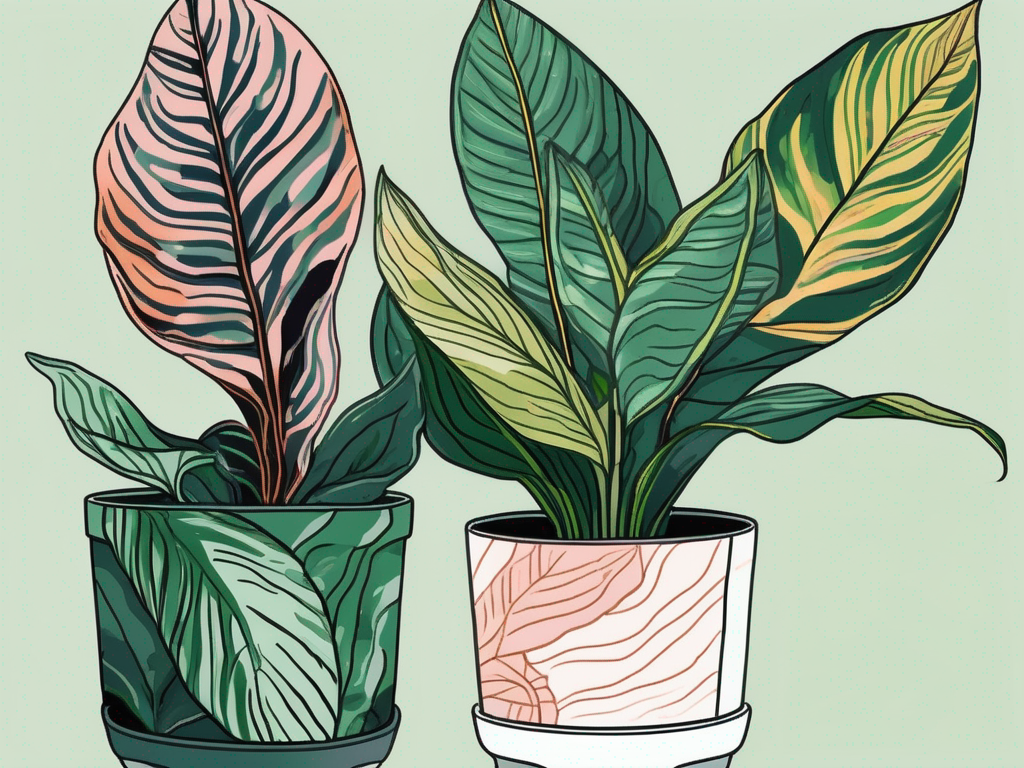
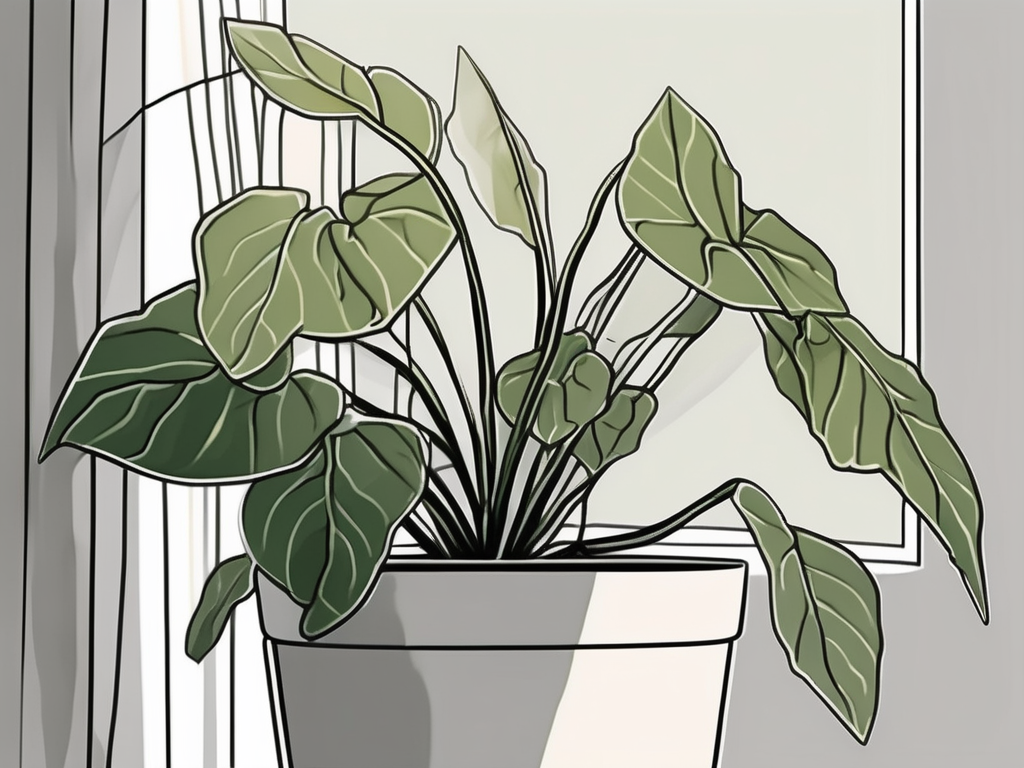
First things first, let’s get acquainted with the arrowhead plant. Native to Central and South America, this plant is known for its uniquely shaped leaves that resemble—you guessed it—an arrowhead. It’s a vining plant, which means it can trail beautifully from a hanging planter or climb a trellis if you let it.
Arrowhead plants are incredibly forgiving, making them ideal for beginners. They adapt well to different lighting and humidity conditions. However, they do have some preferences, and understanding these will help your plant flourish.
- Light: They prefer bright, indirect light but can tolerate lower light conditions. Direct sunlight can scorch their leaves, so keep them out of harsh rays.
- Water: These plants like to stay moist but not soggy. Overwatering is a common mistake, so let the top inch of soil dry out between waterings.
- Humidity: Arrowhead plants thrive in humidity. If your home is on the dry side, consider misting them regularly or placing a humidity tray nearby.
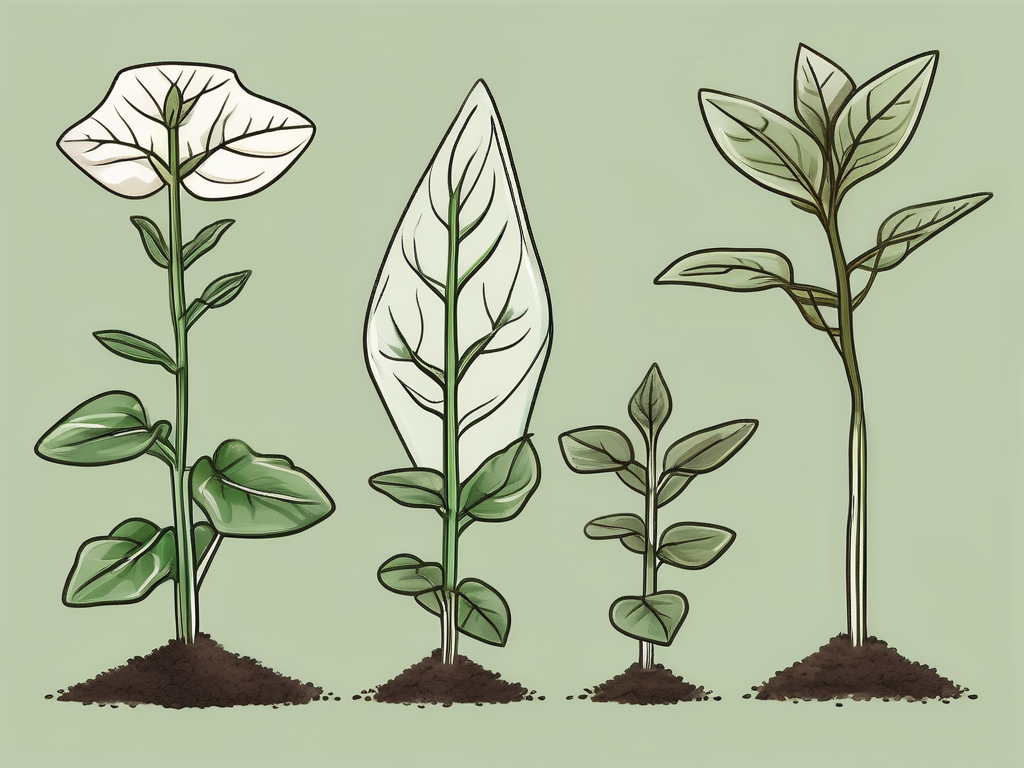
Interestingly enough, the leaves of the arrowhead plant change shape as they mature, transitioning from an arrowhead shape to a more lobed form. This makes them an ever-evolving piece of living art for your home!
Choosing the Right Home: Potting and Soil
Like any good tenant, your arrowhead plant needs a cozy home. Choosing the right pot and soil is crucial for their health. Let’s break down the essentials:
Pot Selection
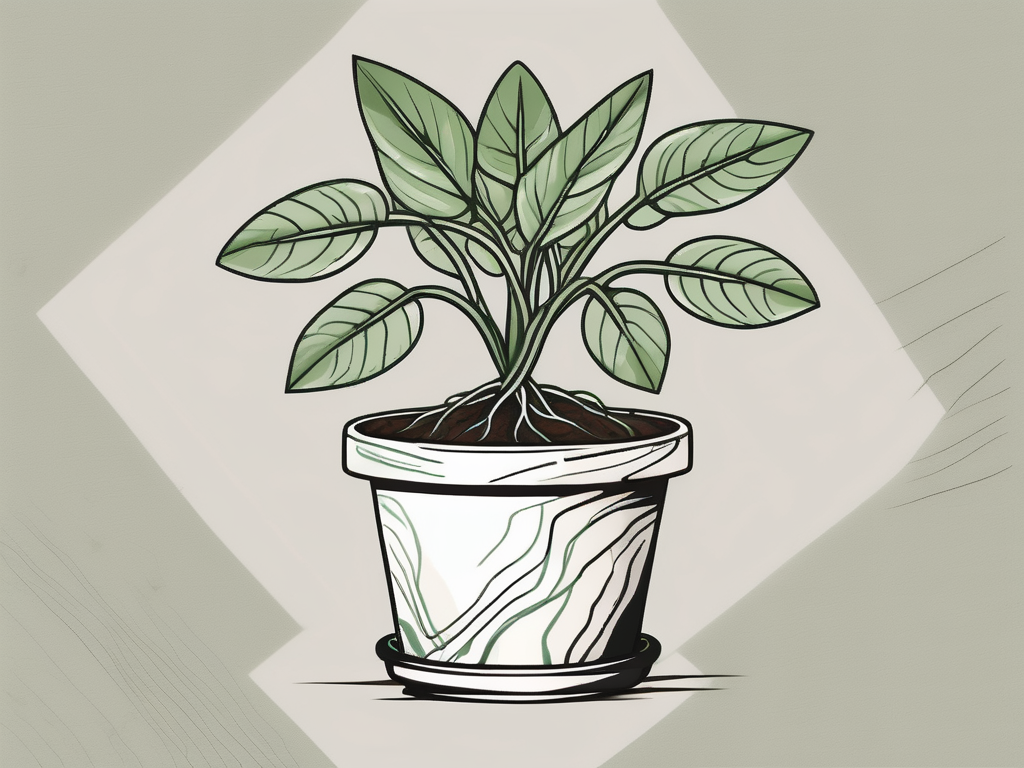
When it comes to pot selection, drainage is the magic word. Arrowhead plants don’t like sitting in water, so choose a pot with drainage holes. Clay or terracotta pots are great options as they allow excess moisture to evaporate, preventing root rot.
If you’re going for a more decorative look, you can place the functional pot inside a decorative planter without holes. Just be sure to empty any excess water that collects in the outer pot.
Soil Requirements
As for soil, arrowhead plants aren’t too picky, but they do appreciate a well-draining mix. You can use a standard potting mix combined with a little perlite or orchid bark to improve aeration. Here’s a simple recipe:
- 2 parts all-purpose potting soil
- 1 part perlite or sand
- 1 part orchid bark or peat moss
This mix will give your plant the drainage and nutrients it needs without compacting around the roots.
Watering Wisely
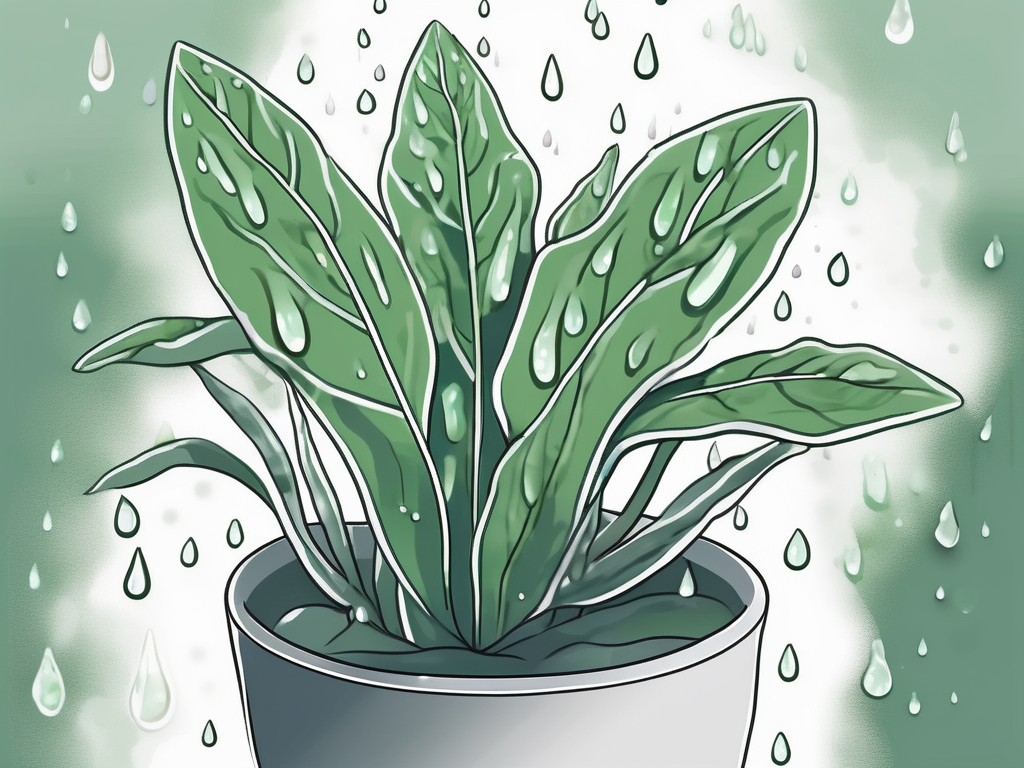
Watering your arrowhead plant might seem straightforward, but it’s a bit of an art. Too much water can lead to root rot, while too little can cause wilting. The goal is to find that sweet spot where your plant is just right.
How Often to Water
The frequency of watering depends on several factors, including the season, humidity, and the specific conditions of your home. Generally, you’ll want to water every 1-2 weeks, allowing the top inch of soil to dry out between waterings.
During the growing season (spring and summer), your plant will need more water. In fall and winter, you can scale back as the plant’s growth slows down.
Watering Technique
When it’s time to water, do so thoroughly. Pour water until it begins to drain from the bottom of the pot, ensuring all the roots get a good soak. Avoid letting the plant sit in standing water by emptying the saucer afterward.
Pro tip: Use room temperature water to prevent shocking your plant’s roots. If you’re using tap water, let it sit out for 24 hours to allow any chlorine to evaporate.
Light and Location
Finding the right spot for your arrowhead plant is like playing matchmaker—you want to find the perfect balance of light and space. Let’s find out where your plant will feel most at home.
Lighting Conditions
Arrowhead plants love bright, indirect light. A spot near an east or north-facing window is ideal, where they can soak up plenty of natural light without direct sun exposure. If the leaves start to look bleached or crispy, it might be getting too much sun.
On the other hand, if your plant is in a low-light area, you might notice slower growth or smaller leaves. In this case, consider moving it to a brighter location or supplementing with a grow light.
Temperature and Humidity
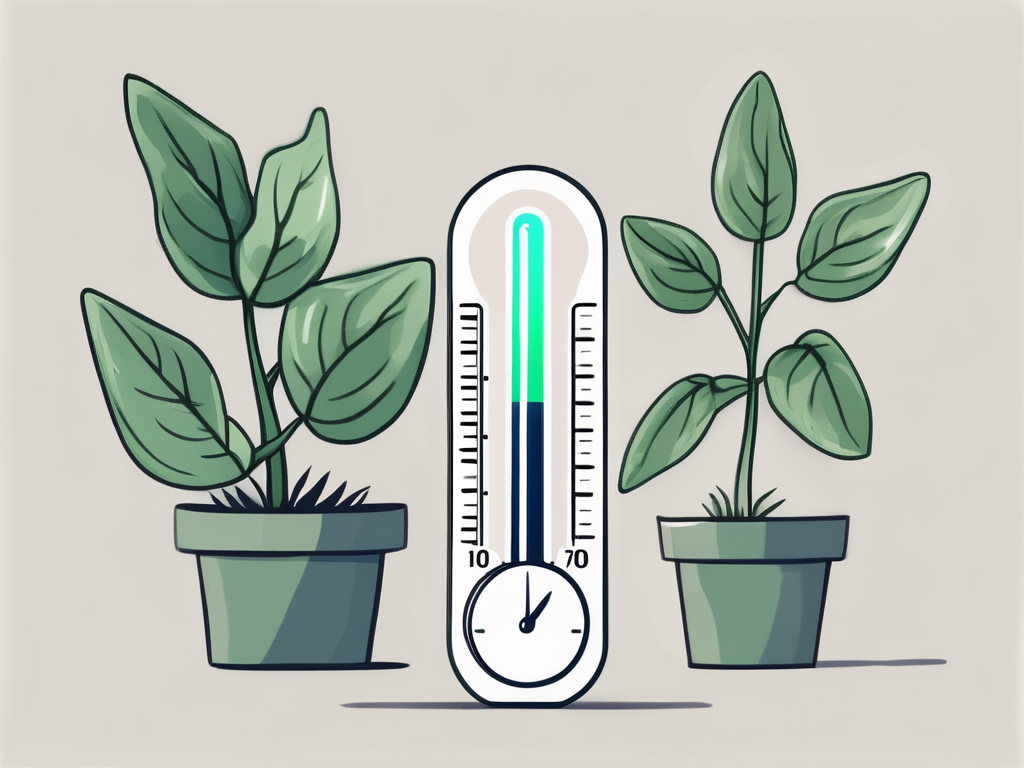
Arrowhead plants are pretty flexible when it comes to temperature, but they prefer a range of 60-75°F (15-24°C). Avoid placing them near drafts, heaters, or air conditioners, which can create temperature fluctuations.
As for humidity, these plants are all about the moisture. If your home is dry, especially in winter, consider using a humidifier or placing your plant on a pebble tray filled with water to increase the humidity around it.
Feeding Your Plant
While arrowhead plants aren’t heavy feeders, they appreciate a little boost during their active growing season. Here’s how you can keep them well-nourished.
Fertilizer Choices
A balanced, water-soluble fertilizer is your best bet. Look for one with an equal ratio of nitrogen, phosphorus, and potassium (like a 10-10-10 or 20-20-20 formula). This will provide the nutrients your plant needs for healthy growth and vibrant leaves.
When and How to Fertilize
Feed your arrowhead plant every 4-6 weeks during the spring and summer months. Dilute the fertilizer to half strength to avoid over-fertilizing, which can burn the roots and damage the plant.
In fall and winter, when growth slows, you can take a break from fertilizing. Your plant won’t need as much nourishment during this time.
Remember, it’s always better to under-fertilize than overdo it. If in doubt, err on the side of caution and skip a feeding.
Pruning and Propagation
Pruning isn’t just about keeping your arrowhead plant looking neat and tidy—it’s also essential for its health. Plus, it’s a great opportunity to propagate and share the plant love!
Pruning Basics
Regular pruning helps control the plant’s size and encourages bushier growth. Trim back any leggy or overgrown stems using clean scissors or pruning shears. You can also remove any yellowing or damaged leaves to keep the plant looking fresh.
Pruning is best done in the spring or early summer when the plant is actively growing. Don’t be afraid to cut back quite a bit—arrowhead plants are resilient and will bounce back beautifully.
Propagation Tips
Arrowhead plants are easy to propagate, which means you can create new plants from cuttings. Here’s a simple method to try:
- Take a 4-6 inch cutting from a healthy stem, just below a node (where the leaf meets the stem).
- Remove the lower leaves, leaving a few at the top.
- Place the cutting in a glass of water, ensuring the nodes are submerged.
- Change the water every few days to keep it fresh.
- Once roots are a couple of inches long, you can pot the cutting in soil.
Propagation is a rewarding way to expand your plant collection or share with friends. Plus, who doesn’t love a little extra greenery?
Common Pests and Problems
Even the most well-cared-for plants can encounter issues from time to time. Here’s how to tackle some of the most common problems you might face with your arrowhead plant.
Pests to Watch For
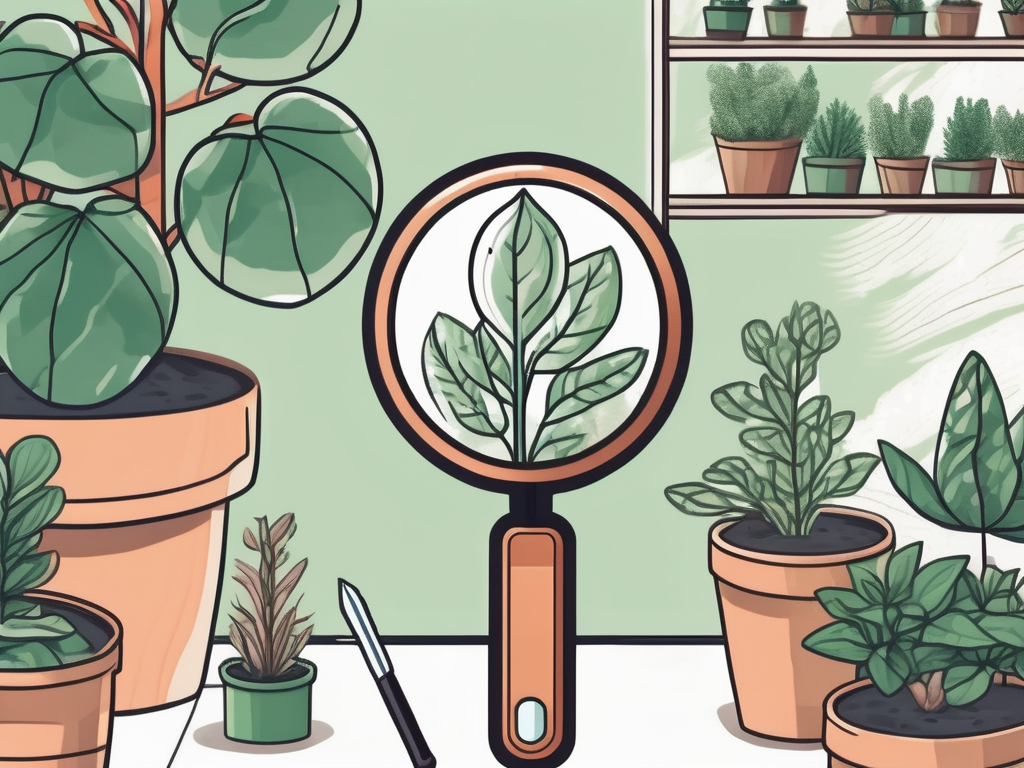
Arrowhead plants can attract a few unwelcome guests, such as spider mites, aphids, and mealybugs. Regularly inspect your plant for signs of infestation, like webbing, sticky residue, or small insects on the leaves.
If you notice pests, here’s what you can do:
- Spider Mites: Wipe leaves with a damp cloth or spray with a mixture of water and mild dish soap. Increase humidity to discourage them.
- Aphids: Remove them with a strong blast of water or use insecticidal soap.
- Mealybugs: Dab them with a cotton swab dipped in rubbing alcohol to kill them.
Other Common Problems
Besides pests, you might encounter a few other hiccups:
- Yellow Leaves: Often a sign of overwatering. Check your soil moisture and adjust your watering schedule.
- Browning Leaf Tips: Could be due to dry air or underwatering. Increase humidity and ensure regular watering.
- Stunted Growth: Might indicate a nutrient deficiency. Consider fertilizing with a balanced formula.
By staying vigilant and addressing issues promptly, you can keep your arrowhead plant thriving.
Styling Your Space with Arrowhead Plants
Arrowhead plants aren’t just great for plant care—they’re also perfect for adding style and personality to your home. Let’s explore some creative ways to incorporate them into your decor.
Design Ideas
Thanks to their trailing nature, arrowhead plants are ideal for hanging planters. Hang them near a window where they can cascade down beautifully, adding a touch of the jungle to your living space.
If you prefer a more structured look, you can train them to climb a trellis or moss pole. This can create a striking focal point in a room, drawing the eye upward and adding height to your plant display.
Mixing and Matching
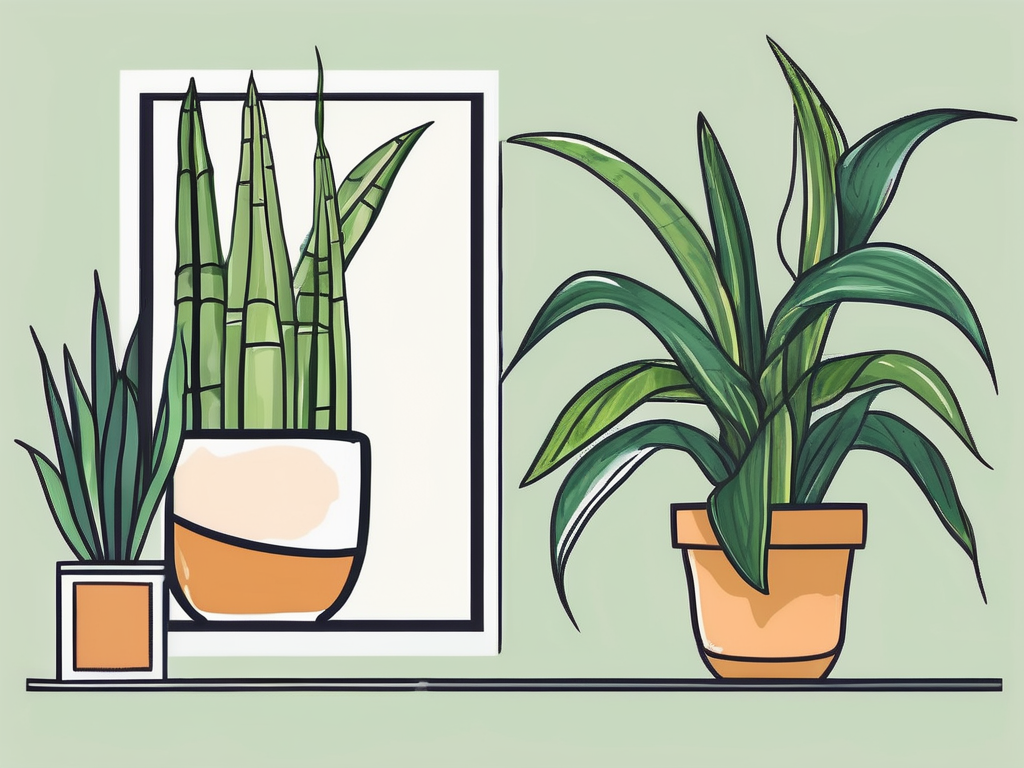
Arrowhead plants play well with others, so feel free to mix and match them with other houseplants. Pair them with plants that have contrasting leaf shapes or colors for a dynamic display. For example, a snake plant’s upright leaves can complement the arrowhead’s trailing vines.
You can also create a themed corner by grouping plants from the same region, like philodendrons or pothos, which share similar care requirements.
Don’t be afraid to experiment and have fun with your plant placement. After all, plants are all about bringing joy and life into your home!
Repotting Your Arrowhead Plant
Every plant needs a little extra room to grow, and your arrowhead plant is no exception. Here’s how to know when it’s time to repot and how to do it successfully.
When to Repot
A good rule of thumb is to repot your arrowhead plant every 1-2 years, or when you notice roots growing out of the drainage holes. Spring is the best time to repot, as the plant is entering its active growing season and can recover quickly from the stress.
Step-by-Step Repotting
Follow these steps to repot your plant:
- Choose a new pot: Select a pot that’s 1-2 inches larger in diameter than the current one, with adequate drainage.
- Prepare the soil: Use a fresh, well-draining potting mix as described earlier.
- Remove the plant: Gently loosen the plant from its current pot, taking care not to damage the roots.
- Prune the roots: Trim any dead or overly long roots to encourage healthy growth.
- Place in the new pot: Position the plant in the center of the new pot and fill in with soil, pressing down gently to eliminate air pockets.
- Water thoroughly: Give your plant a good drink to help settle the soil.
Repotting is a great opportunity to refresh your plant’s living conditions and give it the space it needs to flourish.
Final Thoughts
Arrowhead plants are a fantastic addition to any home, offering both beauty and a touch of greenery to brighten your space. With the right care, they’ll thrive and reward you with lush foliage and dynamic growth. Remember, the key to success is understanding your plant's needs and being attentive to any changes.
At Cafe Planta, we’re passionate about helping you find the perfect plants for your home. Whether you’re looking for unique and rare finds or just need some advice on plant care, we’re here for you. Feel free to reach out via email or connect with us on Instagram. Let’s grow together!