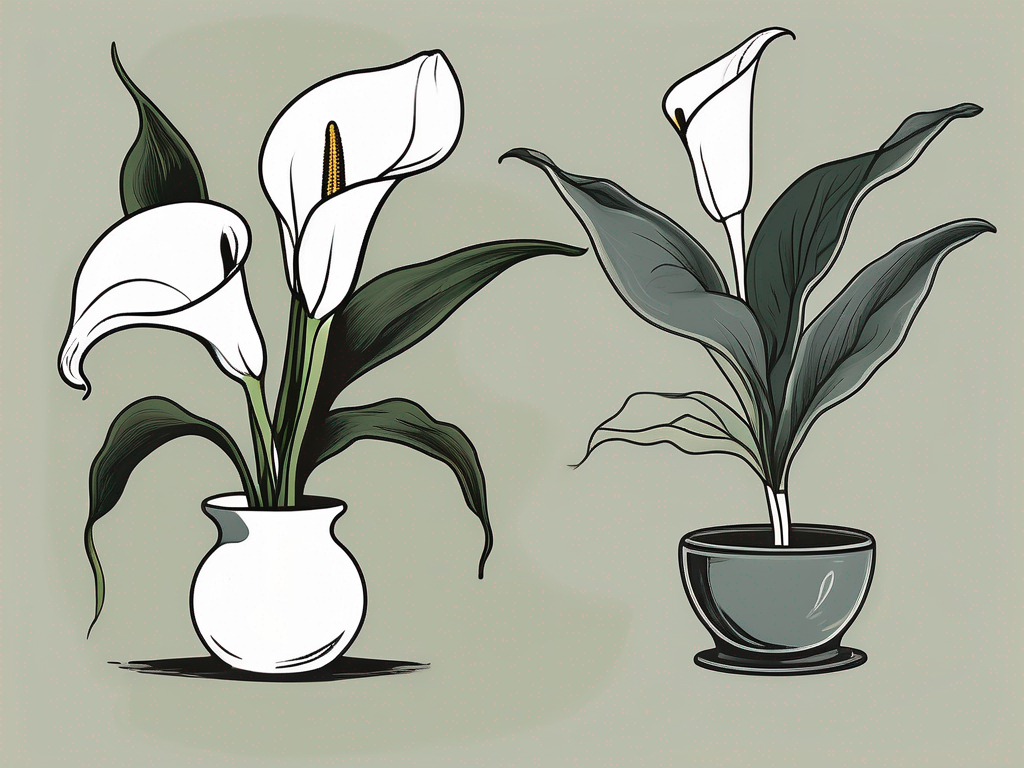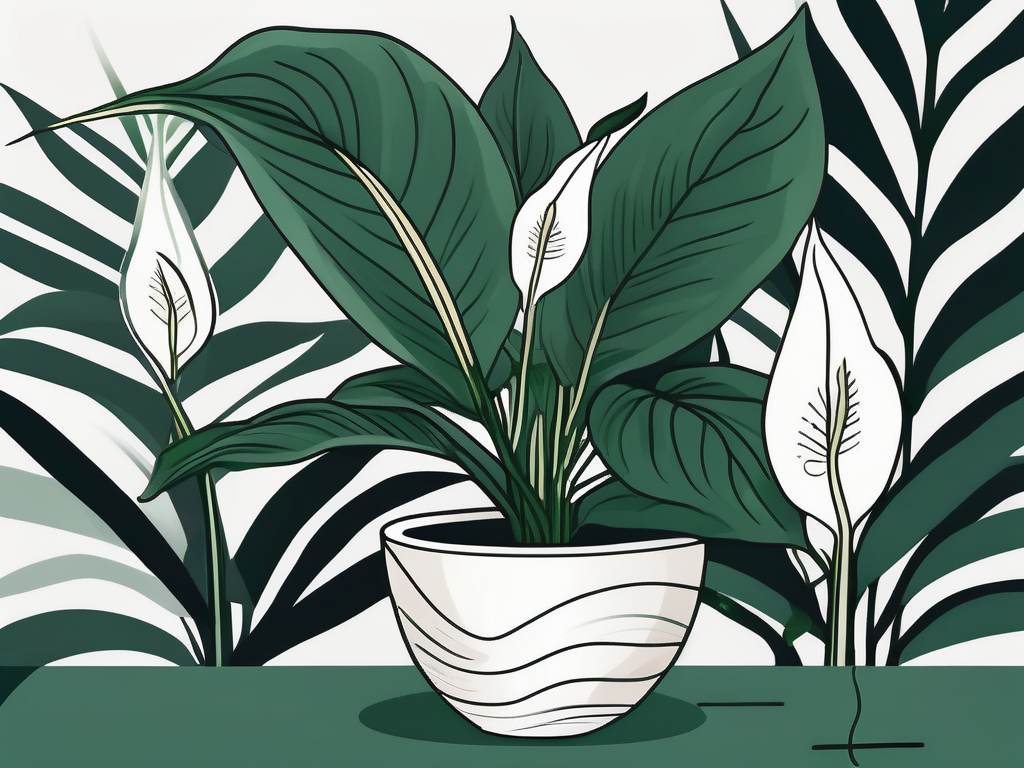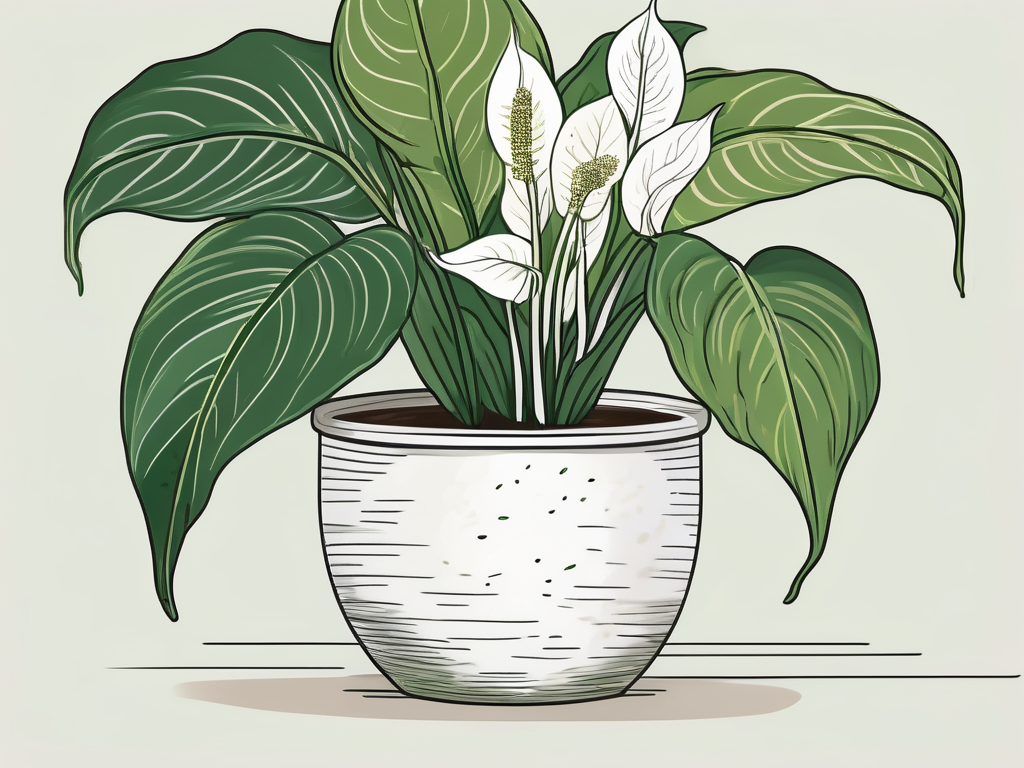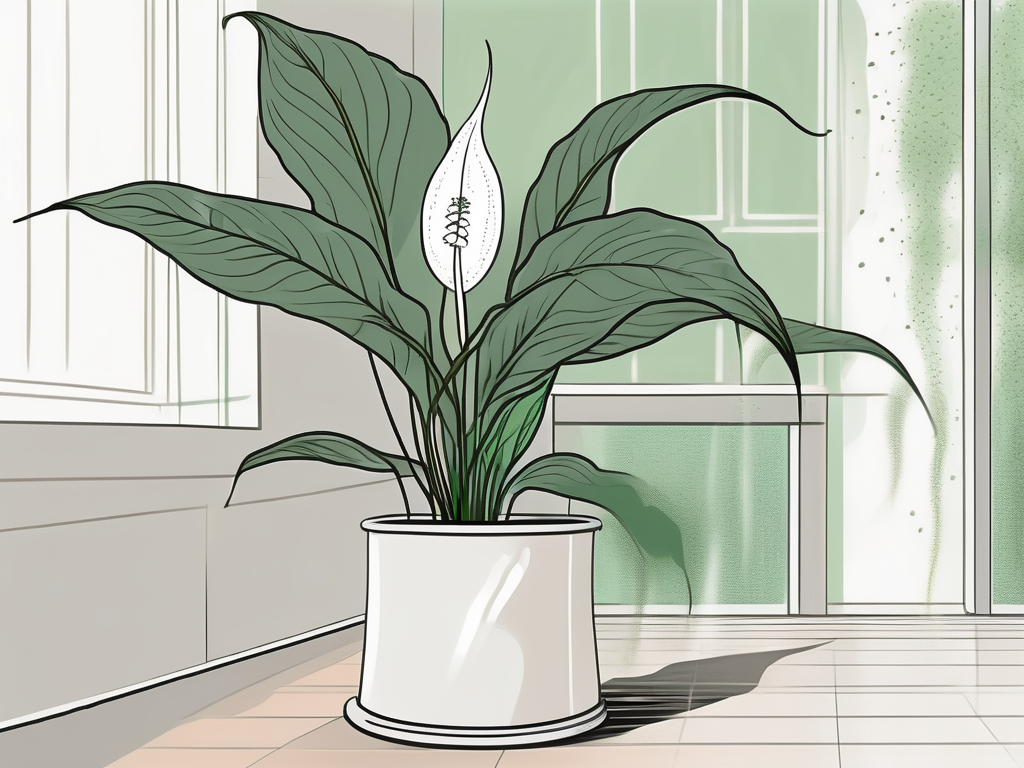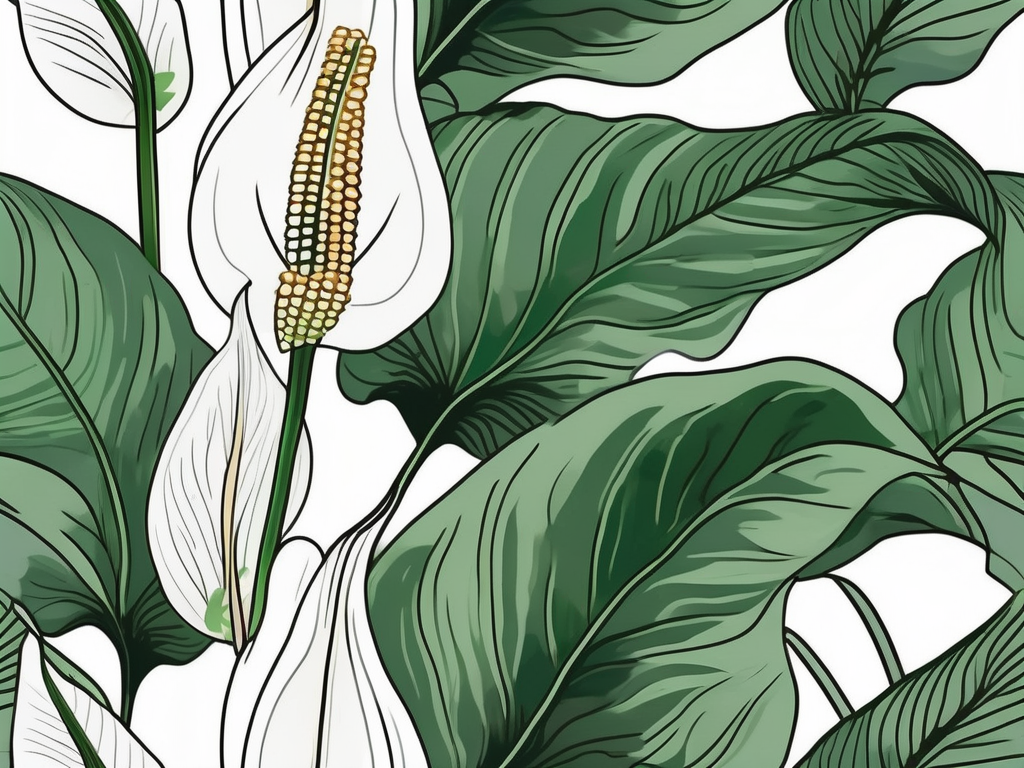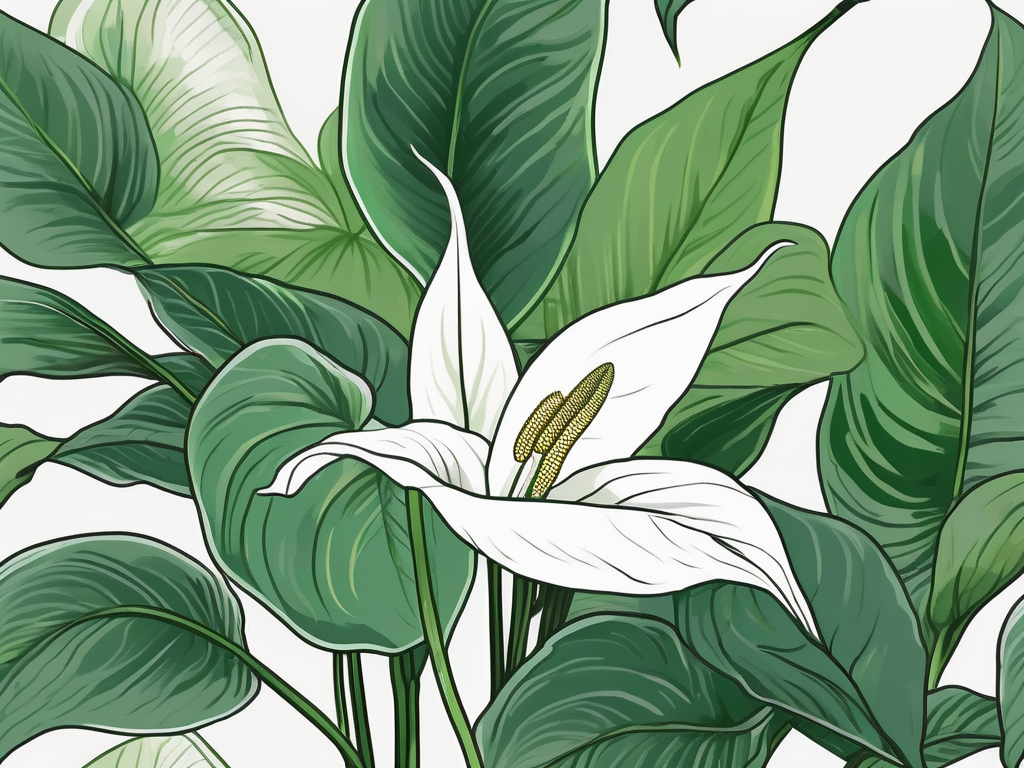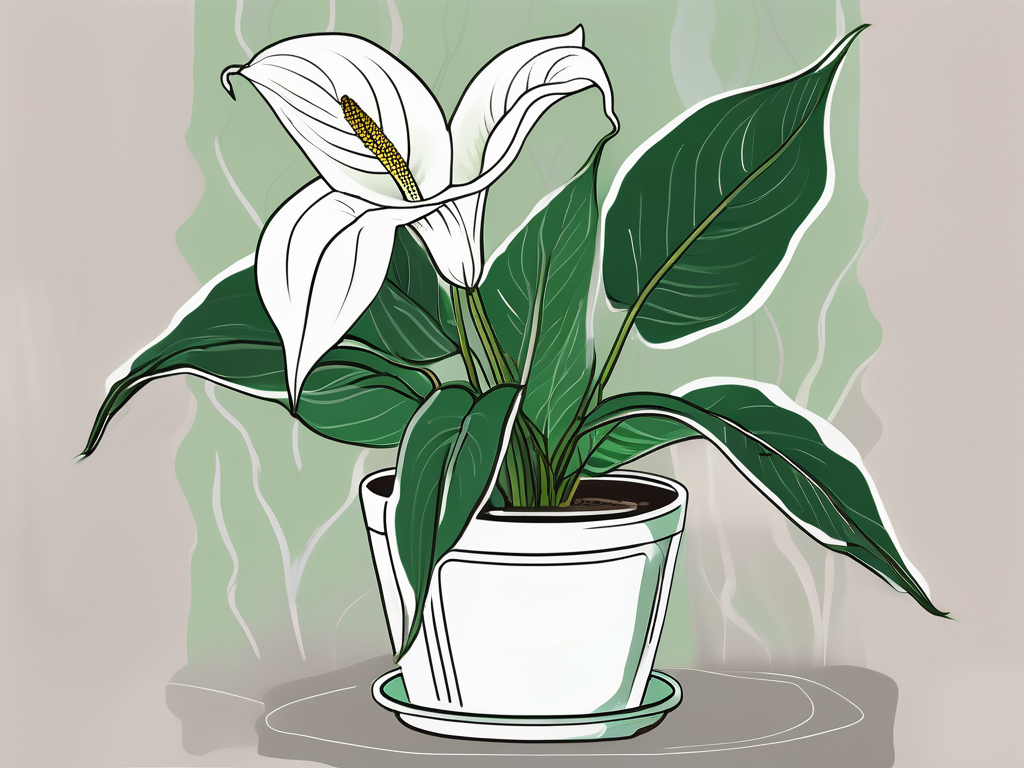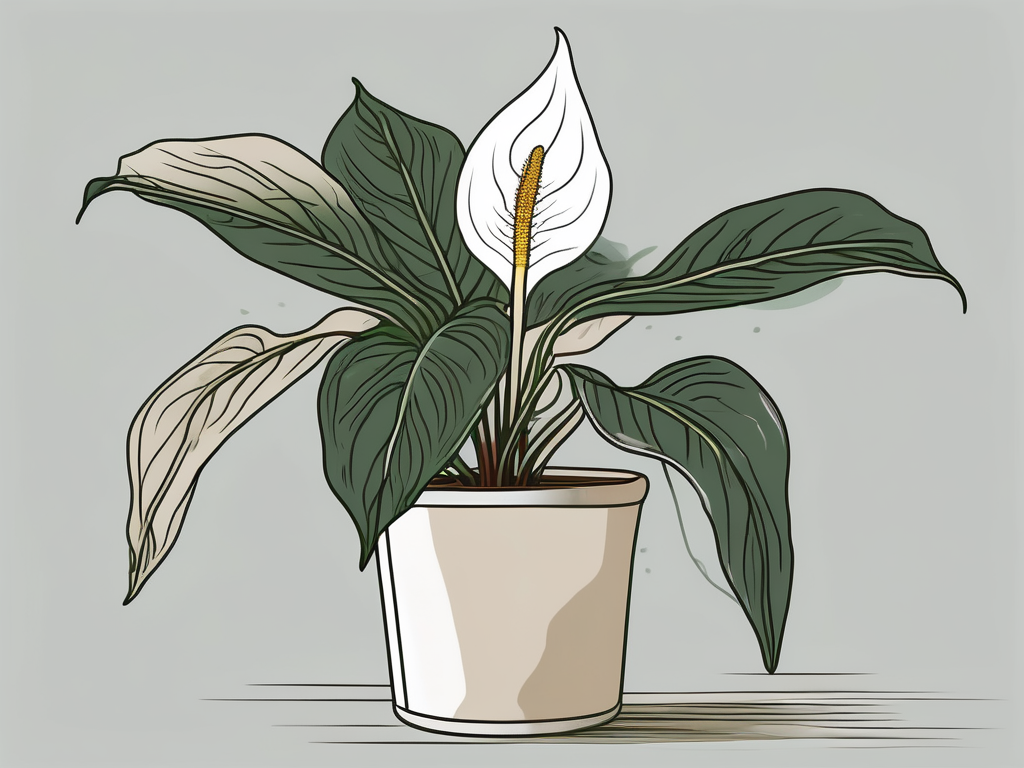
Peace lilies, with their glossy leaves and striking white blooms, are a popular choice for plant lovers. They not only add a touch of elegance to any room but also help purify the air. However, as beautiful as they are, many people wonder: Are peace lilies poisonous? It's a question worth exploring, especially if you have pets or young children at home.
In this article, we'll take a closer look at the potential toxicity of peace lilies, how you can safely enjoy them in your home, and tips for caring for these lovely plants. We'll also discuss how to incorporate them into your interior design and address common concerns about houseplants and safety.
Understanding Peace Lily Toxicity
To get straight to the point, yes, peace lilies are considered toxic to both humans and pets. But before you feel alarmed, let's break down what this means. The peace lily contains calcium oxalate crystals. When ingested, these crystals can cause irritation in the mouth and gastrointestinal tract. The reaction isn't usually severe, but it's definitely uncomfortable. Think of it as similar to the sensation of eating something really spicy, though not in a pleasant way.
For humans, this might manifest as a burning sensation in the mouth, difficulty swallowing, or an upset stomach. In pets, especially cats and dogs, the effects can be more pronounced. Symptoms in animals may include drooling, pawing at the mouth, vomiting, and decreased appetite. So, while not deadly, it's certainly something you'd want to prevent.
Interestingly enough, peace lilies aren't true lilies, which are much more dangerous to pets. This is good news if you're a cat lover, as true lilies can cause severe kidney damage in cats. With peace lilies, the main concern is more about discomfort than life-threatening symptoms. Still, it's always better to err on the side of caution and place your peace lily where curious pets or children can't reach it.
Safe Placement in Your Home
Knowing that peace lilies can cause irritation, it's important to consider where you'll place them in your home. While they're great for livening up a space, you don't want them to be easily accessible to your little ones or furry friends.
Here are some ideas for safe placement:
- High Shelves: Place your peace lily on a high shelf where pets can't climb and children can't reach. It adds height and greenery to your room, making it look more vibrant.
- Hanging Baskets: Consider using hanging baskets to keep peace lilies up and out of reach. This not only keeps them safe but also adds an interesting visual element to your decor.
- Window Sills: If you have a deep window sill, a peace lily can thrive there while being safely out of reach.
The key is to think vertically. Make use of the upper spaces in your home, which are often underutilized. Not only does this help with safety, but it also makes your space feel more dynamic and layered.
Care Tips for Thriving Peace Lilies
Now that you know where to place your peace lily, let's talk about keeping it happy and healthy. These plants are relatively low-maintenance, which makes them a favorite among plant people.
Watering
Peace lilies prefer to be kept moist but not soggy. Water them when the top inch of soil feels dry to the touch. Overwatering can lead to root rot, so be cautious not to let them sit in water. If you're unsure, it's better to underwater than overwater.
Light
These plants do well in indirect light, making them perfect for rooms that don't get a lot of direct sunlight. Too much direct sunlight can scorch their leaves, so keep them out of the direct sun.
Temperature and Humidity
Peace lilies thrive in temperatures between 65°F and 85°F. They also appreciate a bit of humidity, so if your home is particularly dry, consider misting the leaves occasionally or placing a humidifier nearby.
With these tips, your peace lily should thrive and continue to be a beautiful addition to your home for years to come.
Incorporating Peace Lilies into Your Interior Design
Peace lilies are not just easy to care for; they are also incredibly versatile when it comes to home decor. Their lush, dark green leaves and elegant white flowers can complement a wide range of interior styles, from minimalist to bohemian.
Here are a few design ideas:
- Modern Minimalism: Pair your peace lily with a sleek, modern planter. The contrast between the plant's organic shape and the clean lines of a modern pot can add a touch of sophistication to any room.
- Boho Chic: Combine your peace lily with other houseplants of varying heights and textures. Use baskets or rustic pots to create a laid-back, earthy vibe.
- Classic Elegance: Place your peace lily in a decorative ceramic pot and position it in a more formal area of your home, like the living room or dining room. The plant's natural beauty adds a touch of elegance without overwhelming the space.
Regardless of your style, peace lilies are a great way to bring a touch of nature indoors. They can serve as a focal point in a room or blend seamlessly with other decor elements.
Dealing with Common Concerns
While peace lilies are relatively easy to care for, like any plant, they can sometimes present challenges. Here are a few common issues and how to address them:
Yellowing Leaves
If you notice the leaves of your peace lily turning yellow, it could be a sign of overwatering. Make sure the soil is not constantly wet and that the pot has good drainage. Allow the top inch of soil to dry out before watering again.
Brown Leaf Tips
Brown tips on leaves can be caused by a variety of factors, including low humidity, over-fertilization, or even tap water with high chlorine content. Try increasing humidity, reducing fertilizer use, and using filtered water when watering your plant.
Pests
While peace lilies aren't prone to pests, they can occasionally attract aphids or spider mites. If you notice these pests, wipe the leaves with a damp cloth or use a gentle insecticidal soap to treat the plant.
By addressing these issues promptly, you can keep your peace lily healthy and looking its best.
Safety Precautions for Pet Owners
If you're a pet owner, you're probably wondering how to keep your pets safe while enjoying the beauty of peace lilies. Here are some practical tips:
- Training: Train your pets to stay away from plants. Use positive reinforcement techniques to teach them that plants are off-limits.
- Pet Deterrents: Consider using pet deterrents, such as sprays or barriers, to keep curious pets at bay.
- Pet-Friendly Plants: In addition to keeping peace lilies out of reach, you might want to consider adding some non-toxic plants to your collection, such as spider plants or Boston ferns, which are safe for pets.
By taking these precautions, you can create a safe environment for your pets and enjoy the benefits of having peace lilies in your home.
The Benefits of Houseplants
Beyond their aesthetic appeal, peace lilies and other houseplants offer numerous benefits. They can help improve air quality by filtering out harmful toxins and increasing humidity in your home. This can be especially beneficial during the dry winter months when indoor air can become quite dry.
Houseplants also have a calming effect and can help reduce stress levels. There's something soothing about having a bit of nature indoors, and caring for plants can be a rewarding and therapeutic activity.
Additionally, houseplants like peace lilies can boost creativity and productivity. Having greenery around your workspace might just give you the inspiration you need to tackle that next big project.
Creating a Plant-Friendly Home
If you're looking to bring more peace lilies or other houseplants into your home, consider creating a plant-friendly environment. This means more than just having a few pots scattered around.
Think about how you can incorporate plants into every room. Maybe a small peace lily on your bathroom counter or a larger one as a statement piece in your living room. Use plants to fill empty corners or to create visual interest with varying heights and textures.
Don't be afraid to mix and match different types of plants. Combining different leaf shapes, sizes, and colors can create a lush, vibrant look that feels both intentional and natural.
By thoughtfully incorporating plants into your home, you can create a space that feels alive and welcoming. Plus, you'll enjoy the added benefits of cleaner air and a more peaceful atmosphere.
Final Thoughts
In summary, while peace lilies are slightly toxic, they're not as dangerous as some other houseplants. With proper placement and care, they can be a beautiful and safe addition to your home. Remember to keep them out of reach of pets and children and enjoy their beauty and air-purifying benefits.
At Cafe Planta, we believe in the power of plants to bring joy and connection. If you have questions about plant care or are looking to expand your collection, feel free to reach out to us via email or on our Instagram. We're here to help you create a beautiful, thriving plant-filled home.