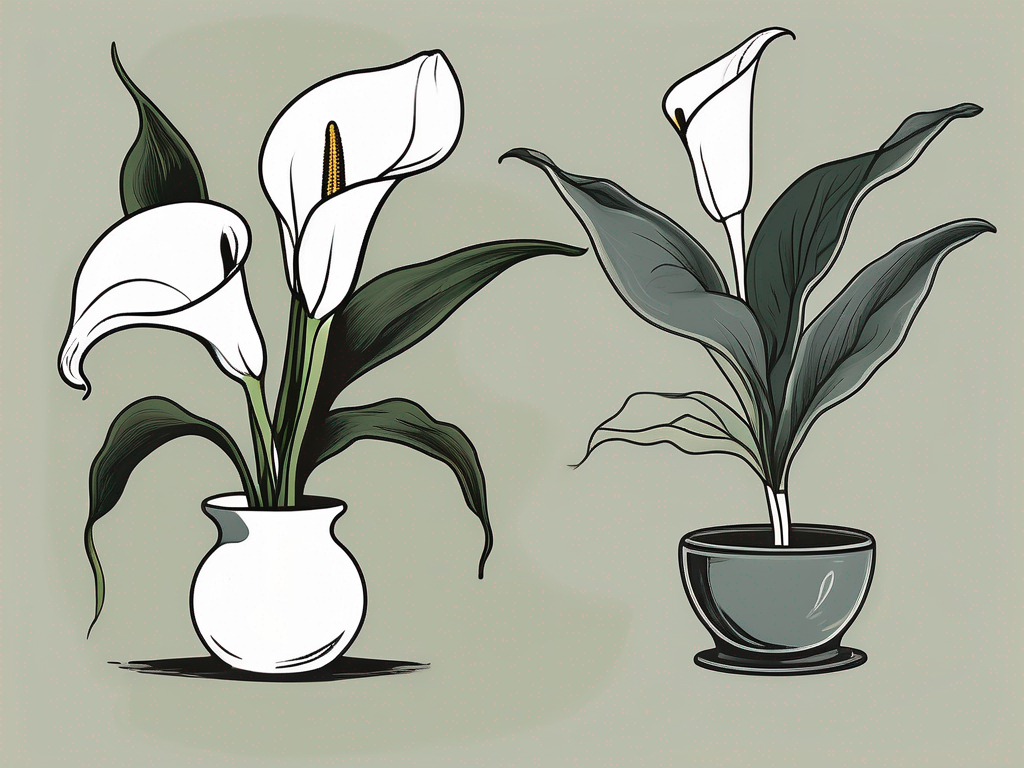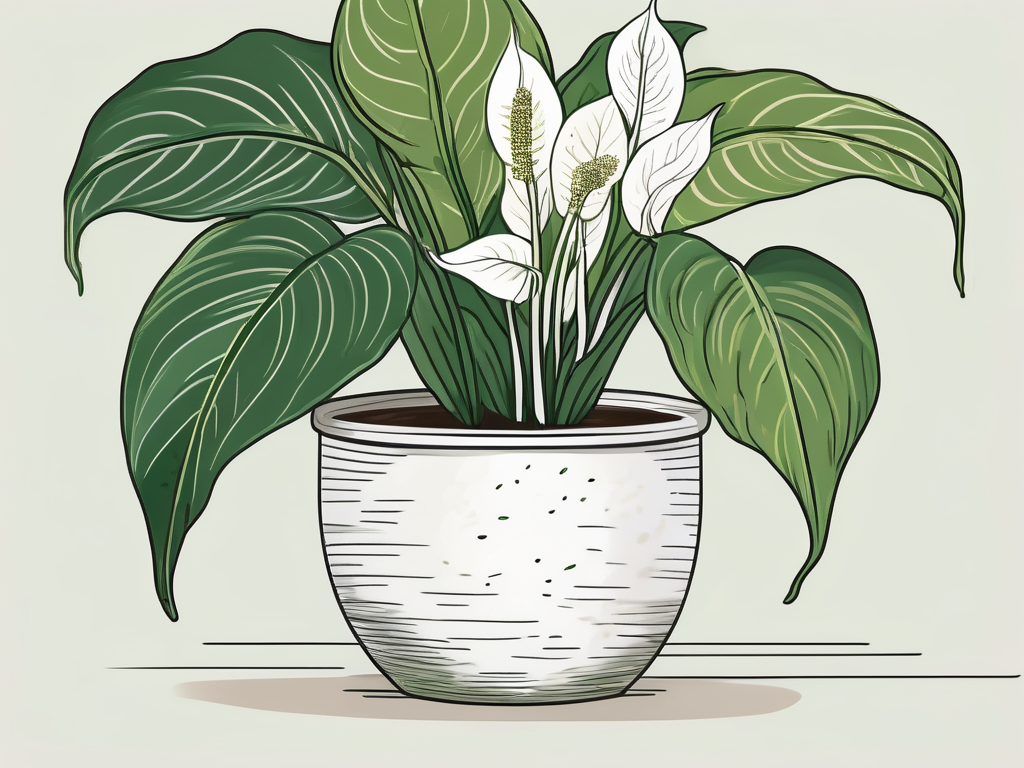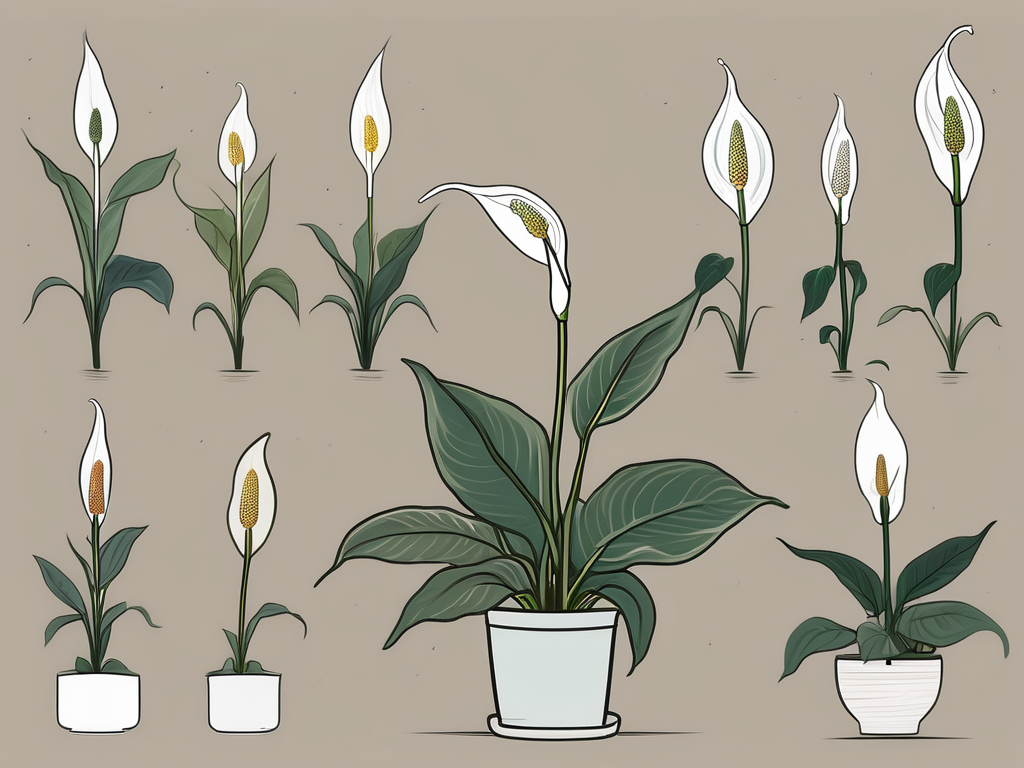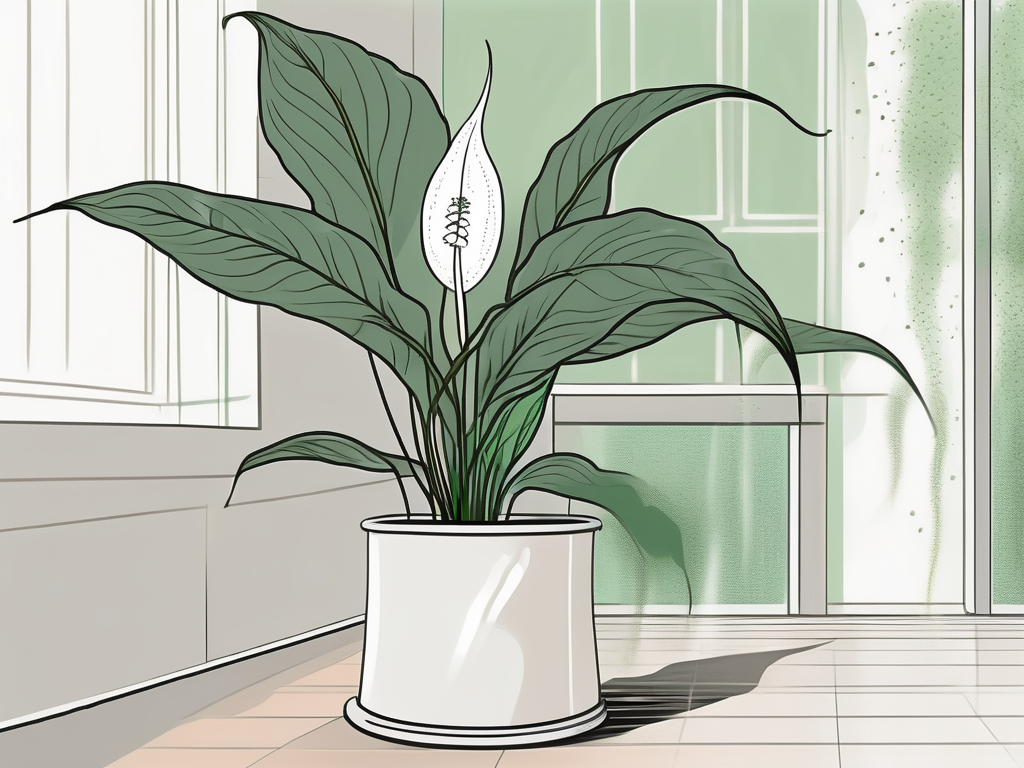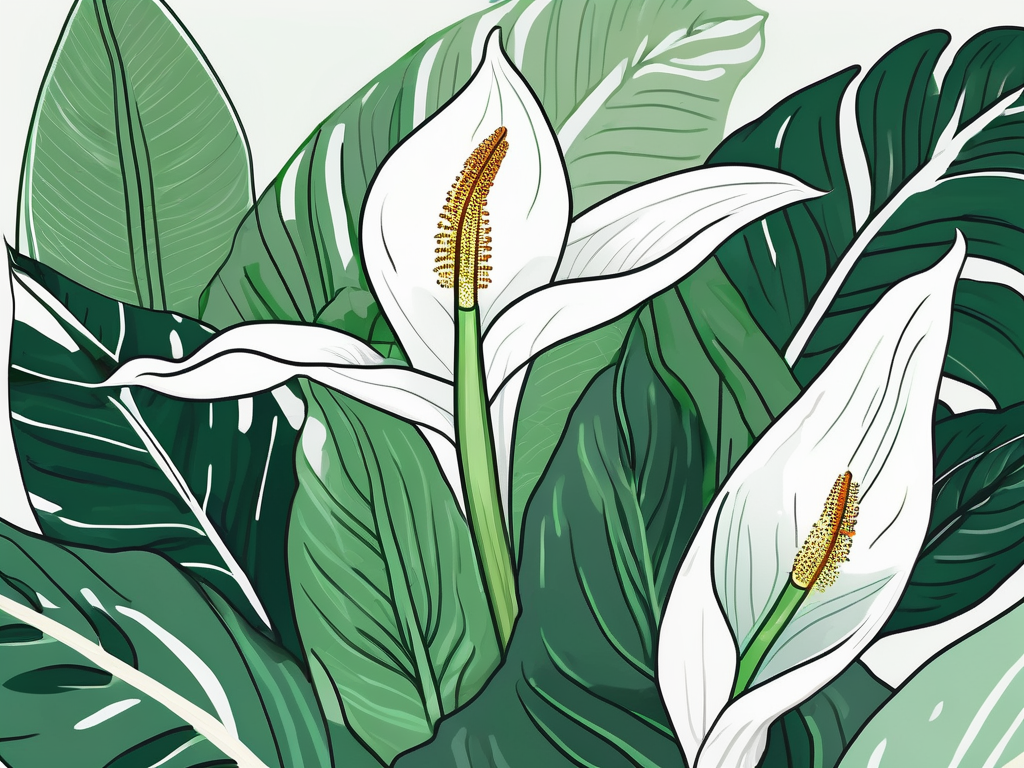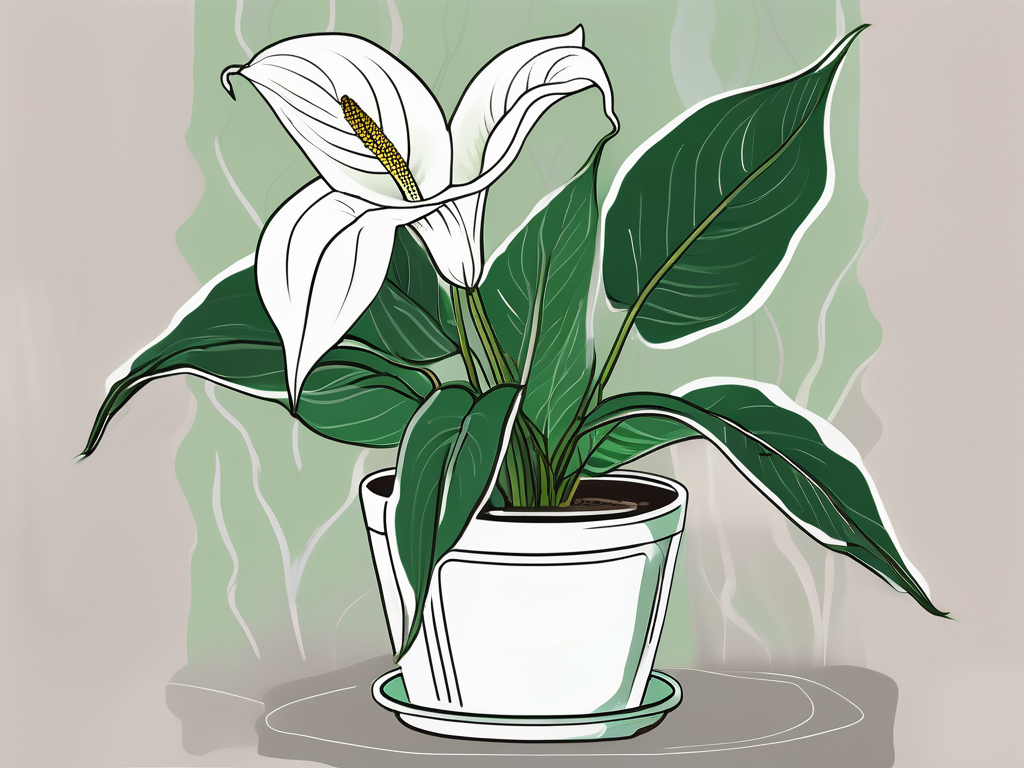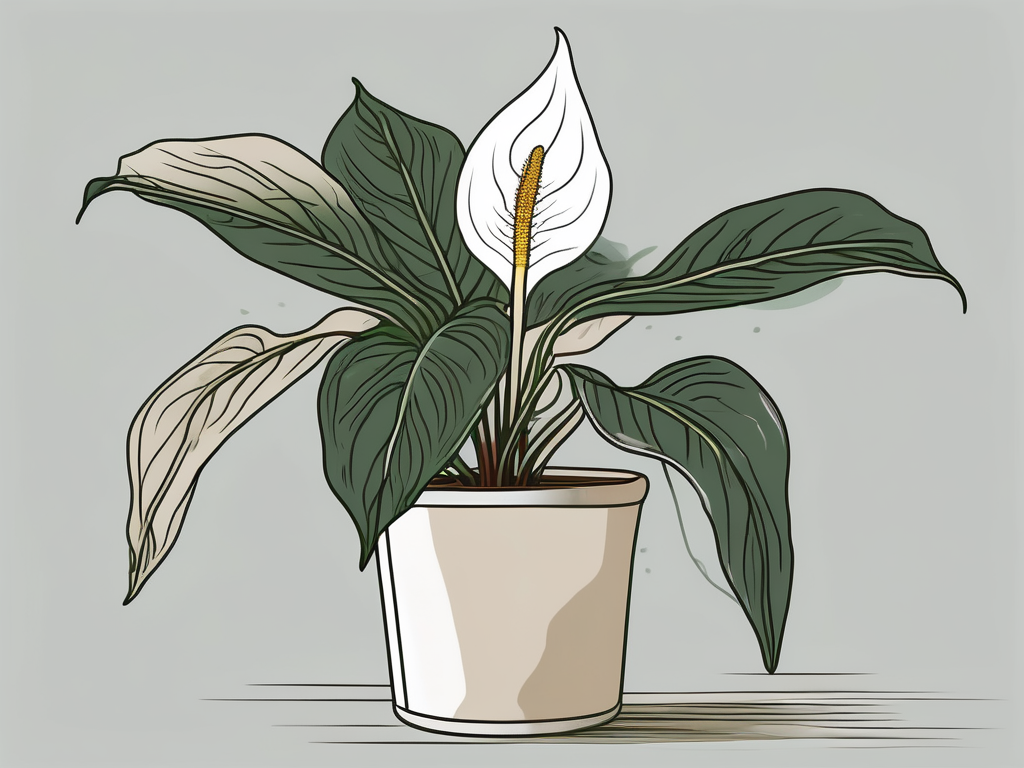
The peace lily, with its graceful white blooms and deep green leaves, is more than just a pretty face in the plant world. Known for its air-purifying abilities, this plant has become a beloved staple in homes and offices alike. But what exactly makes the peace lily so powerful?
In this article, we'll explore the peace lily's remarkable benefits, including its air-purifying prowess and how it fits into your interior design. We'll also cover essential care tips, discuss common challenges, and share ideas for incorporating this plant into your space. Whether you're a seasoned plant parent or just starting, there's something here for you.
The Air-Purifying Benefits of Peace Lily
Did you know that the peace lily is a natural air purifier? This plant has the impressive ability to remove toxins like formaldehyde, benzene, and ammonia from the air, making it a fantastic choice for improving indoor air quality. According to a famous NASA study on indoor plants, the peace lily is one of the top houseplants for filtering out these harmful substances.
But how does it do this? The peace lily's leaves absorb pollutants and convert them into harmless substances through a process called phytoremediation. Essentially, the plant takes in the bad stuff and releases clean, fresh air. It's like having a little air purifier that also looks fantastic on your bookshelf or coffee table.
For those living in urban areas or places with poor air quality, incorporating a few peace lilies into your home can make a noticeable difference. And even if you're not concerned about air quality, having a peace lily around adds a touch of serenity and beauty to any room.
Choosing the Right Spot for Your Peace Lily
When it comes to placing your peace lily, location is key. These plants love bright, indirect light, which mimics their natural habitat on the forest floor. However, they're quite adaptable and can tolerate lower light conditions, making them ideal for offices or rooms with fewer windows.
Here are a few tips for choosing the perfect spot:
- Bright, Indirect Light: Place your peace lily near a window with filtered light. Avoid direct sunlight, as it can scorch the leaves.
- Temperature: Keep the plant in a room with temperatures between 65-85°F. Peace lilies don't like the cold, so avoid drafty areas.
- Humidity: Peace lilies thrive in humidity, so consider placing them in a naturally humid room like a bathroom or use a humidity tray.
As a personal anecdote, I once placed my peace lily on a sunny windowsill, thinking it would love the light. To my surprise, the leaves started turning brown at the edges. After moving it to a shadier spot, it perked up within days. So, don't be afraid to experiment with different locations until you find the sweet spot for your plant.
Potting and Soil Needs
The right pot and soil can make all the difference for your peace lily's health and growth. These plants prefer a pot with good drainage and soil that retains moisture without becoming waterlogged.
Here's a simple guide to getting it right:
- Choose a Pot with Drainage Holes: This prevents overwatering, which is the most common cause of peace lily woes.
- Use a Well-Draining Soil Mix: A standard potting mix with a bit of perlite or sand works wonders for drainage.
- Repotting: Peace lilies don't mind being a bit root-bound. Repot every 1-2 years, or when you notice roots coming out of the drainage holes.
If you're new to potting plants, don't worry! The process is quite straightforward. Just remember to water your lily thoroughly after repotting, as this helps settle the soil and reduces transplant shock.
Watering Your Peace Lily
Watering can be a bit of a balancing act, but once you get the hang of it, your peace lily will thrive. These plants like their soil to be consistently moist but not soggy.
Here are some watering tips:
- Water When the Top Inch is Dry: Stick your finger in the soil to check. If it's dry an inch down, it's time to water.
- Watch for Drooping Leaves: Peace lilies are good communicators. If the leaves droop, they need a drink. They'll perk up within a few hours!
- Avoid Overwatering: Too much water can lead to root rot. Ensure excess water drains away.
Interestingly enough, peace lilies can be forgiving if you forget to water them once in a while. I once left mine for a week during a vacation, and while it drooped dramatically, it bounced back beautifully with a good soak.
Fertilizing for Growth
Fertilizing helps your peace lily grow strong and produce those lovely blooms. However, these plants are not heavy feeders, so a little goes a long way.
Here's how to fertilize effectively:
- Use a Balanced Liquid Fertilizer: A 20-20-20 fertilizer works well. Dilute it to half strength to avoid over-fertilizing.
- Fertilize Monthly: During the growing season (spring and summer), fertilize once a month. Skip fertilizing in winter when growth slows.
- Watch for Signs of Over-Fertilizing: Yellowing leaves can indicate too much fertilizer. If this happens, flush the soil with water to remove excess nutrients.
Remember, peace lilies are quite low-maintenance when it comes to fertilizing. If you're unsure, it's better to under-fertilize than to overdo it.
Dealing with Common Pests and Problems
Like many houseplants, peace lilies can occasionally face pests or issues. But don't worry, most problems are easy to resolve with a bit of attention.
Here are some common challenges and solutions:
- Spider Mites and Aphids: Wipe leaves with a damp cloth and use insecticidal soap if needed.
- Yellowing Leaves: This could be a sign of overwatering or nutrient deficiency. Adjust watering habits and check for proper drainage.
- Brown Leaf Tips: Often caused by low humidity or too much direct sunlight. Increase humidity or move to a shadier spot.
If you notice any unusual changes in your plant, don't panic! Keep an eye on it and make adjustments as needed. Most peace lilies bounce back with a bit of TLC.
Incorporating Peace Lily into Your Interior Design
The peace lily isn't just a hard worker; it's also a beautiful addition to any interior space. Its elegant leaves and striking flowers can complement various decor styles, from modern minimalism to cozy bohemian.
Here are some design ideas:
- Standalone Statement: Let your peace lily shine in a decorative pot on a shelf or table.
- Grouped with Other Plants: Create a lush, green corner by grouping it with other houseplants like pothos or ferns.
- Bathroom Beauty: Place it in a bathroom for a touch of greenery where it can enjoy the humidity.
As a plant lover, I enjoy changing up my home decor with the seasons. The peace lily fits in perfectly, whether I'm going for a fresh spring look or a cozy fall vibe. Its versatility in design is just one more reason to love this plant.
Propagating Your Peace Lily
Once you've mastered caring for your peace lily, you might want to try propagating it. Fortunately, peace lilies are relatively easy to propagate through division.
Here's a simple step-by-step guide:
- Choose a Mature Plant: Look for one with several clumps of leaves, indicating it's ready to be divided.
- Remove from Pot: Gently take the plant out of its pot and shake off excess soil.
- Separate Clumps: Use your hands to carefully separate the root ball into smaller sections, each with a few leaves and roots.
- Repot the Divisions: Plant each clump in its own pot with fresh soil, water thoroughly, and place in a suitable spot.
Propagation can be a rewarding experience, allowing you to share the joy of peace lilies with friends or expand your collection. Plus, who doesn't love more plants?
Final Thoughts
The peace lily is truly a powerhouse plant, offering beauty and air-purifying benefits all wrapped in one. From choosing the right spot to tackling common issues, caring for a peace lily is an enjoyable journey with rewarding results.
At Cafe Planta, we're all about sharing our love for plants. If you have questions or need advice, feel free to email us or drop a message on Instagram. We're here to help you create a thriving plant collection that brings joy and serenity to your home.