If you've ever found yourself enchanted by the unique and mesmerizing appearance of the Fishtail Hoya, you're not alone. With its distinctive foliage that resembles a fish's tail and its charming blooms, this plant has captured the hearts of many plant lovers. But as with any plant, proper care is essential to keep it thriving and growing beautifully in your home.
In this guide, we'll take you through everything you need to know about caring for your Fishtail Hoya, from ideal lighting conditions to watering tips and pest management. Whether you're a seasoned plant parent or just starting out, you'll find practical advice and insights to help your Fishtail Hoya flourish.
Understanding the Fishtail Hoya
The Fishtail Hoya, also known as Hoya polyneura, is a member of the Hoya family, well-loved for its distinctive, fishtail-shaped leaves. This plant hails from the forests of Southeast Asia, where it naturally grows as an epiphyte, meaning it often lives on other plants without drawing nutrients from them. It’s a fascinating plant that can add a touch of the exotic to your interior spaces.
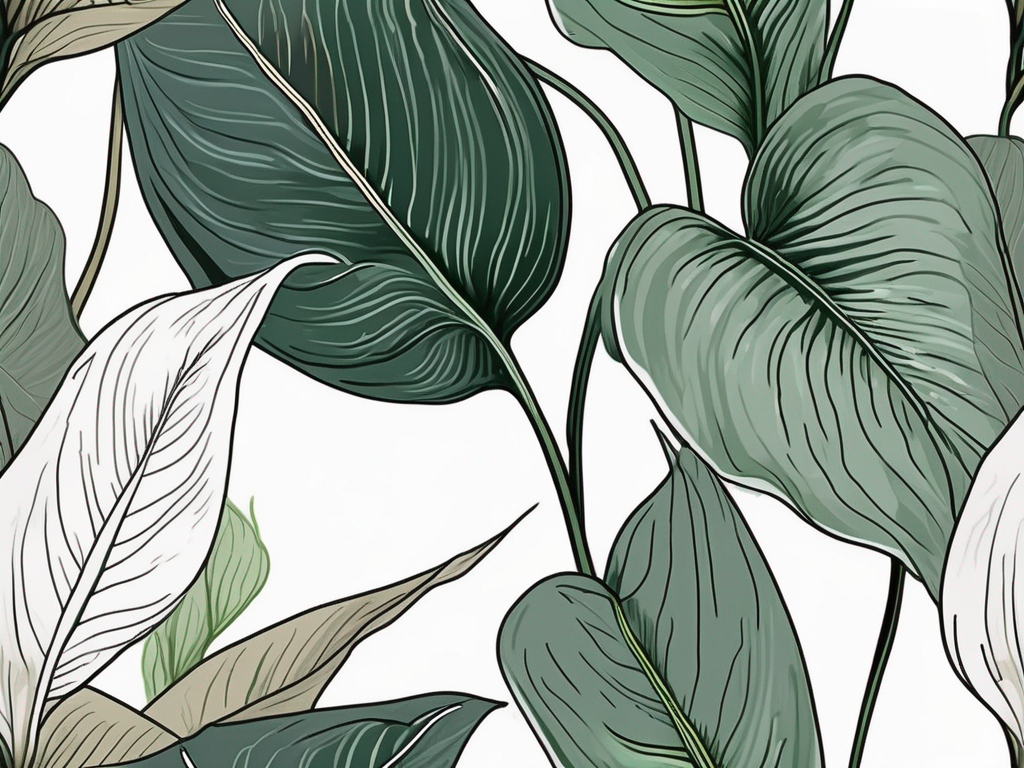
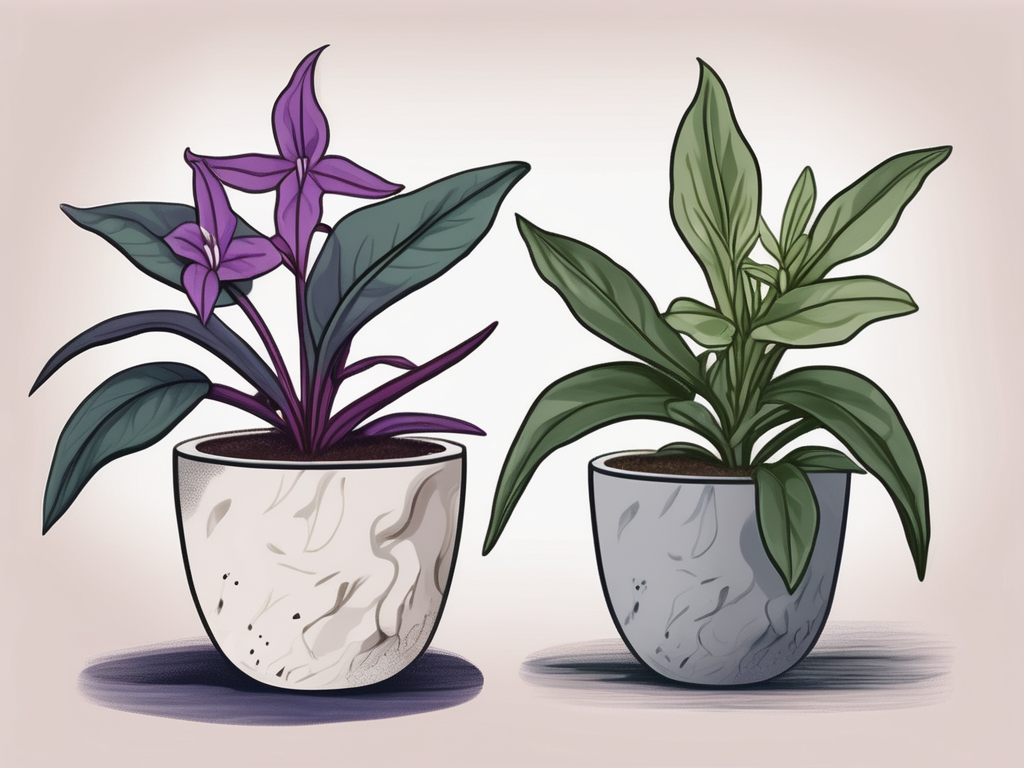
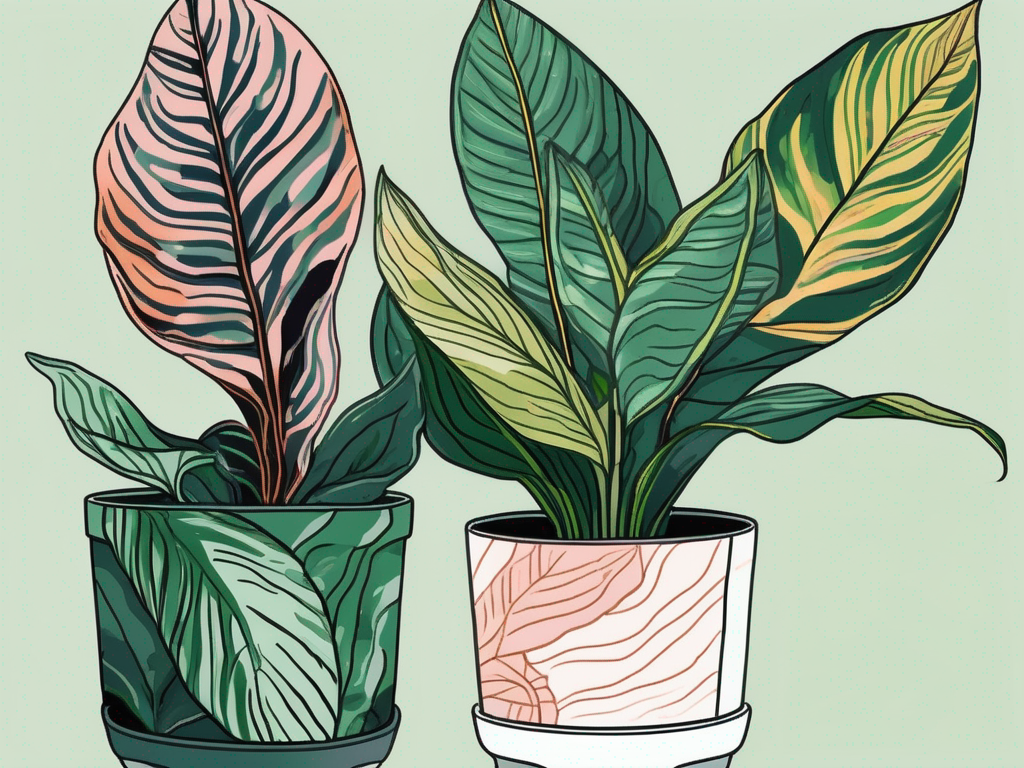
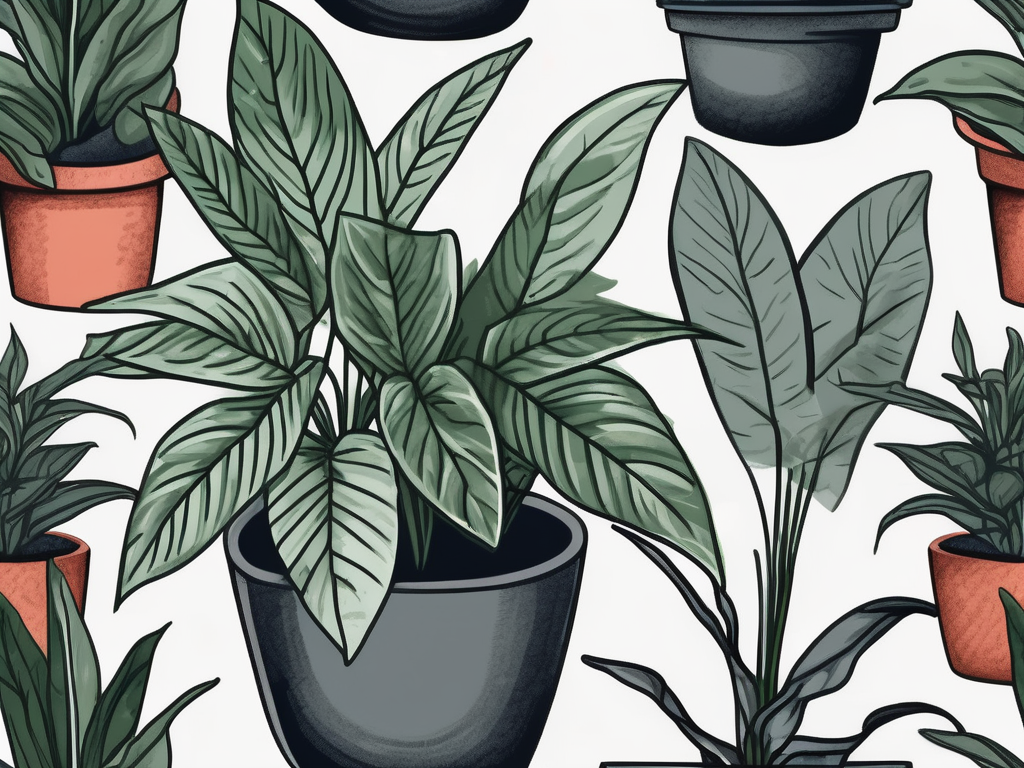
One of the things that makes the Fishtail Hoya so appealing is its unique leaf structure. The leaves are elongated and have a pronounced vein pattern that resembles a fishtail, hence the name. When it blooms, it produces clusters of small, star-shaped flowers that emit a pleasant fragrance. While it might sound daunting to care for such an exotic beauty, you'll find it surprisingly low-maintenance once you understand its needs.
Despite its exotic origins, the Fishtail Hoya is relatively easy to care for if you mimic its natural environment. This means providing it with the right amount of light, humidity, and water. With a little attention and care, this plant can become a stunning addition to your home.
Lighting Requirements
When it comes to lighting, the Fishtail Hoya is quite specific in its preferences. This plant thrives in bright, indirect light, which mimics the dappled sunlight it receives in its natural habitat. Too much direct sunlight can scorch its leaves, while too little light can hinder its growth and flowering.
To provide the best lighting conditions, consider placing your Fishtail Hoya near a window with filtered light, such as a sheer curtain. East-facing windows are an excellent choice because they offer bright morning light without the harsh afternoon sun. If you only have south or west-facing windows, keep the plant at a distance to prevent leaf burn.
Interestingly enough, the Fishtail Hoya can adapt to lower light conditions, but this might slow its growth and reduce its chances of flowering. If you notice your plant's growth is stunted or the leaves are losing their vibrant green color, it might be time to adjust its lighting situation. Consider using a grow light if natural light is insufficient, especially during the darker months of the year.
Watering Tips
Watering the Fishtail Hoya can be a bit of a balancing act, but it's nothing you can't handle with a bit of practice. This plant prefers to dry out between waterings, so it's essential not to overwater. Overwatering can lead to root rot, a common issue for Hoyas.
The best way to determine when to water is to check the top inch of soil. If it feels dry to the touch, it's time to water. When watering, do so thoroughly until you see water draining out of the bottom of the pot. This ensures that the roots get enough moisture without sitting in water, which can lead to root rot.
On the other hand, consistent underwatering can also stress the plant, leading to yellowing leaves and poor growth. During the growing season, which typically runs from spring through summer, you may need to water more frequently. In contrast, reduce watering during the fall and winter months when the plant's growth slows down.
Soil and Potting
The right soil can make all the difference for your Fishtail Hoya. Since this plant is epiphytic, it prefers a light, well-draining mix that resembles its natural growing conditions. A standard potting mix might be too dense, retaining too much moisture, which can harm the plant.
For the best results, consider creating a custom mix using the following ingredients:
- One part orchid bark
- One part perlite or pumice
- One part high-quality potting soil
This combination ensures that the soil is airy and drains well, preventing water from sitting at the roots. If you're not up for mixing your own, look for a commercial orchid mix and amend it with perlite or pumice for added drainage.
When it comes to potting, choose a container with drainage holes to allow excess water to escape. Over time, your Fishtail Hoya will outgrow its pot, and you'll need to repot it. Typically, this is every two to three years, or when you notice the roots starting to circle the pot.
Temperature and Humidity
Fishtail Hoyas are tropical plants, so they thrive in warm and humid conditions. They prefer temperatures between 60°F and 80°F (15°C to 27°C). While they can tolerate slightly cooler temperatures, they are not frost-hardy and should be kept away from cold drafts or sudden temperature changes.
Humidity is another crucial factor for the health of your Fishtail Hoya. These plants enjoy higher humidity levels, which can be a challenge in some indoor environments, especially during winter months when heating systems dry out the air. Ideally, aim for a humidity level of 40-60%.
To boost humidity, you can:
- Use a humidifier to maintain consistent humidity levels.
- Place a tray of water near the plant to increase moisture through evaporation.
- Mist the plant lightly, although this offers only temporary relief.
By keeping your Fishtail Hoya in a warm, humid spot, you'll help it thrive and encourage those delightful blooms.
Fertilizing Your Fishtail Hoya
Feeding your Fishtail Hoya is essential for its growth and flowering. During the active growing season, from spring to late summer, feeding your plant will provide the nutrients it needs to flourish. A balanced, water-soluble fertilizer is a great choice, applied every four to six weeks.
When choosing a fertilizer, look for one with equal parts nitrogen, phosphorus, and potassium (such as a 10-10-10 formula). This ensures balanced growth without promoting too much foliage at the expense of flowers. Dilute the fertilizer to half-strength to avoid overfeeding, which can lead to nutrient burn.
During the fall and winter months, reduce or stop fertilizing altogether as the plant's growth naturally slows down. This rest period mimics its natural cycle and helps the plant conserve energy for the next growing season.
Pest Management
Like any houseplant, the Fishtail Hoya can occasionally fall victim to pests. Common culprits include spider mites, mealybugs, and aphids. Regularly inspecting your plant will help you catch these invaders early, making them easier to manage.
If you spot pests, try the following methods:
- Manual removal: Use a damp cloth or cotton swab dipped in alcohol to remove pests from the leaves.
- Insecticidal soap: A gentle option that can help control infestations without harming the plant.
- Neem oil: A natural pesticide that can be sprayed on the plant to deter and eliminate pests.
Keeping your Fishtail Hoya clean by wiping its leaves and maintaining good air circulation can also help prevent pest infestations. Remember, a healthy plant is less likely to be affected by pests, so regular watering, feeding, and care are your best defenses.
Pruning and Propagation
Pruning your Fishtail Hoya helps maintain its shape and encourages new growth. Trim back any dead or yellowing leaves, and remove any stems that appear leggy or overgrown. Pruning also promotes airflow around the plant, reducing the risk of disease.
When it comes to propagation, Fishtail Hoyas are fairly easy to propagate through stem cuttings. Here's a simple method:
- Choose a healthy stem with at least two nodes (the part of the stem where leaves grow).
- Cut the stem just below a node using clean scissors or pruning shears.
- Remove the leaves from the bottom node, leaving at least one or two leaves at the top.
- Dip the cut end in rooting hormone to encourage root growth (optional).
- Place the cutting in a pot with a well-draining soil mix or water it until roots develop.
Keep the soil or water slightly moist and provide bright, indirect light to help your cutting root. Once the roots are well-established, you can transplant the cutting into a pot with the same soil mix you use for mature Fishtail Hoyas.
Creating a Beautiful Indoor Space with Fishtail Hoya
Your Fishtail Hoya can be more than just a pretty plant; it can be a standout feature in your home decor. With its cascading vines and unique leaves, it complements a variety of interior styles, from modern minimalism to bohemian chic.
Here are some ideas for incorporating your Fishtail Hoya into your living space:
- Hanging Baskets: Use a hanging basket to display your Hoya's trailing vines. This not only saves space but also creates a stunning visual effect.
- Window Shelves: If you have a sunny window, install a shelf to showcase your Hoya along with other sun-loving plants. This creates a mini indoor garden and maximizes light exposure.
- Macrame Plant Hangers: Add a touch of bohemian flair by using a macrame hanger to suspend your Hoya. This adds texture and interest to your decor.
The Fishtail Hoya's versatility and aesthetic appeal make it a great choice for plant people looking to add a bit of greenery to their homes. Its unique appearance can be a conversation starter and a source of pride for any plant parent.
Final Thoughts
Caring for a Fishtail Hoya can be a rewarding experience, offering both the challenge of maintaining its environment and the joy of watching it thrive. With the right care, your Hoya will reward you with lush growth and beautiful blooms.
At Cafe Planta, we love helping plant lovers find the perfect plants and care accessories. If you have questions or need advice, feel free to email us or send a DM on Instagram. We’re here to help you connect with nature and create a thriving plant collection. Whether you're a seasoned plant parent or just starting your journey, we're excited to be a part of your plant adventure.