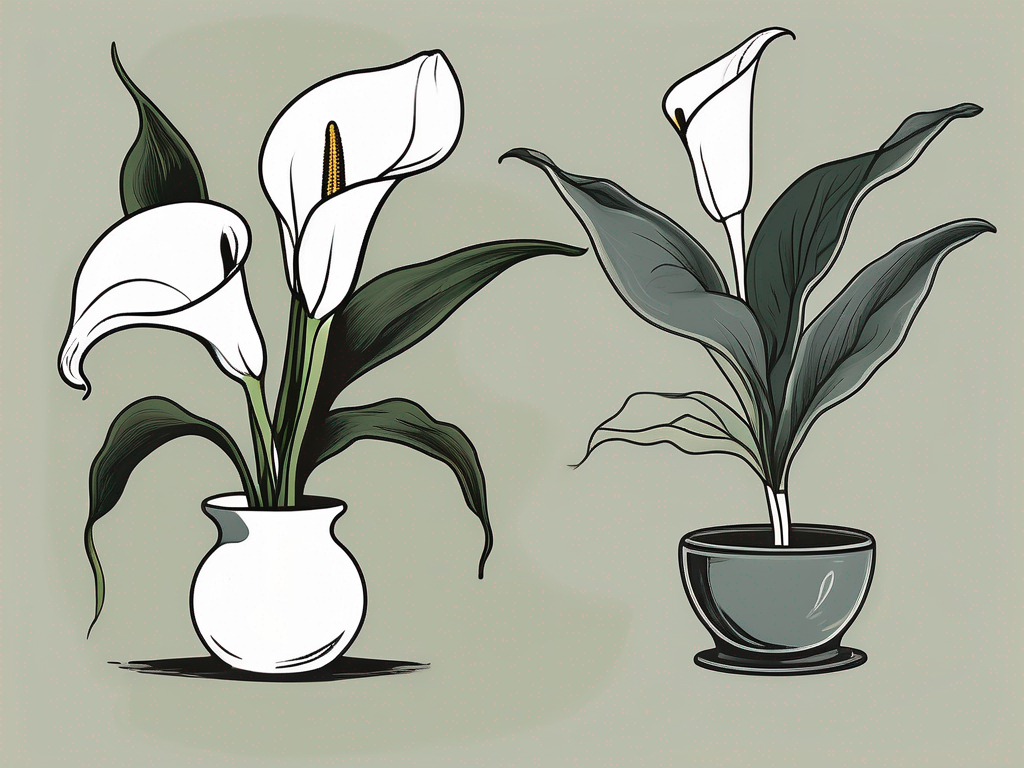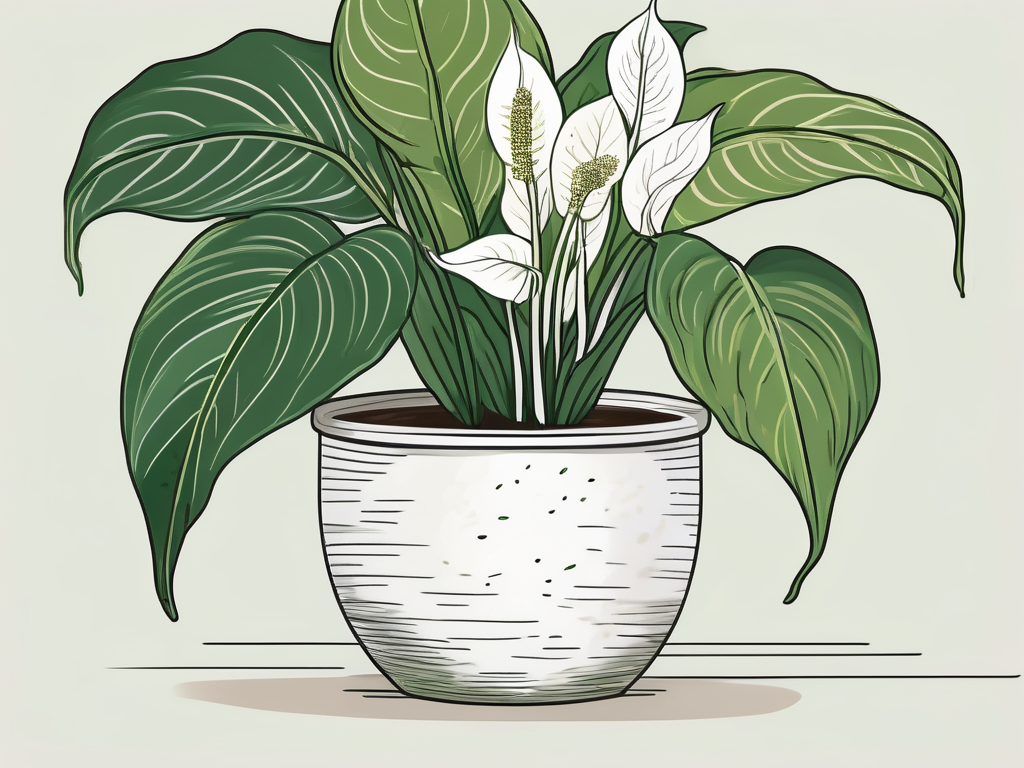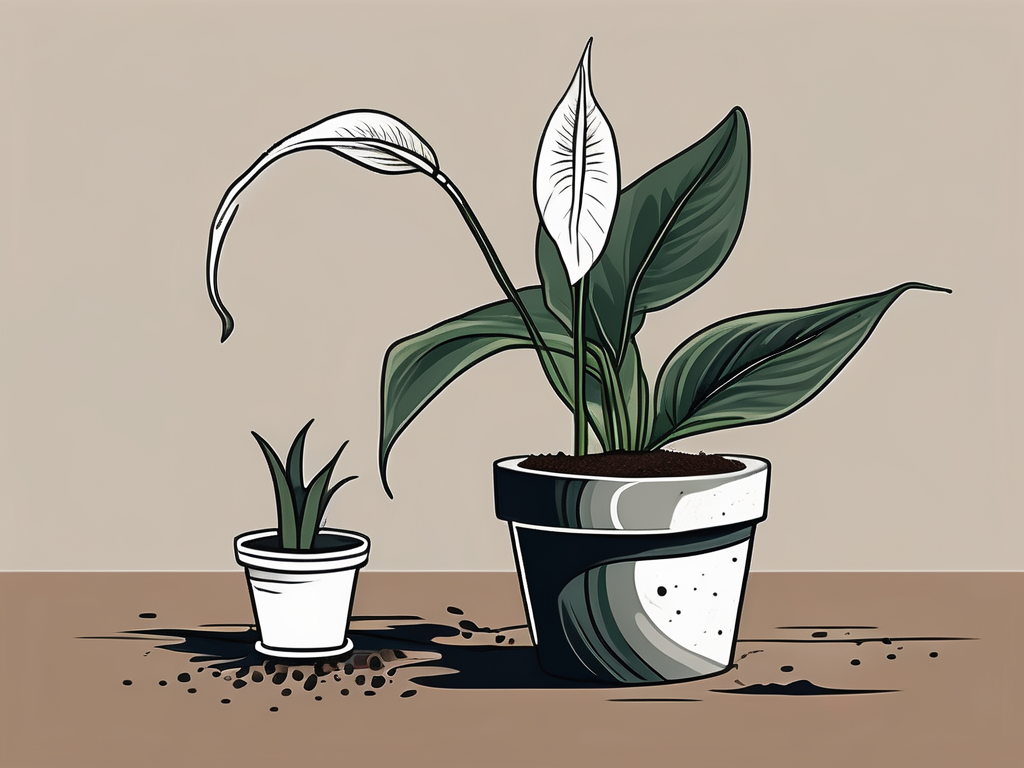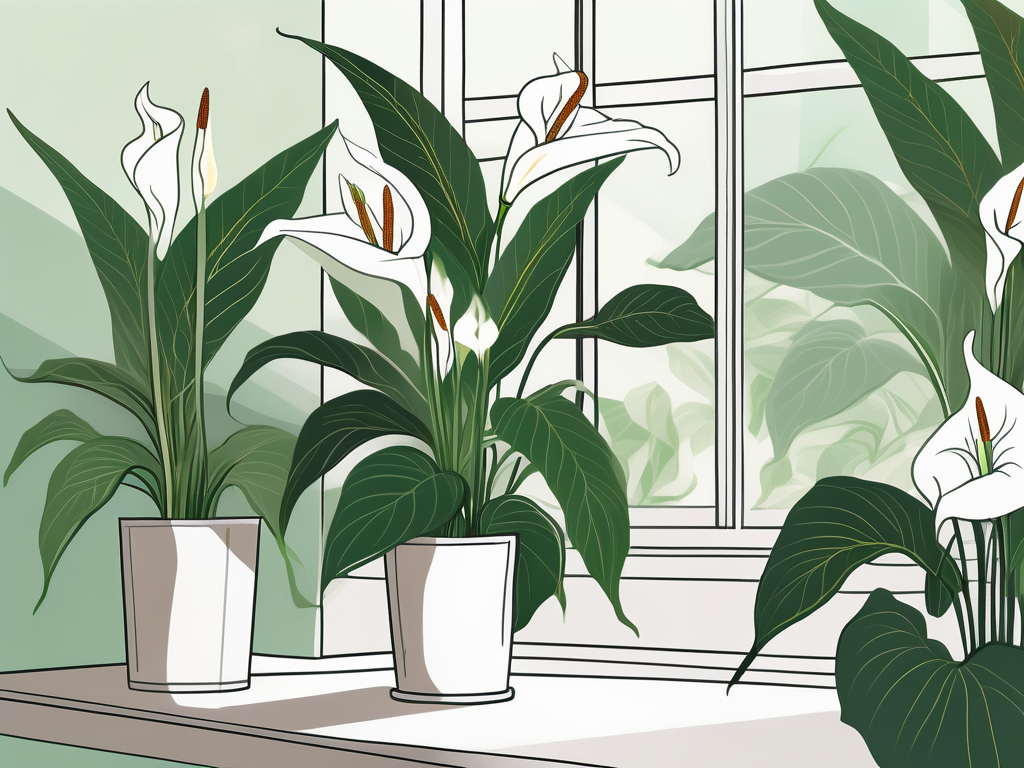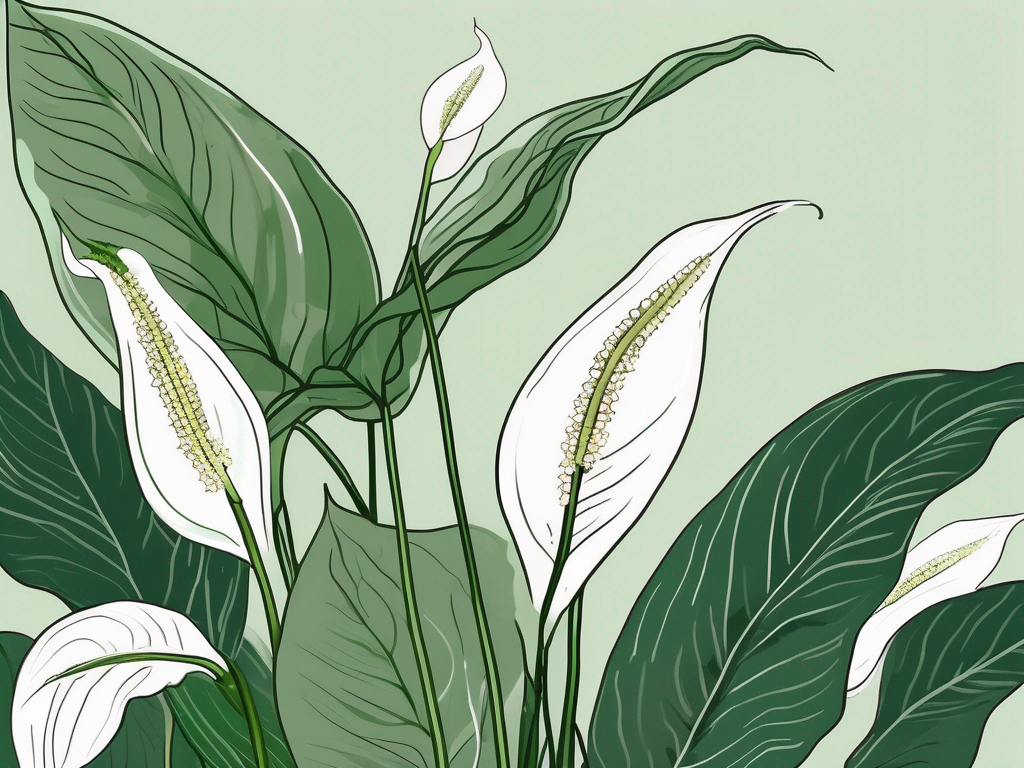
If you think peace lilies are strictly indoor plants, think again! These graceful beauties can also thrive outdoors, creating a serene and lush atmosphere in your garden or patio. Growing peace lilies outside might seem a bit tricky at first, but with the right conditions and care, it's entirely doable.
We'll take a look at everything you need to know about nurturing peace lilies outdoors. From choosing the ideal location to understanding their watering needs and dealing with potential pests, I'll walk you through each step to ensure your peace lilies flourish outside.
Choosing the Right Location
Finding the perfect spot for your peace lilies is crucial for their growth and well-being. Peace lilies naturally grow under the shade of larger plants in their native tropical habitats, so replicating these conditions is key when planting them outdoors.
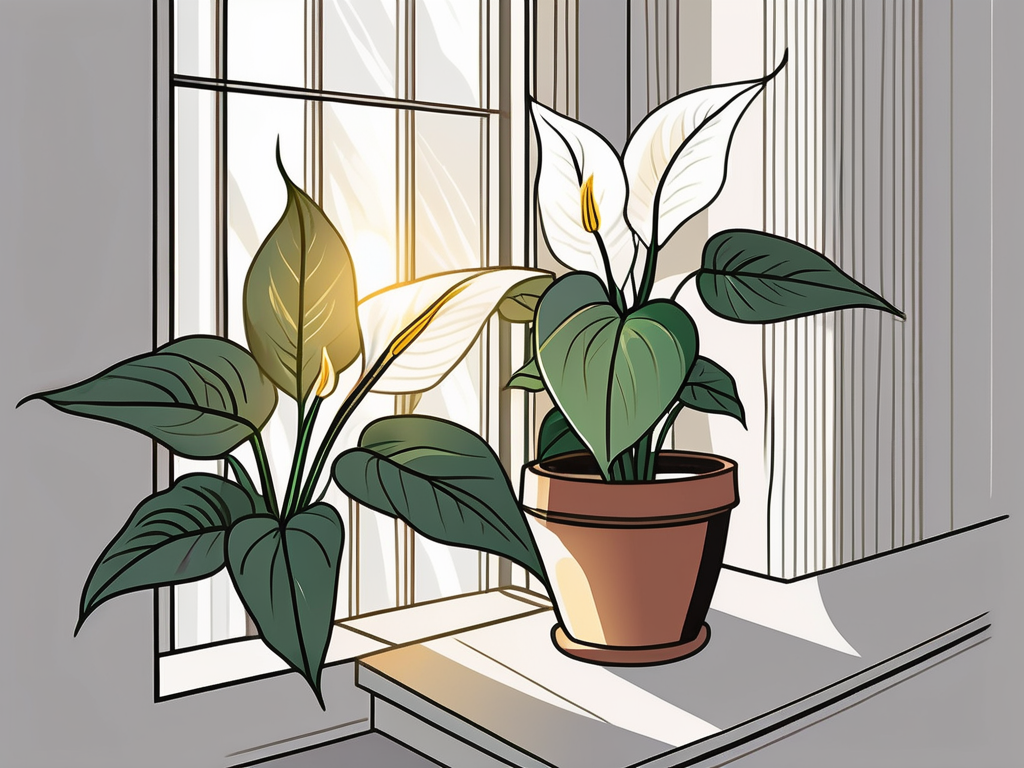
- Shade is essential: Choose a location that offers dappled sunlight or consistent shade. Direct sunlight can scorch their leaves, leading to unsightly brown tips and wilting.
- Shelter from wind: Peace lilies have delicate leaves that can easily be damaged by strong winds. Plant them in a sheltered area, perhaps near a wall or larger plants that can act as windbreaks.
- Check the temperature: Peace lilies prefer a warm climate, ideally between 65°F to 85°F (18°C to 29°C). They don't handle frost well, so if you live in a region with cold winters, you might need to move them indoors during the colder months.
Once you've found a spot that ticks all these boxes, your peace lilies will have a solid foundation to grow and prosper.
Soil and Potting Needs
Choosing the right soil is just as important as the location. Peace lilies thrive in well-draining soil that retains some moisture but doesn't stay soggy. Creating the perfect soil mix for them involves a little bit of creativity but is well worth the effort.
- Well-draining mix: A mix of potting soil, perlite, and orchid bark works well. This combination allows for good drainage while retaining enough moisture to keep the roots happy.
- pH balance: Aim for a slightly acidic to neutral pH (around 5.5 to 7). You can test your soil with a pH meter or home testing kit to ensure it's within the ideal range.
- Container choice: If you're planting in pots, ensure they have drainage holes to prevent waterlogging. Peace lilies are prone to root rot if left in standing water.
With the right soil mix and container, your peace lilies will have the perfect environment to establish themselves and grow robustly.
Watering Wisely
Watering is a crucial aspect of peace lily care, and getting it right can be the difference between thriving plants and struggling ones. Peace lilies prefer moist soil, but overwatering can lead to problems.
- Check the soil: Before watering, check the top inch of soil. If it feels dry to the touch, it's time to water. If it's still moist, hold off for a day or two.
- Consistency is key: Peace lilies prefer consistent moisture, so try to establish a regular watering schedule. This might mean watering once a week in cooler climates or every few days in hotter regions.
- Avoid waterlogging: Ensure that water drains freely from the pot or planting area to prevent root rot. If you've planted in a pot without drainage holes, consider replanting to avoid future issues.
By keeping an eye on the soil's moisture levels and adjusting your watering routine accordingly, you'll help your peace lilies stay hydrated and healthy.
Feeding Your Peace Lilies
Peace lilies are not heavy feeders, but they will appreciate a little extra nourishment during the growing season. Providing the right nutrients will encourage lush growth and vibrant blooms.
- Use balanced fertilizers: A balanced, water-soluble fertilizer with equal parts nitrogen, phosphorus, and potassium (like a 10-10-10 formula) is a good choice.
- Feeding schedule: Fertilize your peace lilies every 6-8 weeks during the active growing season (spring and summer). Reduce feeding during fall and winter when growth slows.
- Avoid over-fertilizing: Too much fertilizer can lead to salt buildup in the soil, which can harm your plants. If you notice white crusts forming on the soil surface, it might be time to flush out excess salts with water.
With the right feeding routine, your peace lilies will have the nutrients they need to thrive throughout the year.
Dealing with Pests and Diseases
Even the healthiest peace lilies can fall victim to pests and diseases. Keeping a watchful eye on your plants and knowing how to deal with common issues can save you a lot of headaches.
- Common pests: Spider mites, aphids, and mealybugs are the usual suspects. If you notice any, remove them with a gentle spray of water or a mixture of water and mild soap.
- Fungal issues: Overwatering can lead to fungal problems like root rot. Ensure your plants have good drainage and avoid waterlogging. If you suspect root rot, trim away affected roots and replant in fresh soil.
- Regular checks: Inspect your plants regularly for any signs of trouble. Early detection is key to preventing more serious problems.
By staying vigilant and taking prompt action, you can keep pests and diseases from taking hold in your peace lilies.
Pruning and Maintenance
Regular pruning and maintenance are vital for keeping your peace lilies in top shape. Not only does it help with aesthetics, but it also promotes healthy growth and prevents disease.
- Remove yellow leaves: If you notice any yellow or brown leaves, trim them away. This not only improves appearance but also prevents the spread of any potential diseases.
- Prune spent blooms: Once a bloom has faded, cut it back to the base of the plant. This encourages the plant to focus energy on new growth.
- Keep it tidy: Regularly check for dead leaves or debris around the base of the plant. Clearing these away reduces the risk of fungal infections and pests.
With a bit of regular TLC, your peace lilies will reward you with healthy, vibrant foliage and stunning blooms.
Preparing for Seasonal Changes
Seasonal changes can impact your peace lilies, particularly if you live in an area with variable weather. Knowing how to prepare them for different seasons will help them thrive year-round.
- Winter care: If you experience frost or freezing temperatures, consider bringing your peace lilies indoors or providing frost protection with coverings or mulch.
- Summer care: During hot spells, ensure your plants have adequate shade and increase watering frequency to prevent dehydration.
- Spring and fall: These transitional seasons are a great time to reassess your plants' position and make any necessary adjustments to their care routine.
By adapting your care routine to the changing seasons, you'll keep your peace lilies healthy and happy all year long.
Companion Planting and Design Ideas
Peace lilies can be a stunning addition to outdoor spaces, especially when combined with other plants. They complement a variety of garden styles and can be used in creative ways to enhance your outdoor areas.
- Shady companions: Consider pairing peace lilies with shade-loving plants like ferns, hostas, or caladiums. This creates a lush, tropical feel in your garden.
- Container arrangements: Peace lilies work beautifully in container gardens. Mix them with other potted plants to create an eye-catching display on your patio or deck.
- Focal points: Use peace lilies as a focal point in shady garden beds or as a backdrop for smaller plants. Their glossy leaves and elegant flowers provide visual interest.
With a little creativity, you can design a stunning outdoor space that showcases the beauty of peace lilies alongside other complementary plants.
Final Thoughts
Growing peace lilies outdoors can be a rewarding experience, adding beauty and tranquility to your garden or patio. By providing the right environment, soil, and care, you can enjoy these stunning plants in an outdoor setting.
At Cafe Planta, we're here to support you on your plant journey. Whether you have questions or need advice, feel free to email us or reach out on Instagram. We believe in the power of plants to connect us with nature and each other, and we're excited to help you create a thriving plant collection in your home.