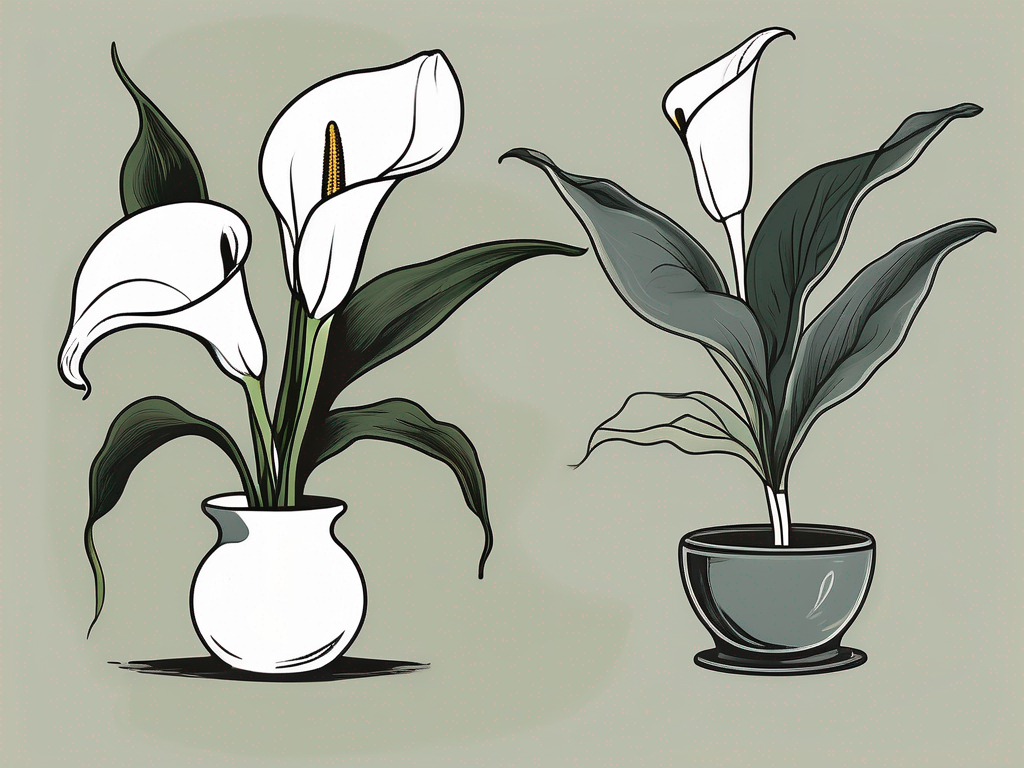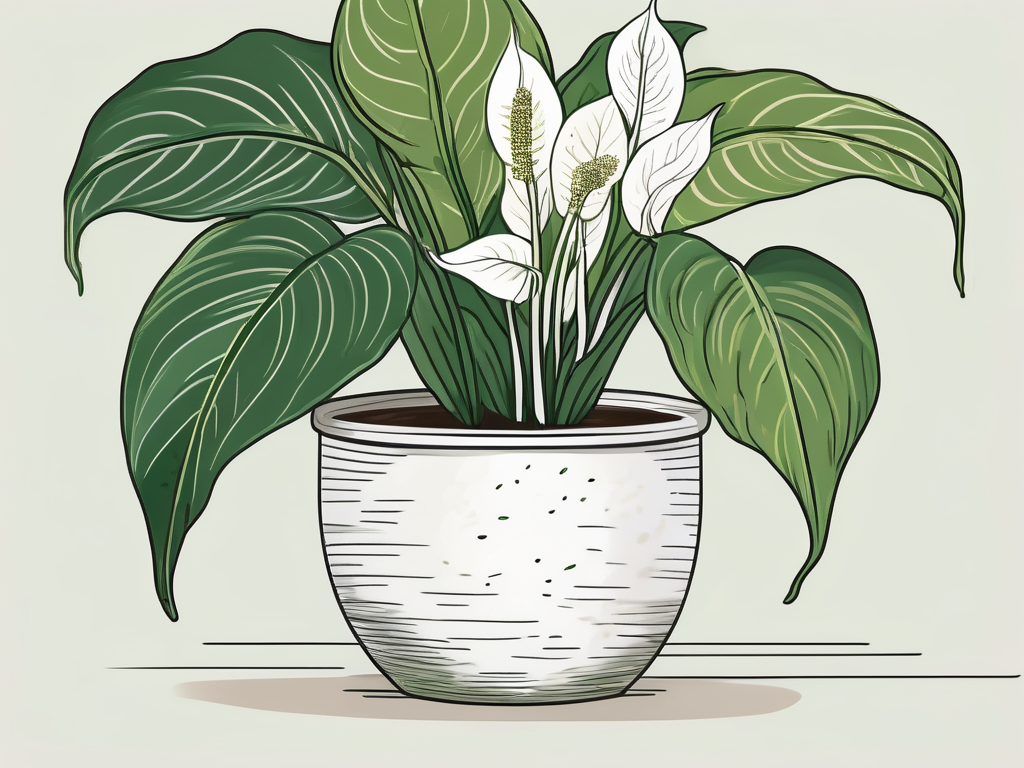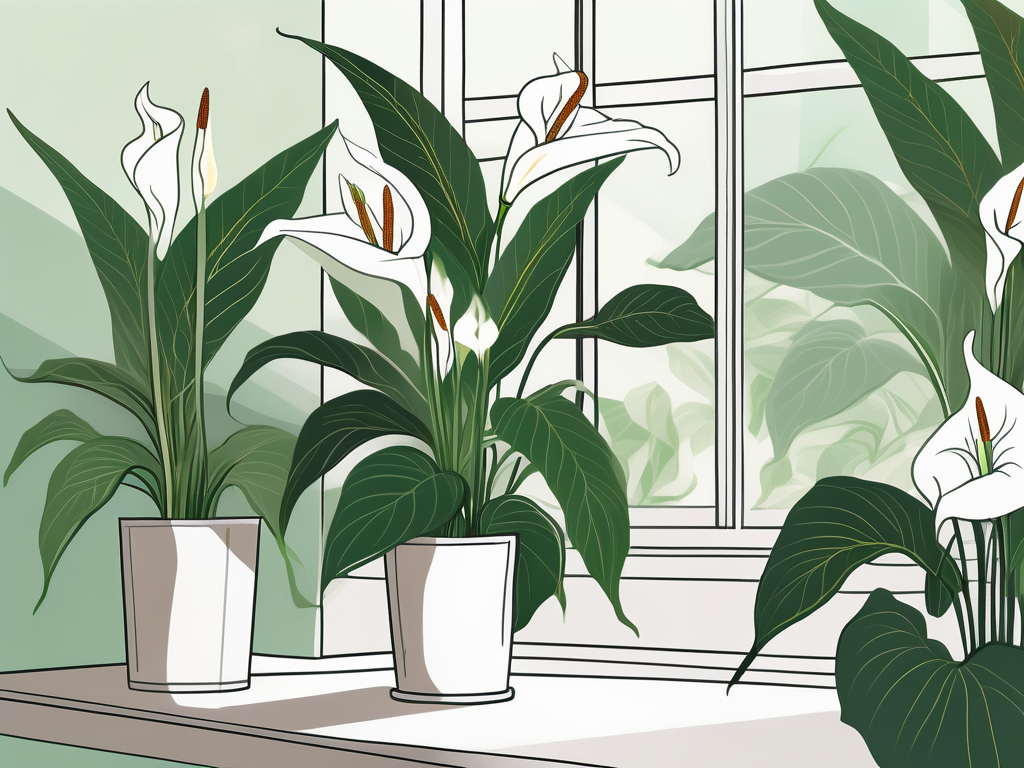
Peace lilies—known for their elegant white blooms and lush green leaves—aren't just indoor beauties. If you've ever thought about taking these lovely plants outside, you're in the right place. Growing peace lilies outdoors can be a rewarding gardening experience, adding charm and tranquility to your outdoor spaces.
This article will guide you through the ins and outs of cultivating peace lilies beyond the confines of your home. We'll cover everything from choosing the right location to maintaining their health and beauty. Whether you're a seasoned gardener or a plant-loving newbie, you'll find tips and tricks to help your peace lilies thrive outside.
Choosing the Perfect Spot
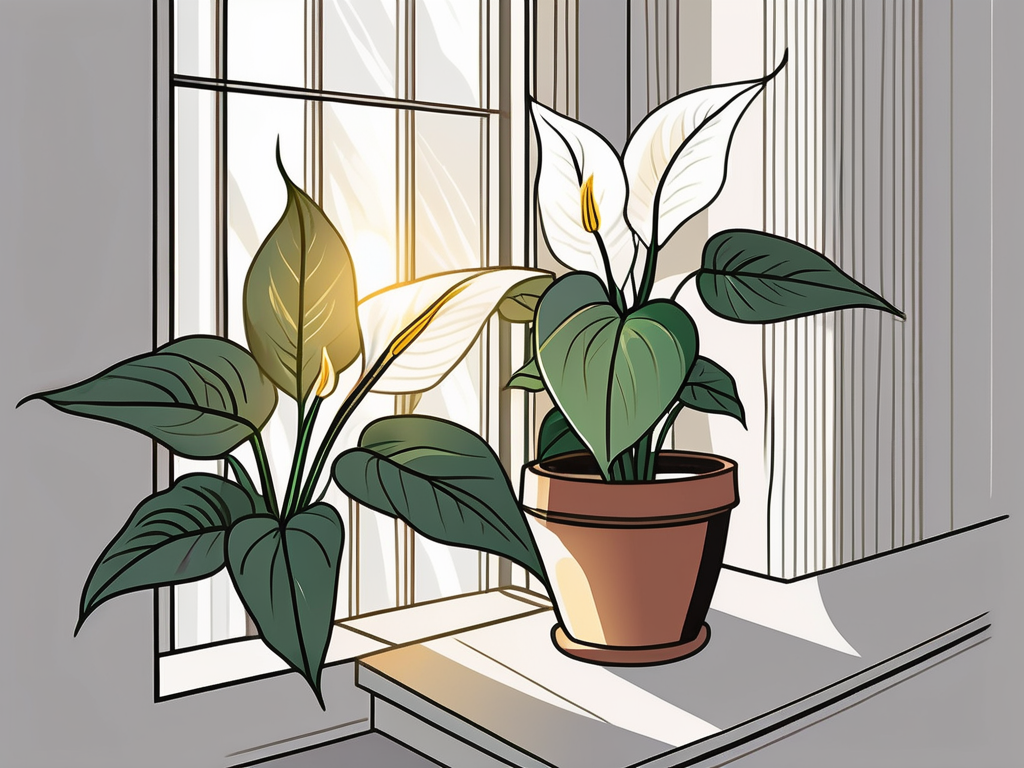
Finding the right location for your outdoor peace lilies is like setting the stage for a play. You want the perfect backdrop and lighting to let the stars shine. Peace lilies prefer dappled sunlight, much like what you'd find under a tree canopy. Direct sunlight can scorch their leaves, so it's best to avoid overly sunny spots.
Think of a shaded corner of your garden, perhaps under a large tree or next to a taller shrub. This way, they get enough light without being directly exposed. If you live in a region with intense sunlight, consider using a shade cloth or planting them on the north or east side of your house, where the sun is gentler.
It's also a good idea to consider the proximity to water sources. Peace lilies enjoy consistently moist soil, so planting them near a water source can make your life easier when it comes to regular watering.
Understanding Soil Needs
Peace lilies aren't too picky about soil, but they do have preferences. They thrive in rich, well-draining soil. If your garden soil is heavy clay or sandy, you might need to amend it. Mixing in some organic compost can do wonders in improving both texture and nutrient content.
Here’s a simple recipe for a peace lily-friendly soil mix:
- 2 parts peat moss or coco coir
- 1 part perlite or coarse sand
- 1 part organic compost
This mix ensures good drainage while retaining enough moisture, keeping your peace lilies happy and healthy. It's also worth testing your soil’s pH level. Peace lilies prefer slightly acidic to neutral soil, around 5.5 to 7.0 on the pH scale. You can adjust the pH by adding lime to raise it or sulfur to lower it, depending on your soil's current state.
Watering Wisely
When it comes to watering, peace lilies are like Goldilocks—they want it just right. Too much water can lead to root rot, while too little will leave them wilting and unhappy. The key is consistent moisture without sogginess.
Check the soil regularly by sticking your finger about an inch deep. If it feels dry at that depth, it's time to water. If it's still moist, hold off and check again in a day or two. In hotter climates, you might need to water more frequently, especially if they're in containers.
Avoid overhead watering, as this can lead to fungal issues on the leaves. Instead, water at the base of the plant, ensuring the moisture reaches the roots where it's needed most.
Nurturing with Nutrients
Feeding your peace lilies ensures they have all the nutrients they need to bloom beautifully. During the growing season, typically spring and summer, fertilize every 6-8 weeks with a balanced, water-soluble fertilizer. You can choose an all-purpose garden fertilizer or one specifically for flowering plants.
Be cautious not to over-fertilize, as this can lead to salt build-up in the soil, causing leaf tips to brown. If you're unsure, err on the side of less is more. A good rule of thumb is to use half the recommended strength on the fertilizer package for peace lilies.
During the fall and winter months, peace lilies naturally slow down their growth, so you can reduce or even skip fertilization during this time. It's their version of a holiday break.
Pruning and Grooming
Just like a haircut, regular pruning keeps your peace lilies looking their best and encourages new growth. Remove any yellow or brown leaves as they appear. This not only improves the plant's appearance but also prevents the spread of any potential diseases.
When pruning, use clean, sharp scissors or garden shears to avoid damaging the plant. Make your cuts at the base of the stem to keep things tidy.
In terms of grooming, wiping the leaves with a damp cloth occasionally can help keep them dust-free. This simple act not only makes them look better but also improves their ability to photosynthesize efficiently.
Dealing with Pests
Outdoor peace lilies might attract some uninvited guests, like aphids, mealybugs, or spider mites. Fortunately, there are natural ways to keep these pests at bay without resorting to harsh chemicals.
One effective method is to spray your plants with a mixture of water and a few drops of dish soap. This solution can help remove pests without harming the plant. Neem oil is another excellent option, acting as both a preventative and a treatment for many common pests.
Encouraging beneficial insects like ladybugs and lacewings can also help control pest populations. These natural predators will munch on the bugs you want to get rid of, keeping your peace lilies safe and sound.
Managing Diseases
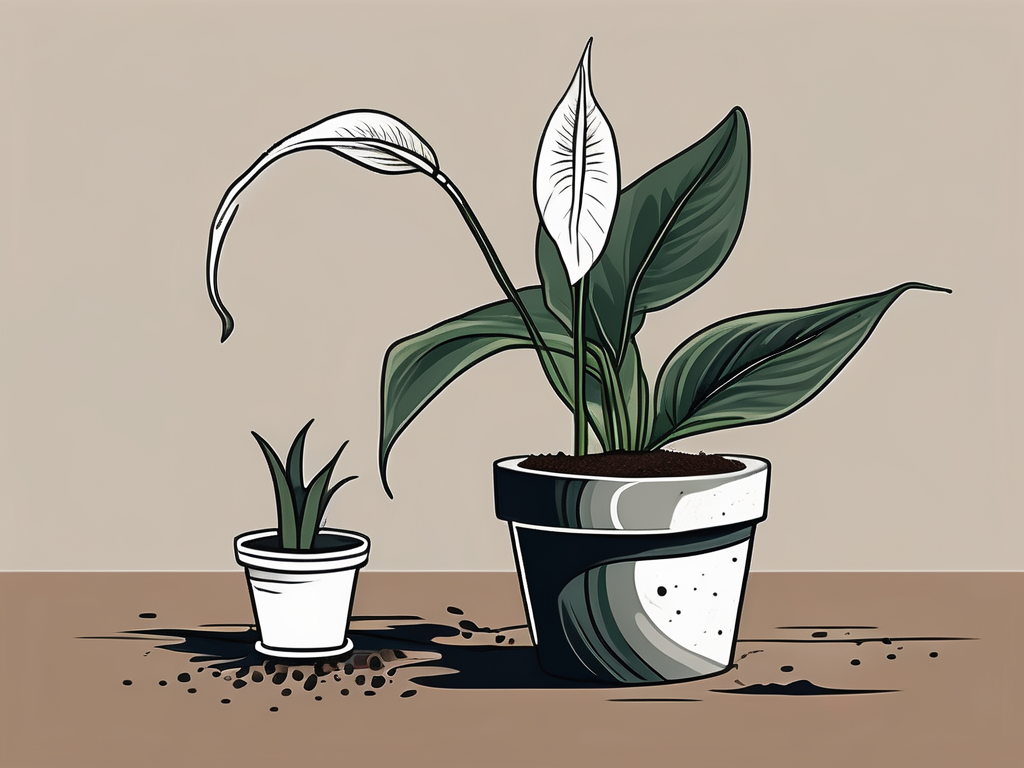
While generally hardy, peace lilies can fall victim to diseases such as root rot or leaf blight, particularly if they're overwatered. Keeping a close eye on your plants can help catch these issues early.
If you notice wilted leaves or a musty smell, you might be dealing with root rot. To combat this, ensure your soil drains well and adjust your watering schedule. If the problem persists, you may need to repot the plant in fresh soil.
For leaf blight, remove affected leaves promptly and ensure good air circulation around the plant. Reducing humidity can also help, so avoid misting the leaves or overwatering.
Wintering Peace Lilies
If you live in a region with harsh winters, you'll need to bring your peace lilies indoors as temperatures drop. These tropical beauties aren't frost-tolerant and will suffer if exposed to cold weather.
Before moving them inside, check for pests and trim any damaged leaves. This helps prevent bringing any issues into your home. Once inside, place them in a spot with indirect light, similar to their outdoor location.
Reduce watering during the winter months, as peace lilies will be in a dormant phase and won't require as much moisture.
Enjoying Your Outdoor Peace Lilies
One of the joys of growing peace lilies outdoors is watching them thrive in a natural setting. Their elegant white blooms can add a touch of serenity to any garden, patio, or balcony.
Consider pairing them with other shade-loving plants like ferns or hostas for a lush, layered look. The contrast of textures and colors can create a visually stunning display.
If you're feeling creative, use peace lilies as focal points in your garden design, perhaps around a water feature or along a garden path. Their versatility and beauty make them a perfect addition to any outdoor space.
Final Thoughts
Growing peace lilies outdoors can transform your garden into a tranquil oasis. With the right care, these plants will reward you with lush foliage and striking blooms. By choosing the right spot, maintaining soil health, and keeping pests at bay, your peace lilies can thrive beautifully outside.
At Cafe Planta, we love helping plant lovers on their journey. Whether you're just starting or a seasoned plant parent, we're here to support you. Feel free to reach out via email or connect with us on Instagram. Let's grow together and bring a little more green into our lives!