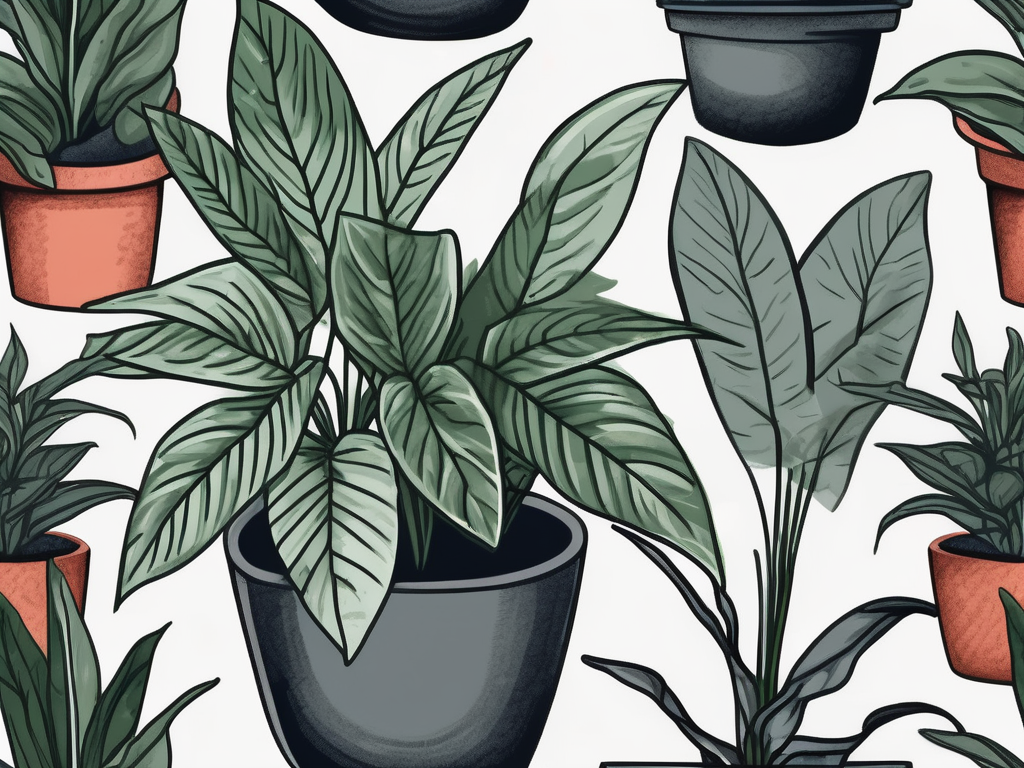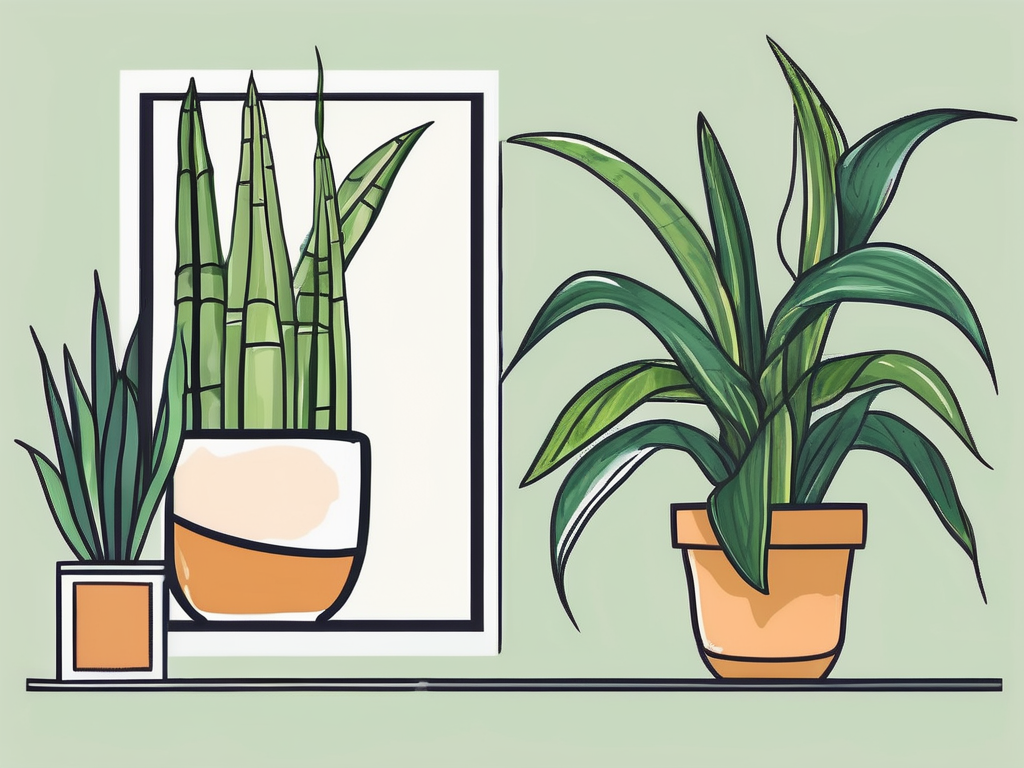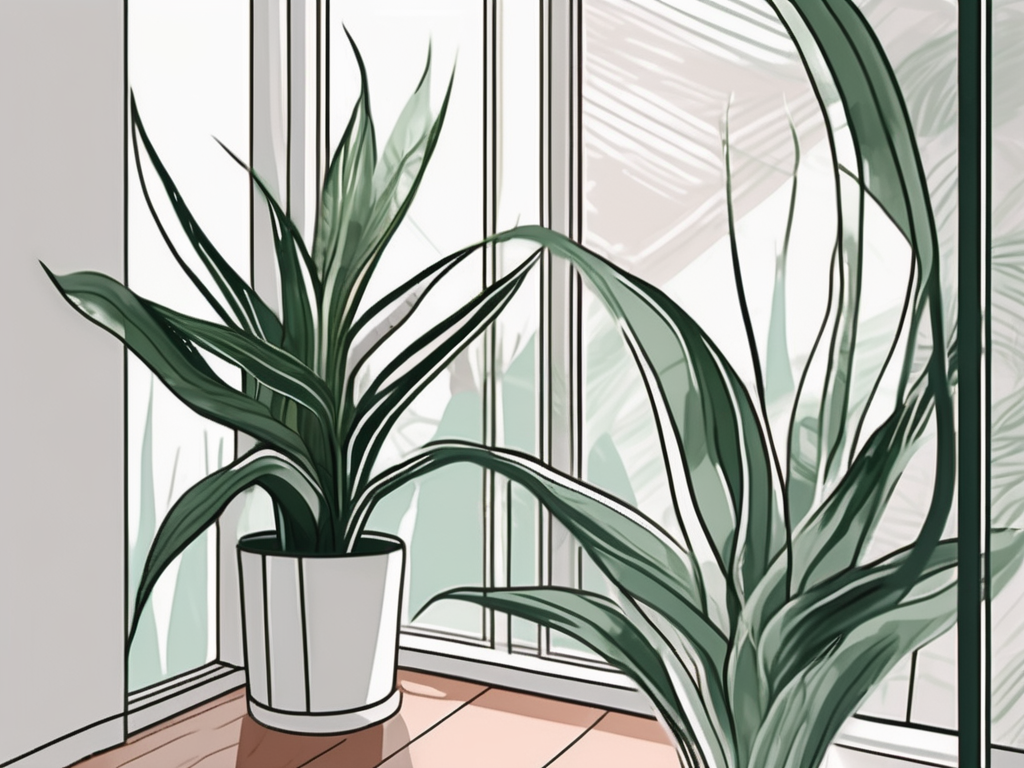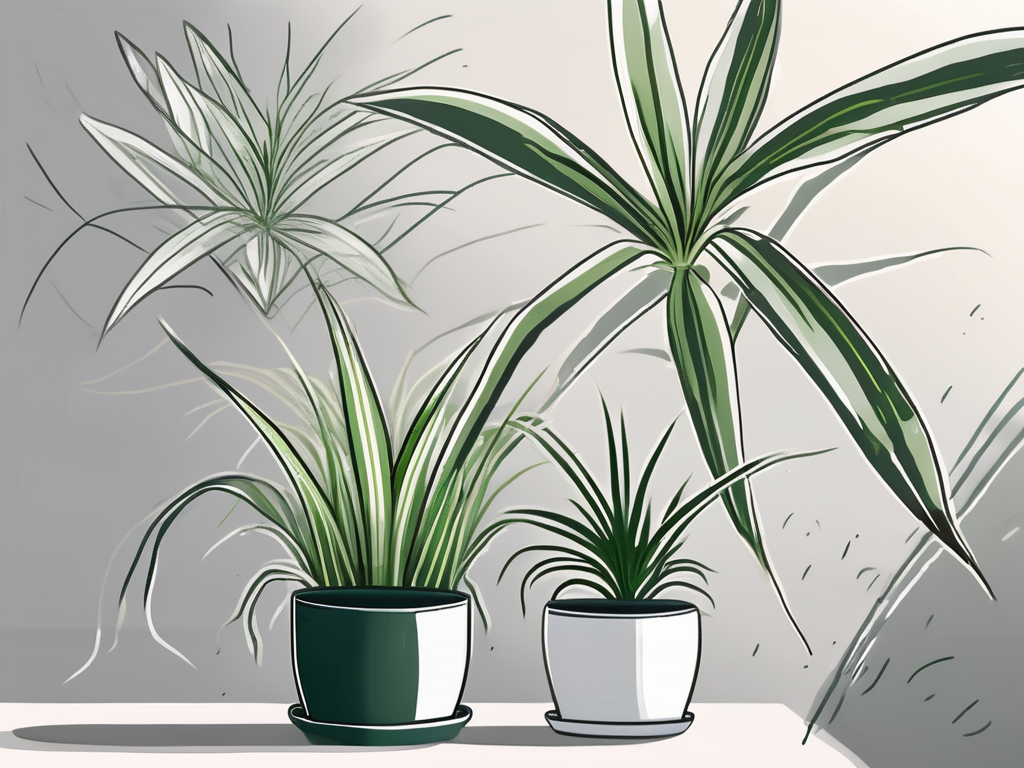
Spider plants, with their charming arching leaves and tiny offshoots, bring a delightful touch of green to any space. But what happens when those long, graceful leaves start curling? It might seem like a small change, but it can signal that your plant needs a little more attention.
In this article, we'll look into the reasons your spider plant's leaves might be curling and what you can do to help them thrive again. Whether you're a seasoned plant person or just starting your plant journey, you'll find practical tips and insights to keep your spider plant looking its best.
Understanding Spider Plant Leaf Curling
Before we jump into solutions, it's important to understand why spider plant leaves might curl in the first place. This curling is often a sign that something in their environment isn't quite right. Here are a few common causes:
- Watering Issues: Both overwatering and underwatering can lead to curling leaves.
- Light Conditions: Too much or too little light can stress the plant.
- Pest Infestation: Insects like spider mites can cause damage.
- Nutrient Deficiency: A lack of essential nutrients might be the culprit.
- Temperature and Humidity: Extremes in either can be stressful for plants.
Now, let's break down each of these factors and see how they can lead to your spider plant's leaves curling.
Watering Woes: Too Much or Too Little
Watering is a balancing act, especially for spider plants. They like their soil to be consistently moist but not waterlogged. Overwatering can lead to root rot, where the roots sit in water, unable to absorb oxygen. This is a common cause of leaf curling, where the plant struggles to take up nutrients effectively.
Signs of Overwatering:
- Yellowing leaves along with curling.
- A soggy or moldy smell coming from the soil.
- Brown leaf tips due to root damage.
Signs of Underwatering:
- Dry, crispy leaves that curl upwards.
- Soil pulling away from the edges of the pot.
- A lightweight pot, indicating dry soil.
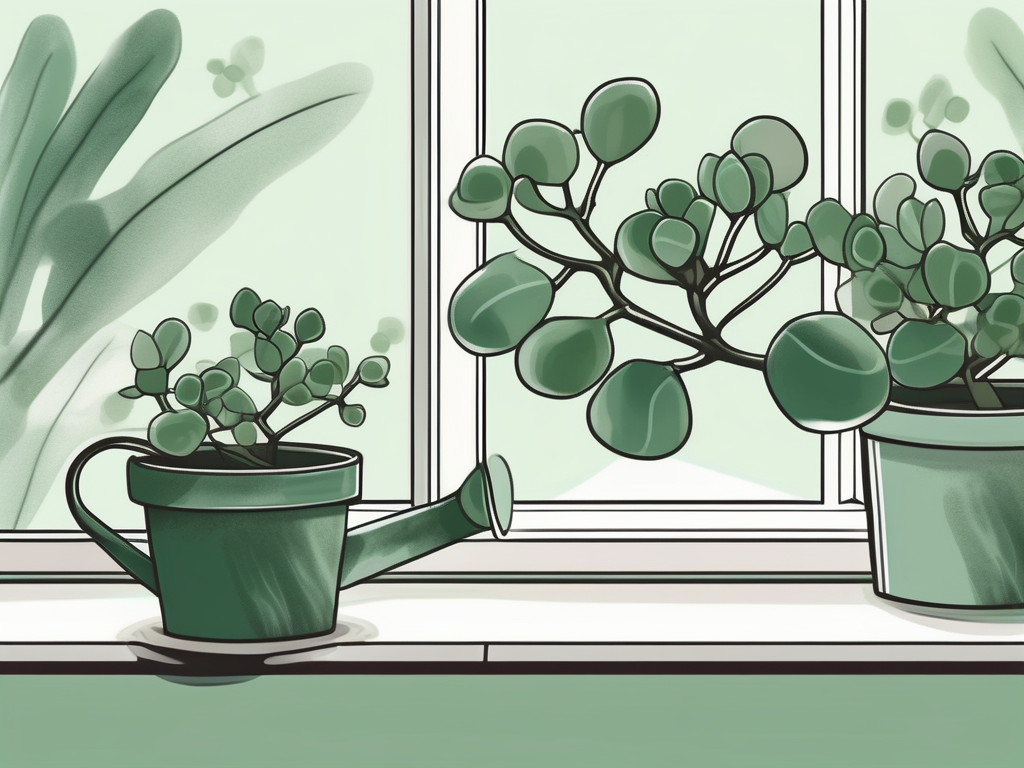
To address these issues, check if the top inch of soil is dry before watering. Ensure good drainage and consider a pot with drainage holes to prevent water from accumulating at the bottom.
Lighting Conditions: Finding the Sweet Spot
Spider plants thrive in bright, indirect light, but they can tolerate lower light conditions. However, too little light can lead to weak, curling leaves. Conversely, direct sunlight can scorch the leaves, causing them to curl and develop brown tips.
How to Adjust Lighting:
- Place your spider plant near a window with filtered sunlight.
- Avoid spots with direct midday sun, which can be harsh.
- If your home is dark, consider using a grow light to supplement natural light.
By adjusting the lighting conditions, you can help your spider plant straighten out its leaves and grow more robustly.
Pests: Tiny Invaders with Big Consequences
Even though spider plants are hardy, they aren't immune to pests. Spider mites, aphids, and mealybugs are common adversaries that can sap your plant's vitality.
Identifying Pest Problems:
- Spider mites leave fine webbing and tiny spots on leaves.
- Aphids are small, green, and cluster on new growth.
- Mealybugs appear as white, cottony masses on stems and leaves.
How to Combat Pests:
- Wipe leaves with a damp cloth or spray with water to dislodge pests.
- Use insecticidal soap or neem oil for persistent infestations.
- Isolate affected plants to prevent spreading.
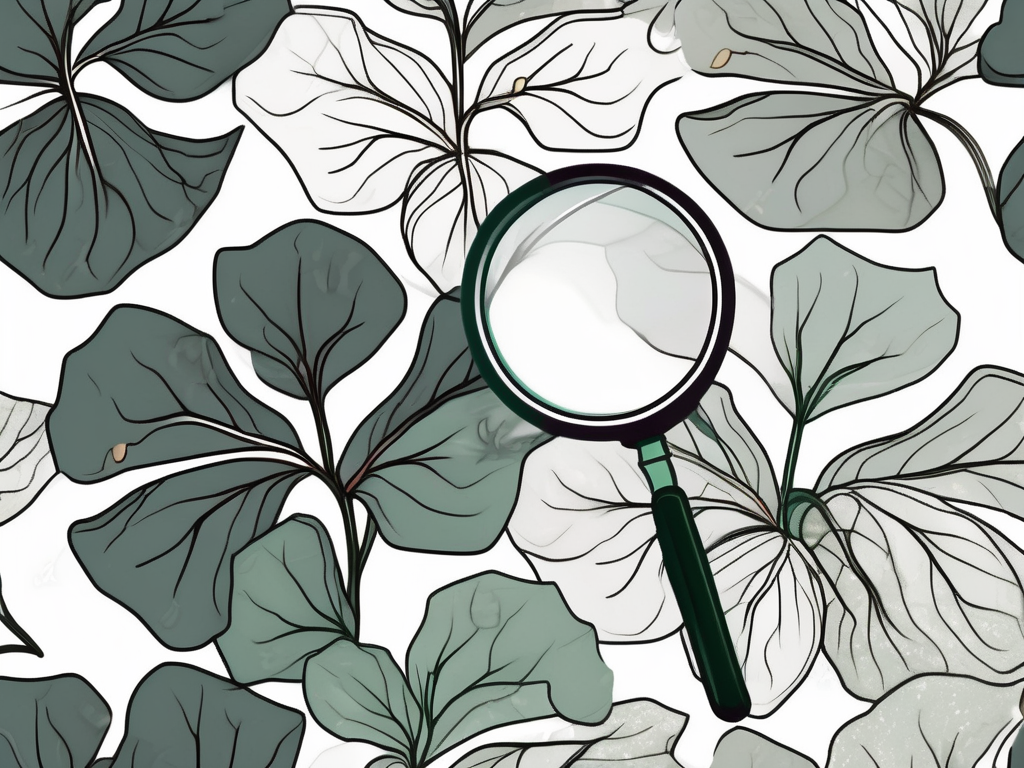
Regularly inspecting your plants helps catch these little invaders early, preventing serious leaf curling and damage.
Nutrient Deficiency: Missing the Good Stuff
Just like us, plants need a balanced diet to stay healthy. A lack of essential nutrients like nitrogen, potassium, or magnesium can lead to leaf curling.
Common Signs of Nutrient Deficiency:
- Pale or yellowing leaves indicate nitrogen deficiency.
- Brown leaf edges can be a sign of potassium deficiency.
- Interveinal chlorosis (yellowing between veins) suggests magnesium deficiency.
Feeding Your Spider Plant:
- Use a balanced, water-soluble fertilizer every 4-6 weeks during the growing season.
- Follow the instructions to avoid over-fertilizing, which can harm the plant.
- Consider a slow-release fertilizer for consistent nutrient supply.
Proper fertilization can rejuvenate your spider plant, reducing leaf curling and promoting lush growth.
Temperature and Humidity: Creating the Perfect Climate
Spider plants aren't too fussy, but they do have their preferences. Extreme temperatures or low humidity can affect their health, leading to curling leaves.
Ideal Conditions for Spider Plants:
- Keep temperatures between 60-75°F (15-24°C).
- Avoid placing plants near drafts or heat sources.
- Maintain moderate humidity; mist occasionally if the air is dry.
If your home is particularly dry, a pebble tray or humidifier can help create a more favorable environment for your spider plant.
Repotting: Giving Roots Room to Breathe
As spider plants grow, their roots can become cramped, leading to stress and curling leaves. Repotting provides more space for roots to expand and absorb nutrients efficiently.
Signs Your Spider Plant Needs Repotting:
- Roots protruding from drainage holes.
- Soil drying out quickly after watering.
- Visible root ball when the plant is lifted from the pot.
How to Repot Your Spider Plant:
- Choose a pot 1-2 inches larger than the current one.
- Use a well-draining potting mix suitable for houseplants.
- Gently loosen the root ball and place the plant in the new pot.
Repotting not only helps reduce leaf curling but also encourages healthy growth by giving roots the room they need.
Water Quality: When Tap Water Just Won't Do
Sometimes, the water you use can contribute to curling leaves. Tap water often contains chlorine, fluoride, and other minerals that can build up in the soil and affect plant health.
Improving Water Quality:
- Use distilled or rainwater to avoid mineral buildup.
- Let tap water sit out overnight to allow chlorine to evaporate.
- Consider using a water filter if mineral content is high.
Switching to cleaner water can make a noticeable difference in the health of your spider plant, helping to prevent leaf curling and tip browning.
Stress Factors: Moving, Pruning, and More
Plants can be sensitive to changes in their environment. Moving your spider plant to a new location, pruning, or even a new pot can cause temporary stress, leading to curling leaves.
Minimizing Stress for Spider Plants:
- Move plants gradually to new light conditions.
- Avoid drastic changes in temperature or humidity.
- Prune carefully, removing only dead or damaged leaves.
By easing your spider plant through transitions, you can help it adjust without too much stress, reducing the likelihood of curling leaves.
Final Thoughts
Spider plant leaves curling can be a sign of various issues, from watering missteps to pest problems. By understanding and addressing these potential causes, you can help your spider plant thrive once more.
At Cafe Planta, we're passionate about helping you care for your plants. If you have questions, reach out via email or Instagram. Whether you're an experienced plant parent or just starting out, we're here to support your journey with a beautiful, thriving plant collection.