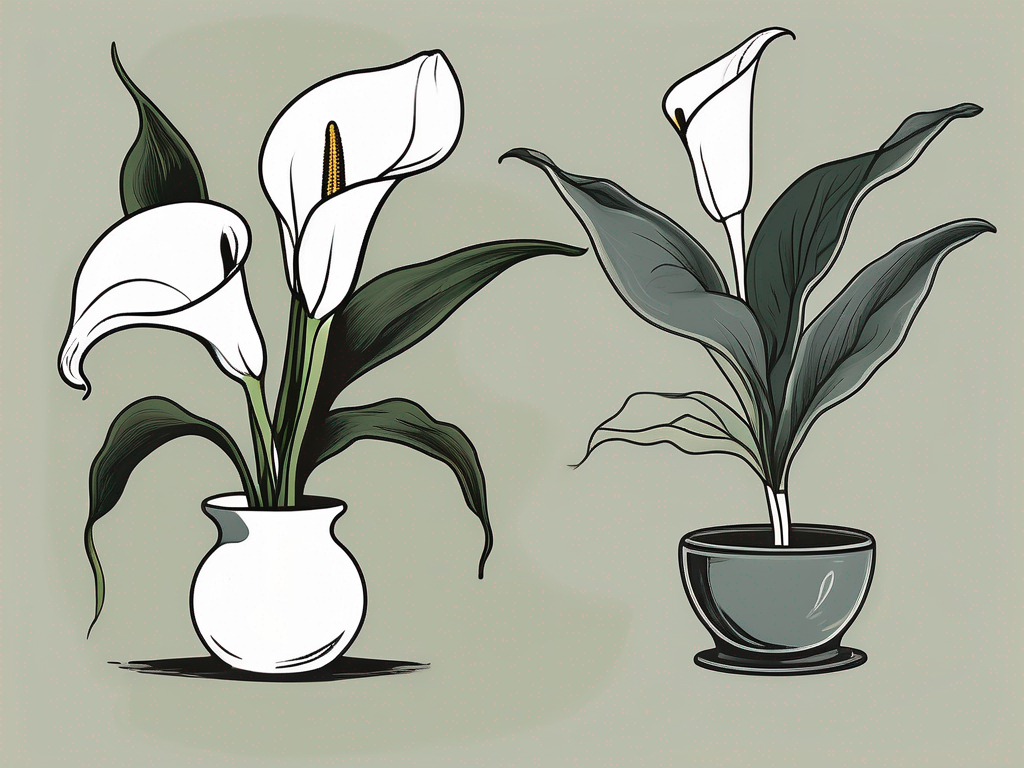
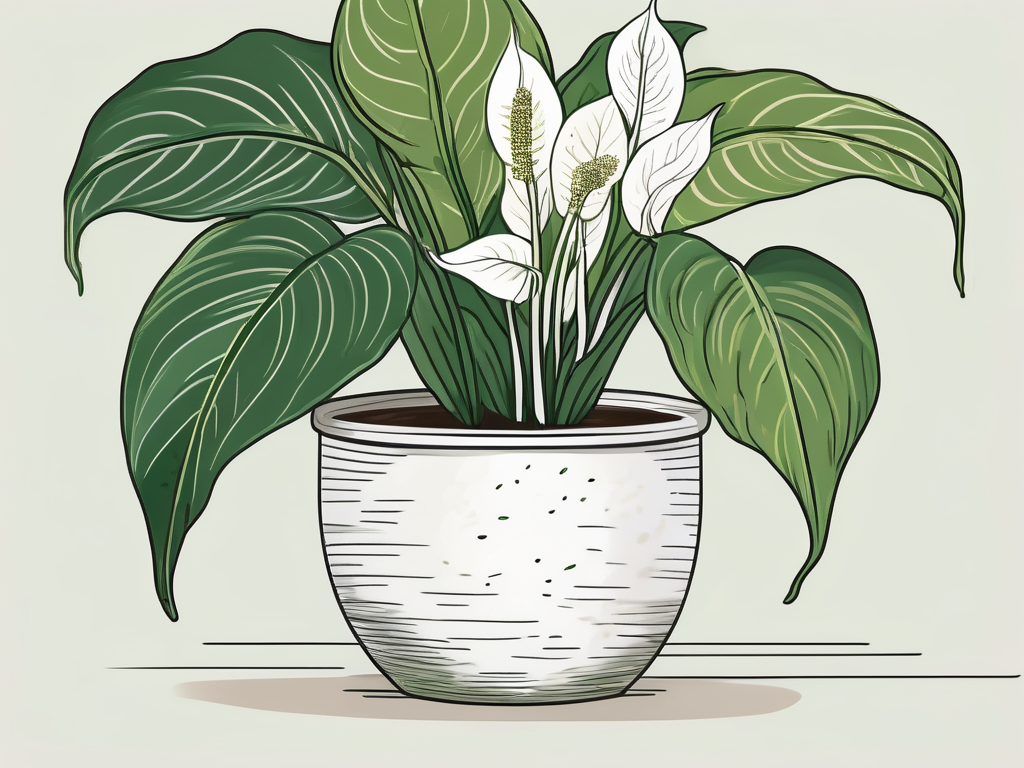
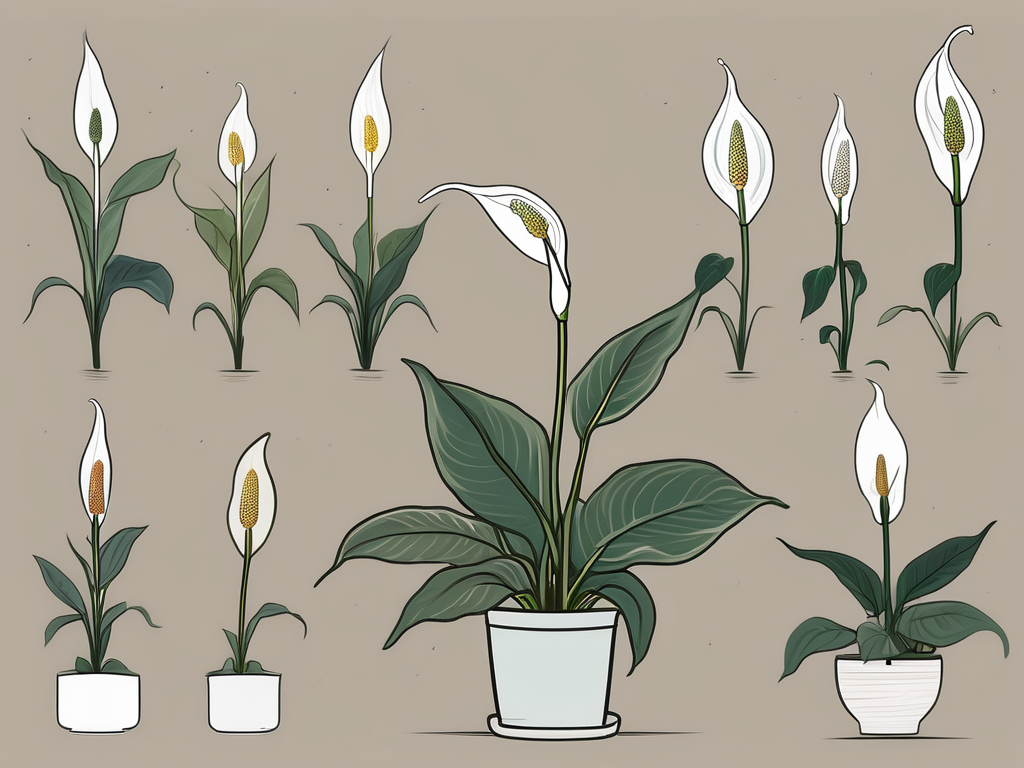
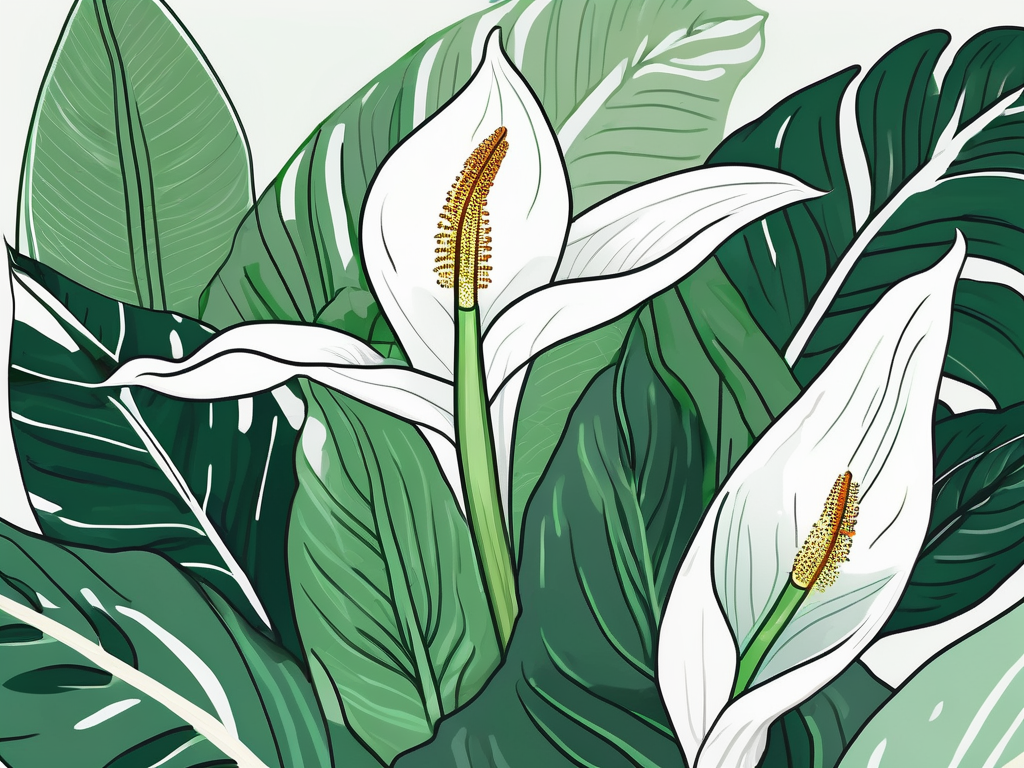
So, you're thinking about peace lilies and their fertilizing needs, huh? These beautiful plants, with their lush green leaves and elegant white flowers, are a popular choice for both beginner and seasoned plant lovers. But to keep them looking their best, they do need a little extra care, especially when it comes to feeding. Choosing the right fertilizer can make all the difference in their health and appearance.
In this article, we'll explore everything you need to know about fertilizing peace lilies, from what nutrients they crave, to how often they need feeding, and even what to avoid. By the end, you'll have all the information you need to keep your peace lily thriving. Ready to get started?
The Nutritional Needs of Peace Lilies
First things first, let's talk about what peace lilies actually need in terms of nutrients. Like most houseplants, they require a balance of the three main macronutrients: nitrogen (N), phosphorus (P), and potassium (K). You might recognize these from the N-P-K ratio on fertilizer packaging. But what does each of these nutrients do?
- Nitrogen (N): This is essential for leaf growth and overall plant vigor. Peace lilies are known for their lush foliage, so a steady supply of nitrogen is crucial.
- Phosphorus (P): This nutrient supports root development and is vital for flower production. Since we love those white blooms, a good dose of phosphorus is a must.
- Potassium (K): Potassium helps with overall plant health, supporting functions like water regulation and resistance to disease.
Besides these macronutrients, peace lilies also benefit from micronutrients such as magnesium, calcium, and iron. These are usually present in small amounts in most balanced fertilizers but are nonetheless important for their overall health.
Choosing the Right Fertilizer
With the basics of plant nutrition under our belts, let's move on to selecting the right fertilizer. Peace lilies prefer a balanced fertilizer, meaning one where the N-P-K numbers are roughly equal. A common choice is a 10-10-10 or 20-20-20 formula, which provides an even spread of nutrients.
While there are numerous options available, both organic and synthetic fertilizers can work well. Organic fertilizers, like fish emulsion or compost tea, provide a gentle nutrient boost and improve soil health over time. On the other hand, synthetic options offer a quick nutrient fix and are often easier to measure and apply.
It's also worth considering slow-release fertilizers. These can be a convenient option, as they gradually feed your peace lily over several months, reducing the need for frequent applications.
How Often to Fertilize Peace Lilies
Now that you've chosen a fertilizer, how often should you use it? Peace lilies typically need feeding during their active growing seasons, which are spring and summer. During these months, fertilize every 6 to 8 weeks. In the fall and winter, when growth slows down, you can reduce feeding to once every 10 to 12 weeks, or even stop altogether if your plant seems healthy and isn't actively growing.
Over-fertilizing is a common mistake. Too much can lead to nutrient burn, which shows up as brown tips on the leaves. If you notice this, ease off on the fertilizer and flush the soil with water to help remove excess salts.
Signs Your Peace Lily Needs Fertilizer
Even with regular fertilizing, there may be times when your peace lily looks like it needs a little extra help. Here are some signs that your plant might be hungry:
- Yellowing Leaves: While occasional yellow leaves are normal, a bunch of them could indicate a nitrogen deficiency.
- Lack of Blooms: If your peace lily isn't flowering, it might need more phosphorus.
- Slow Growth: If your plant seems to be stuck in a rut, it could be due to a lack of nutrients.
If you notice any of these signs, consider increasing your fertilizing frequency or switching to a more nutrient-rich option.
Common Fertilizing Mistakes
Even the most attentive plant parents can slip up occasionally. Some common fertilizing missteps include:
- Over-Fertilizing: As mentioned earlier, too much fertilizer can harm your peace lily. Always follow the instructions on your fertilizer packaging and err on the side of caution.
- Fertilizing Dry Soil: It's best to water your plant before fertilizing to prevent root burn.
- Ignoring Soil Health: Fertilizer is just one part of the equation. Healthy soil is vital for nutrient uptake, so consider repotting your peace lily every couple of years with fresh potting mix.
By avoiding these pitfalls, you'll help your peace lily stay healthy and happy.
DIY Fertilizer Options
If you're a fan of doing things yourself, you might be interested in making your own fertilizer. There are several homemade options that can provide nutrients for your peace lily:
- Banana Peels: Rich in potassium, banana peels can be chopped up and buried in the soil or soaked in water to create a potassium-rich spray.
- Coffee Grounds: These are slightly acidic and can boost nitrogen levels. Just sprinkle them on top of the soil or mix them in.
- Eggshells: Crushed eggshells add calcium to the soil. They take a while to break down, so start adding them well before you notice any deficiency.
These homemade fertilizers can be a fun and sustainable way to feed your plants, though they may not provide as immediate results as commercial options.
Understanding Fertilizer Labels
Reading fertilizer labels can sometimes feel like deciphering a secret code. But don't worry, it's simpler than it seems. The N-P-K ratio on the packaging tells you the percentage of nitrogen, phosphorus, and potassium. For instance, a 10-10-10 fertilizer contains 10% of each nutrient by weight.
Besides the N-P-K ratio, look for information on micronutrients and the presence of organic matter. Some fertilizers are fortified with additional nutrients like magnesium or iron, which can be beneficial for peace lilies.
Also, pay attention to the application instructions. Following these guidelines helps ensure you're providing the right amount of nutrients at the right time, without any guesswork.
Fertilizer Alternatives and Supplements
If you're looking to cut down on traditional fertilizers, there are some alternative options that can complement your peace lily's diet:
- Compost: Adding compost to the soil improves its structure and provides a slow release of nutrients.
- Worm Castings: These are nutrient-rich and can be mixed into the soil or used as a top dressing.
- Seaweed Extract: This supplement offers a range of trace elements and growth hormones that can boost plant health.
These alternatives can be particularly useful if you're aiming for an organic approach or want to enhance the soil health naturally.
When Not to Fertilize
Although feeding your peace lily is essential, there are times when it's best to hold off on the fertilizer:
- Newly Repotted Plants: If you've just repotted your peace lily, give it a few weeks to adjust before adding fertilizer.
- Dormant Periods: During the winter months, your peace lily may not grow much, so it won't need as much food.
- Stressed Plants: If your plant is recovering from a pest infestation or other stress, wait until it's healthier before fertilizing.
By understanding when to fertilize and when to wait, you'll give your peace lily the best chance to thrive without overwhelming it.
Final Thoughts
In summary, choosing the right fertilizer for your peace lily is about understanding its nutritional needs, selecting a balanced formula, and applying it correctly. By keeping an eye out for signs that your plant might need a little extra help, you can make sure it stays healthy and beautiful.
If you're looking for more plant care tips or want to add some stunning new greenery to your collection, Cafe Planta has you covered. We offer a variety of houseplants and accessories to help you on your plant journey. Got questions? Drop us an email or send us a message on Instagram. We're here to help you connect with nature and create a thriving, beautiful home. Happy planting!