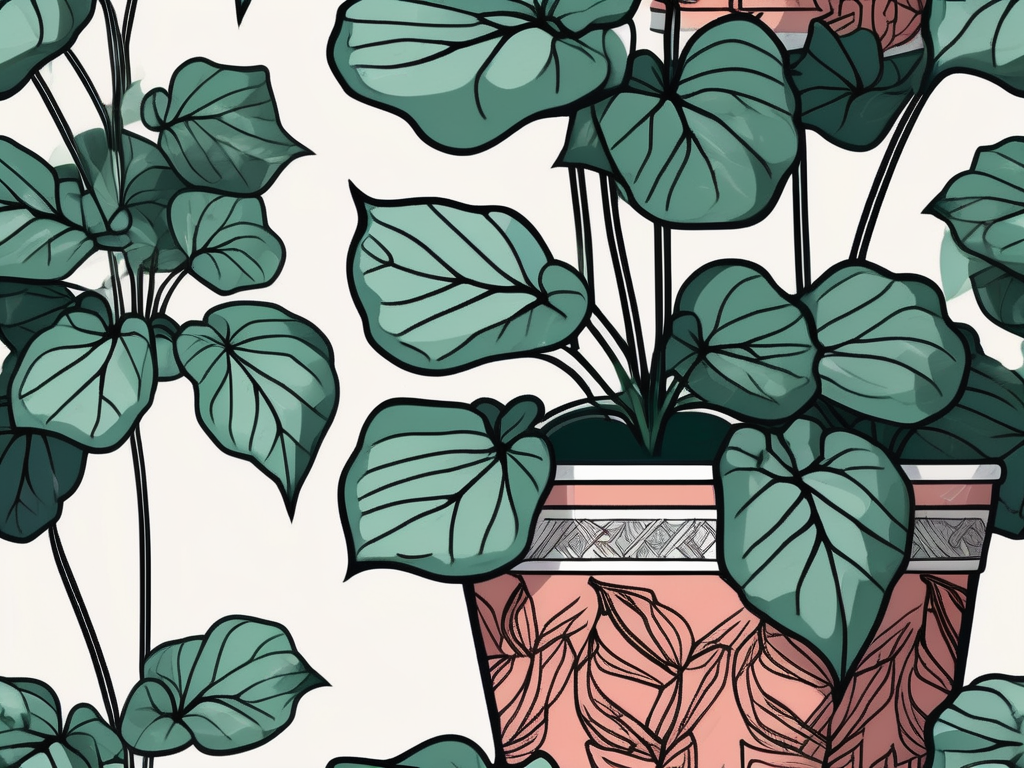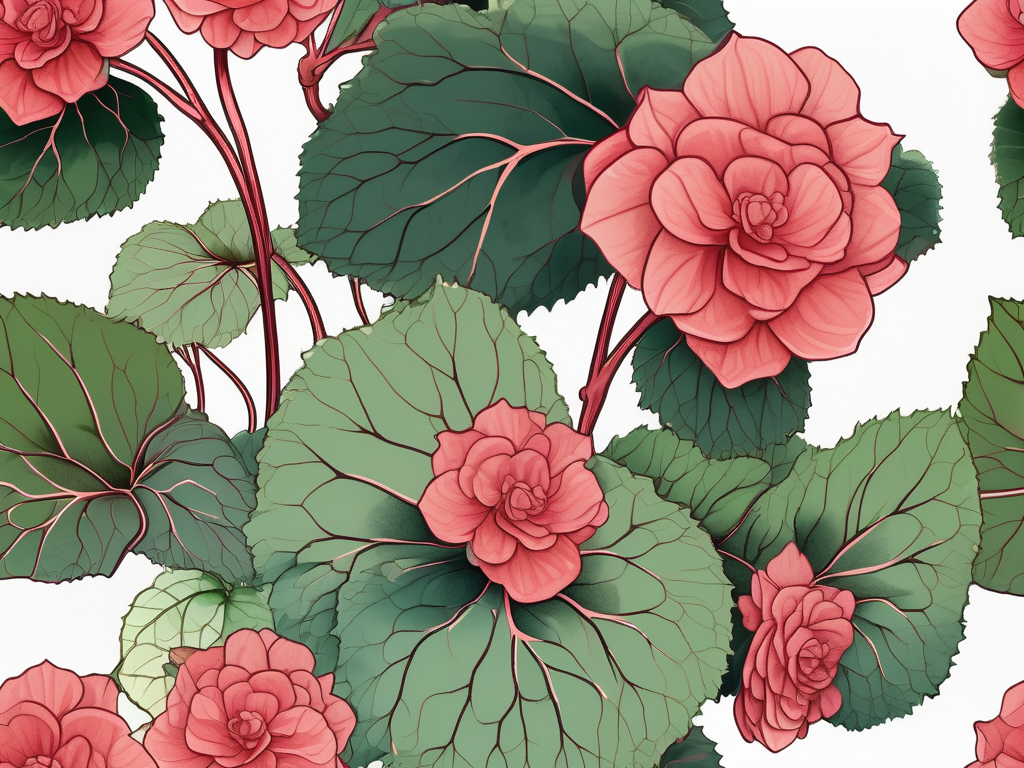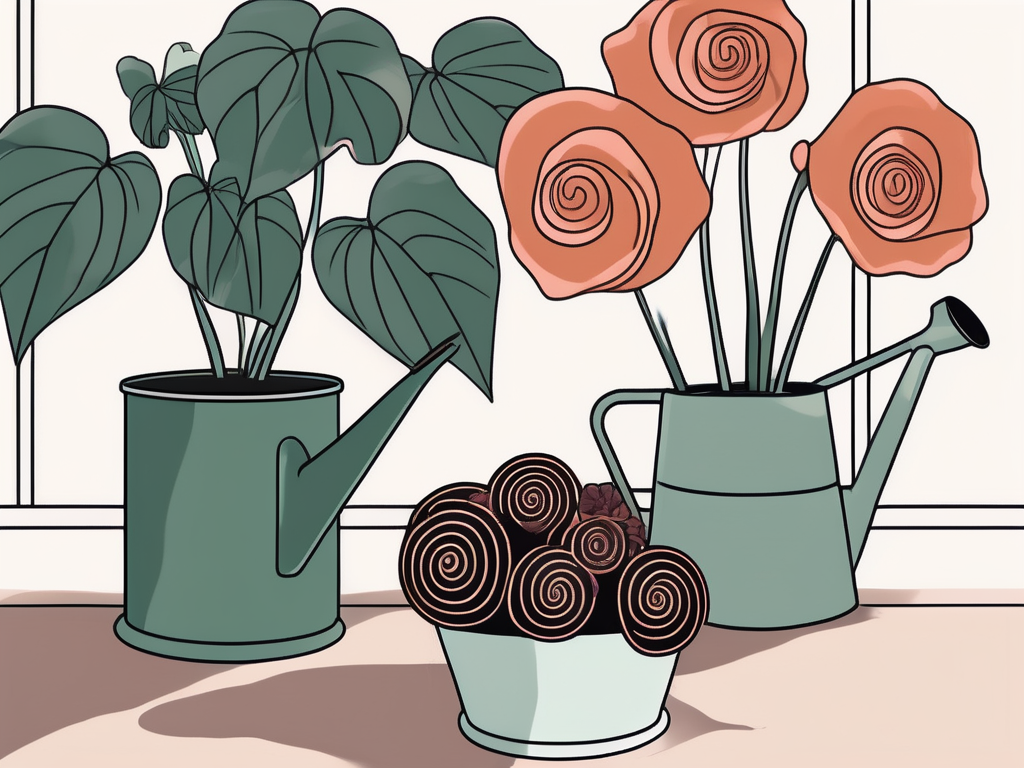
Ah, the Begonia Escargot! With its mesmerizing swirl pattern that mimics a snail's shell, it's no wonder this plant is a favorite among plant lovers. But like many other unique beauties, it requires a bit of special care to keep it thriving. If you're looking to add this fascinating plant to your collection, you're in the right place.
Today, we'll explore everything you need to know about caring for the Begonia Escargot. From sunlight and watering needs to dealing with common pests, our guide will equip you with all the knowledge to ensure your plant stays happy and healthy.
Getting to Know Begonia Escargot
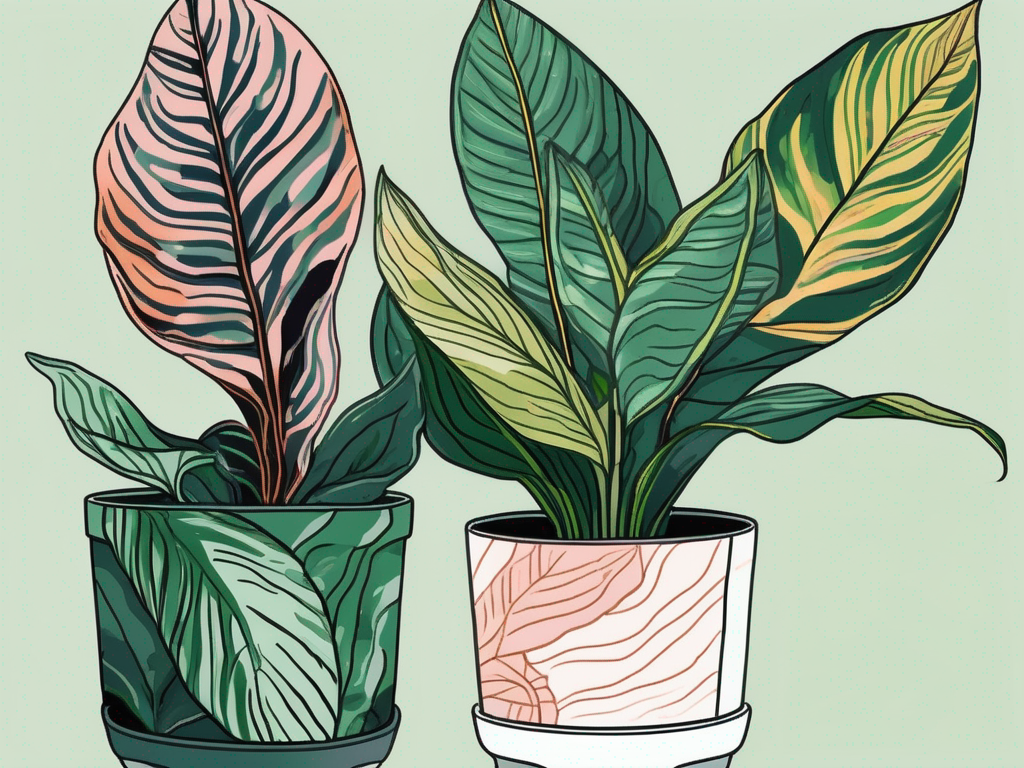
Before we jump into the care specifics, let's take a moment to appreciate what makes the Begonia Escargot so special. This plant is native to tropical regions and belongs to the Begoniaceae family. It's known for its striking foliage, with leaves that spiral, resembling the shell of a snail—hence the name "Escargot."
These plants are typically grown for their ornamental leaves rather than flowers, which makes them a fantastic choice for adding visual interest to your indoor garden. The leaves are often a mix of green and silver, creating a stunning contrast that can brighten up any room.
Understanding the natural habitat and characteristics of the Begonia Escargot is crucial for mimicking its ideal growing conditions. The plant thrives in warm, humid environments with filtered light, similar to the forest floors of its native regions. Keep this in mind as we dive into the specifics of its care.
Lighting: Finding the Perfect Spot
One of the first things to consider when caring for your Begonia Escargot is lighting. These plants prefer bright, indirect light. Direct sunlight can scorch the leaves, causing them to brown and lose their unique pattern. However, in low-light conditions, the plant might struggle to maintain its vibrant colors.
So, what's the sweet spot? Try placing your Begonia near an east or north-facing window. This ensures it gets plenty of natural light without the harsh afternoon sun. If you notice the leaves losing their luster or becoming elongated, it might be a sign that the plant needs more light.
On the flip side, if the leaves start to curl or develop brown spots, it could be receiving too much direct sunlight. Adjust its position accordingly, or use sheer curtains to diffuse the light if needed. Remember, finding the right balance might take a bit of trial and error, so don't be discouraged if you need to move your plant a few times to find its happy place.
Watering Needs: Quenching the Thirst
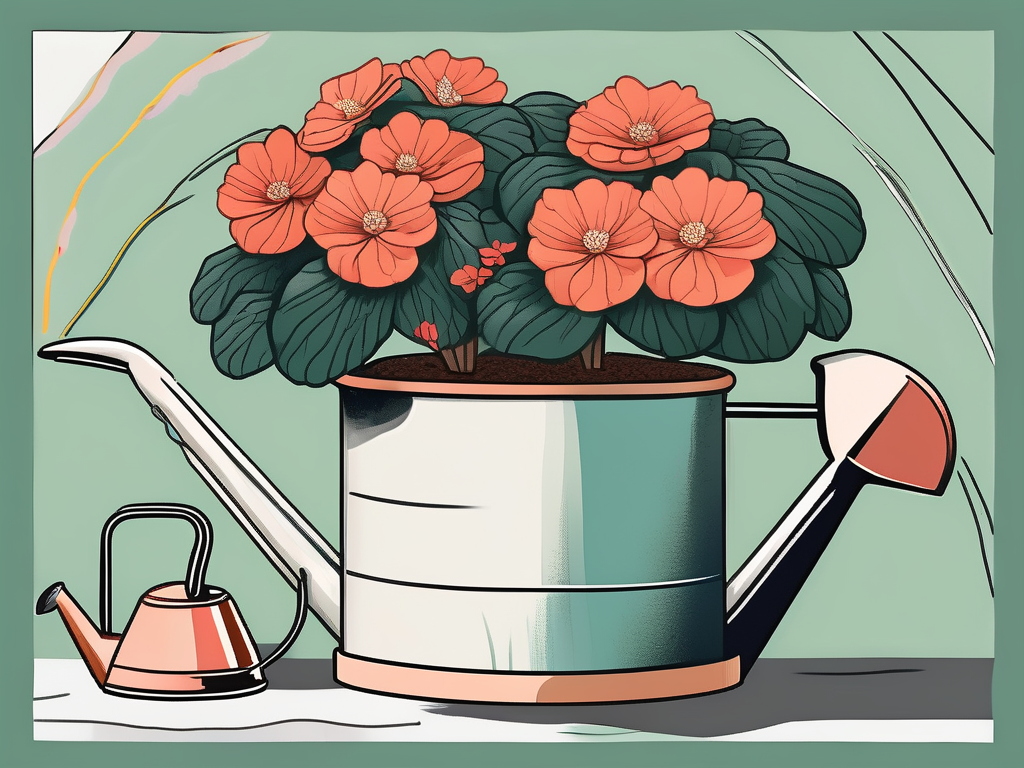
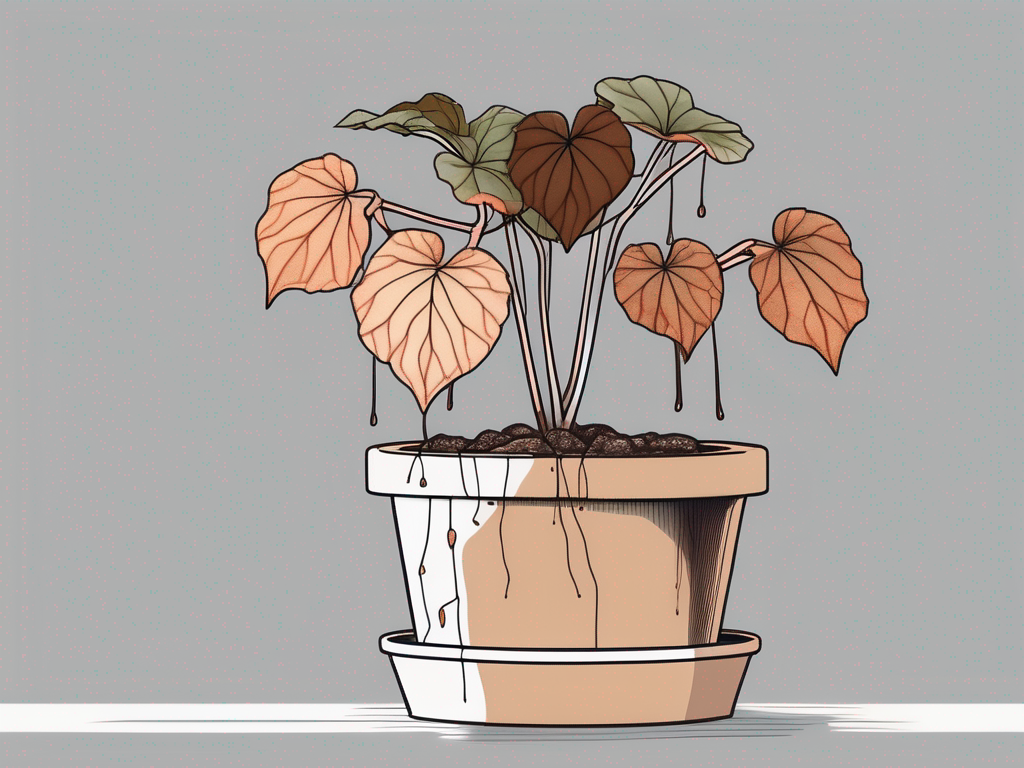
Watering is another critical aspect of Begonia Escargot care, and getting it right can be a bit tricky. These plants prefer their soil to be consistently moist but not soggy. Overwatering can lead to root rot, while underwatering can cause the leaves to wilt and drop.
A good rule of thumb is to water your Begonia when the top inch of soil feels dry to the touch. Use your finger to test the soil moisture. If it feels dry, it's time to water. Ensure that your pot has drainage holes to prevent water from pooling at the bottom.
When watering, aim to soak the soil thoroughly, allowing the excess water to drain out. This helps ensure that the entire root system gets enough moisture. Be mindful of the season, as your plant's watering needs may vary. During the growing season (spring and summer), you might need to water more frequently. In contrast, during the winter months, the plant's growth slows down, and it requires less water.
And here's a tip: if you're unsure about whether your plant needs water, it's generally better to err on the side of slightly underwatering than overwatering. Begonias are somewhat forgiving of occasional drought but can quickly succumb to root rot if left sitting in waterlogged soil.
Soil and Potting: The Foundation of Growth
Choosing the right soil and potting mix for your Begonia Escargot is vital for its health and growth. These plants thrive in a well-draining potting mix that retains some moisture without becoming waterlogged. A commercial potting mix designed for African violets can work well, as it provides the right balance of drainage and moisture retention.
If you're a DIY enthusiast, you can create your own mix by combining equal parts of peat moss, perlite, and vermiculite. This blend offers excellent aeration, allowing the roots to breathe while retaining enough moisture to keep the plant happy.
When it comes to pot selection, choose a container with drainage holes to prevent water from accumulating at the bottom. Begonias don't like having "wet feet," and proper drainage is essential for avoiding root rot.
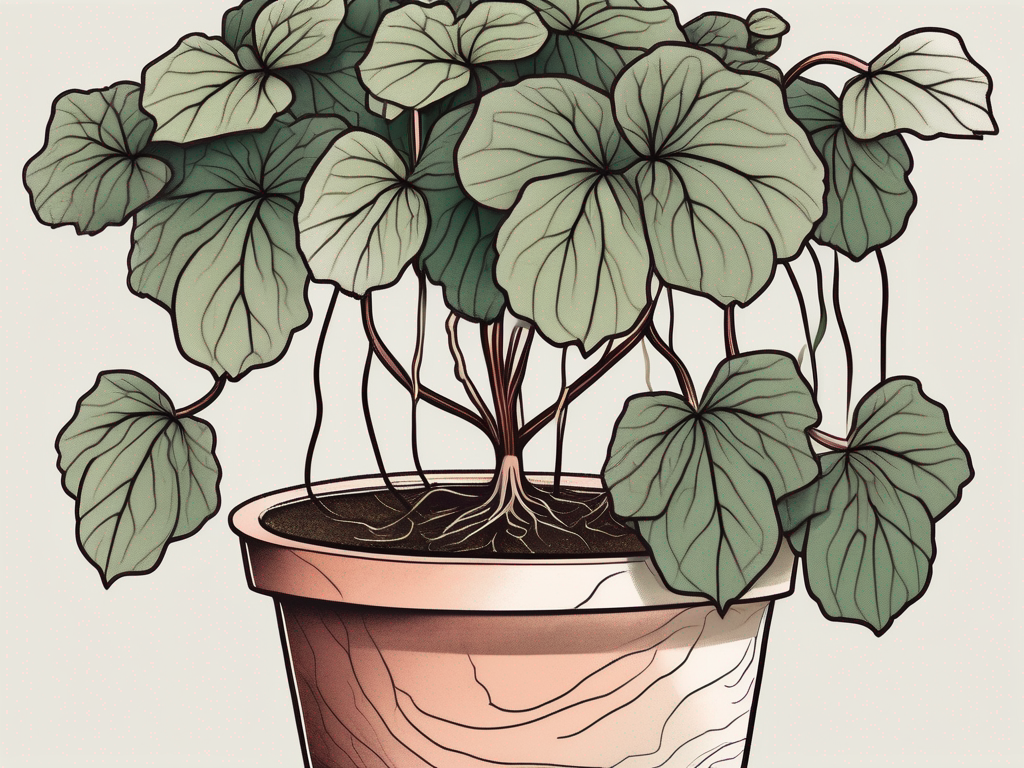
Repotting your Begonia every couple of years can help refresh the soil and provide more space for growth. Spring is the best time to repot, as the plant is entering its active growth phase. When repotting, gently remove the plant from its old pot, shake off the excess soil, and check the roots for any signs of rot. Trim away any damaged roots before placing the plant in its new home.
Temperature and Humidity: Creating a Cozy Environment
Begonia Escargot is a tropical plant, so it thrives in warm, humid conditions. Ideally, the temperature should be between 65°F to 75°F (18°C to 24°C). Keep your plant away from cold drafts or sudden temperature fluctuations, as they can stress the plant and cause leaf drop.
Humidity is also an essential factor to consider. These plants prefer higher humidity levels, similar to their natural habitat. If your home is particularly dry, especially during winter, you might need to boost the humidity around your plant. Here are a few ways to do that:
- Use a Humidifier: This is the most effective way to increase humidity, especially if you have multiple humidity-loving plants.
- Try a Pebble Tray: Place a shallow tray filled with water and pebbles under your plant's pot. As the water evaporates, it creates a humid microclimate around the plant.
- Group Plants Together: Plants naturally release moisture into the air, so grouping them can help create a more humid environment.
- Mist the Leaves: Lightly misting the leaves with water can provide a temporary humidity boost. However, avoid waterlogging the leaves, as this can lead to fungal issues.
By paying attention to temperature and humidity, you'll create a cozy environment that closely mimics the Begonia Escargot's native habitat, helping it thrive and grow beautifully.
Fertilizing: Feeding Your Begonia
Fertilizing your Begonia Escargot is like giving it a little energy boost. During the growing season (spring and summer), these plants appreciate a balanced, water-soluble fertilizer every four to six weeks. A fertilizer with a ratio of 10-10-10 works well, providing equal amounts of nitrogen, phosphorus, and potassium.
When applying fertilizer, always dilute it to half strength to avoid overfeeding, which can scorch the roots and damage the plant. It's better to under-fertilize than to risk nutrient burn.
In the fall and winter, when the plant's growth naturally slows down, you can reduce or even skip fertilizing. This rest period allows the plant to conserve energy and get ready for the next growing season.
If you're using a potting mix that contains slow-release fertilizer, you might not need to fertilize as often. Keep an eye on your plant's growth and adjust your feeding schedule accordingly. Healthy leaves with vibrant colors are a good indication that your plant is getting the nutrients it needs.
Dealing with Pests: Keeping Unwanted Guests at Bay
Even the hardiest plants can fall victim to pests, and Begonia Escargot is no exception. Common pests such as aphids, spider mites, and mealybugs can occasionally make an appearance, but don't worry, you can deal with them effectively.
Regularly inspecting your plant is the first step in keeping pests at bay. Look for signs like sticky residue (a telltale sign of aphids), webbing (indicative of spider mites), or cotton-like masses (suggesting mealybugs). Catching the problem early makes it easier to manage.
If you spot pests, here are some simple steps you can take:
- Manual Removal: Use a damp cloth or cotton swab dipped in rubbing alcohol to remove visible pests.
- Insecticidal Soap: A gentle insecticidal soap can help eliminate pests without harming your plant. Follow the instructions on the label for safe use.
- Neem Oil: This natural pesticide is effective against a variety of pests. Mix it with water and spray on affected areas.
- Isolation: If possible, isolate the infested plant to prevent pests from spreading to other plants.
Consistent care and attention will help keep your Begonia Escargot healthy and less susceptible to pests. By maintaining good air circulation and avoiding overwatering, you'll create an environment where pests are less likely to thrive.
Grooming and Maintenance: Keeping Your Plant in Tip-Top Shape
Grooming your Begonia Escargot not only keeps it looking its best but also promotes healthy growth. Regular maintenance involves pruning, cleaning, and checking for any signs of trouble.
Pruning is a simple task that can make a big difference. Remove any dead or yellowing leaves to prevent them from becoming a breeding ground for pests or diseases. You can also trim back any leggy growth to encourage a bushier appearance.
Cleaning the leaves is another important aspect of grooming. Dust can accumulate on the leaves, hindering their ability to photosynthesize. Use a soft, damp cloth to gently wipe the leaves, ensuring they remain dust-free and able to soak up sunlight efficiently.
Moreover, keeping an eye out for any unusual changes in your plant, such as discoloration or wilting, can alert you to potential issues before they become bigger problems. Whether it's a sign of pests, nutritional deficiencies, or environmental stress, early detection allows for timely intervention.
By incorporating these simple grooming practices into your care routine, you'll help your Begonia Escargot thrive and continue to be the stunning focal point in your home.
Designing with Begonia Escargot: Adding a Touch of Whimsy to Your Space
Now that you're equipped with all the care tips, let's talk about how to incorporate the Begonia Escargot into your home decor. With its unique pattern and striking colors, this plant can be a real showstopper in any room.
Consider using the Begonia Escargot as a centerpiece on a coffee table or a side table where it can be admired up close. Its distinctive foliage makes it a great conversation starter, and its compact size fits well in small spaces.
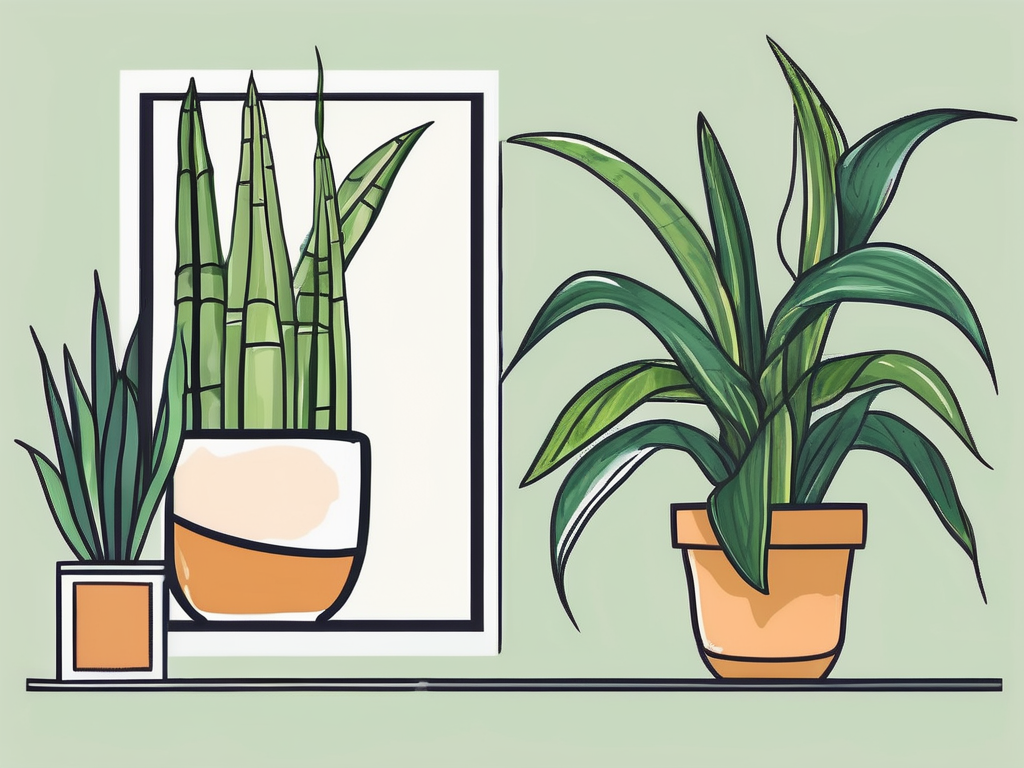
Pairing it with other plants can also create a beautiful display. For instance, contrast its swirled leaves with plants that have different textures or colors, like a spiky Sansevieria or a trailing Pothos. This variety adds depth and interest to your plant collection.
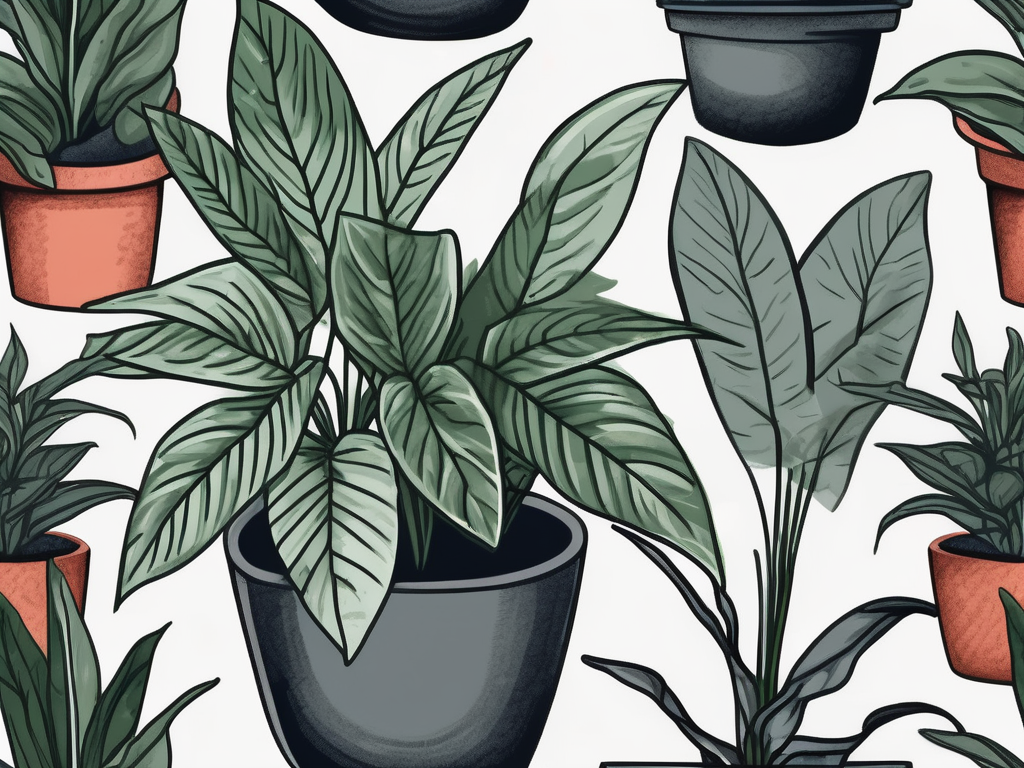
If you're feeling creative, try using decorative pots or planters to complement your Begonia's aesthetic. A ceramic pot with a subtle glaze can enhance the plant's colors, while a basket or woven planter can add a touch of natural warmth to your decor.
The possibilities are endless, and the key is to have fun with it! By incorporating plants like the Begonia Escargot into your decor, you create a living space that's vibrant, inviting, and uniquely yours.
Final Thoughts
Caring for a Begonia Escargot might seem a bit challenging at first, but with patience and attention, you'll find that it's a rewarding journey. By providing the right light, water, and love, you can watch your plant flourish and bring a touch of nature's beauty into your home.
At Cafe Planta, we're passionate about helping you grow your plant family. Whether you're in search of the perfect plant or need tips on care, we're here to support you. Feel free to reach out via email or drop us a message on Instagram. Let's continue to connect with nature and each other, one plant at a time.